Department of Clinical Medicine (K1), University of Bergen, Bergen, 5021, Norway.
Department of Neurosurgery, Xinhua Hospital Affiliated to Shanghai Jiaotong University School of Medicine, Shanghai, 20092, China.
Adv Sci (Weinh). 2024 May;11(18):e2307136. doi: 10.1002/advs.202307136. Epub 2024 Mar 6.
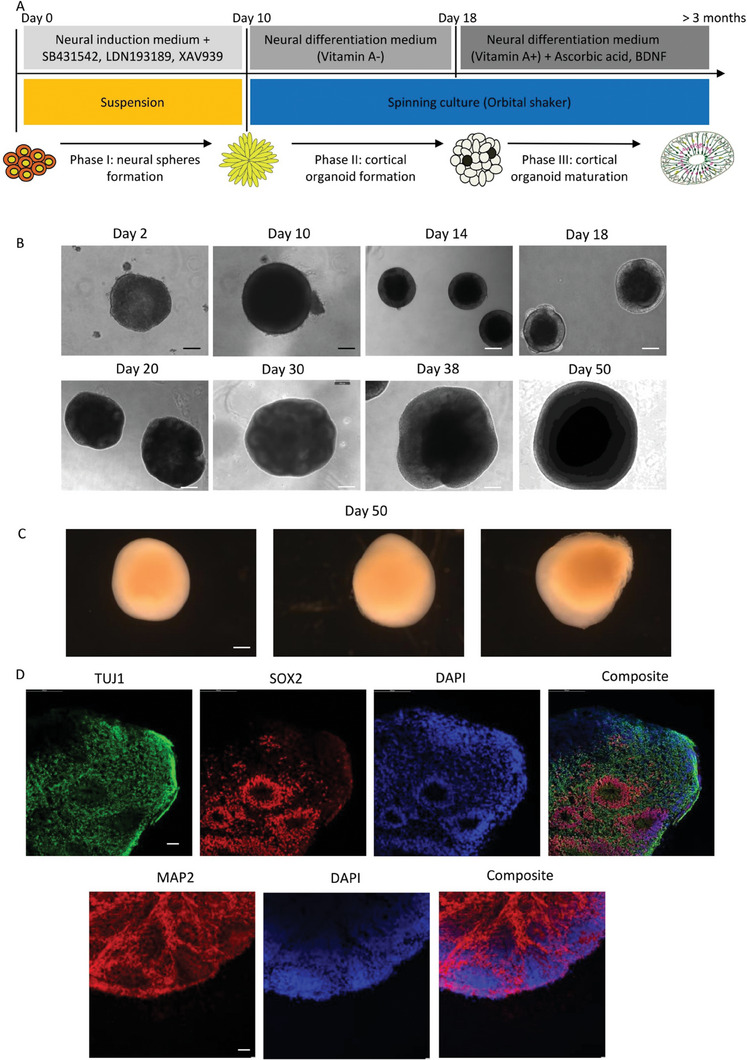
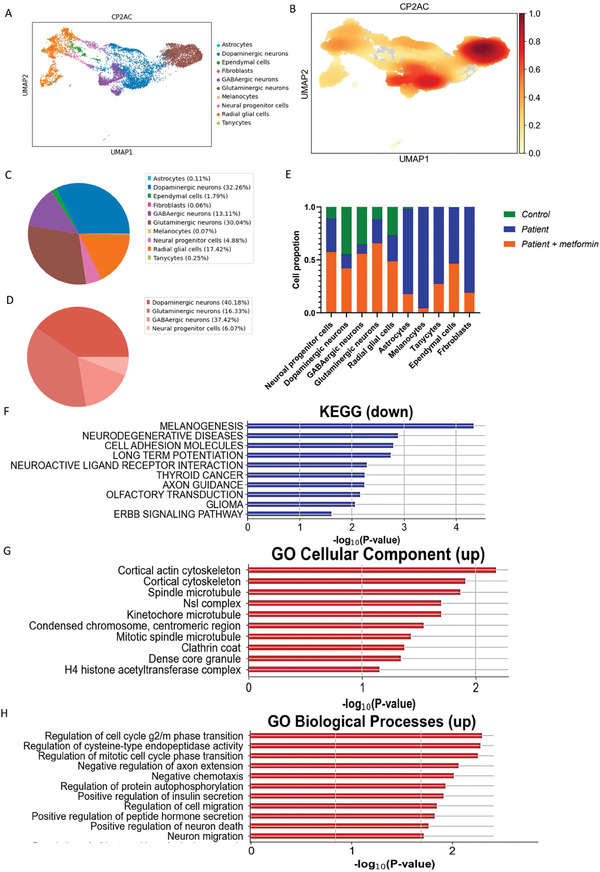
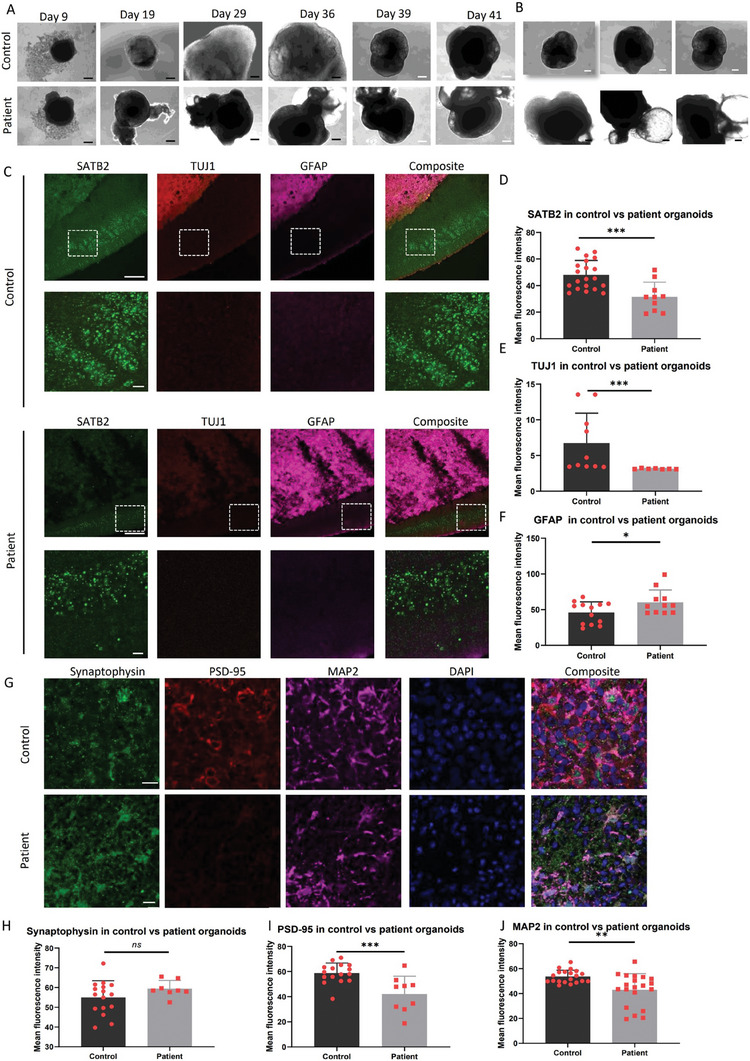
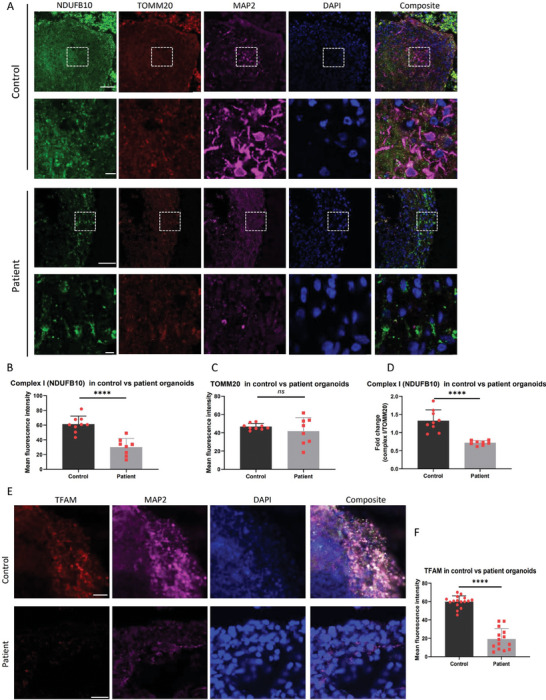
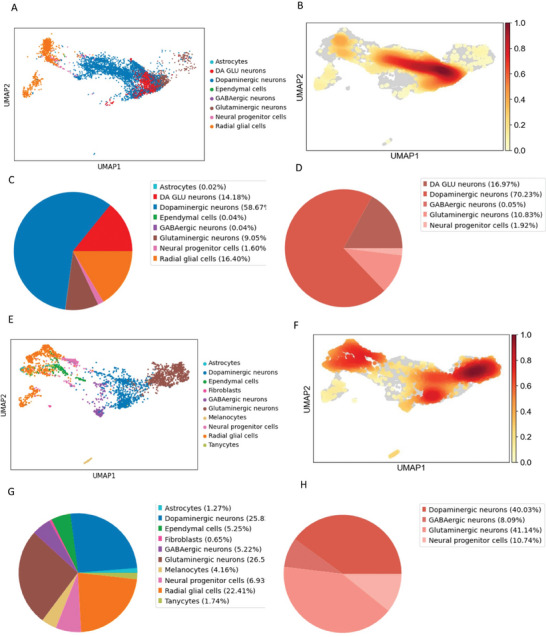
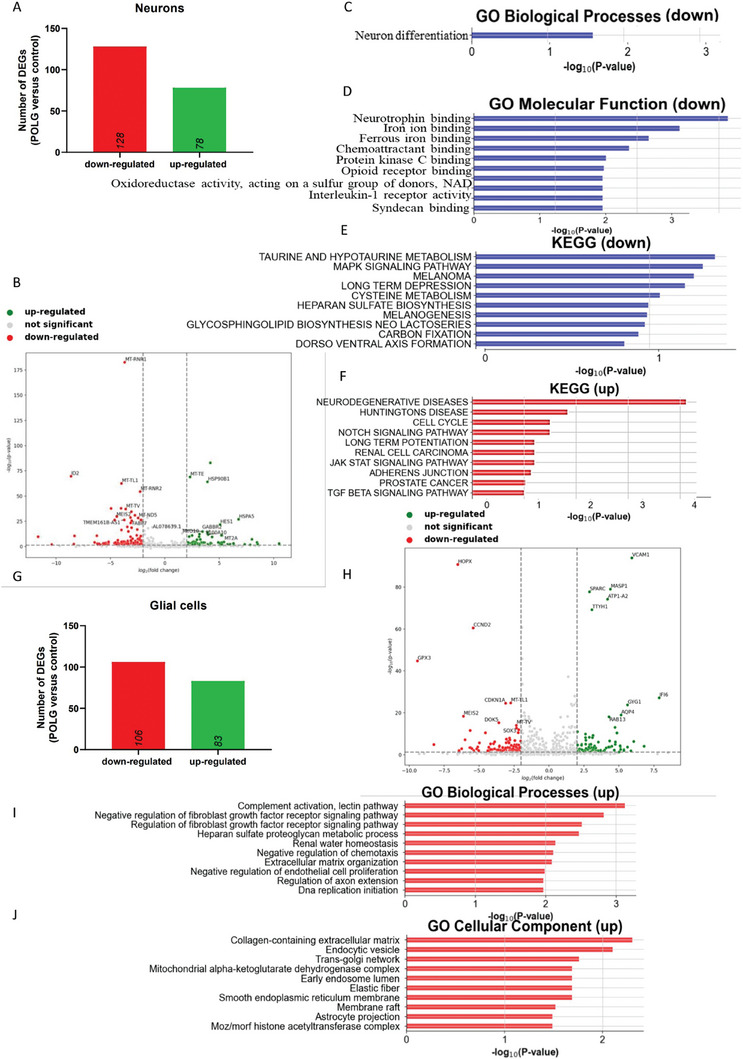
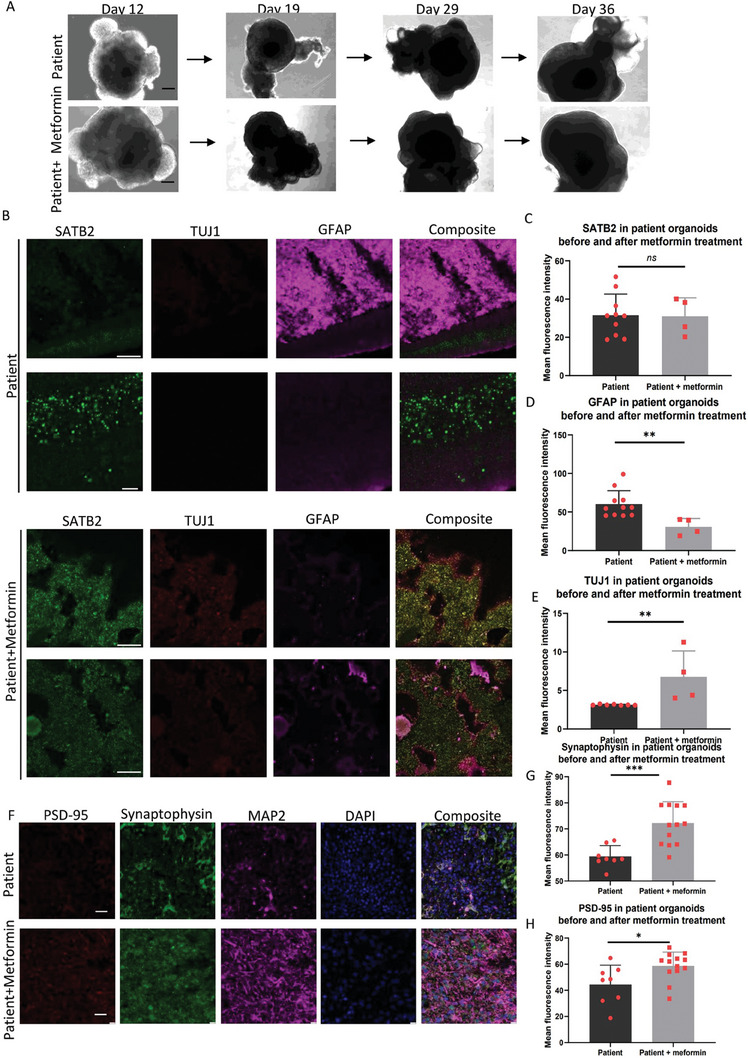
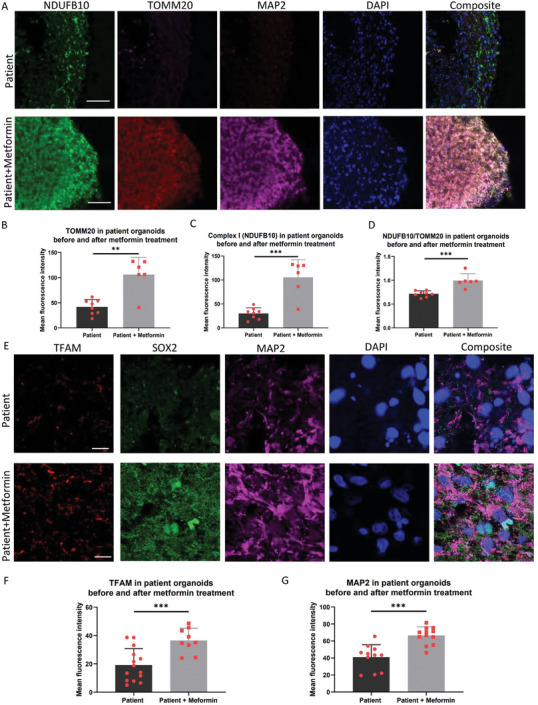
In this research, a 3D brain organoid model is developed to study POLG-related encephalopathy, a mitochondrial disease stemming from POLG mutations. Induced pluripotent stem cells (iPSCs) derived from patients with these mutations is utilized to generate cortical organoids, which exhibited typical features of the diseases with POLG mutations, such as altered morphology, neuronal loss, and mitochondiral DNA (mtDNA) depletion. Significant dysregulation is also identified in pathways crucial for neuronal development and function, alongside upregulated NOTCH and JAK-STAT signaling pathways. Metformin treatment ameliorated many of these abnormalities, except for the persistent affliction of inhibitory dopamine-glutamate (DA GLU) neurons. This novel model effectively mirrors both the molecular and pathological attributes of diseases with POLG mutations, providing a valuable tool for mechanistic understanding and therapeutic screening for POLG-related disorders and other conditions characterized by compromised neuronal mtDNA maintenance and complex I deficiency.
在这项研究中,开发了一种 3D 脑类器官模型,用于研究 POLG 相关脑病,这是一种源自 POLG 突变的线粒体疾病。利用源自这些突变患者的诱导多能干细胞(iPSC)生成皮质类器官,这些类器官表现出具有 POLG 突变的疾病的典型特征,例如形态改变、神经元丧失和线粒体 DNA(mtDNA)耗竭。在神经元发育和功能至关重要的途径中也发现了显著的失调,同时上调了 NOTCH 和 JAK-STAT 信号通路。二甲双胍治疗改善了许多这些异常,除了持续存在的抑制性多巴胺-谷氨酸(DA GLU)神经元的困扰。这种新型模型有效地反映了具有 POLG 突变的疾病的分子和病理特征,为 POLG 相关疾病和其他以神经元 mtDNA 维持和复合物 I 缺陷为特征的疾病的机制理解和治疗筛选提供了有价值的工具。