Department of Pathophysiology, Oita University School of Medicine, 1-1 Idaigaoka, Hasama, Yufu, Oita, 879-5593, Japan.
Department of Cardiovascular Surgery, Oita University School of Medicine, Oita University, Yufu, Oita, Japan.
Heart Vessels. 2024 May;39(5):464-474. doi: 10.1007/s00380-024-02362-0. Epub 2024 Mar 7.
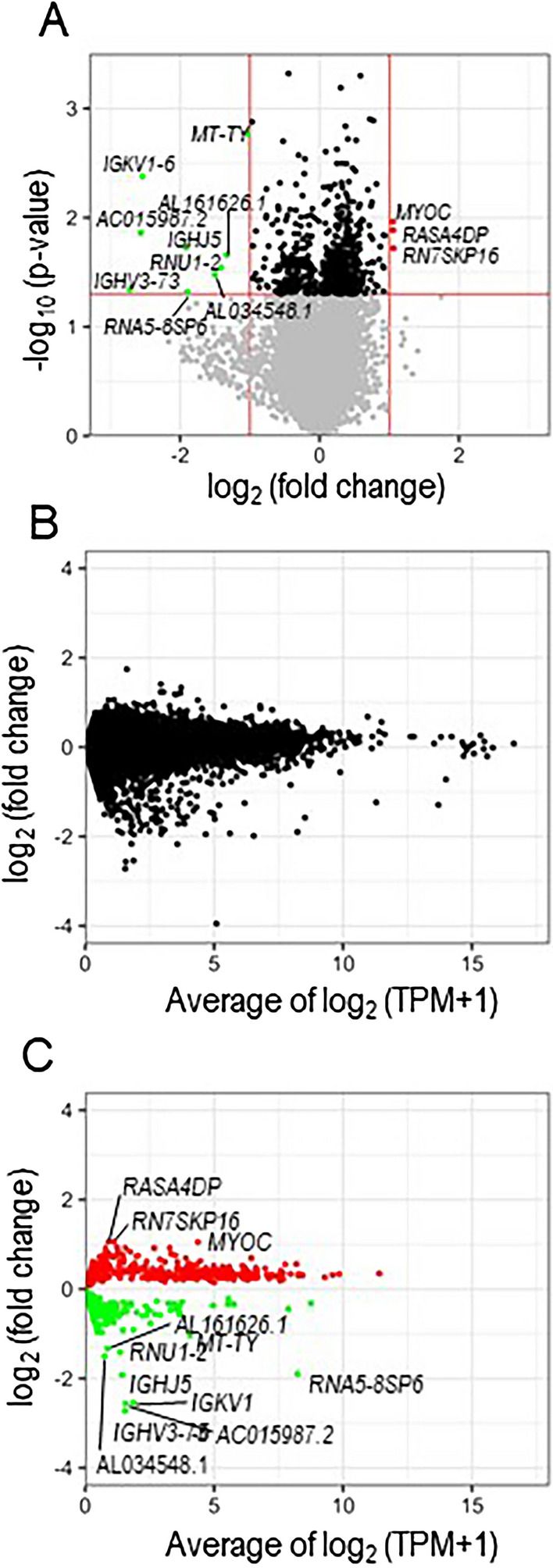
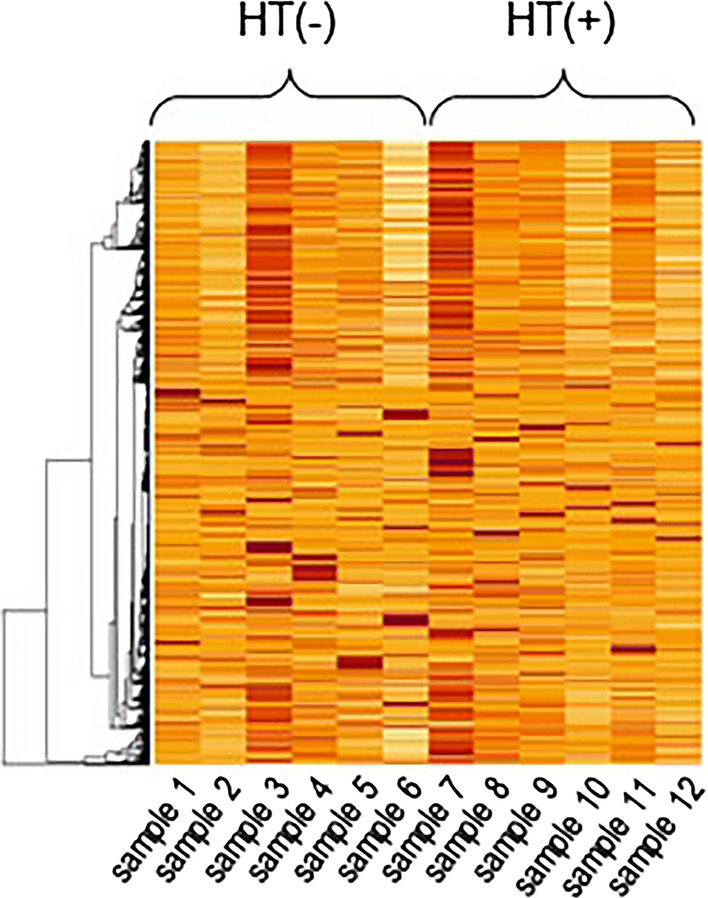
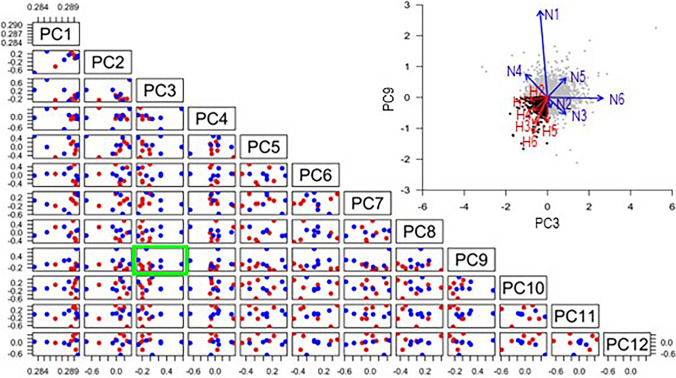
Resection of the left atrial appendage reportedly improves blood pressure in patients with hypertension. This study aimed to validate the transcriptional profiles of atrial genes responsible for blood pressure regulation in patients with hypertension as well as to identify the molecular mechanisms in rat biological systems. RNA sequencing data of left atrial appendages from patients with (n = 6) and without (n = 6) hypertension were subjected to unsupervised principal component analysis (PCA). Reduction of blood pressure was reflected by third and ninth principal components PC3 and PC9, and that eighteen transcripts, including endothelin-1, were revealed by PCA-based pathway analysis. Resection of the left atrial appendage in hypertensive rats improved their blood pressure accompanied by a decrease in serum endothelin-1 concentration. Expression of the endothelin-1 gene in the atrium and atrial appendectomy could play roles in blood pressure regulation in humans and rats.
据报道,左心耳切除术可改善高血压患者的血压。本研究旨在验证与高血压患者血压调节相关的心房基因的转录谱,并鉴定大鼠生物系统中的分子机制。对有(n=6)和无(n=6)高血压的患者的左心耳的 RNA 测序数据进行无监督主成分分析(PCA)。血压的降低反映在第三和第九主成分 PC3 和 PC9 上,并且通过基于 PCA 的途径分析揭示了包括内皮素-1 在内的十八个转录物。在高血压大鼠中切除左心耳可降低其血压,同时降低血清内皮素-1浓度。心房和左心耳切除术的内皮素-1基因表达可能在人类和大鼠的血压调节中发挥作用。