School of Animal Science, Guizhou University, Guiyang, China.
Guizhou Provincial Animal Biological Products Engineering Technology Research Center, Guiyang, China.
Virol J. 2024 Mar 7;21(1):60. doi: 10.1186/s12985-024-02312-2.
Chlorogenic acid, the primary active component in Chinese medicines like honeysuckle, exhibits anti-inflammatory and antiviral effects. It has been demonstrated that chlorogenic acid effectively prevents and treats Duck enteritis virus (DEV) infection. This study aims to further elucidate the mechanism by which chlorogenic acid prevents DEV infection.
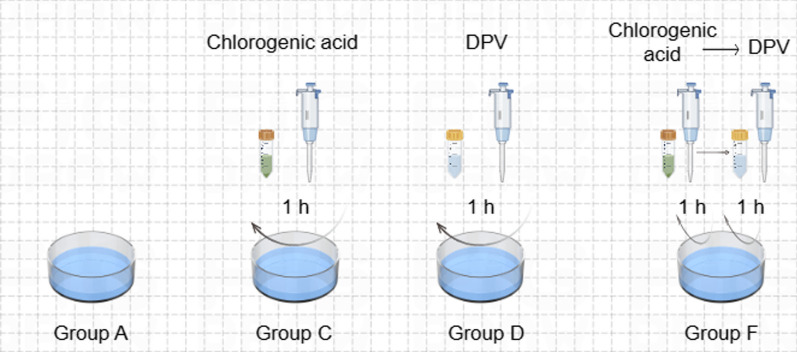
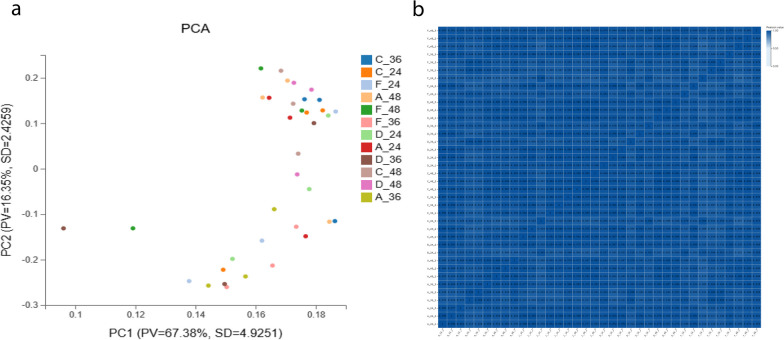
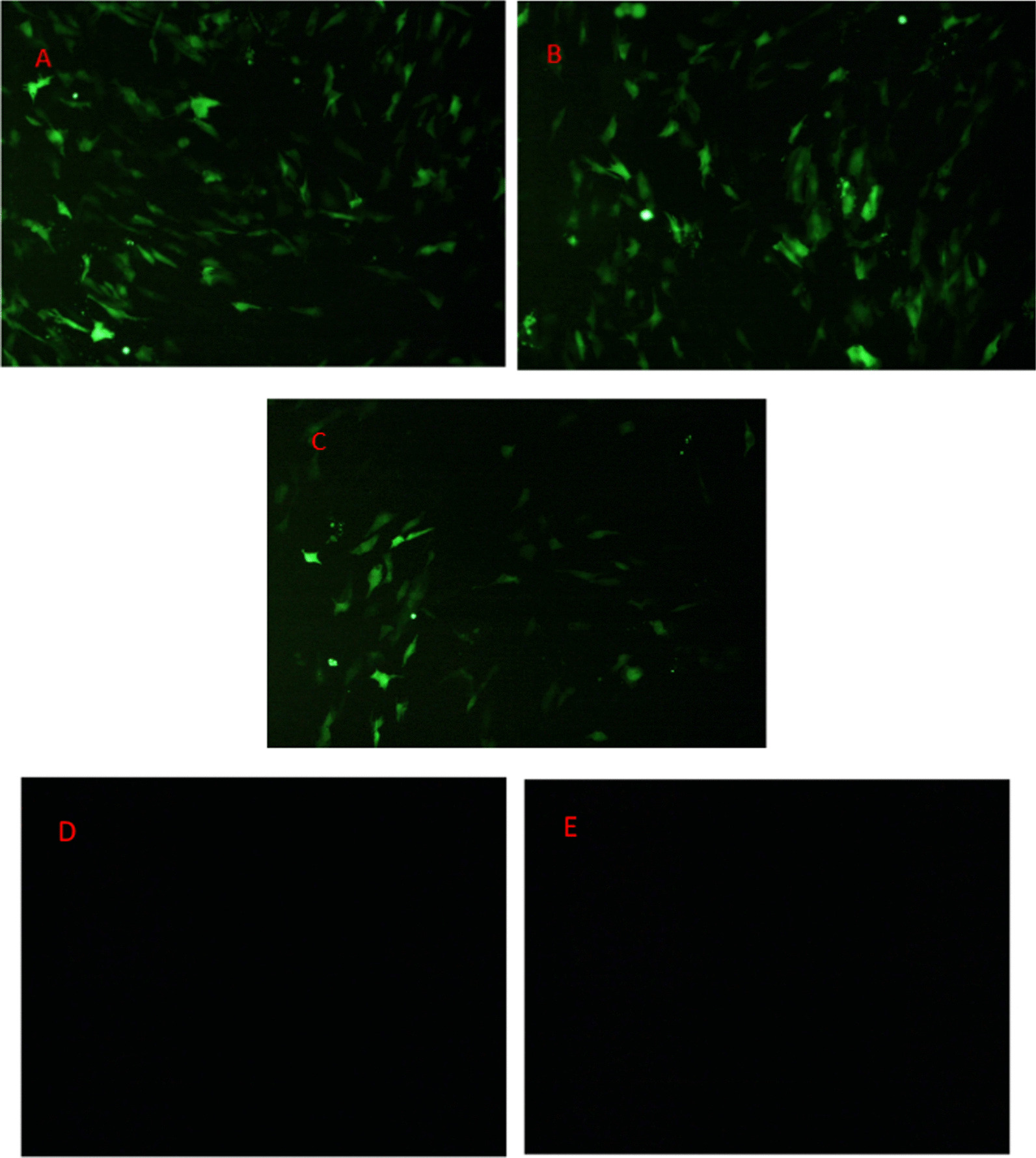
Duck embryo fibroblast (DEF) cells were pre-treated with chlorogenic acid before being infected with DEV. Cell samples were collected at different time points for transcriptomic sequencing, while qPCR was used to detect the proliferation of DEV. Additionally, 30-day-old ducks were treated with chlorogenic acid, and their lymphoid organs were harvested for histopathological sections to observe pathological damage. The proliferation of DEV in the lymphoid organs was also detected using qPCR Based on the transcriptomic sequencing results, NF-κB1 gene was silenced by RNAi technology to analyze the effect of NF-κB1 gene on DEV proliferation.
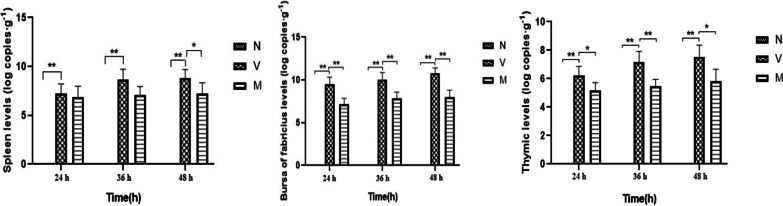
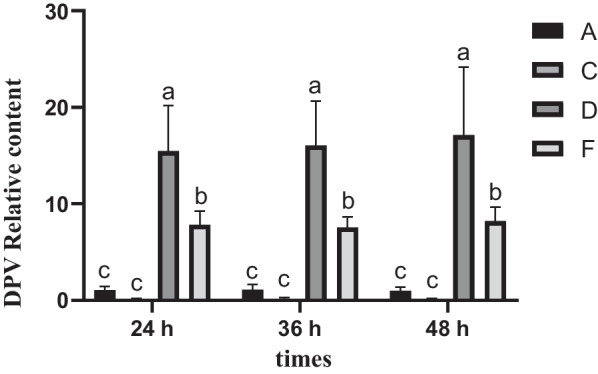
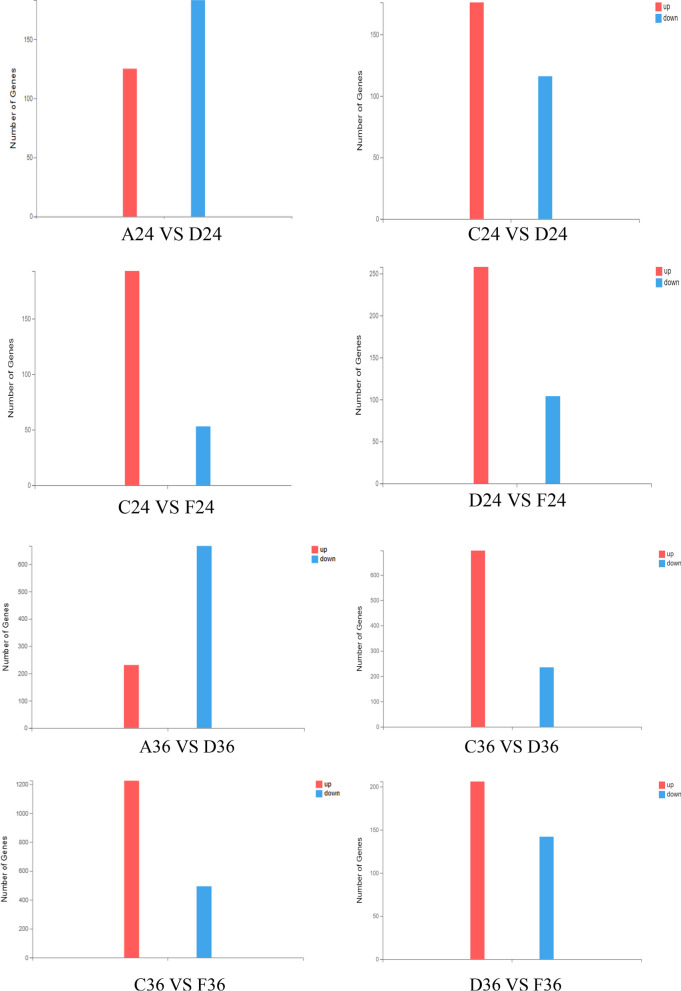
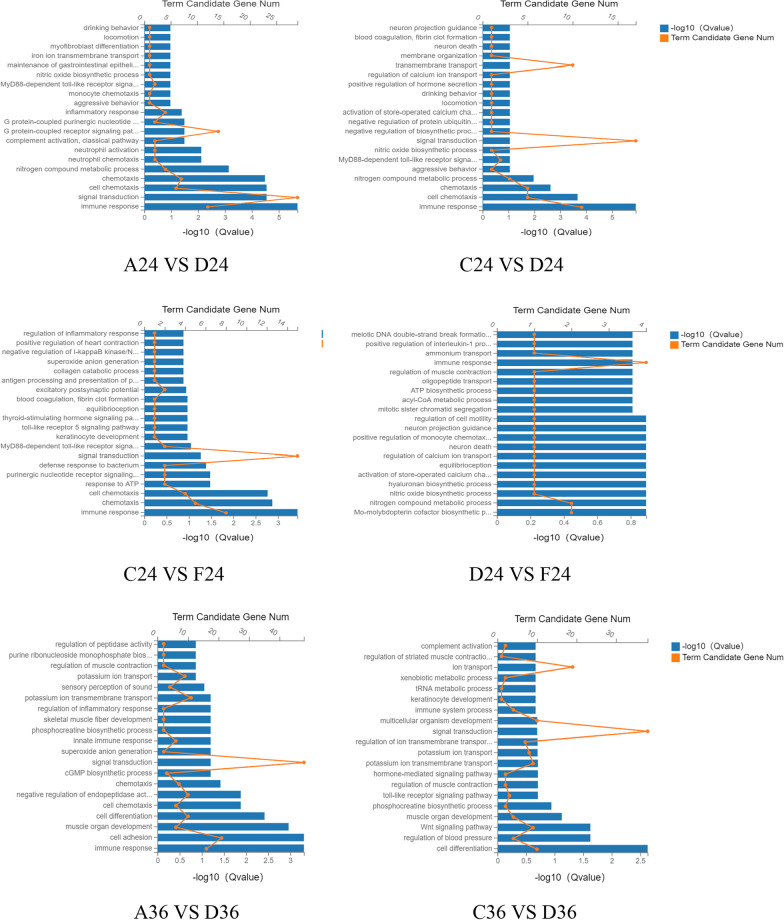
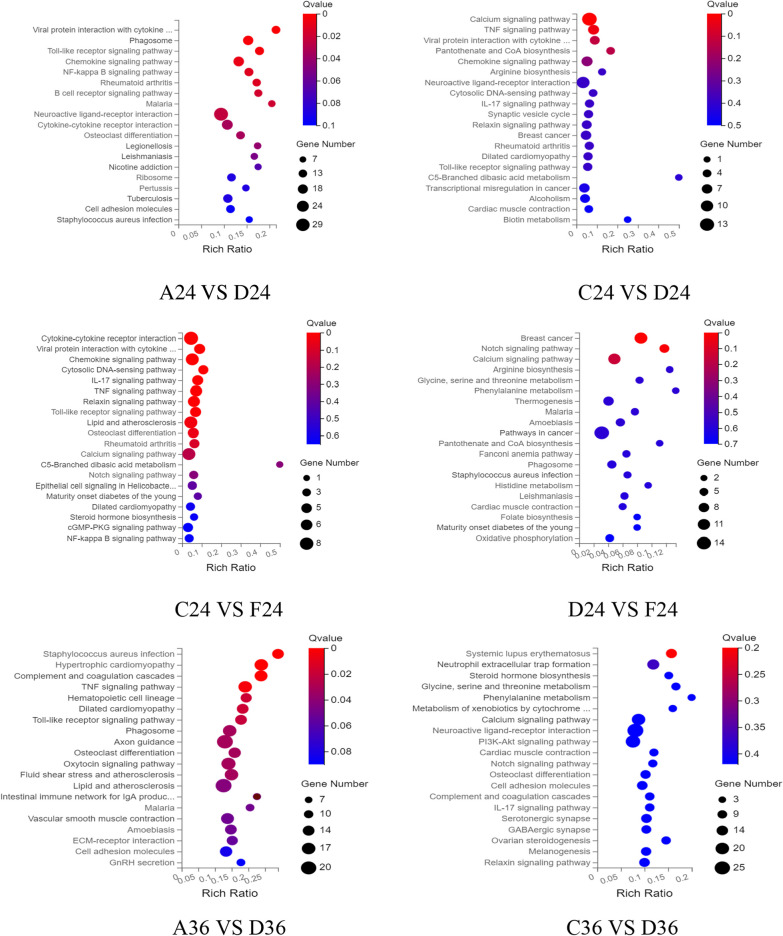
Compared to the viral infection group, DEF cells in the chlorogenic acid intervention group exhibited significantly reduced DEV load (P < 0.05). Transcriptomic sequencing results suggested that chlorogenic acid inhibited DEV proliferation in DEF cells by regulating NF-κB signaling pathway. The results of RNAi silencing suggested that in the three treatment groups, compared with the DEV experimental group, there was no significant difference in the effect of pre-transfection after transfection on DEV proliferation, while both the pre-transfection after transfection and the simultaneous transfection group showed significant inhibition on DEV proliferation Furthermore, compared to the virus infection group, ducks in the chlorogenic acid intervention group showed significantly decreased DEV load in their lymphoid organs (P < 0.05), along with alleviated pathological damage such as nuclear pyretosis and nuclear fragmentation.
Chlorogenic acid effectively inhibits DEV proliferation in DEF and duck lymphatic organs, mitigates viral-induced pathological damage, and provides a theoretical basis for screening targeted drugs against DEV.
绿原酸是金银花等中药的主要活性成分,具有抗炎和抗病毒作用。研究表明,绿原酸能有效预防和治疗鸭肠炎病毒(DEV)感染。本研究旨在进一步阐明绿原酸预防 DEV 感染的机制。
在感染 DEV 之前,用绿原酸预处理鸭胚成纤维(DEF)细胞。在不同时间点收集细胞样本进行转录组测序,同时用 qPCR 检测 DEV 的增殖。此外,用绿原酸处理 30 日龄鸭子,采集其淋巴器官进行组织病理学切片,观察病理损伤。同样使用 qPCR 检测淋巴器官中 DEV 的增殖。基于转录组测序结果,用 RNAi 技术沉默 NF-κB1 基因,分析 NF-κB1 基因对 DEV 增殖的影响。
与病毒感染组相比,绿原酸干预组 DEF 细胞中的 DEV 载量明显降低(P<0.05)。转录组测序结果表明,绿原酸通过调控 NF-κB 信号通路抑制 DEF 细胞中 DEV 的增殖。RNAi 沉默结果表明,在三个处理组中,与 DEV 实验组相比,转染前后预转染对 DEV 增殖的影响无显著差异,而转染前后预转染组和同时转染组均对 DEV 增殖有明显抑制作用。此外,与病毒感染组相比,绿原酸干预组鸭子的淋巴器官中的 DEV 载量明显降低(P<0.05),同时核热解和核碎裂等病毒诱导的病理损伤也得到缓解。
绿原酸能有效抑制 DEF 和鸭淋巴器官中 DEV 的增殖,减轻病毒引起的病理损伤,为筛选针对 DEV 的靶向药物提供理论依据。