College of Animal Science and Technology, Jiangxi Agricultural University, Nanchang 330045, Jiangxi, P. R. China; Poultry Institute, Jiangxi Agricultural University, Nanchang 330045, P. R. China.
College of Animal Science and Technology, Jiangxi Agricultural University, Nanchang 330045, Jiangxi, P. R. China.
Poult Sci. 2024 May;103(5):103603. doi: 10.1016/j.psj.2024.103603. Epub 2024 Mar 1.
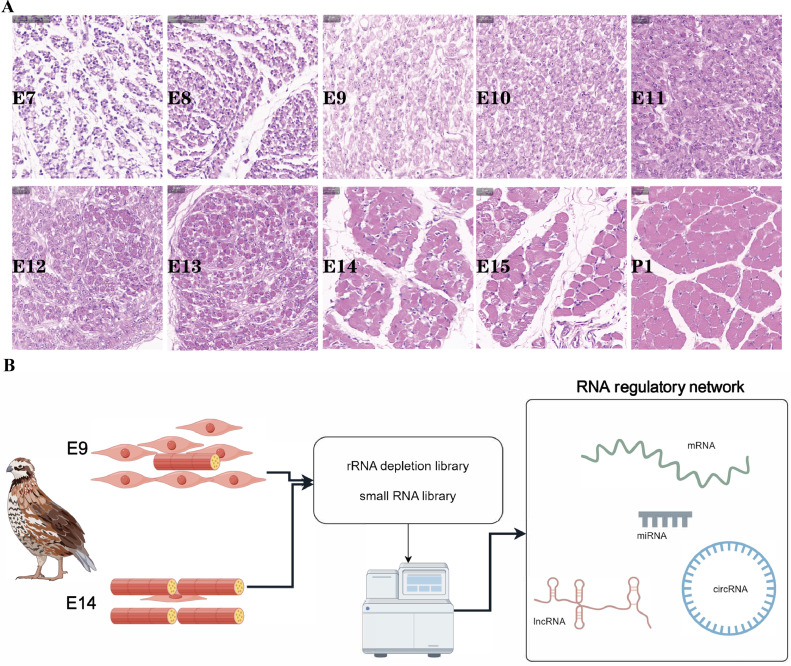
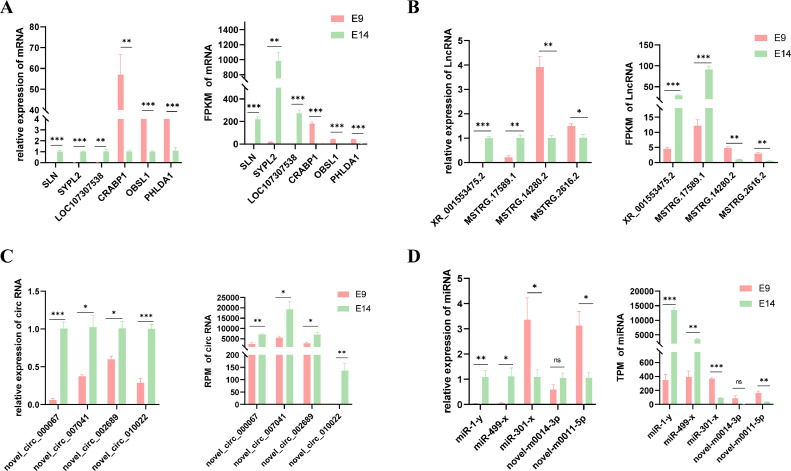
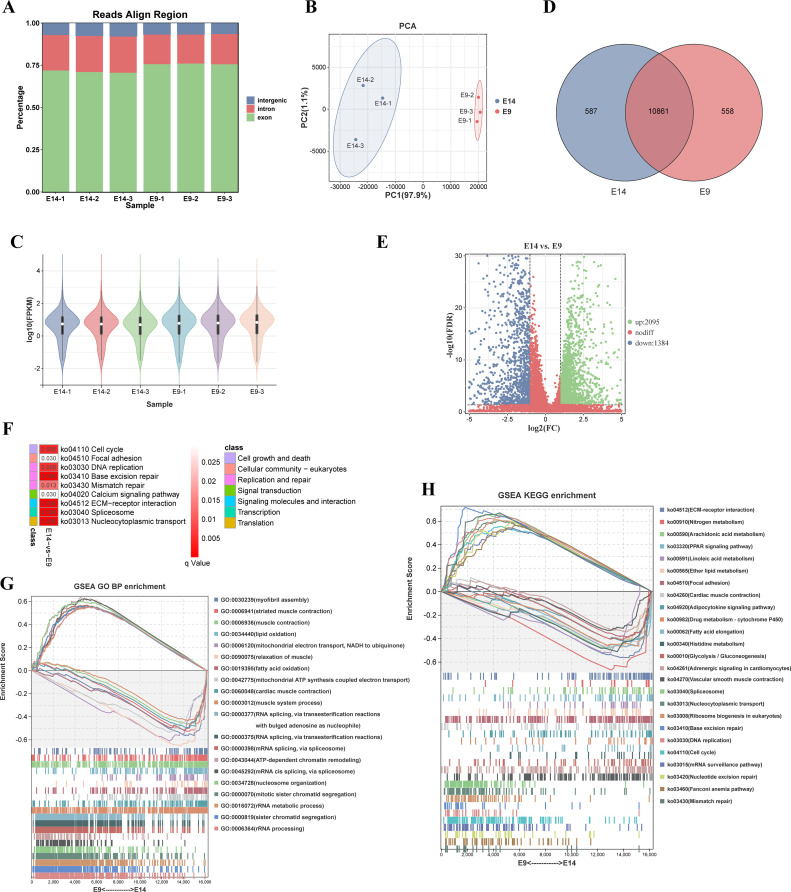
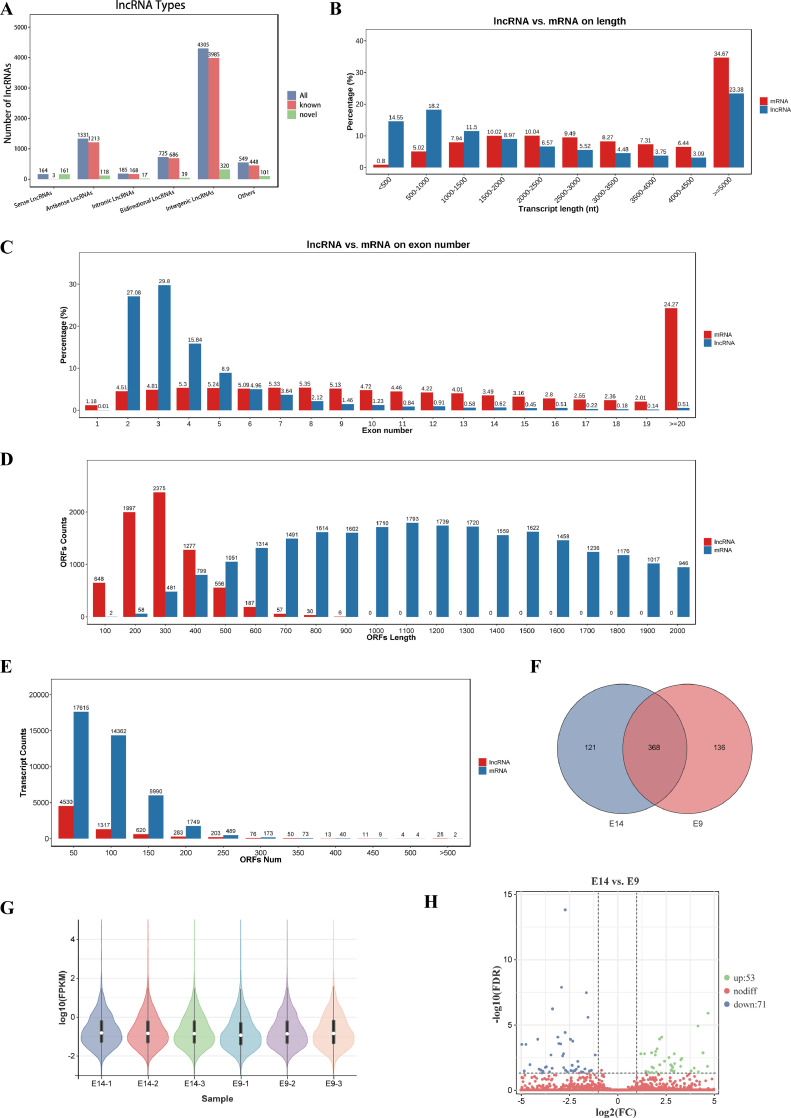
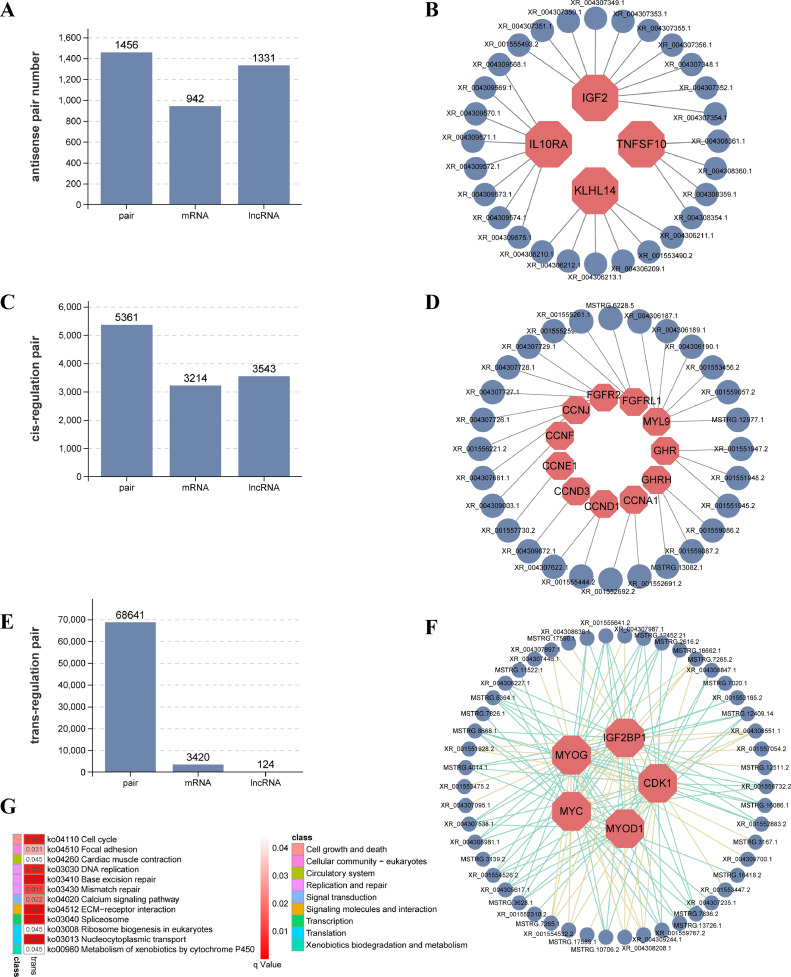
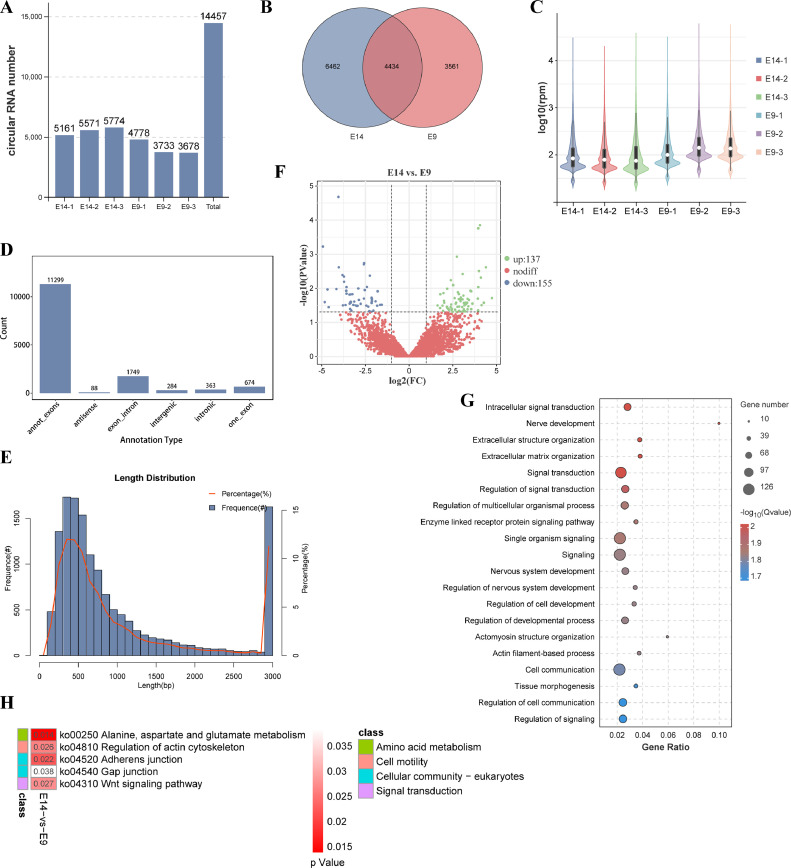
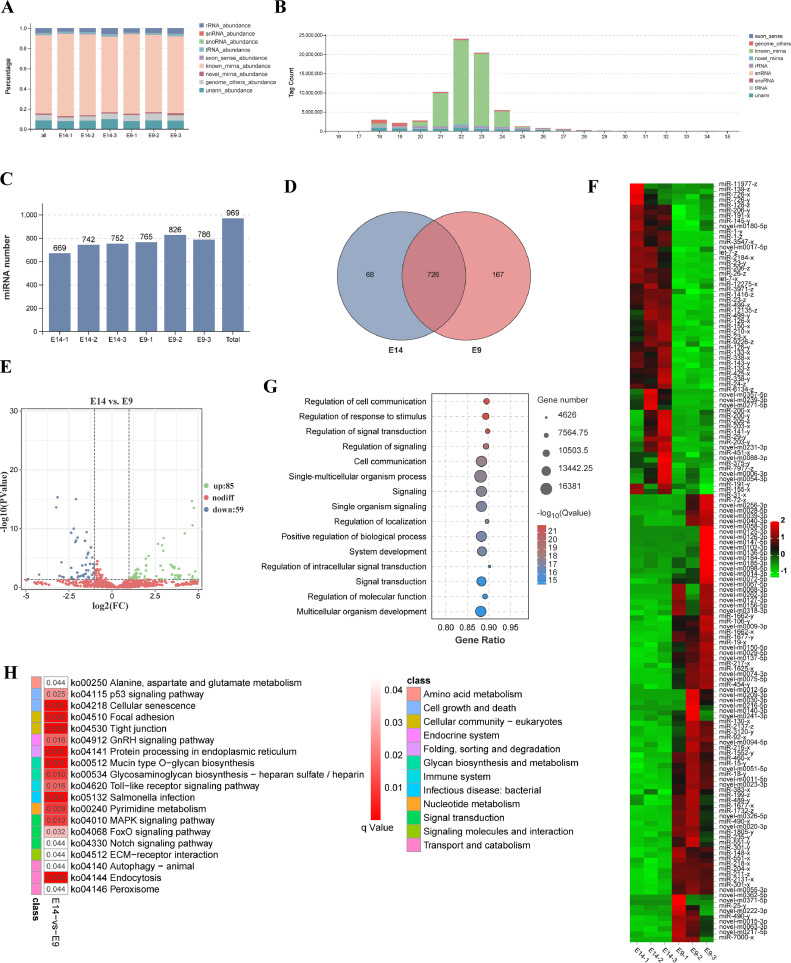
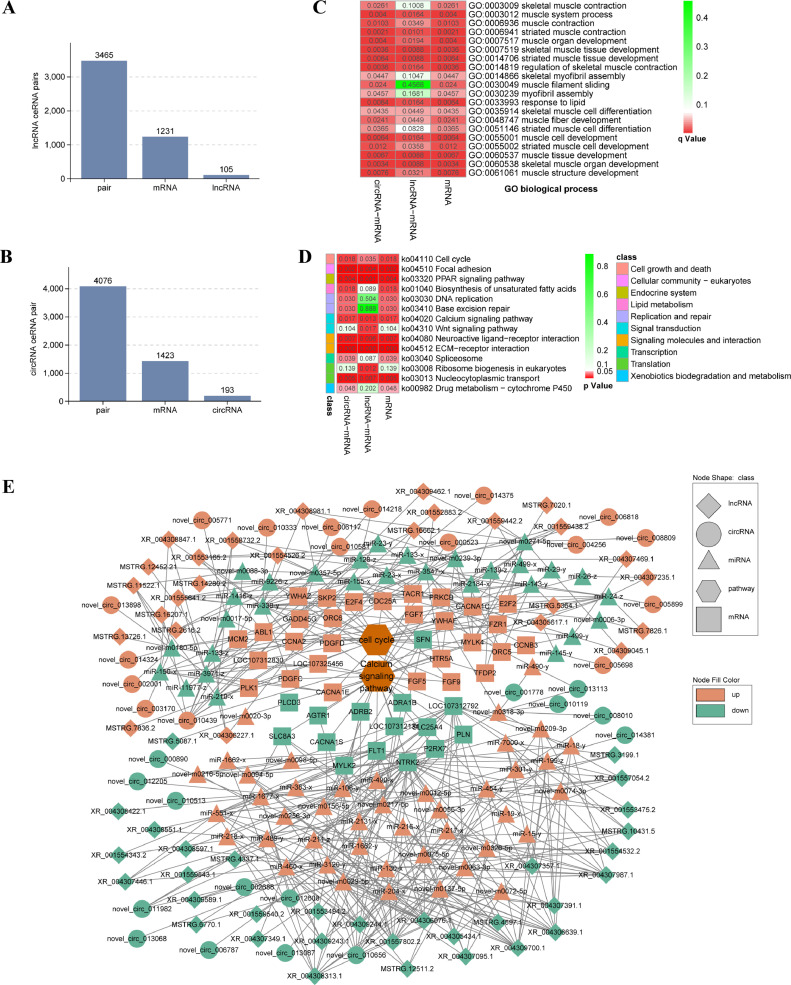
Quail, as an advantageous avian model organism due to its compact size and short reproductive cycle, holds substantial potential for enhancing our understanding of skeletal muscle development. The quantity of skeletal muscle represents a vital economic trait in poultry production. Unraveling the molecular mechanisms governing quail skeletal muscle development is of paramount importance for optimizing meat and egg yield through selective breeding programs. However, a comprehensive characterization of the regulatory dynamics and molecular control underpinning quail skeletal muscle development remains elusive. In this study, through the application of HE staining on quail leg muscle sections, coupled with preceding fluorescence quantification PCR of markers indicative of skeletal muscle differentiation, we have delineated embryonic day 9 (E9) and embryonic day 14 (E14) as the start and ending points, respectively, of quail skeletal muscle differentiation. Then, we employed whole transcriptome sequencing to investigate the temporal expression profiles of leg muscles in quail embryos at the initiation of differentiation (E9) and upon completion of differentiation (E14). Our analysis revealed the expression patterns of 12,012 genes, 625 lncRNAs, 14,457 circRNAs, and 969 miRNAs in quail skeletal muscle samples. Differential expression analysis between the E14 and E9 groups uncovered 3,479 differentially expressed mRNAs, 124 lncRNAs, 292 circRNAs, and 154 miRNAs. Furthermore, enrichment analysis highlighted the heightened activity of signaling pathways related to skeletal muscle metabolism and intermuscular fat formation, such as the ECM-receptor interaction, focal adhesion, and PPAR signaling pathway during E14 skeletal muscle development. Conversely, the E9 stage exhibited a prevalence of pathways associated with myoblast proliferation, exemplified by cell cycle processes. Additionally, we constructed regulatory networks encompassing lncRNA‒mRNA, miRNA‒mRNA, lncRNA‒miRNA-mRNA, and circRNA-miRNA‒mRNA interactions, thus shedding light on their putative roles within quail skeletal muscle. Collectively, our findings illuminate the gene and non-coding RNA expression characteristics during quail skeletal muscle development, serving as a foundation for future investigations into the regulatory mechanisms governing non-coding RNA and quail skeletal muscle development in poultry production.
鹌鹑作为一种具有体型小巧、繁殖周期短等优势的禽类模式生物,在深入理解骨骼肌发育方面具有巨大潜力。骨骼肌的数量是家禽生产中一个重要的经济性状。阐明调控鹌鹑骨骼肌发育的分子机制,对于通过选择性育种计划优化肉蛋产量具有重要意义。然而,全面描绘调控鹌鹑骨骼肌发育的动态和分子控制仍然难以实现。在这项研究中,我们通过对鹌鹑腿部肌肉切片进行 HE 染色,并结合荧光定量 PCR 检测骨骼肌分化标志物,明确了 E9 和 E14 天分别为鹌鹑骨骼肌分化的起始和结束时间。随后,我们采用全转录组测序技术,研究了分化起始(E9)和分化完成(E14)时鹌鹑胚胎腿部肌肉的时间表达谱。我们的分析揭示了 12012 个基因、625 个 lncRNA、14457 个 circRNA 和 969 个 miRNA 在鹌鹑骨骼肌样本中的表达模式。E14 组和 E9 组之间的差异表达分析揭示了 3479 个差异表达的 mRNA、124 个 lncRNA、292 个 circRNA 和 154 个 miRNA。此外,富集分析突出了 E14 骨骼肌发育过程中与骨骼肌代谢和肌间脂肪形成相关的信号通路的高度活跃性,如 ECM-受体相互作用、焦点粘连和 PPAR 信号通路。相反,E9 阶段表现出与成肌细胞增殖相关的途径占主导地位,如细胞周期过程。此外,我们构建了包含 lncRNA-mRNA、miRNA-mRNA、lncRNA-miRNA-mRNA 和 circRNA-miRNA-mRNA 相互作用的调控网络,从而揭示了它们在鹌鹑骨骼肌中的潜在作用。综上所述,我们的研究结果阐明了鹌鹑骨骼肌发育过程中的基因和非编码 RNA 表达特征,为进一步研究非编码 RNA 与禽类骨骼肌发育的调控机制提供了基础。