Guangzhou Institutes of Biomedicine and Health, Chinese Academy of Sciences, Guangzhou 510530, China; School of Life Sciences and Medicine, University of Science and Technology of China, Hefei 230026, China.
Guangzhou Institutes of Biomedicine and Health, Chinese Academy of Sciences, Guangzhou 510530, China.
Virol Sin. 2024 Apr;39(2):309-318. doi: 10.1016/j.virs.2024.03.001. Epub 2024 Mar 6.
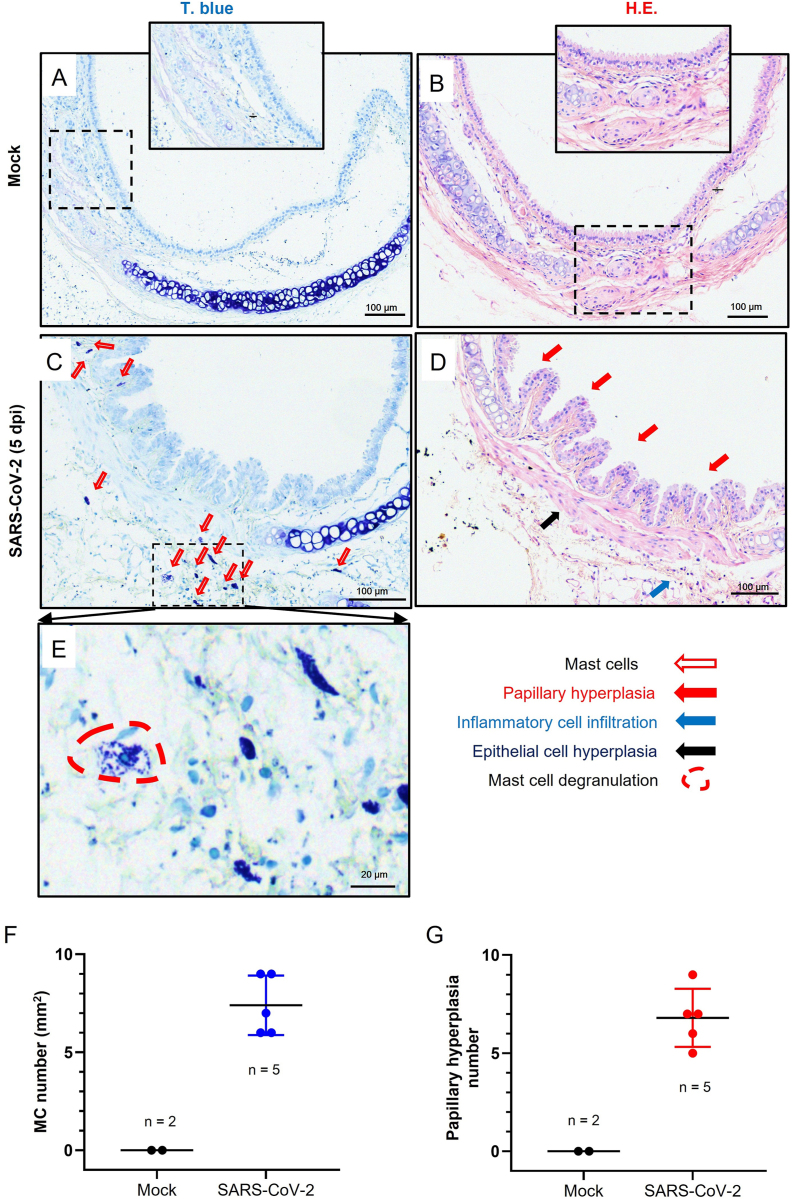
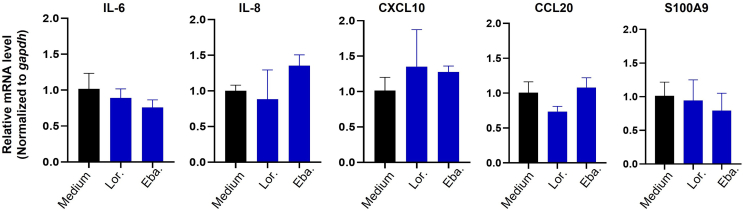
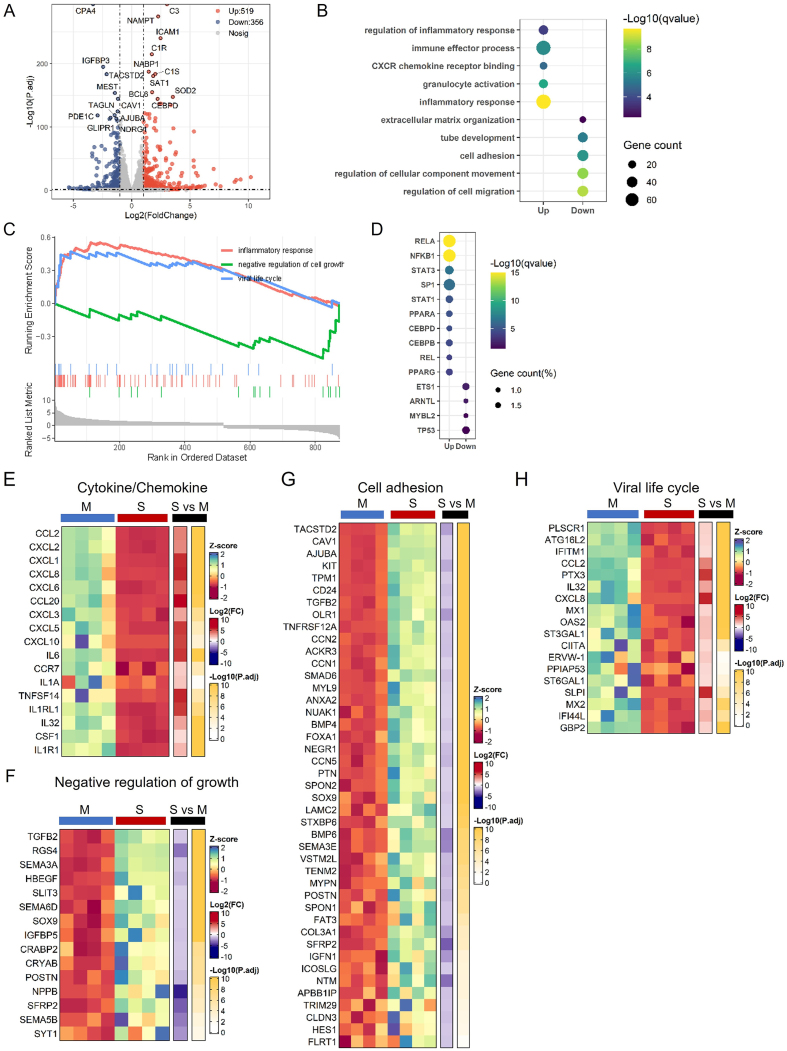
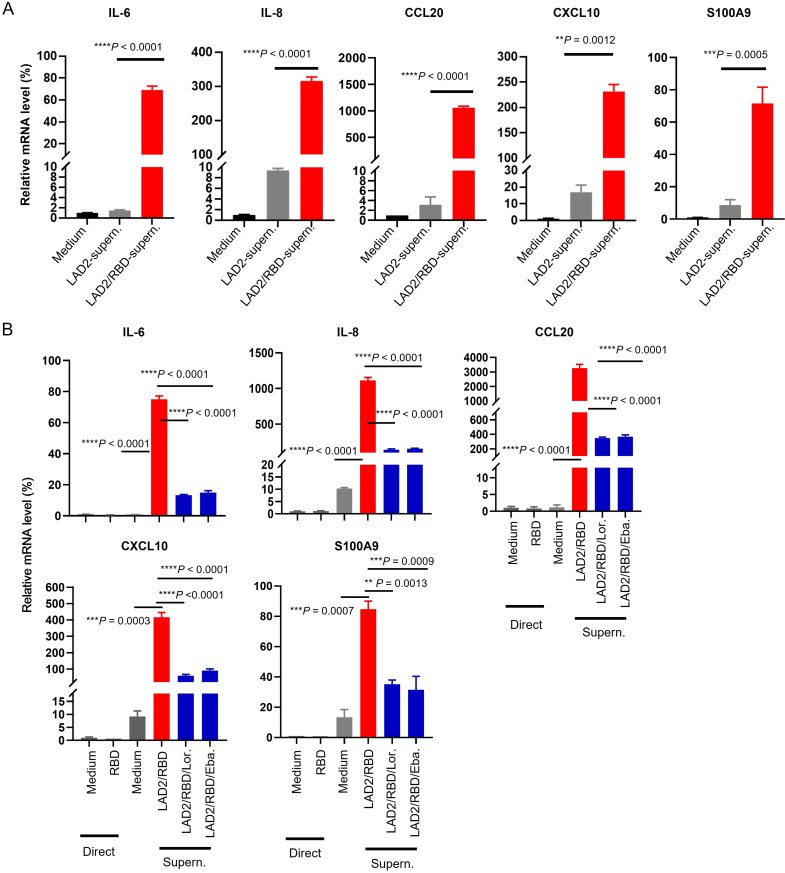
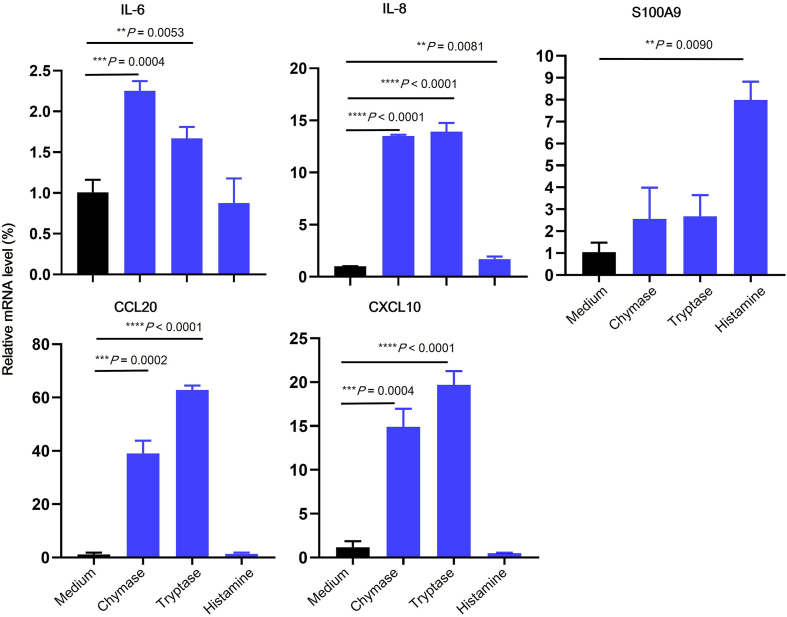
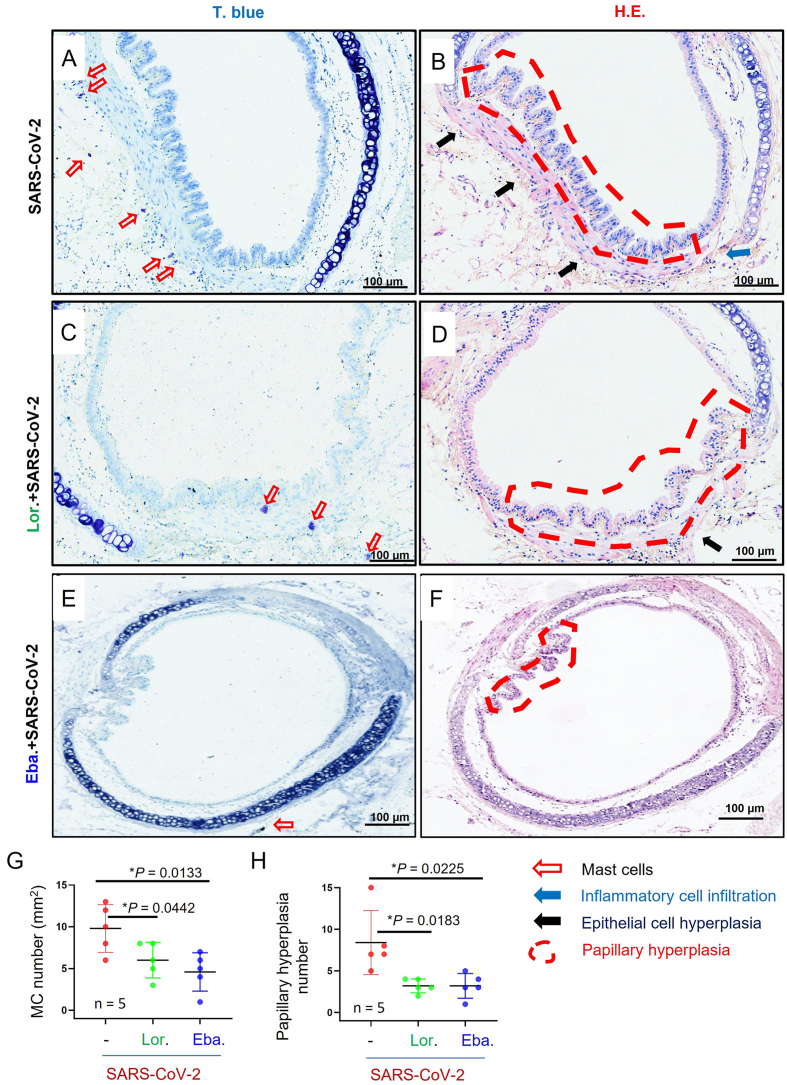
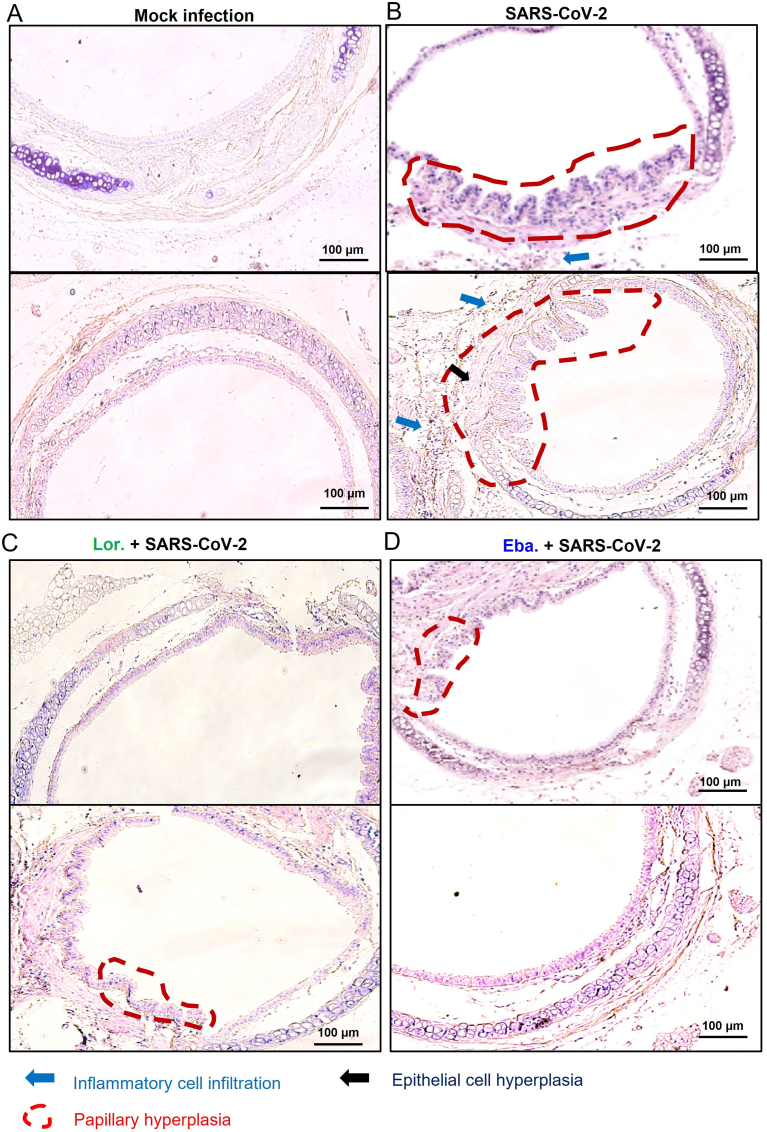
SARS-CoV-2 infection-induced hyper-inflammation is a key pathogenic factor of COVID-19. Our research, along with others', has demonstrated that mast cells (MCs) play a vital role in the initiation of hyper-inflammation caused by SARS-CoV-2. In previous study, we observed that SARS-CoV-2 infection induced the accumulation of MCs in the peri-bronchus and bronchioalveolar-duct junction in humanized mice. Additionally, we found that MC degranulation triggered by the spike protein resulted in inflammation in alveolar epithelial cells and capillary endothelial cells, leading to subsequent lung injury. The trachea and bronchus are the routes for SARS-CoV-2 transmission after virus inhalation, and inflammation in these regions could promote viral spread. MCs are widely distributed throughout the respiratory tract. Thus, in this study, we investigated the role of MCs and their degranulation in the development of inflammation in tracheal-bronchial epithelium. Histological analyses showed the accumulation and degranulation of MCs in the peri-trachea of humanized mice infected with SARS-CoV-2. MC degranulation caused lesions in trachea, and the formation of papillary hyperplasia was observed. Through transcriptome analysis in bronchial epithelial cells, we found that MC degranulation significantly altered multiple cellular signaling, particularly, leading to upregulated immune responses and inflammation. The administration of ebastine or loratadine effectively suppressed the induction of inflammatory factors in bronchial epithelial cells and alleviated tracheal injury in mice. Taken together, our findings confirm the essential role of MC degranulation in SARS-CoV-2-induced hyper-inflammation and the subsequent tissue lesions. Furthermore, our results support the use of ebastine or loratadine to inhibit SARS-CoV-2-triggered degranulation, thereby preventing tissue damage caused by hyper-inflammation.
SARS-CoV-2 感染引起的过度炎症是 COVID-19 的一个关键发病因素。我们的研究以及其他研究表明,肥大细胞(MCs)在 SARS-CoV-2 引起的过度炎症的启动中起着至关重要的作用。在之前的研究中,我们观察到 SARS-CoV-2 感染诱导人源化小鼠的支气管周围和细支气管-肺泡导管交界处的 MC 聚集。此外,我们发现,刺突蛋白引发的 MC 脱颗粒导致肺泡上皮细胞和毛细血管内皮细胞的炎症,进而导致随后的肺损伤。气管和支气管是病毒吸入后 SARS-CoV-2 传播的途径,这些区域的炎症可能会促进病毒的传播。MC 广泛分布于整个呼吸道。因此,在这项研究中,我们研究了 MC 及其脱颗粒在气管-支气管上皮炎症发展中的作用。组织学分析显示,感染 SARS-CoV-2 的人源化小鼠的气管周围有 MC 的聚集和脱颗粒。MC 脱颗粒导致气管损伤,观察到乳头增生的形成。通过对支气管上皮细胞的转录组分析,我们发现 MC 脱颗粒显著改变了多种细胞信号通路,特别是导致免疫反应和炎症的上调。依巴斯汀或氯雷他定的给药有效抑制了支气管上皮细胞中炎症因子的诱导,并缓解了小鼠的气管损伤。总之,我们的研究结果证实了 MC 脱颗粒在 SARS-CoV-2 诱导的过度炎症及其随后的组织损伤中的关键作用。此外,我们的研究结果支持使用依巴斯汀或氯雷他定抑制 SARS-CoV-2 触发的脱颗粒,从而防止由过度炎症引起的组织损伤。