College of Life Science, Henan Normal University, Xinxiang, Henan 453007, China.
Guangzhou Institutes of Biomedicine and Health, Chinese Academy of Sciences, Guangzhou, Guangdong 510530, China.
Zool Res. 2022 May 18;43(3):457-468. doi: 10.24272/j.issn.2095-8137.2021.469.
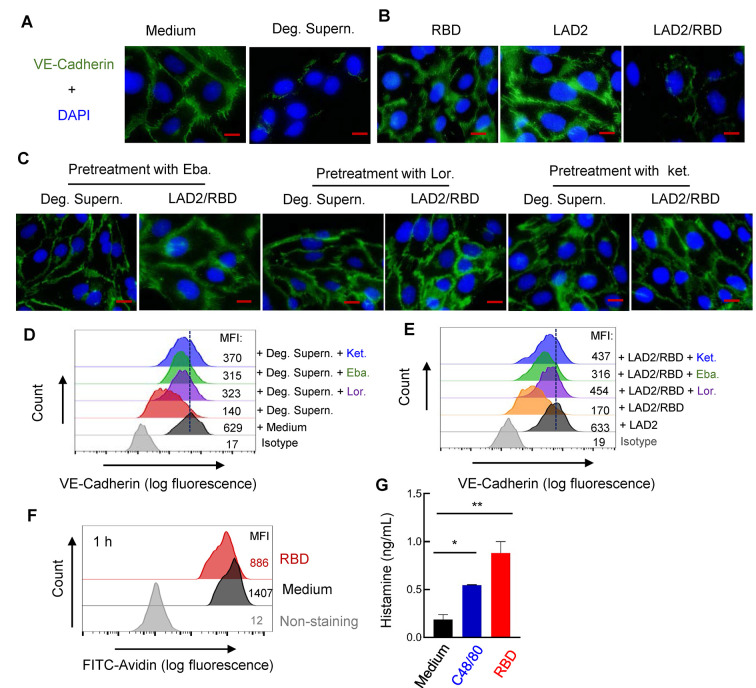
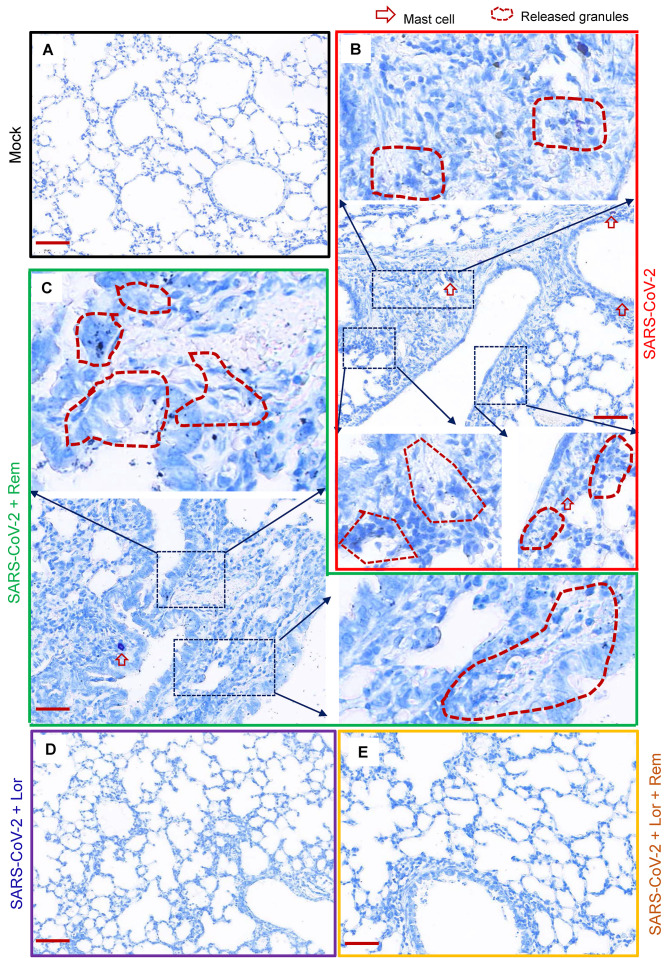
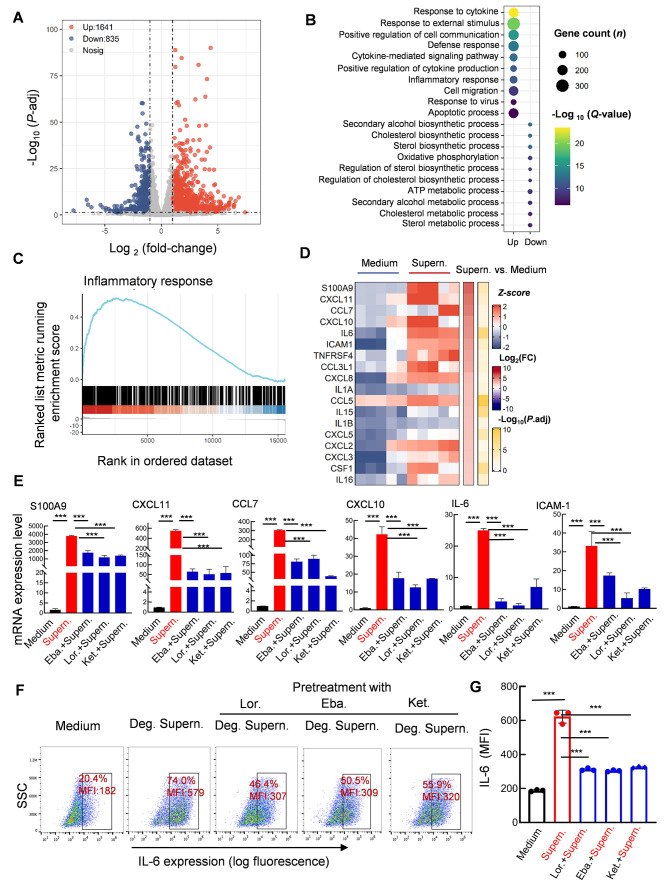
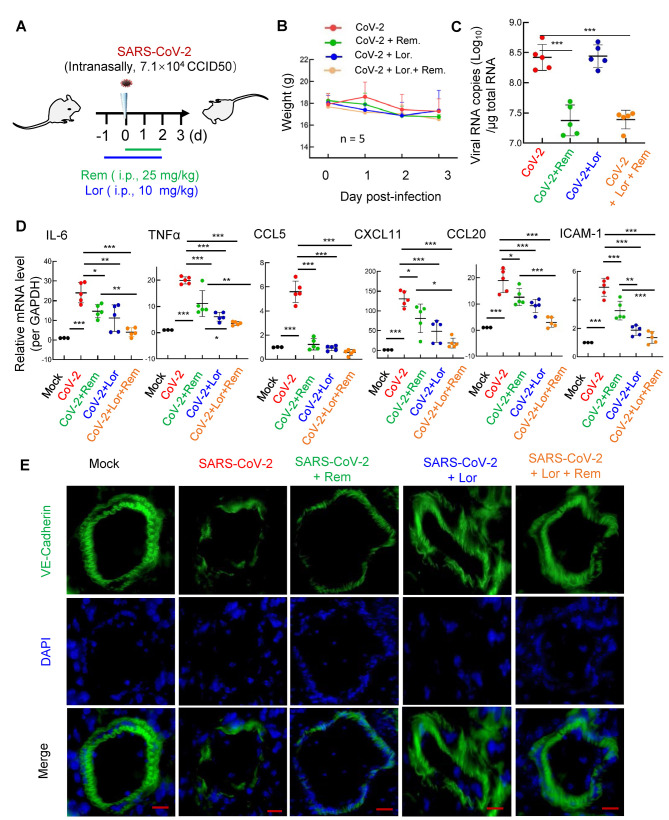
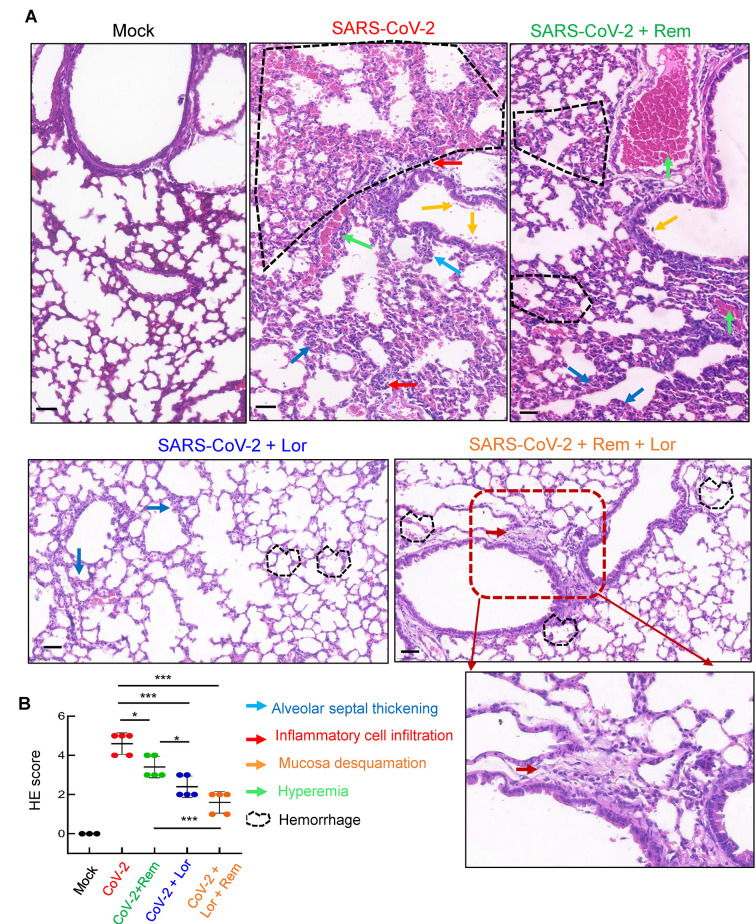
COVID-19 is an immune-mediated inflammatory disease caused by SARS-CoV-2 infection, the combination of anti-inflammatory and antiviral therapy is predicted to provide clinical benefits. We recently demonstrated that mast cells (MCs) are an essential mediator of SARS-CoV-2-initiated hyperinflammation. We also showed that spike protein-induced MC degranulation initiates alveolar epithelial inflammation for barrier disruption and suggested an off-label use of antihistamines as MC stabilizers to block degranulation and consequently suppress inflammation and prevent lung injury. In this study, we emphasized the essential role of MCs in SARS-CoV-2-induced lung lesions , and demonstrated the benefits of co-administration of antihistamines and antiviral drug remdesivir in SARS-CoV-2-infected mice. Specifically, SARS-CoV-2 spike protein-induced MC degranulation resulted in alveolar-capillary injury, while pretreatment of pulmonary microvascular endothelial cells with antihistamines prevented adhesion junction disruption; predictably, the combination of antiviral drug remdesivir with the antihistamine loratadine, a histamine receptor 1 (HR1) antagonist, dampened viral replication and inflammation, thereby greatly reducing lung injury. Our findings emphasize the crucial role of MCs in SARS-CoV-2-induced inflammation and lung injury and provide a feasible combination antiviral and anti-inflammatory therapy for COVID-19 treatment.
新型冠状病毒病(COVID-19)是由 SARS-CoV-2 感染引起的免疫介导的炎症性疾病,抗炎和抗病毒疗法的联合应用预计将提供临床获益。我们最近证明,肥大细胞(MCs)是 SARS-CoV-2 引发的过度炎症的重要介质。我们还表明,刺突蛋白诱导的 MC 脱颗粒引发肺泡上皮炎症,导致屏障破坏,并提示抗组胺药作为 MC 稳定剂的非适应证使用,以阻断脱颗粒,从而抑制炎症和预防肺损伤。在这项研究中,我们强调了 MCs 在 SARS-CoV-2 诱导的肺损伤中的重要作用,并证明了在 SARS-CoV-2 感染的小鼠中联合使用抗组胺药和抗病毒药物瑞德西韦的益处。具体而言,SARS-CoV-2 刺突蛋白诱导的 MC 脱颗粒导致肺泡毛细血管损伤,而用抗组胺药预处理肺微血管内皮细胞可防止黏附连接的破坏;可以预见的是,抗病毒药物瑞德西韦与抗组胺药氯雷他定(HR1 拮抗剂)联合使用,可抑制病毒复制和炎症,从而大大减轻肺损伤。我们的研究结果强调了 MCs 在 SARS-CoV-2 诱导的炎症和肺损伤中的关键作用,并为 COVID-19 治疗提供了一种可行的联合抗病毒和抗炎治疗方法。