Department of Oncology and State Key Laboratory of Systems Medicine for Cancer of Shanghai Cancer Institute, Renji Hospital, School of Medicine, Shanghai Jiaotong University, Shanghai, 200127, China.
Department of Medical Oncology, Shanghai Medical College, Fudan University Shanghai Cancer Center, Fudan University, Shanghai, 200032, People's Republic of China.
Mol Cancer. 2024 Mar 8;23(1):48. doi: 10.1186/s12943-024-01965-5.
Pancreatic adenocarcinoma (PC) is an aggressive malignancy with limited treatment options. The poor prognosis primarily stems from late-stage diagnosis and when the disease has become therapeutically challenging. There is an urgent need to identify specific biomarkers for cancer subtyping and early detection to enhance both morbidity and mortality outcomes. The addition of the EGFR tyrosine kinase inhibitor (TKI), erlotinib, to gemcitabine chemotherapy for the first-line treatment of patients with advanced pancreatic cancer slightly improved outcomes. However, restricted clinical benefits may be linked to the absence of well-characterized criteria for stratification and dependable biomarkers for the prediction of treatment effectiveness.
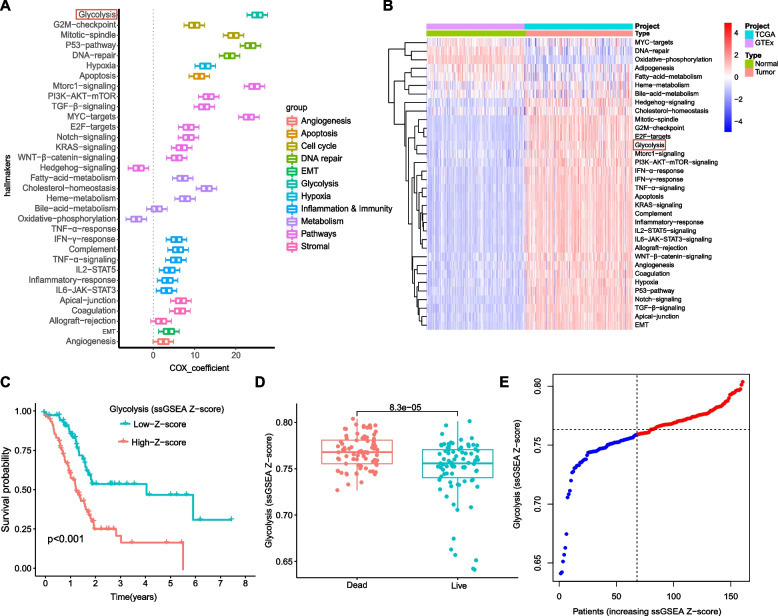
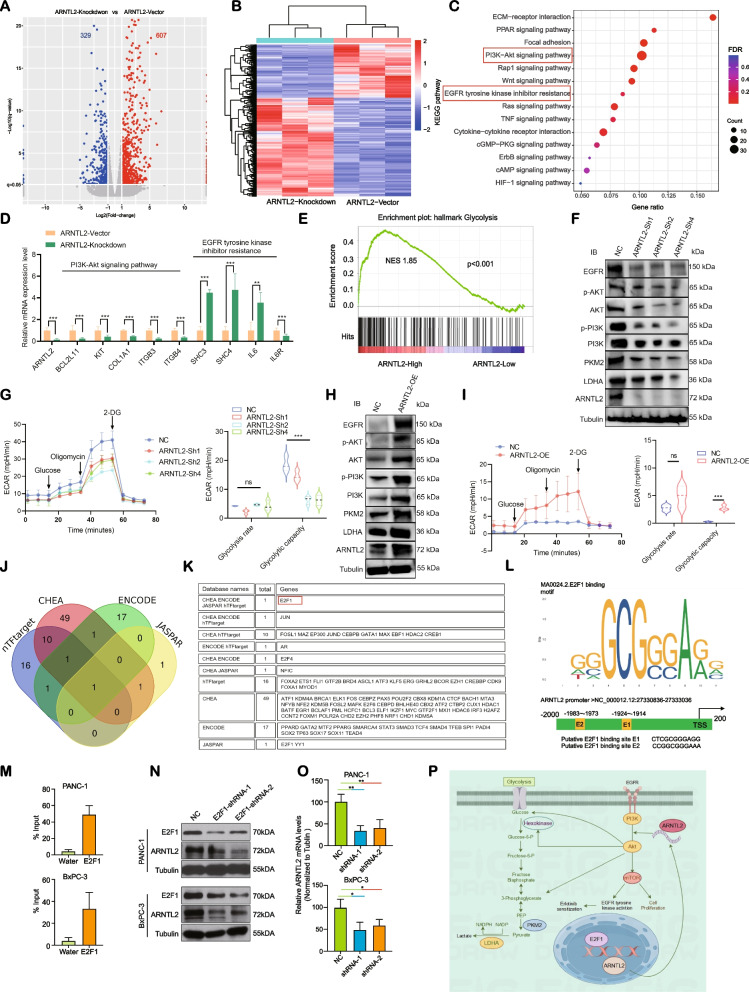
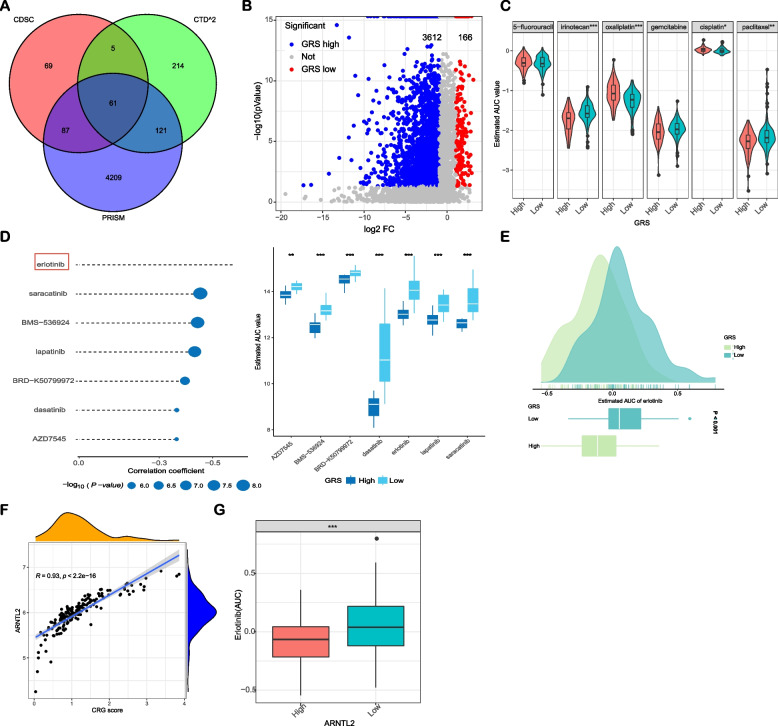
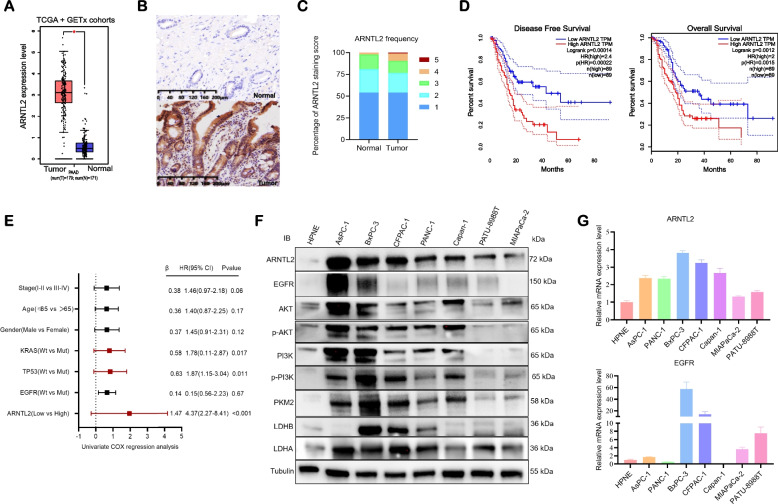
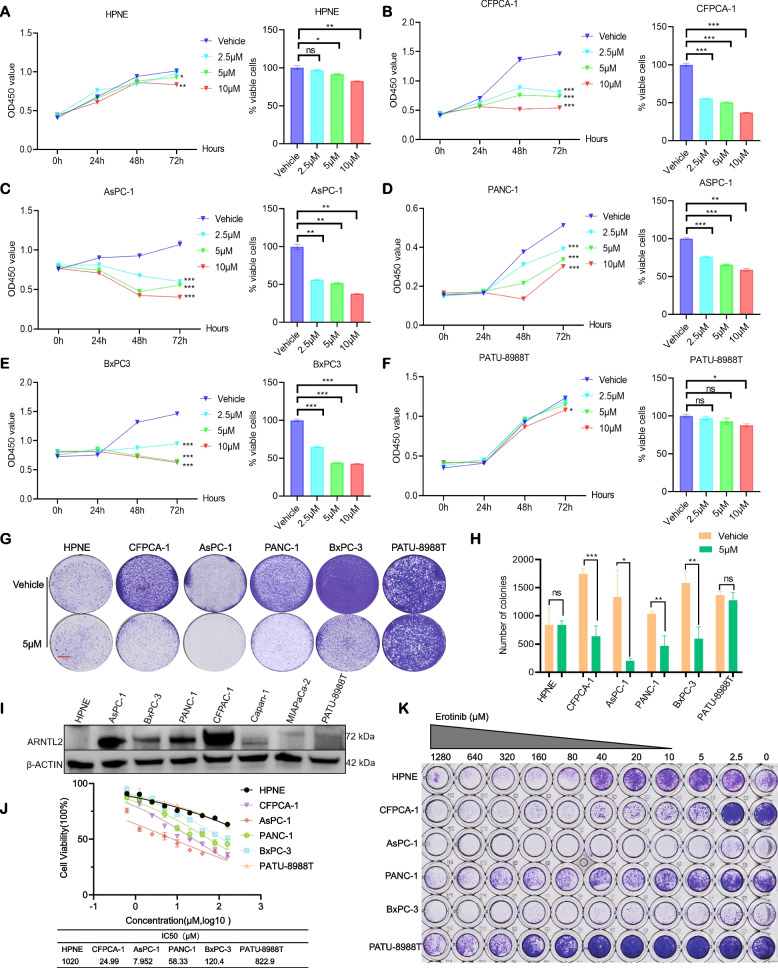
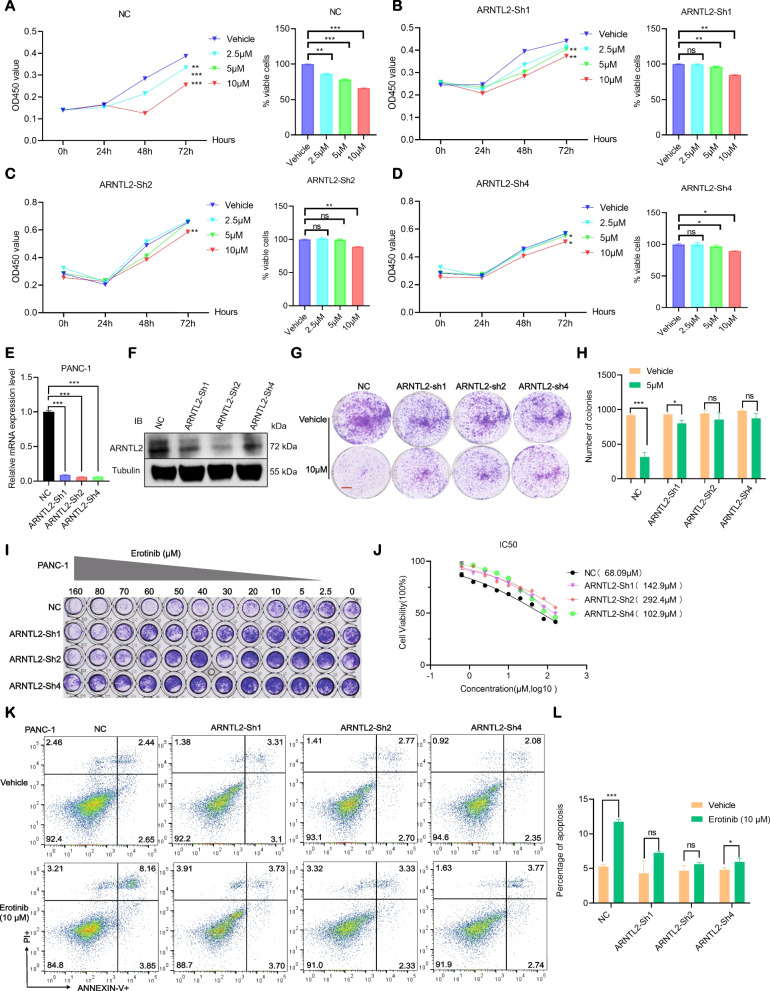
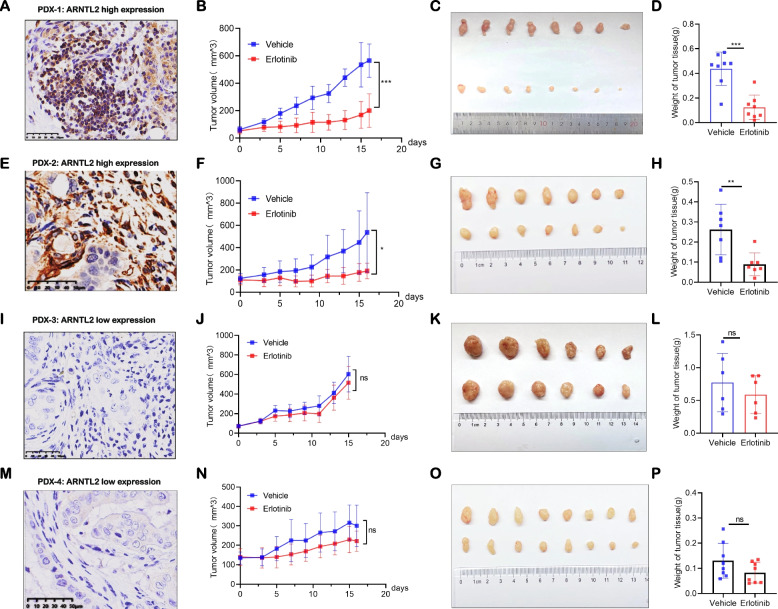
We examined the levels of various cancer hallmarks and identified glycolysis as the primary risk factor for overall survival in PC. Subsequently, we developed a glycolysis-related score (GRS) model to accurately distinguish PC patients with high GRS. Through in silico screening of 4398 compounds, we discovered that erlotinib had the strongest therapeutic benefits for high-GRS PC patients. Furthermore, we identified ARNTL2 as a novel prognostic biomarker and a predictive factor for erlotinib treatment responsiveness in patients with PC. Inhibition of ARNTL2 expression reduced the therapeutic efficacy, whereas increased expression of ARNTL2 improved PC cell sensitivity to erlotinib. Validation in vivo using patient-derived xenografts (PDX-PC) with varying ARNTL2 expression levels demonstrated that erlotinib monotherapy effectively halted tumor progression in PDX-PC models with high ARNTL2 expression. In contrast, PDX-PC models lacking ARNTL2 did not respond favorably to erlotinib treatment. Mechanistically, we demonstrated that the ARNTL2/E2F1 axis-mediated cellular glycolysis sensitizes PC cells to erlotinib treatment by activating the PI3K/AKT signaling pathway.
Our investigations have identified ARNTL2 as a novel prognostic biomarker and predictive indicator of sensitivity. These results will help to identify erlotinib-responsive cases of PC and improve treatment outcomes. These findings contribute to the advancement of precision oncology, enabling more accurate and targeted therapeutic interventions.
胰腺导管腺癌(PC)是一种侵袭性恶性肿瘤,治疗选择有限。预后不良主要源于晚期诊断和治疗挑战性疾病。迫切需要鉴定癌症亚型和早期检测的特定生物标志物,以提高发病率和死亡率。表皮生长因子受体酪氨酸激酶抑制剂(TKI)厄洛替尼联合吉西他滨化疗作为晚期胰腺癌的一线治疗,使结果略有改善。然而,临床获益有限可能与分层的特征不够明确以及治疗效果预测的可靠生物标志物缺乏有关。
我们检查了各种癌症特征标志物的水平,发现糖酵解是 PC 患者总生存期的主要危险因素。随后,我们开发了一个糖酵解相关评分(GRS)模型,能够准确区分高 GRS 的 PC 患者。通过对 4398 种化合物进行计算机筛选,我们发现厄洛替尼对高 GRS PC 患者具有最强的治疗益处。此外,我们确定 ARNTL2 是 PC 的一种新的预后生物标志物和厄洛替尼治疗反应的预测因子。抑制 ARNTL2 的表达降低了治疗效果,而增加 ARNTL2 的表达则提高了 PC 细胞对厄洛替尼的敏感性。使用具有不同 ARNTL2 表达水平的患者来源异种移植(PDX-PC)进行体内验证表明,厄洛替尼单药治疗可有效阻止高 ARNTL2 表达的 PDX-PC 模型中的肿瘤进展。相比之下,缺乏 ARNTL2 的 PDX-PC 模型对厄洛替尼治疗反应不佳。从机制上讲,我们证明了 ARNTL2/E2F1 轴介导的细胞糖酵解通过激活 PI3K/AKT 信号通路使 PC 细胞对厄洛替尼治疗敏感。
我们的研究将 ARNTL2 确定为一种新的预后生物标志物和敏感性预测指标。这些结果将有助于鉴定对厄洛替尼有反应的 PC 病例,并改善治疗结果。这些发现有助于推进精准肿瘤学,实现更准确和有针对性的治疗干预。