
一种基于铜死亡和二硫键化死亡相关基因的肺腺癌预后模型,揭示了弗林蛋白酶(FURIN)的关键预后作用。
A prognostic model for lung adenocarcinoma based on cuproptosis and disulfidptosis related genes revealing the key prognostic role of FURIN.
作者信息
You Jianhang, Yu Qing, Chen Ronghui, Li Jianlin, Zhao Tao, Lu Zhong
机构信息
School of Clinical Medicine, Shandong Second Medical University, Weifang, 261053, China.
Clinical Oncology School of Fujian Medical University, Fujian Cancer Hospital (Fujian Branch of Fudan University Shanghai Cancer Center), Fuzhou, 350000, China.
出版信息
Sci Rep. 2025 Feb 19;15(1):6057. doi: 10.1038/s41598-025-90653-5.
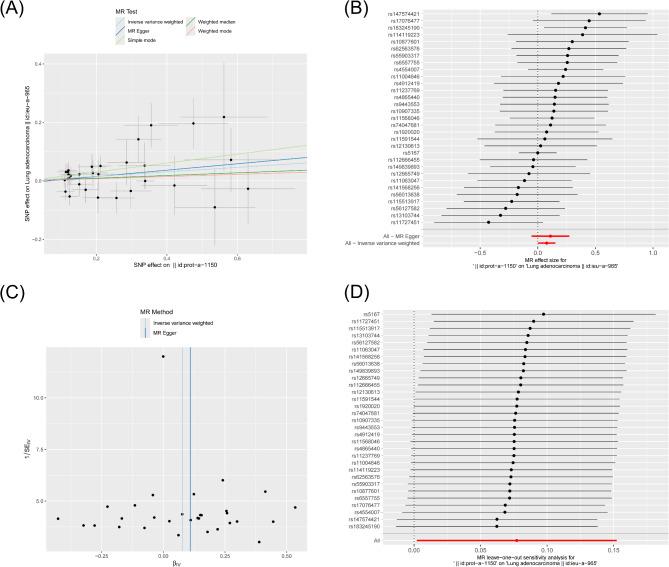
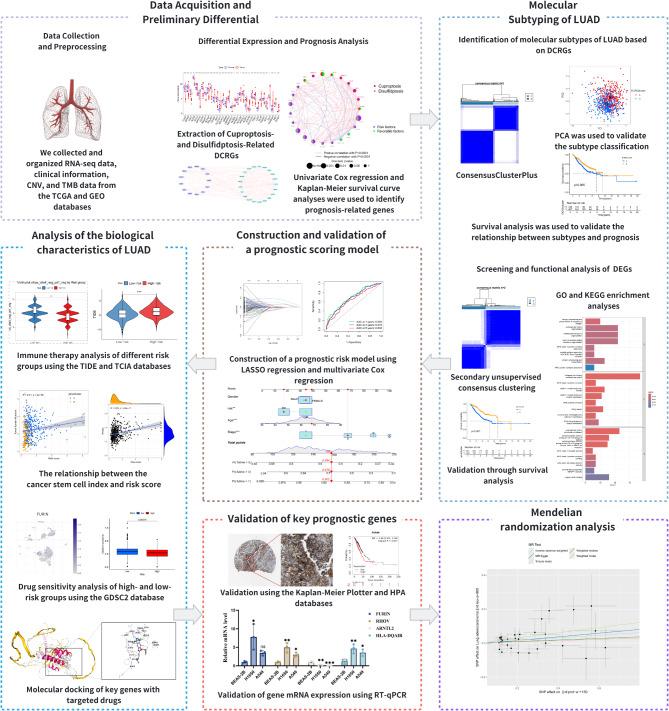
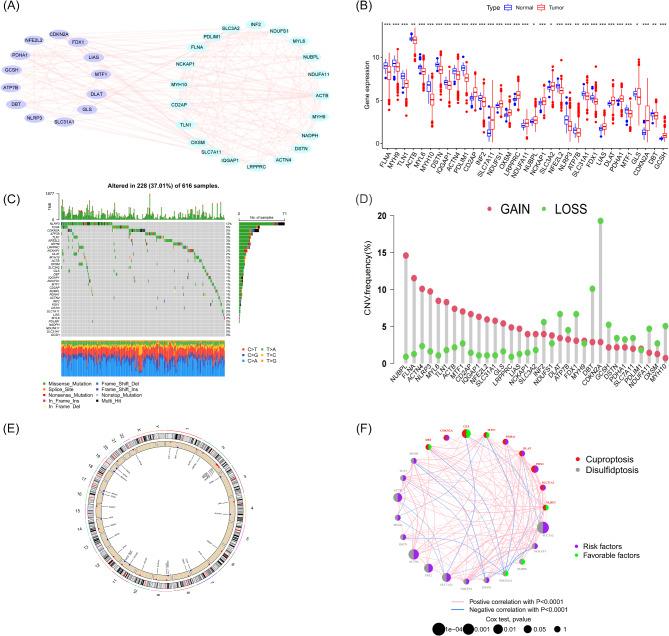
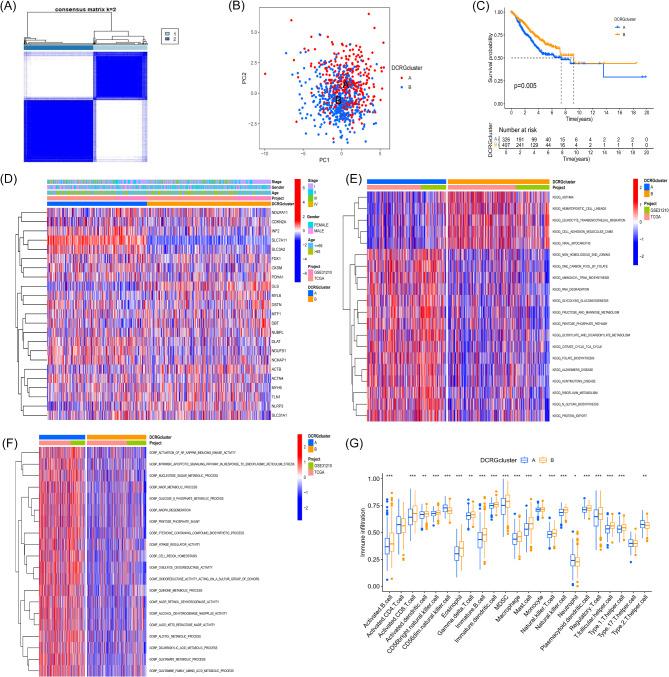
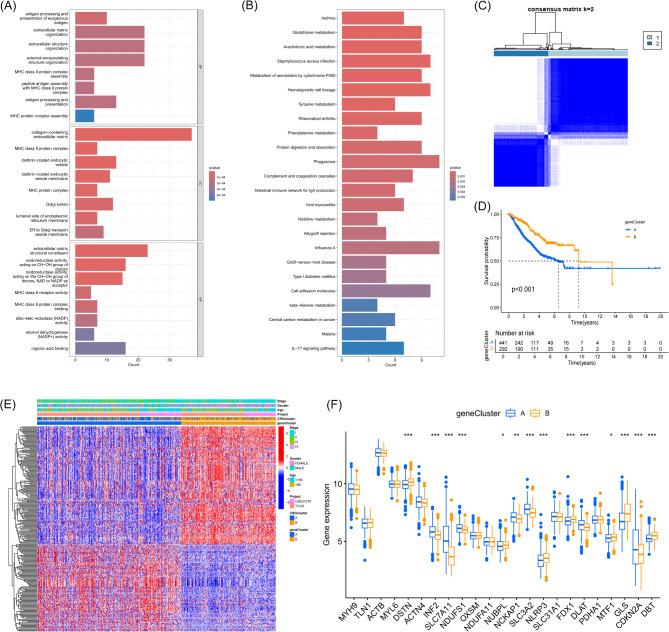
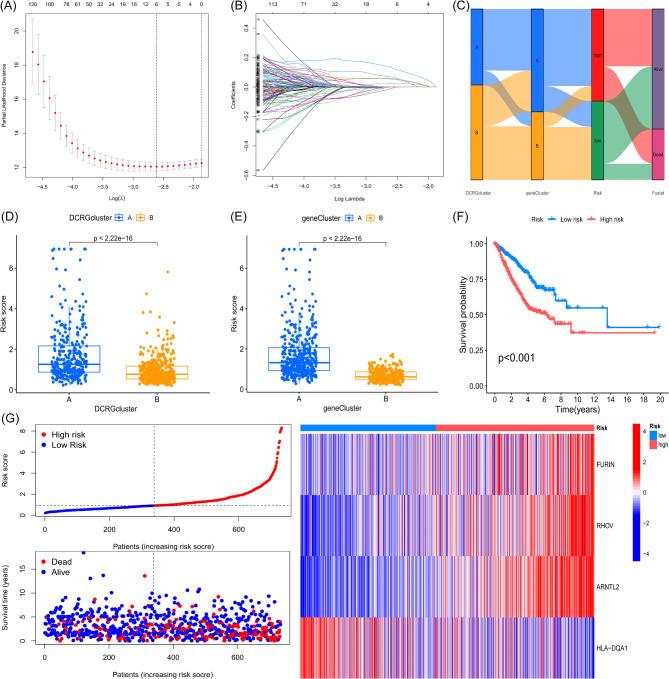
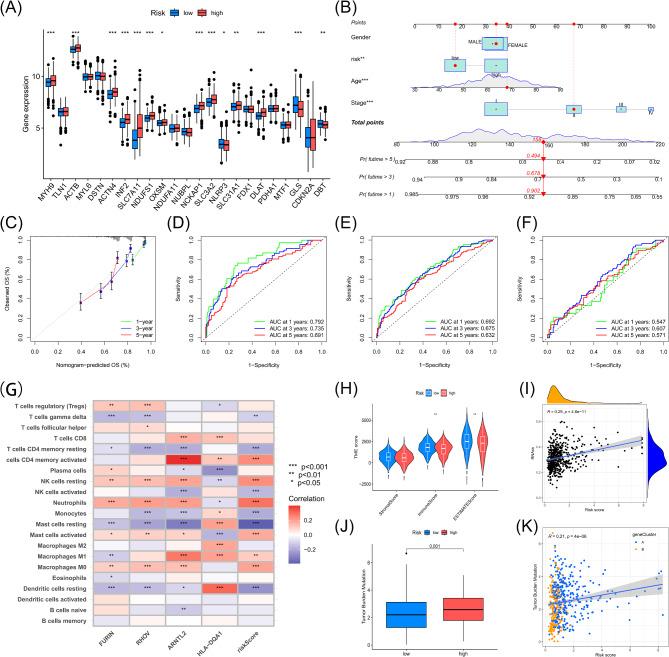
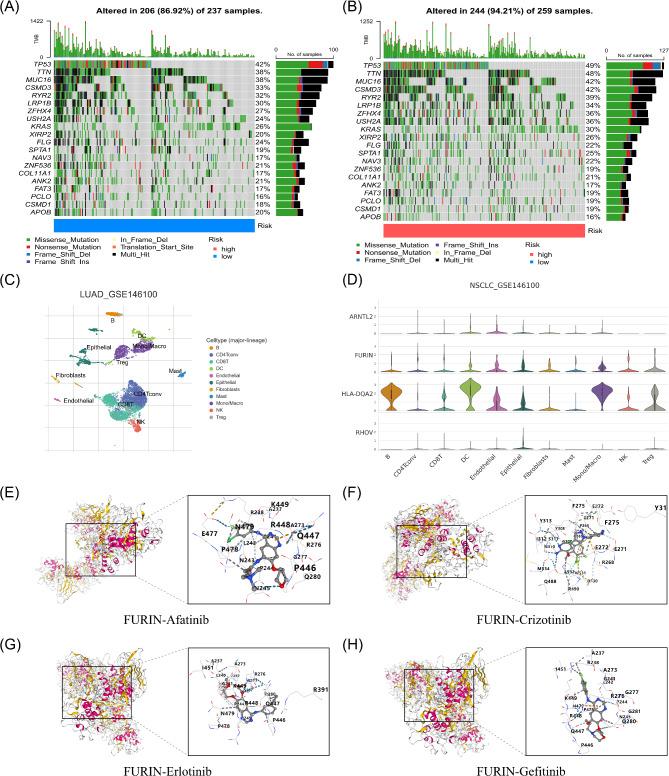
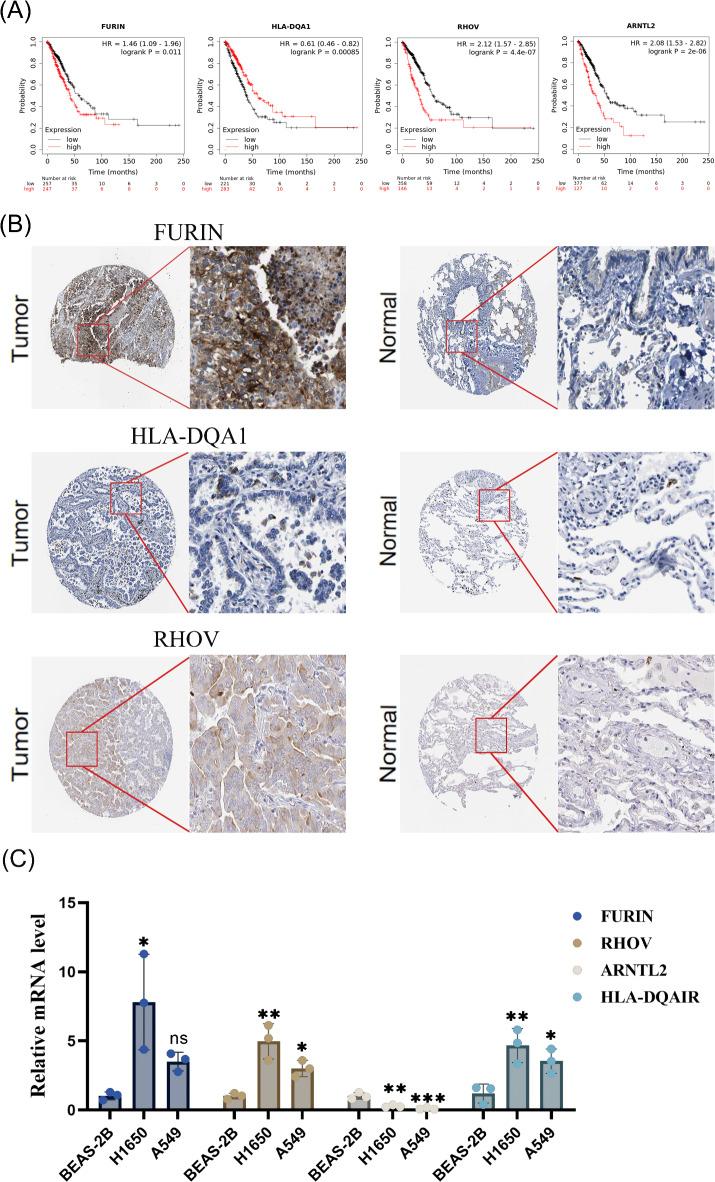
Lung adenocarcinoma (LUAD) is the most common subtype of lung cancer. Despite advances in treatment, the prognosis remains poor due to late diagnosis. Cuproptosis (driven by copper ion accumulation) and disulfidptosis (driven by disulfide bond accumulation) are novel forms of programmed cell death, closely linked to tumor initiation, progression, and resistance. However, the specific roles of these mechanisms in LUAD remain inadequately studied. This study integrated multi-omics data from TCGA and GEO databases to systematically evaluate the differential expression and prognostic significance of copper and disulfide-related genes (DCRGs), identify two DCRG molecular subtypes, and construct a DCRG scoring model based on four key genes. Multi-omics analysis results revealed that the DCRG score not only accurately predicts prognosis in LUAD patients but is also closely associated with immune cell infiltration patterns and EGFR inhibitor responses. RT-qPCR validated the high expression of FURIN and RHOV in LUAD cells, supporting their role as potential therapeutic targets. Further Mendelian randomization analysis confirmed the causal relationship between FURIN and LUAD development. These findings provide novel biomarkers for the prognosis evaluation of LUAD based on cuproptosis and disulfidptosis mechanisms and offer a theoretical basis for targeting FURIN in LUAD treatment.
肺腺癌(LUAD)是肺癌最常见的亚型。尽管治疗取得了进展,但由于诊断较晚,预后仍然很差。铜死亡(由铜离子积累驱动)和二硫键化死亡(由二硫键积累驱动)是程序性细胞死亡的新形式,与肿瘤的发生、发展和耐药性密切相关。然而,这些机制在LUAD中的具体作用仍未得到充分研究。本研究整合了来自TCGA和GEO数据库的多组学数据,系统评估铜和二硫键相关基因(DCRG)的差异表达和预后意义,识别出两种DCRG分子亚型,并基于四个关键基因构建了DCRG评分模型。多组学分析结果显示,DCRG评分不仅能准确预测LUAD患者的预后,还与免疫细胞浸润模式和EGFR抑制剂反应密切相关。RT-qPCR验证了FURIN和RHOV在LUAD细胞中的高表达,支持它们作为潜在治疗靶点的作用。进一步的孟德尔随机化分析证实了FURIN与LUAD发生之间的因果关系。这些发现为基于铜死亡和二硫键化死亡机制的LUAD预后评估提供了新的生物标志物,并为LUAD治疗中靶向FURIN提供了理论依据。
 Zotero 插件