Department of Bioengineering and Biotechnology, Institute of Chemical Engineering, Huaqiao University, Xiamen, Fujian, 361021, China.
Fujian Provincial Key Laboratory of new target drugs (Xiamen University), School of Pharmaceutical Sciences, Xiamen University, Xiamen, 361021, China.
Anticancer Agents Med Chem. 2024;24(10):764-772. doi: 10.2174/0118715206286612240303172230.
Tabersonine, a natural indole alkaloid derived from Apocynaceae plants, exhibits antiinflammatory and acetylcholinesterase inhibitory activities, among other pharmacological effects. However, its anti-tumor properties and the underlying molecular mechanisms remain underexplored.
The present study aims to investigate the anti-tumor effects of tabersonine and its mechanisms in inducing apoptosis in hepatocellular carcinoma.
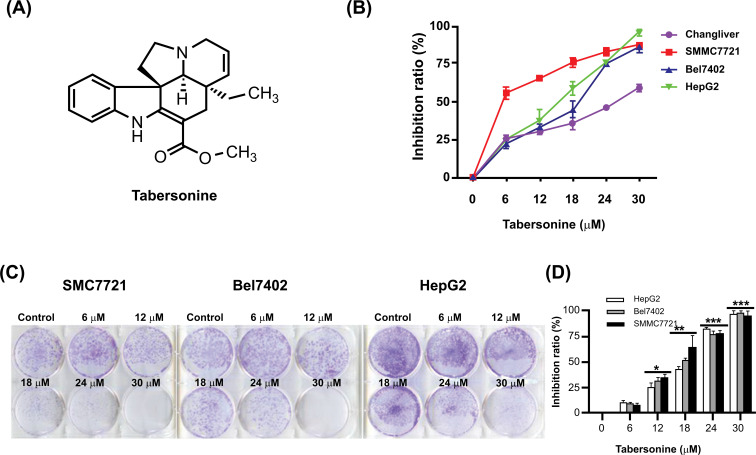
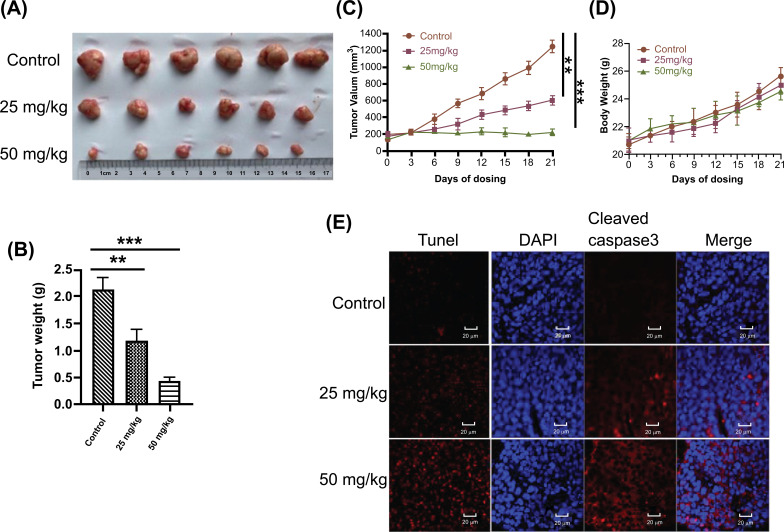
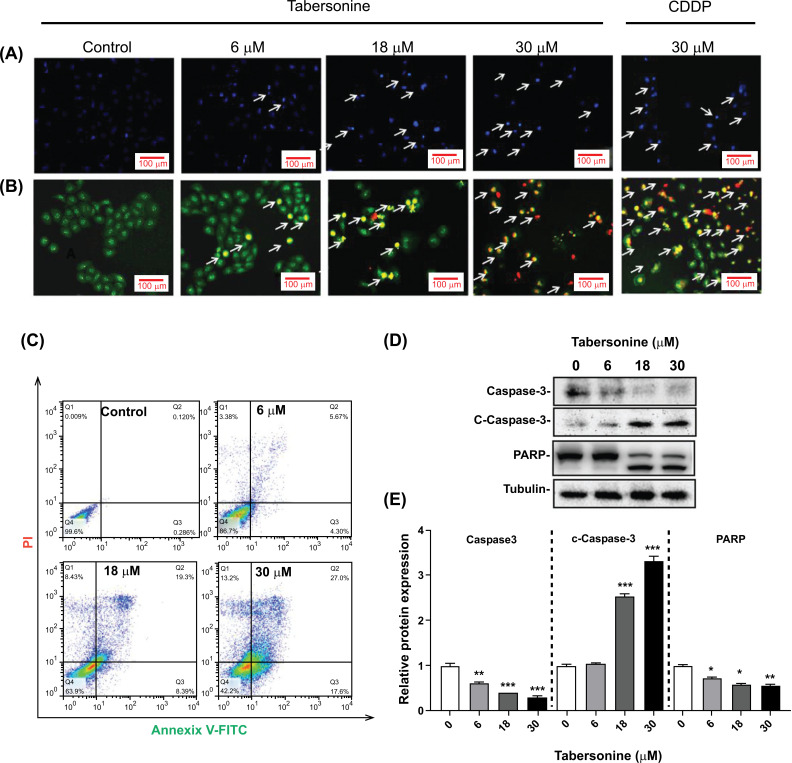
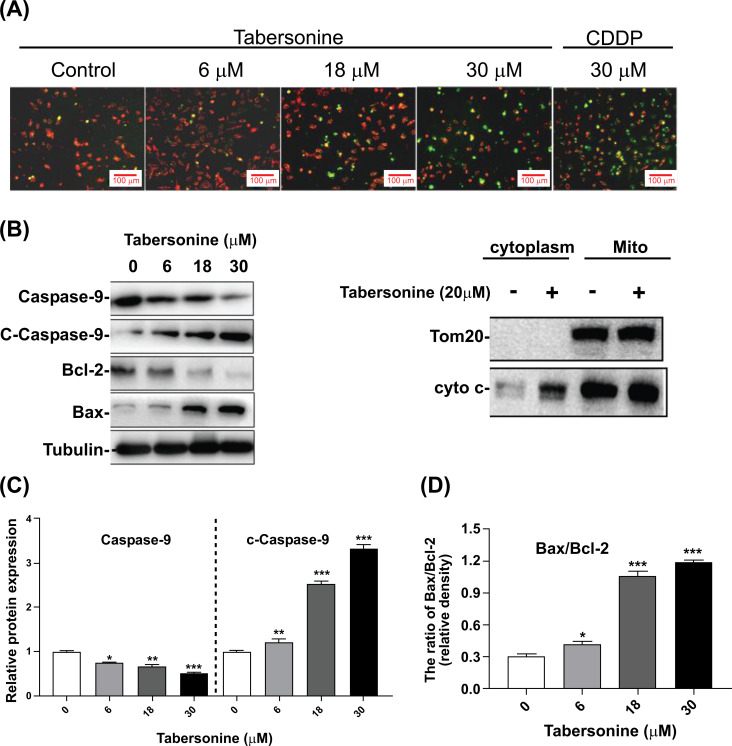
The inhibitory effects of tabersonine on the viability and proliferation of liver cancer cells were evaluated using MTT assay and colony formation assay. AO/EB, Hoechst, and Annexin V-FITC/ PI staining techniques were employed to observe cell damage and apoptosis. JC-1 staining was used to detect changes in mitochondrial membrane potential. Western blot analysis was conducted to study the anti-tumor mechanism of tabersonine on liver cancer cells. Additionally, a xenograft model using mice hepatoma HepG2 cells was established to assess the anti-tumor potency of tabersonine .
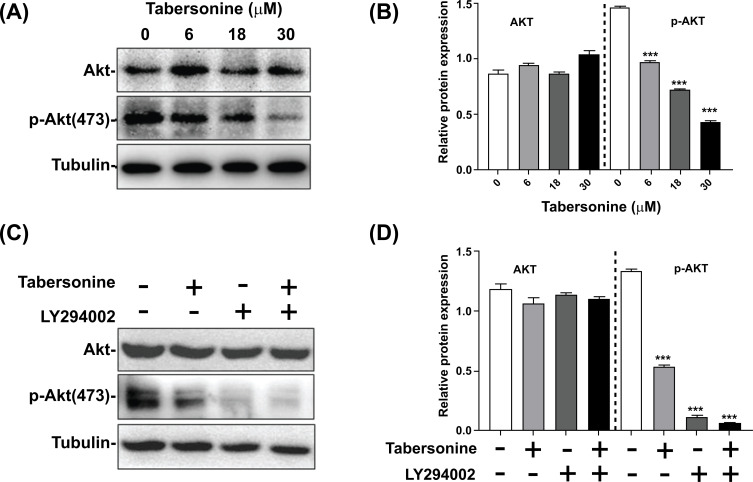
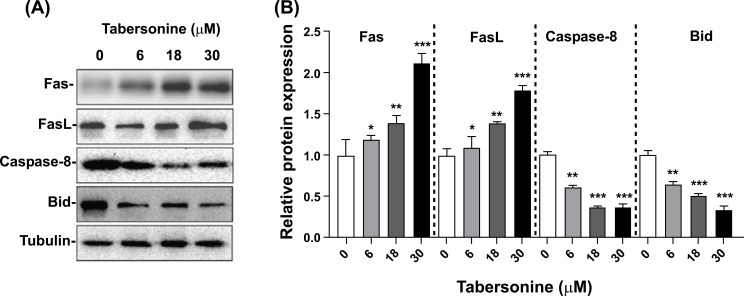
Our findings revealed that tabersonine significantly inhibited cell viability and proliferation, inducing apoptosis in liver cancer cells. Treatment with tabersonine inhibited Akt phosphorylation, reduced mitochondrial membrane potential, promoted cytochrome c release from mitochondria to the cytoplasm, and increased the ratio of Bax to Bcl-2. These findings suggested that tabersonine induces apoptosis in liver cancer cells through the mitochondrial pathway. Furthermore, tabersonine treatment activated the death receptor pathway of apoptosis. studies demonstrated that tabersonine significantly inhibited xenograft tumor growth.
Our study is the first to demonstrate that tabersonine induces apoptosis in HepG2 cells through both mitochondrial and death receptor apoptotic pathways, suggesting its potential as a therapeutic agent candidate for hepatic cancer.
卡蒂巴因,一种来源于夹竹桃科植物的天然吲哚生物碱,具有抗炎和乙酰胆碱酯酶抑制等多种药理作用。然而,其抗肿瘤特性及其潜在的分子机制仍未得到充分探索。
本研究旨在探讨卡蒂巴因在诱导肝癌细胞凋亡中的抗肿瘤作用及其机制。
采用 MTT 法和集落形成实验评价卡蒂巴因对肝癌细胞活力和增殖的抑制作用。采用 AO/EB、Hoechst 和 Annexin V-FITC/PI 染色技术观察细胞损伤和凋亡。采用 JC-1 染色检测线粒体膜电位变化。通过 Western blot 分析研究卡蒂巴因对肝癌细胞的抗肿瘤机制。此外,建立小鼠肝癌 HepG2 细胞的异种移植模型,评估卡蒂巴因的抗肿瘤活性。
我们的研究结果表明,卡蒂巴因显著抑制肝癌细胞活力和增殖,诱导肝癌细胞凋亡。卡蒂巴因处理抑制 Akt 磷酸化,降低线粒体膜电位,促进细胞色素 c 从线粒体释放到细胞质,并增加 Bax 与 Bcl-2 的比值。这些发现表明卡蒂巴因通过线粒体途径诱导肝癌细胞凋亡。此外,卡蒂巴因处理激活了凋亡的死亡受体途径。体内研究表明,卡蒂巴因显著抑制异种移植肿瘤生长。
本研究首次证明卡蒂巴因通过线粒体和死亡受体凋亡途径诱导 HepG2 细胞凋亡,提示其可能成为肝癌的治疗候选药物。