Clem Jones Centre for Ageing Dementia Research, Queensland Brain Institute, The University of Queensland, Brisbane, QLD, Australia.
Queensland Brain Institute, The University of Queensland, Brisbane, QLD, Australia.
Mol Psychiatry. 2024 Aug;29(8):2408-2423. doi: 10.1038/s41380-024-02509-5. Epub 2024 Mar 18.
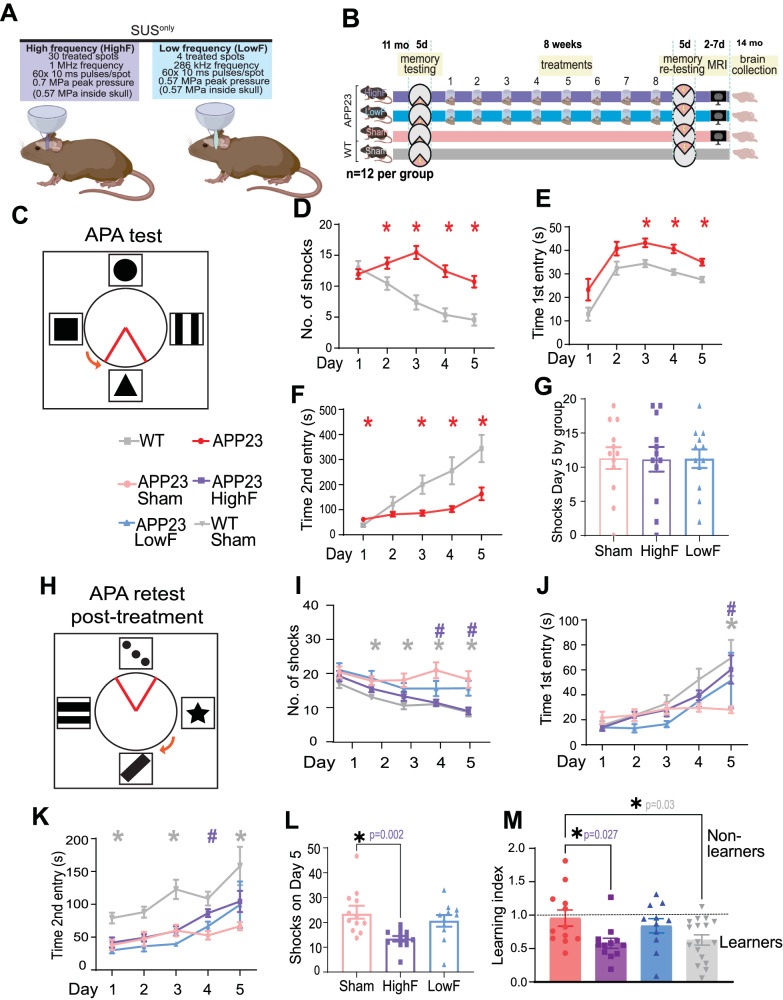
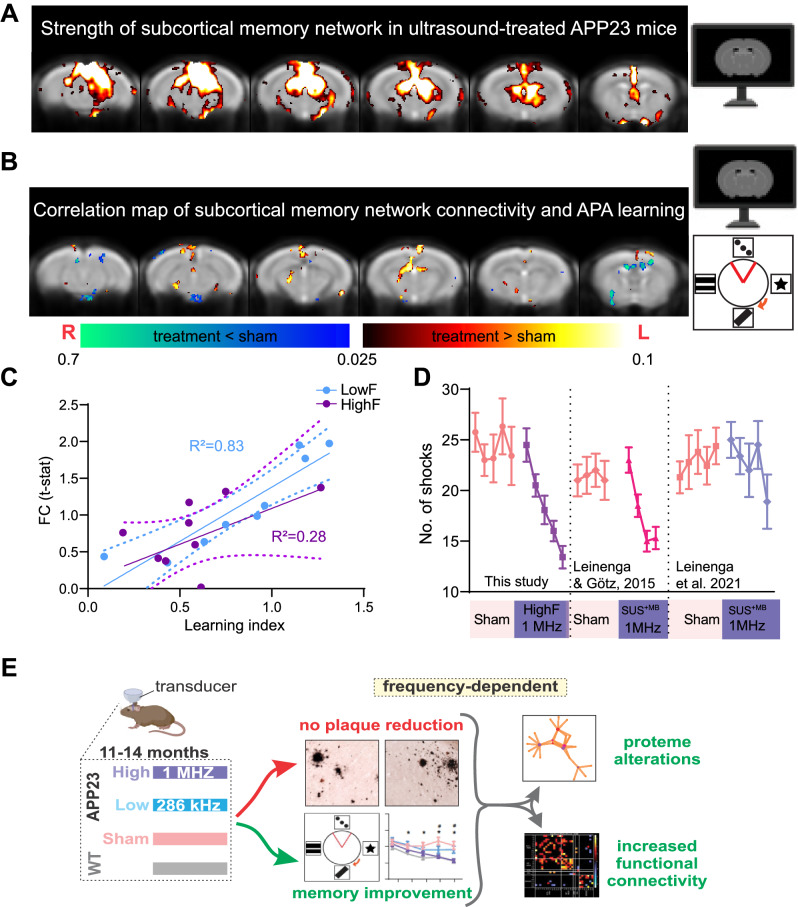
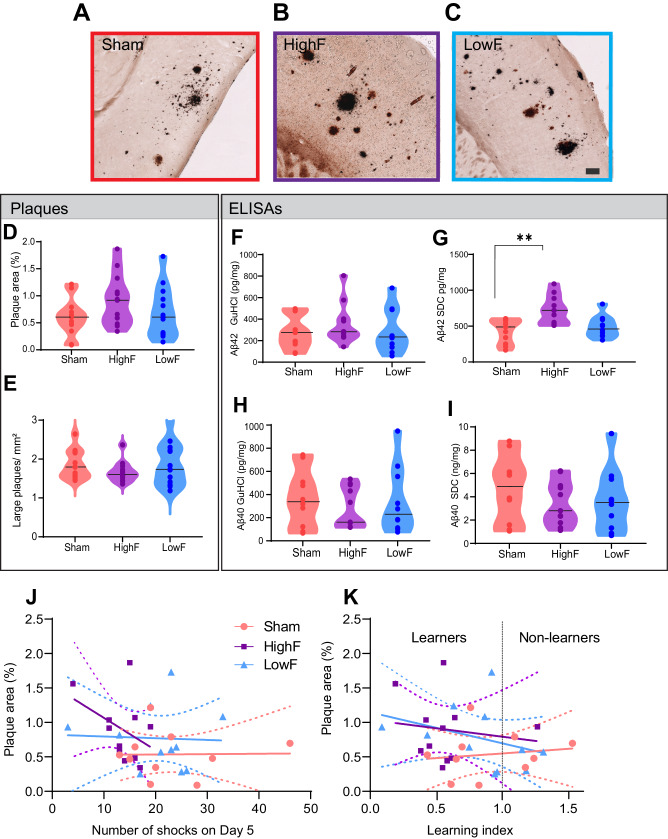
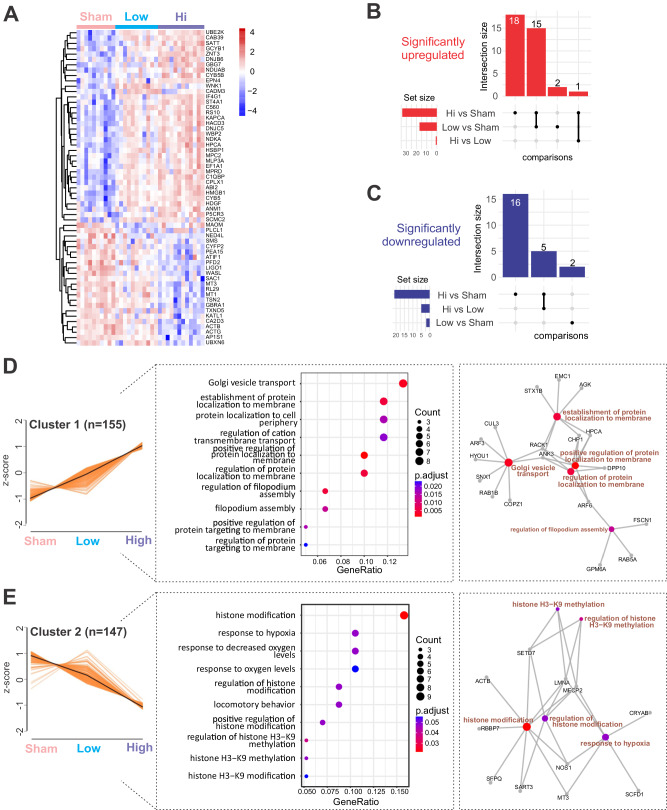
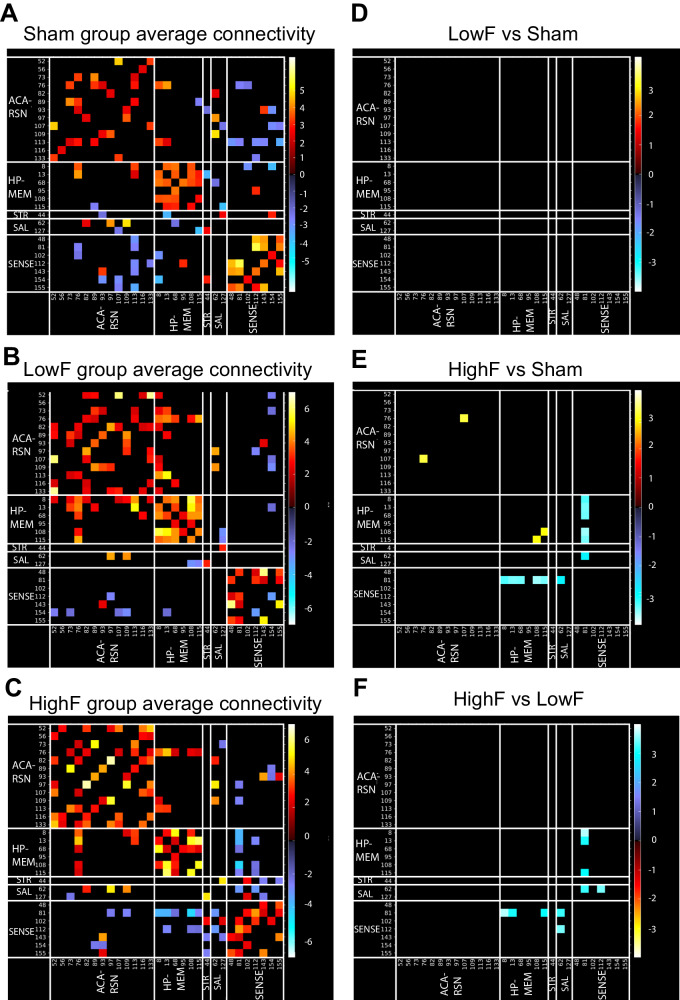
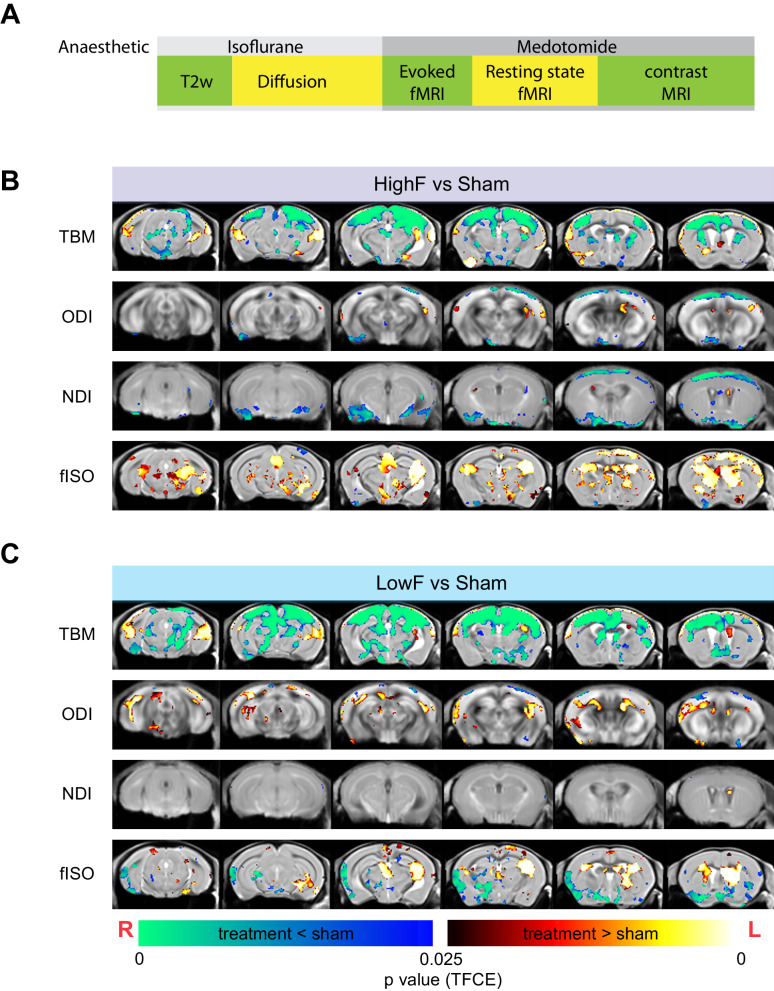
A prevalent view in treating age-dependent disorders including Alzheimer's disease (AD) is that the underlying amyloid plaque pathology must be targeted for cognitive improvements. In contrast, we report here that repeated scanning ultrasound (SUS) treatment at 1 MHz frequency can ameliorate memory deficits in the APP23 mouse model of AD without reducing amyloid-β (Aβ) burden. Different from previous studies that had shown Aβ clearance as a consequence of blood-brain barrier (BBB) opening, here, the BBB was not opened as no microbubbles were used. Quantitative SWATH proteomics and functional magnetic resonance imaging revealed that ultrasound induced long-lasting functional changes that correlate with the improvement in memory. Intriguingly, the treatment was more effective at a higher frequency (1 MHz) than at a frequency within the range currently explored in clinical trials in AD patients (286 kHz). Together, our data suggest frequency-dependent bio-effects of ultrasound and a dissociation of cognitive improvement and Aβ clearance, with important implications for the design of trials for AD therapies.
治疗包括阿尔茨海默病(AD)在内的与年龄相关的疾病的一种流行观点是,必须针对淀粉样斑块病理学进行治疗,以改善认知能力。相比之下,我们在这里报告,以 1MHz 频率重复扫描超声(SUS)治疗可以改善 APP23 AD 小鼠模型的记忆缺陷,而不会减轻淀粉样β(Aβ)负担。与以前的研究不同,以前的研究表明 Aβ 清除是血脑屏障(BBB)开放的结果,这里没有使用微泡,因此 BBB 没有打开。定量 SWATH 蛋白质组学和功能磁共振成像显示,超声诱导的持久功能变化与记忆改善相关。有趣的是,在更高频率(1MHz)下治疗比在 AD 患者临床试验中目前探索的频率范围内(286kHz)更有效。总的来说,我们的数据表明超声的频率依赖性生物效应与认知改善和 Aβ清除的分离,这对 AD 治疗试验的设计具有重要意义。