Muthu Sathish, Viswanathan Vibhu Krishnan, Annamalai Saravanan, Thabrez Mohammed
Orthopaedic Research Group, Coimbatore, India.
Department of Biotechnology, Faculty of Engineering, Karpagam Academy of Higher Education, Coimbatore, India.
World Neurosurg X. 2024 Mar 11;23:100360. doi: 10.1016/j.wnsx.2024.100360. eCollection 2024 Jul.
Systematic review.
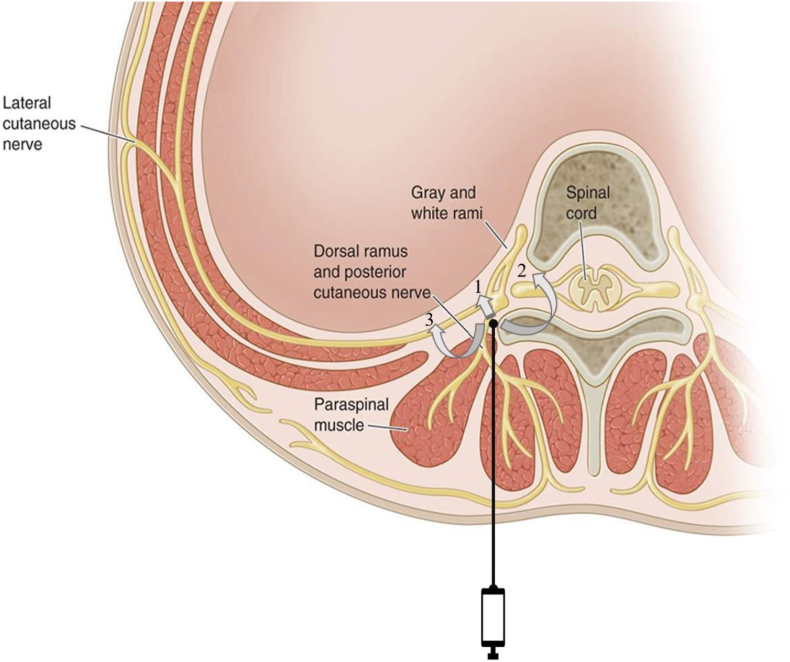
Erector spinae plane block (ESPB) is growing in popularity over the recent past as an adjuvant modality in multimodal analgesic management following lumbar spine surgery (LSS). The current updated meta-analysis was performed to analyze the efficacy of ESPB for postoperative analgesia in patients undergoing LSS.
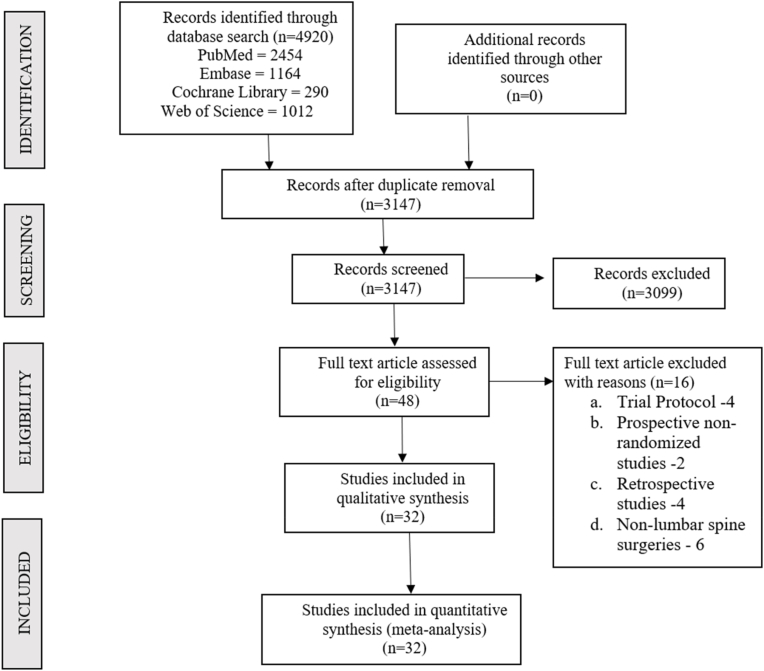
We conducted independent and duplicate electronic database searches including PubMed, Embase and Cochrane Library till June 2023 for randomized controlled trials (RCTs) analyzing the efficacy of bilateral ESPB for postoperative pain relief in lumbar spine surgeries. Post-operative pain scores, total analgesic consumption, first analgesic requirement time, length of stay and complications were the outcomes evaluated. Statistical analysis was performed using STATA 17 software.
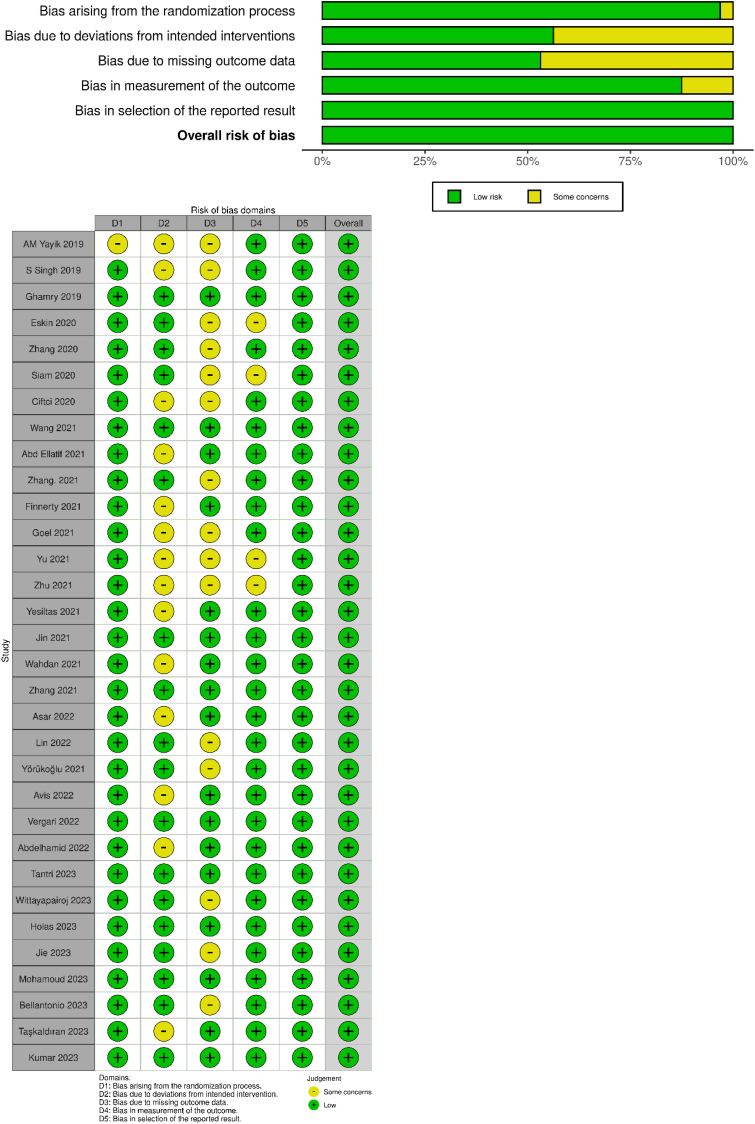
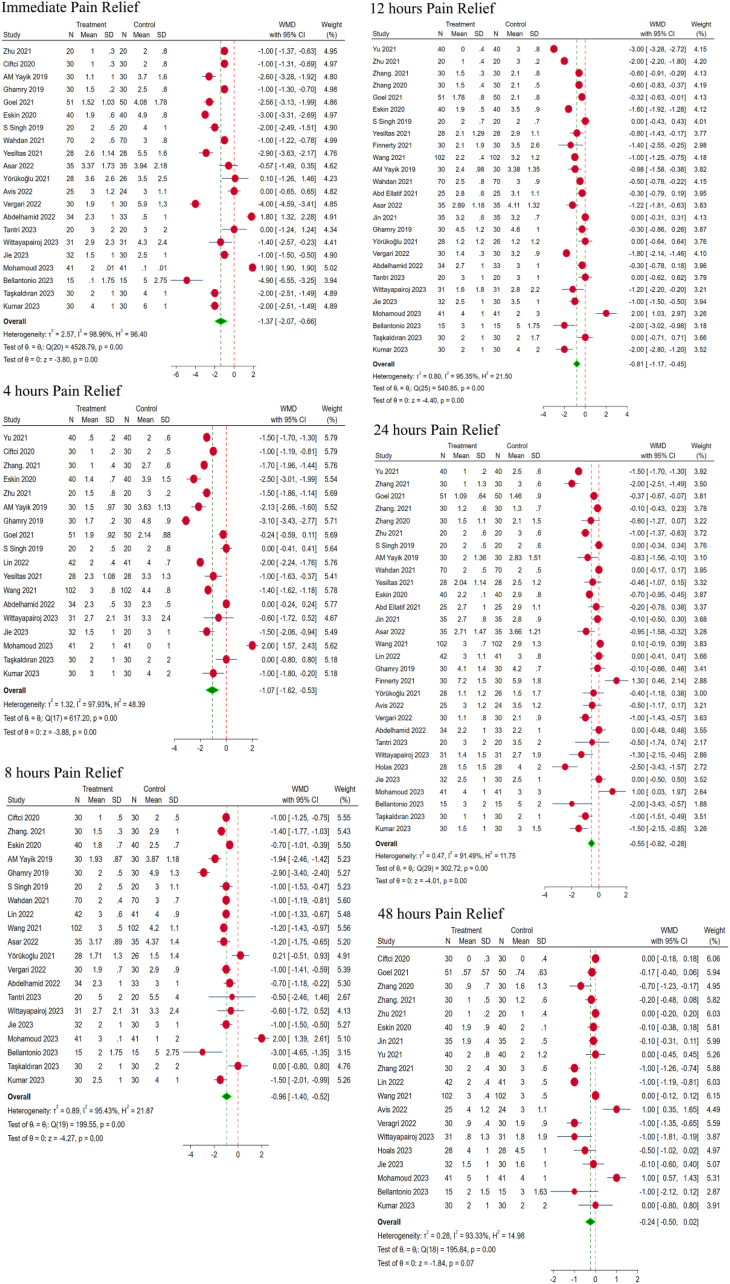
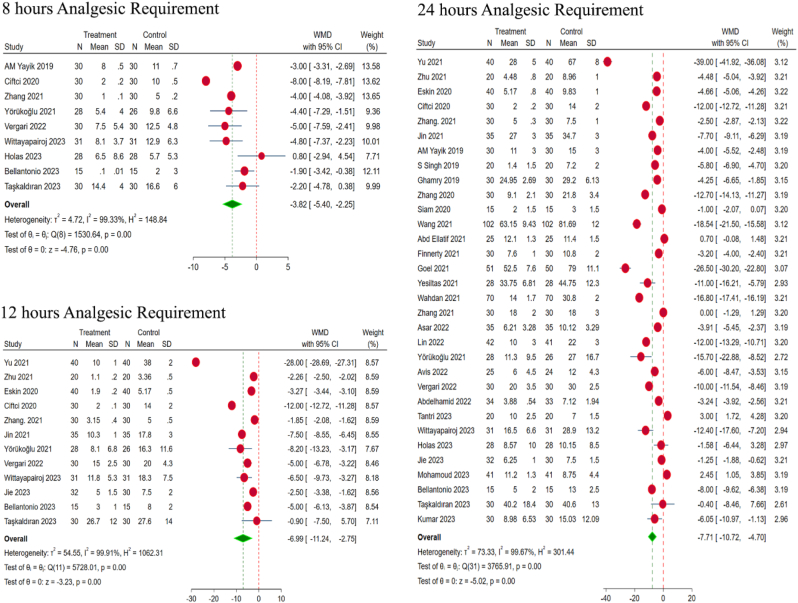
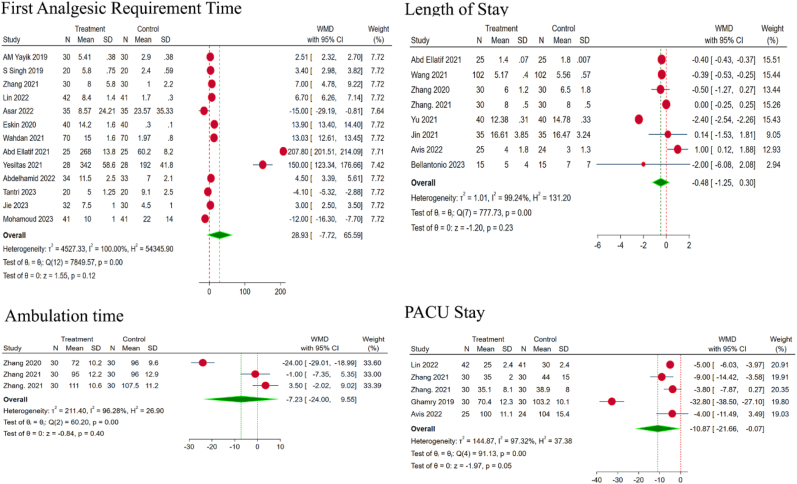
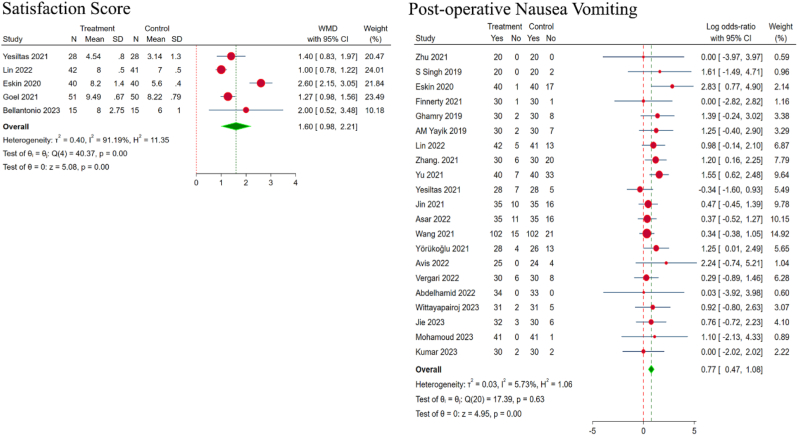
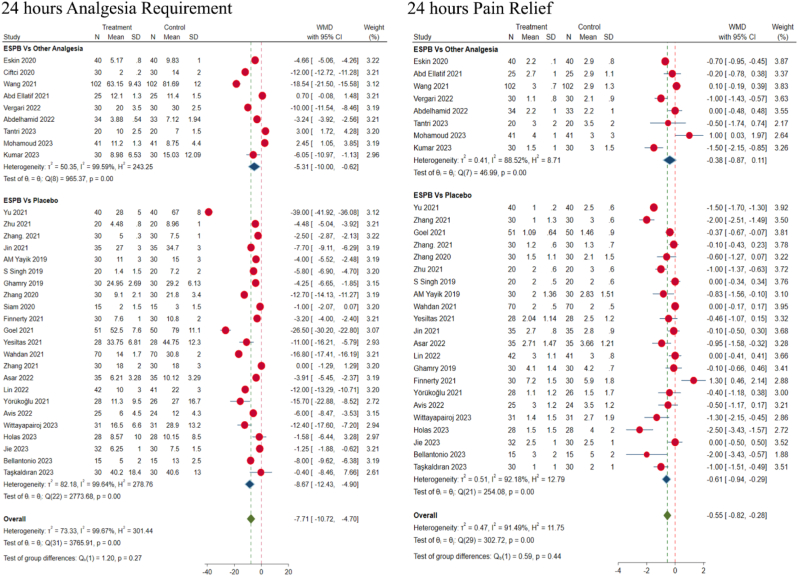
32 RCTs including 1464 patients (ESPB/Control = 1077/1069) were included in the analysis. There was a significant pain relief in ESPB group, as compared to placebo across all timelines such as during immediate post-operative period ( < 0.001), 4 h ( < 0.001), 8 h ( < 0.001), 12 h ( < 0.001), 24 h ( = 0.001) post-surgery. Similarly, ESPB group showed a significant reduction in analgesic requirement at 8 h ( < 0.001), 12 h ( = 0.001), and 24 h ( < 0.001). However, no difference was noted in the first analgesic requirement time, time to ambulate or total length of stay in the hospital. ESPB demonstrated significantly improved overall satisfaction score for the analgesic management ( < 0.001), reduced intensive care stay ( < 0.05) with significantly reduced post-operative nausea and vomiting ( < 0.001) compared to controls.
ESPB offers prolonged post-operative pain relief compared to controls, thereby reducing the need for opioid consumption and its related complications.
系统评价。
竖脊肌平面阻滞(ESPB)作为腰椎手术(LSS)后多模式镇痛管理中的一种辅助方式,近年来越来越受欢迎。进行本次更新的荟萃分析,以分析ESPB对接受LSS患者术后镇痛的疗效。
我们进行了独立且重复的电子数据库检索,包括截至2023年6月的PubMed、Embase和Cochrane图书馆,以查找分析双侧ESPB对腰椎手术术后疼痛缓解疗效的随机对照试验(RCT)。评估的结果包括术后疼痛评分、总镇痛药物消耗量、首次镇痛需求时间、住院时间和并发症。使用STATA 17软件进行统计分析。
分析纳入了32项RCT,共1464例患者(ESPB组/对照组 = 1077/1069)。与安慰剂组相比,ESPB组在所有时间点均有显著的疼痛缓解,如术后即刻(<0.001)、术后4小时(<0.001)、8小时(<0.001)、12小时(<0.001)、24小时(=0.001)。同样,ESPB组在8小时(<0.