Center for Oncological Research (CORE), Integrated Personalized & Precision Oncology Network (IPPON), University of Antwerp, Wilrijk, Belgium.
Industrial Vision Lab, University of Antwerp, Wilrijk, Belgium.
J Exp Clin Cancer Res. 2024 Mar 22;43(1):88. doi: 10.1186/s13046-024-03012-z.
This study explores the repurposing of Auranofin (AF), an anti-rheumatic drug, for treating non-small cell lung cancer (NSCLC) adenocarcinoma and pancreatic ductal adenocarcinoma (PDAC). Drug repurposing in oncology offers a cost-effective and time-efficient approach to developing new cancer therapies. Our research focuses on evaluating AF's selective cytotoxicity against cancer cells, identifying RNAseq-based biomarkers to predict AF response, and finding the most effective co-therapeutic agents for combination with AF.
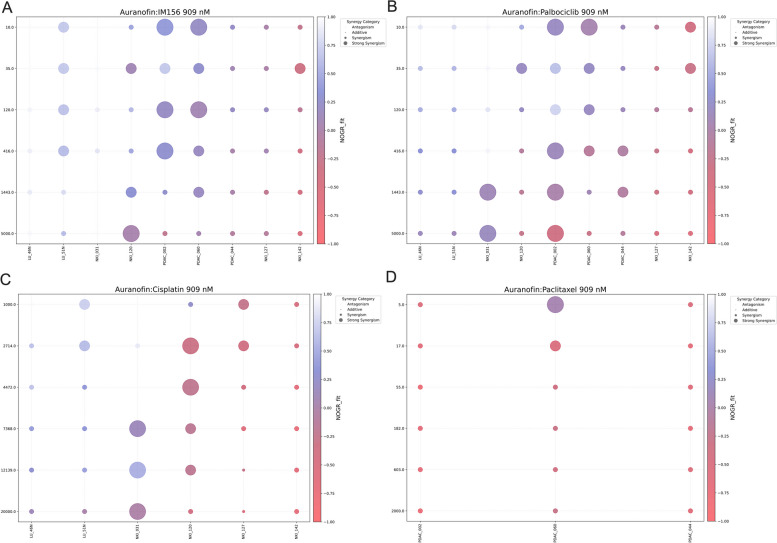
Our investigation employed a comprehensive drug screening of AF in combination with eleven anticancer agents in cancerous PDAC and NSCLC patient-derived organoids (n = 7), and non-cancerous pulmonary organoids (n = 2). Additionally, we conducted RNA sequencing to identify potential biomarkers for AF sensitivity and experimented with various drug combinations to optimize AF's therapeutic efficacy.
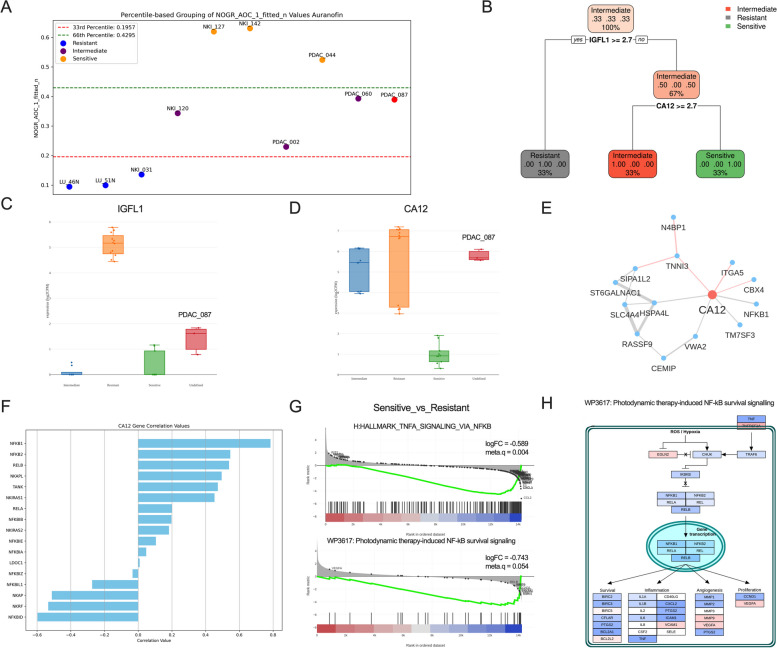
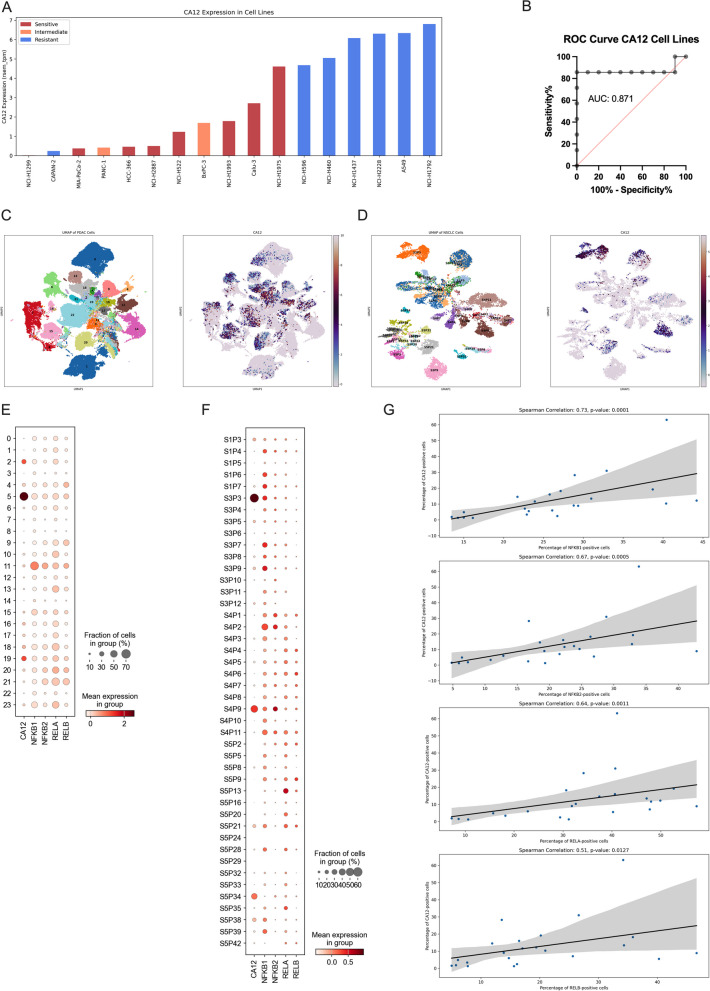
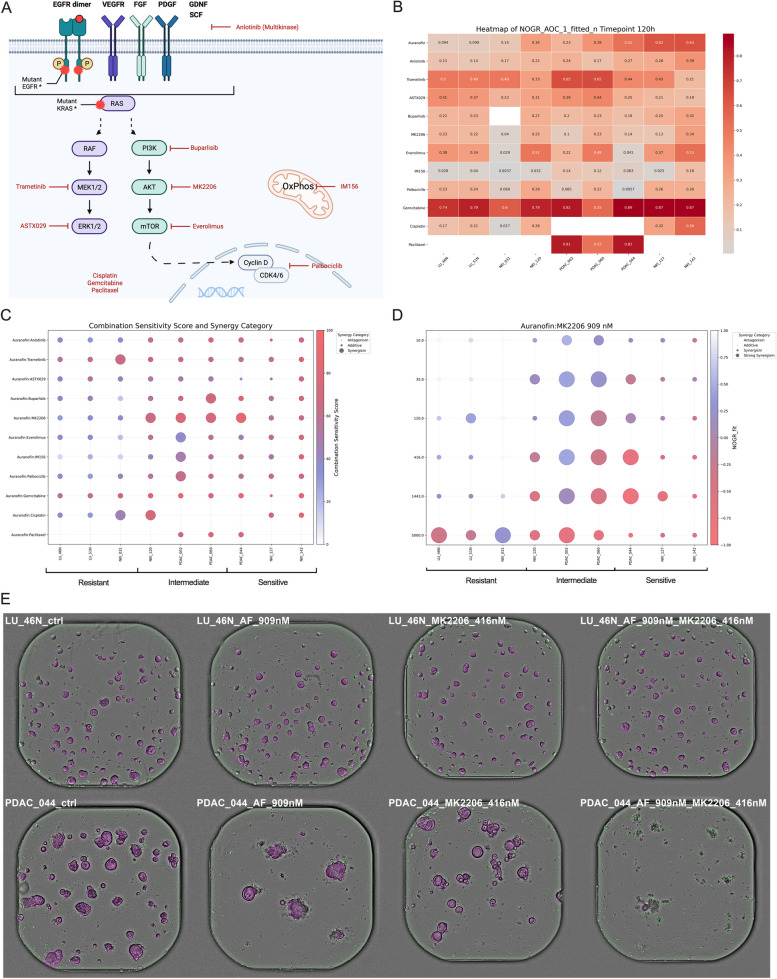
The results revealed that AF demonstrates a preferential cytotoxic effect on NSCLC and PDAC cancer cells at clinically relevant concentrations below 1 µM, sparing normal epithelial cells. We identified Carbonic Anhydrase 12 (CA12) as a significant RNAseq-based biomarker, closely associated with the NF-κB survival signaling pathway, which is crucial in cancer cell response to oxidative stress. Our findings suggest that cancer cells with low CA12 expression are more susceptible to AF treatment. Furthermore, the combination of AF with the AKT inhibitor MK2206 was found to be particularly effective, exhibiting potent and selective cytotoxic synergy, especially in tumor organoid models classified as intermediate responders to AF, without adverse effects on healthy organoids.
Our research offers valuable insights into the use of AF for treating NSCLC and PDAC. It highlights AF's cancer cell selectivity, establishes CA12 as a predictive biomarker for AF sensitivity, and underscores the enhanced efficacy of AF when combined with MK2206 and other therapeutics. These findings pave the way for further exploration of AF in cancer treatment, particularly in identifying patient populations most likely to benefit from its use and in optimizing combination therapies for improved patient outcomes.
本研究探索将抗风湿药物金诺芬(Auranofin,AF)重新用于治疗非小细胞肺癌(NSCLC)腺癌和胰腺导管腺癌(PDAC)。肿瘤药物再利用为开发新的癌症疗法提供了一种具有成本效益和高效的方法。我们的研究重点是评估 AF 对癌细胞的选择性细胞毒性,确定基于 RNAseq 的生物标志物来预测 AF 反应,并找到与 AF 联合使用的最有效的协同治疗药物。
我们在癌症 PDAC 和 NSCLC 患者来源的类器官(n=7)和非癌性肺类器官(n=2)中进行了 AF 与 11 种抗癌药物联合的全面药物筛选。此外,我们进行了 RNA 测序,以鉴定潜在的 AF 敏感性生物标志物,并进行了各种药物组合实验,以优化 AF 的治疗效果。
结果表明,AF 在低于 1µM 的临床相关浓度下对 NSCLC 和 PDAC 癌细胞表现出优先的细胞毒性作用,而对正常上皮细胞无毒性。我们发现碳酸酐酶 12(CA12)是一个重要的基于 RNAseq 的生物标志物,与 NF-κB 生存信号通路密切相关,该信号通路在癌细胞对氧化应激的反应中至关重要。我们的研究结果表明,CA12 表达低的癌细胞对 AF 治疗更敏感。此外,发现 AF 与 AKT 抑制剂 MK2206 联合使用特别有效,表现出强大且选择性的细胞毒性协同作用,特别是在被归类为对 AF 中度反应的肿瘤类器官模型中,而对健康类器官没有不良影响。
我们的研究为 AF 治疗 NSCLC 和 PDAC 提供了有价值的见解。它强调了 AF 对癌细胞的选择性,确立了 CA12 作为 AF 敏感性的预测生物标志物,并强调了当与 MK2206 和其他治疗药物联合使用时,AF 的疗效增强。这些发现为进一步探索 AF 在癌症治疗中的应用铺平了道路,特别是在确定最有可能受益于其使用的患者人群和优化联合治疗以改善患者结局方面。