Department of Pathophysiology, School of Basic Medical Sciences, Anhui Medical University, Hefei, 230032, China.
Department of Anesthesiology, the First Affiliated Hospital of Anhui Medical University, Hefei, 230032, China.
J Exp Clin Cancer Res. 2024 Mar 25;43(1):90. doi: 10.1186/s13046-024-03016-9.
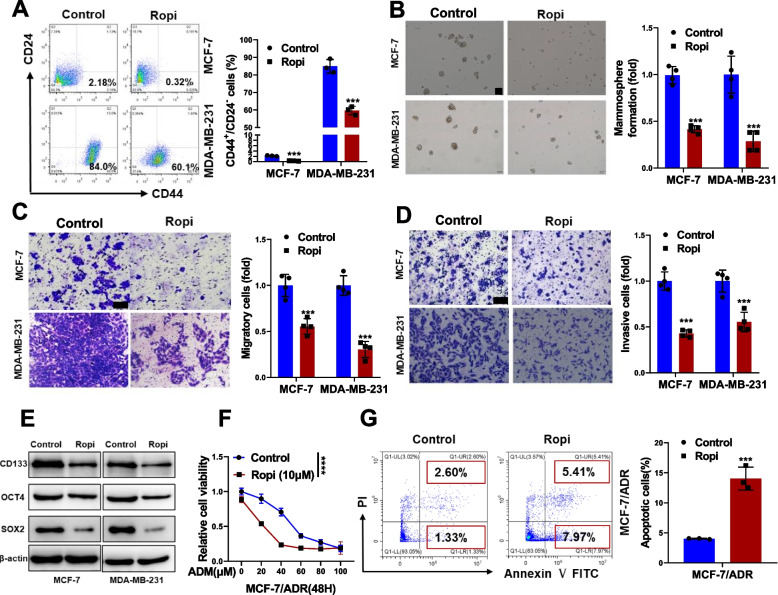
Ropivacaine, a local anesthetic, exhibits anti-tumor effects in various cancer types. However, its specific functions and the molecular mechanisms involved in breast cancer cell stemness remain elusive.
The effects of ropivacaine on breast cancer stemness were investigated by in vitro and in vivo assays (i.e., FACs, MTT assay, mammosphere formation assay, transwell assays, western blot, and xenograft model). RNA-seq, bioinformatics analysis, Western blot, Luciferase reporter assay, and CHIP assay were used to explore the mechanistic roles of ropivacaine subsequently.
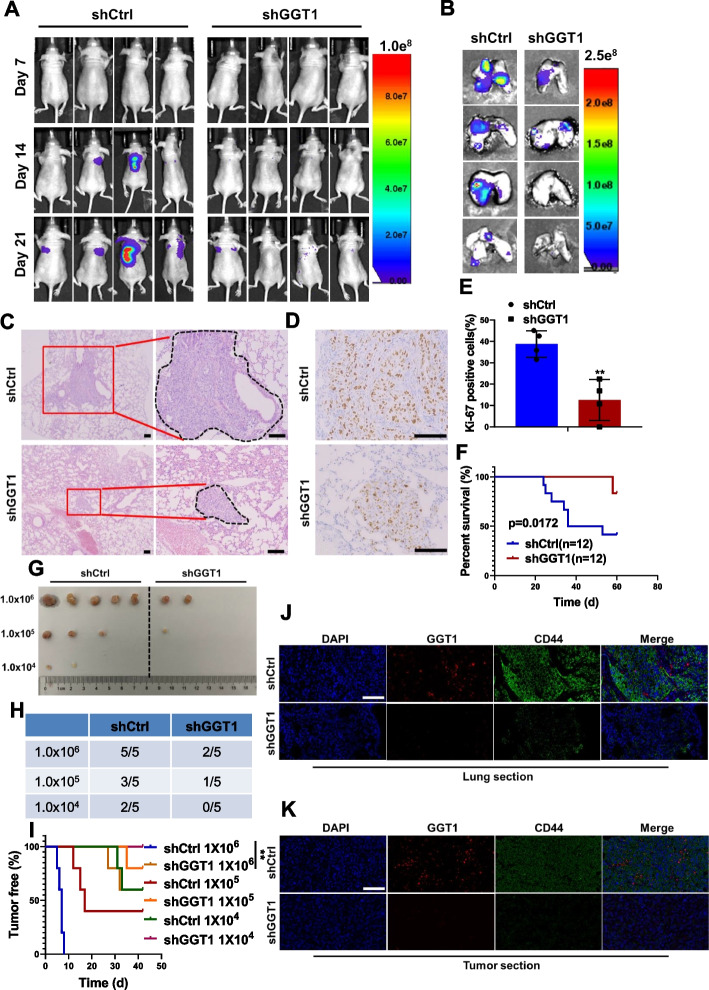
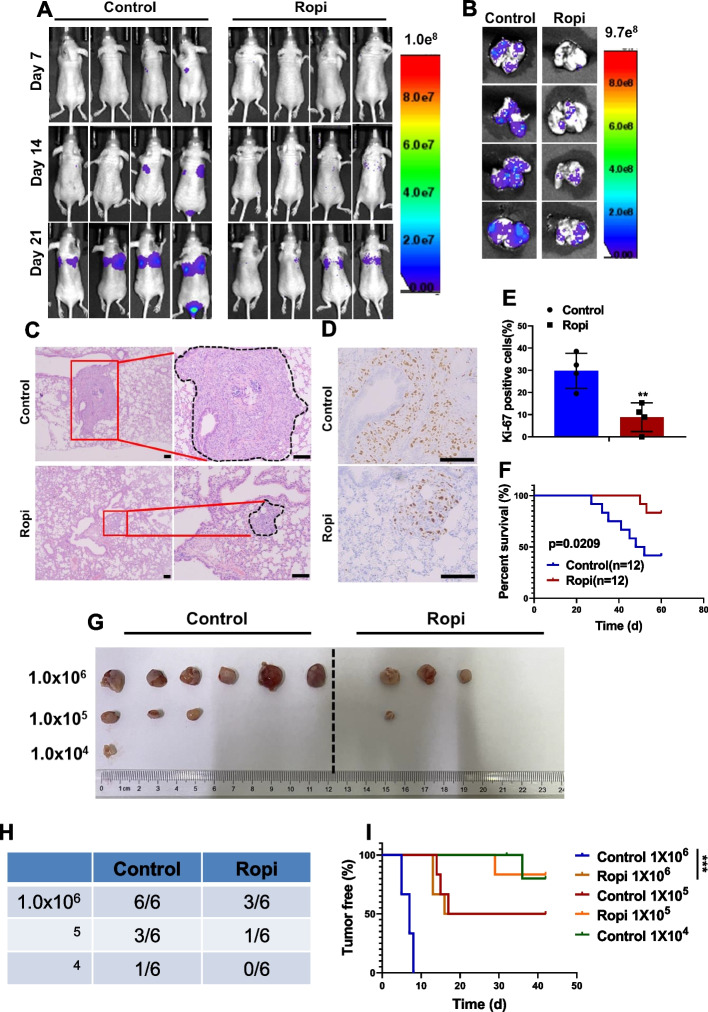
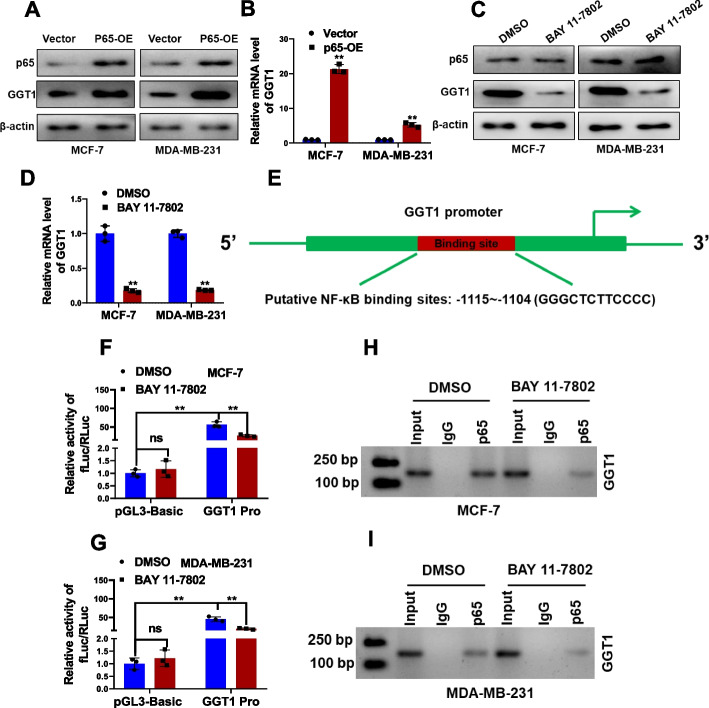
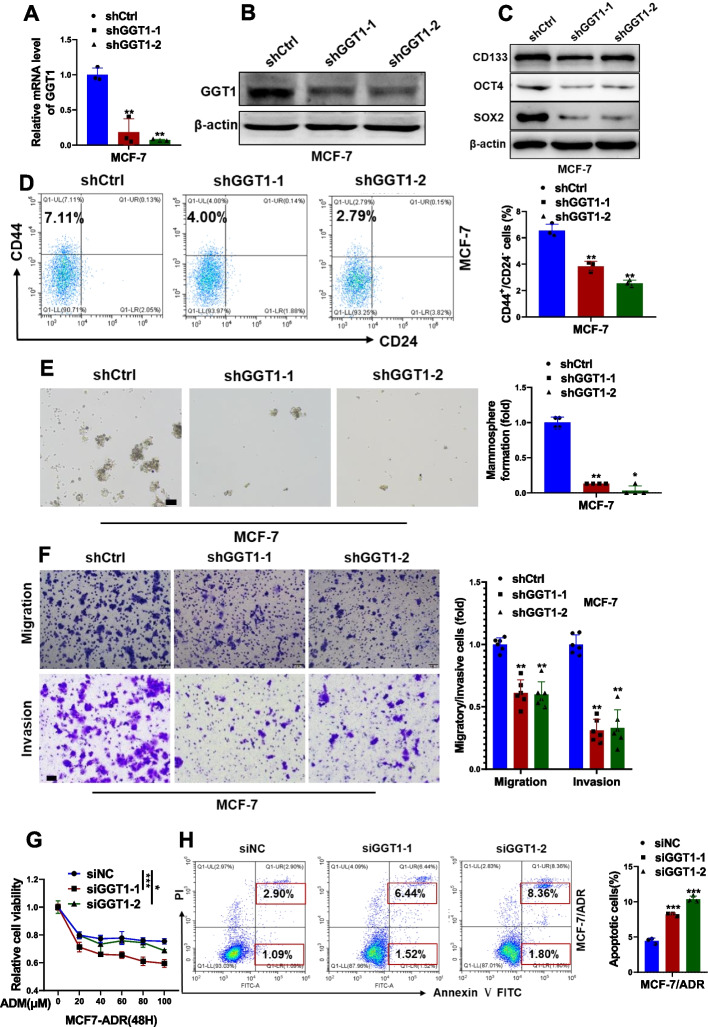
Our study showed that ropivacaine remarkably suppressed stem cells-like properties of breast cancer cells both in vitro and in vivo. RNA-seq analysis identified GGT1 as the downstream target gene responding to ropivacaine. High GGT1 levels are positively associated with a poor prognosis in breast cancer. Ropivacaine inhibited GGT1 expression by interacting with the catalytic domain of AKT1 directly to impair its kinase activity with resultant inactivation of NF-κB. Interestingly, NF-κB can bind to the promoter region of GGT1. KEGG and GSEA analysis indicated silence of GGT1 inhibited activation of NF-κB signaling pathway. Depletion of GGT1 diminished stem phenotypes of breast cancer cells, indicating the formation of NF-κB /AKT1/GGT1/NF-κB positive feedback loop in the regulation of ropivacaine-repressed stemness in breast cancer cells.
Our finding revealed that local anesthetic ropivacaine attenuated breast cancer stemness through AKT1/GGT1/NF-κB signaling pathway, suggesting the potential clinical value of ropivacaine in breast cancer treatment.
局部麻醉剂罗哌卡因在多种癌症类型中表现出抗肿瘤作用。然而,其在乳腺癌干细胞特性中的具体作用和涉及的分子机制仍不清楚。
通过体外和体内实验(即 FACs、MTT 检测、类乳腺球体形成实验、Transwell 实验、Western blot 和异种移植模型)研究罗哌卡因对乳腺癌干细胞特性的影响。随后使用 RNA-seq、生物信息学分析、Western blot、荧光素酶报告基因检测和 CHIP 检测来探讨罗哌卡因的作用机制。
我们的研究表明,罗哌卡因在体外和体内显著抑制了乳腺癌细胞的干细胞样特性。RNA-seq 分析鉴定出 GGT1 是对罗哌卡因反应的下游靶基因。高 GGT1 水平与乳腺癌的不良预后呈正相关。罗哌卡因通过与 AKT1 的催化结构域直接相互作用抑制 GGT1 表达,从而损害其激酶活性,导致 NF-κB 失活。有趣的是,NF-κB 可以结合到 GGT1 的启动子区域。KEGG 和 GSEA 分析表明沉默 GGT1 抑制了 NF-κB 信号通路的激活。GGT1 的耗竭减少了乳腺癌细胞的干细胞表型,表明 NF-κB/AKT1/GGT1/NF-κB 正反馈环在调节罗哌卡因抑制乳腺癌干细胞特性中起作用。
我们的发现表明,局部麻醉剂罗哌卡因通过 AKT1/GGT1/NF-κB 信号通路减弱乳腺癌干细胞特性,提示罗哌卡因在乳腺癌治疗中的潜在临床价值。