MRC-Versus Arthritis Centre for Musculoskeletal Ageing Research, Institute of Inflammation and Ageing, University of Birmingham, Birmingham, UK.
Hurdle/Chronomics Ltd., London, UK.
Geroscience. 2024 Oct;46(5):4333-4347. doi: 10.1007/s11357-024-01138-8. Epub 2024 Mar 26.
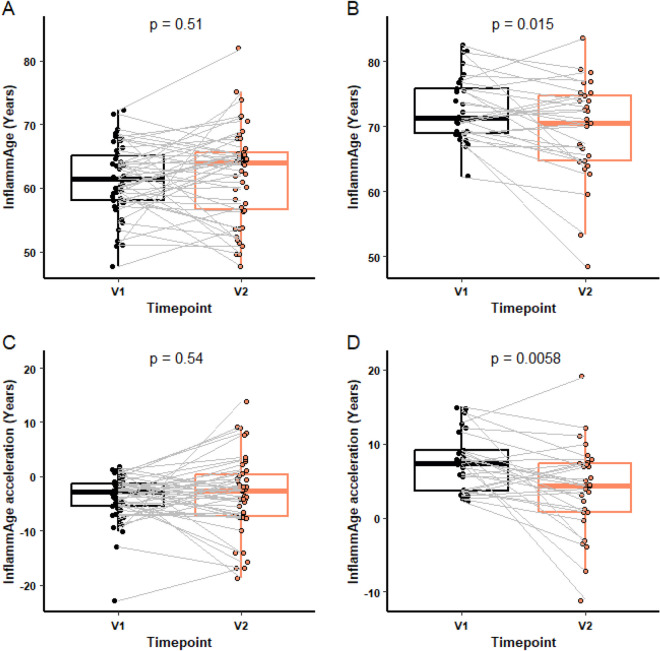
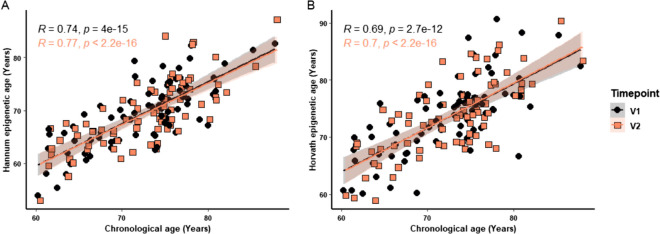
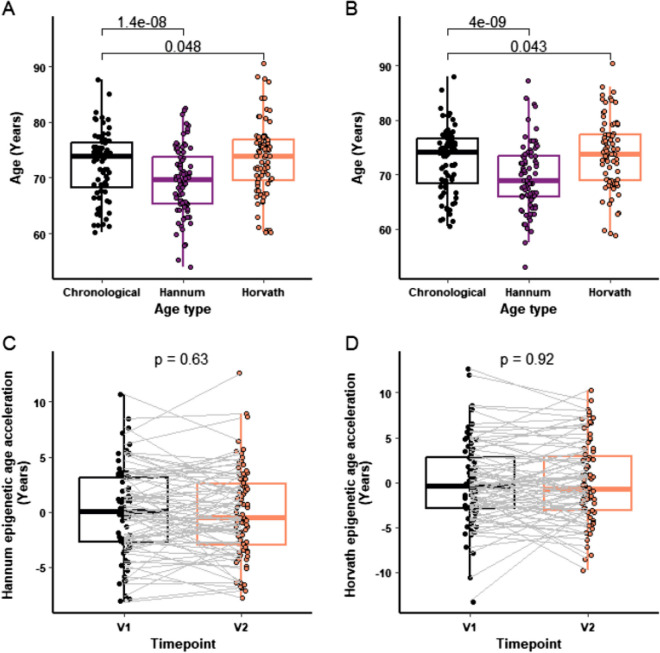
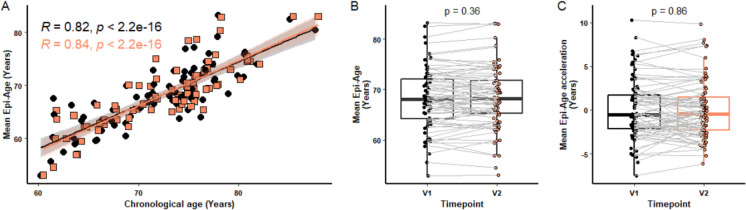
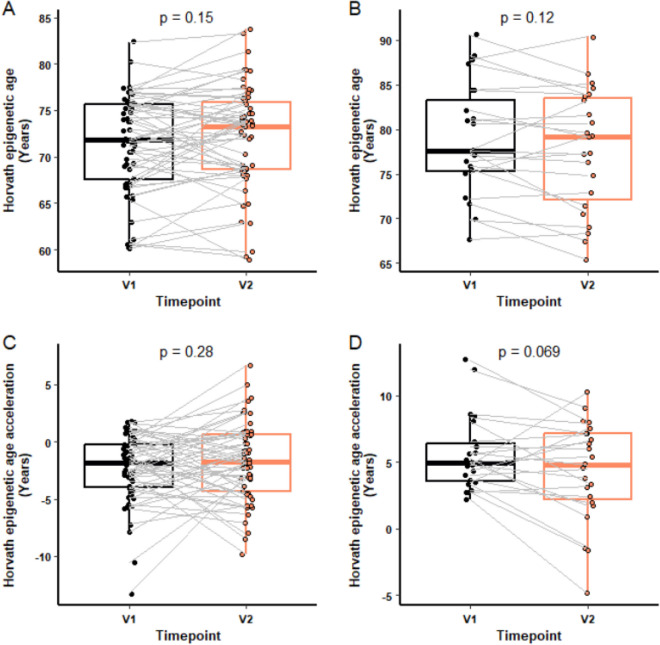
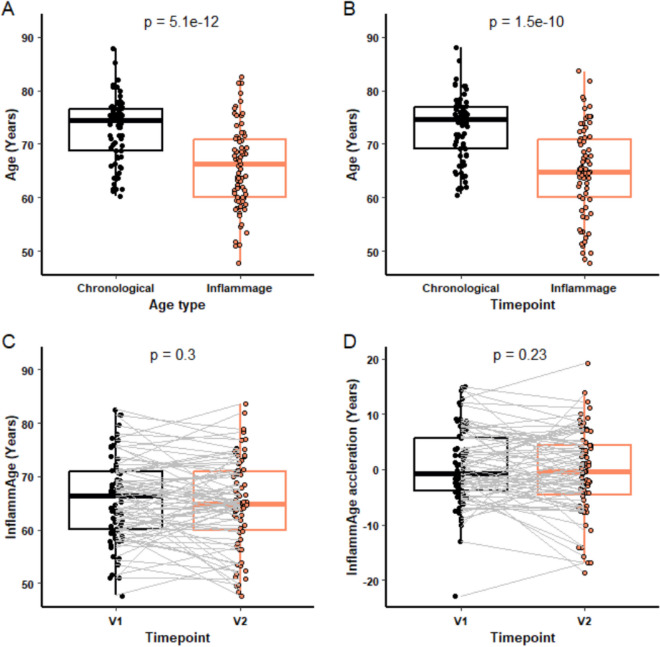
An increase in systemic inflammation (inflammaging) is one of the hallmarks of aging. Epigenetic (DNA methylation) clocks can quantify the degree of biological aging and this can be reversed by lifestyle and pharmacological intervention. We aimed to investigate whether a multi-component nutritional supplement could reduce systemic inflammation and epigenetic age in healthy older adults.We recruited 80 healthy older participants (mean age ± SD: 71.85 ± 6.23; males = 31, females = 49). Blood and saliva were obtained pre and post a 12-week course of a multi-component supplement, containing: Vitamin B3, Vitamin C, Vitamin D, Omega 3 fish oils, Resveratrol, Olive fruit phenols and Astaxanthin. Plasma GDF-15 and C-reactive protein (CRP) concentrations were quantified as markers of biological aging and inflammation respectively. DNA methylation was assessed in whole blood and saliva and used to derive epigenetic age using various clock algorithms.No difference between the epigenetic and chronological ages of participants was observed pre- and post-treatment by the blood-based Horvath or Hannum clocks, or the saliva-based InflammAge clock. However, in those with epigenetic age acceleration of ≥ 2 years at baseline, a significant reduction in epigenetic age (p = 0.015) and epigenetic age acceleration (p = 0.0058) was observed post-treatment using the saliva-based InflammAge clock. No differences were observed pre- and post-treatment in plasma GDF-15 and CRP, though participants with CRP indicative of an elevated cardiovascular disease risk (hsCRP ≥ 3µg/ml), had a reduction in CRP post-supplementation (p = 0.0195).Our data suggest a possible benefit of combined nutritional supplementation in individuals with an accelerated epigenetic age and inflammaging.
全身性炎症(炎症衰老)的增加是衰老的特征之一。表观遗传(DNA 甲基化)时钟可以量化生物衰老的程度,这种衰老可以通过生活方式和药物干预来逆转。我们旨在研究多成分营养补充剂是否可以减少健康老年人的全身性炎症和表观遗传年龄。
我们招募了 80 名健康老年人(平均年龄±标准差:71.85±6.23;男性=31 名,女性=49 名)。在接受为期 12 周的多成分补充剂(包含烟酸、维生素 C、维生素 D、欧米伽 3 鱼油、白藜芦醇、橄榄果酚和虾青素)治疗前后,采集了他们的血液和唾液。分别使用血浆 GDF-15 和 C 反应蛋白(CRP)浓度作为生物衰老和炎症的标志物来量化。评估全血和唾液中的 DNA 甲基化,并使用各种时钟算法来计算表观遗传年龄。
在治疗前后,基于血液的 Horvath 或 Hannum 时钟以及基于唾液的 InflammAge 时钟均未观察到参与者的表观遗传年龄与实际年龄之间存在差异。然而,在基线时表观遗传年龄加速≥2 年的参与者中,使用基于唾液的 InflammAge 时钟观察到表观遗传年龄(p=0.015)和表观遗传年龄加速(p=0.0058)显著降低。治疗前后,血浆 GDF-15 和 CRP 无差异,但 CRP 提示心血管疾病风险升高(hsCRP≥3µg/ml)的参与者在补充后 CRP 降低(p=0.0195)。
我们的数据表明,多成分营养补充可能对表观遗传年龄加速和炎症衰老的个体有益。