Monteiro Ana Rita, Barbosa Daniel José, Remião Fernando, Silva Renata
UCIBIO-Applied Molecular Biosciences Unit, Laboratory of Toxicology, Department of Biological Sciences, Faculty of Pharmacy, Porto University, 4050-313 Porto, Portugal.
Associate Laboratory i4HB-Institute for Health and Bioeconomy, Faculty of Pharmacy, University of Porto, 4050-313 Porto, Portugal.
Biomedicines. 2024 Mar 12;12(3):626. doi: 10.3390/biomedicines12030626.
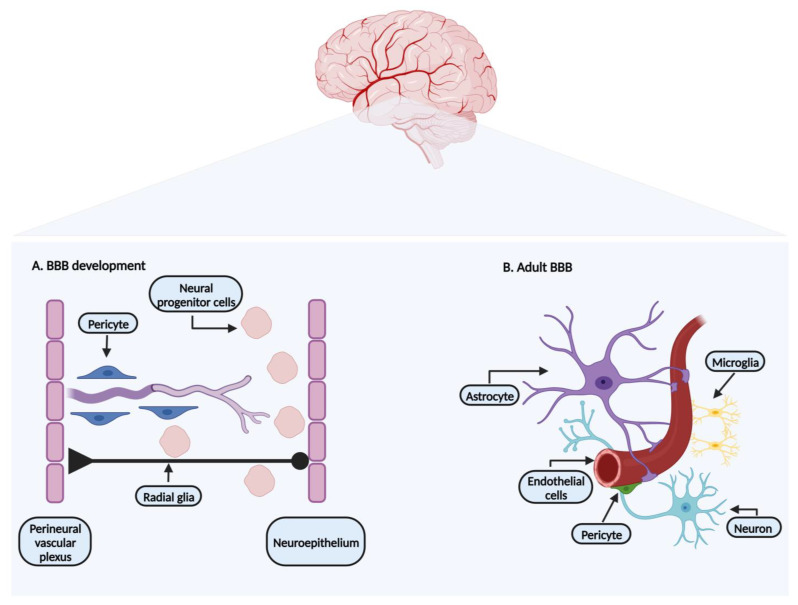
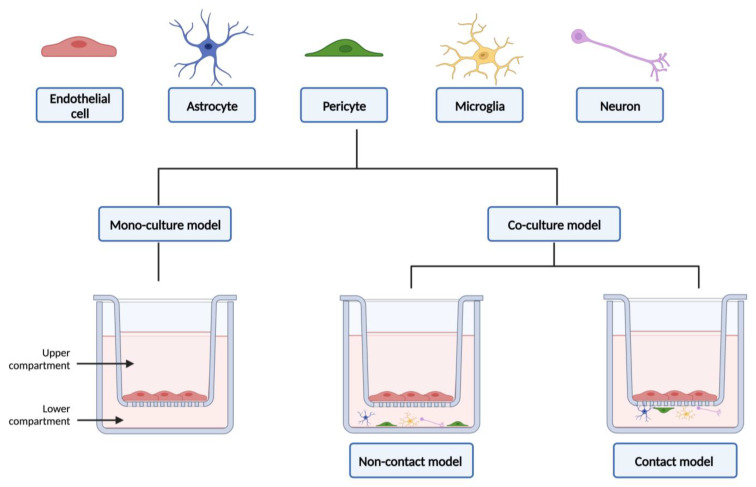
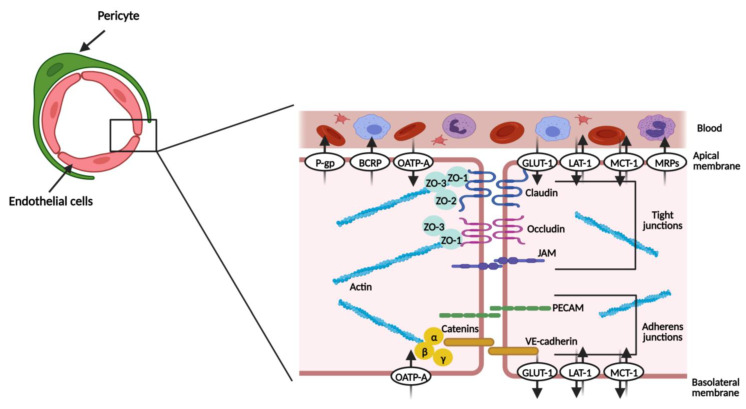
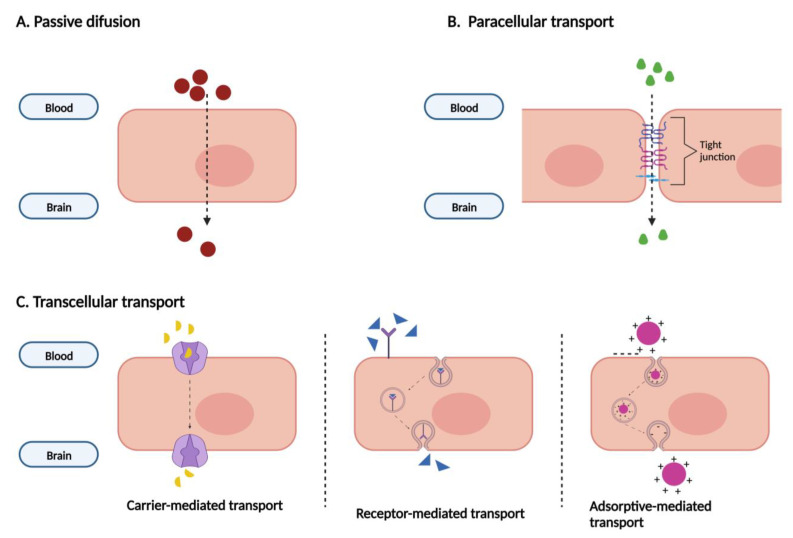
The biological barriers existing in the human body separate the blood circulation from the interstitial fluid in tissues. The blood-brain barrier (BBB) isolates the central nervous system from the bloodstream, presenting a dual role: the protection of the human brain against potentially toxic/harmful substances coming from the blood, while providing nutrients to the brain and removing metabolites. In terms of architectural features, the presence of junctional proteins (that restrict the paracellular transport) and the existence of efflux transporters at the BBB are the two major in vivo characteristics that increase the difficulty in creating an ideal in vitro model for drug permeability studies and neurotoxicity assessments. The purpose of this work is to provide an up-to-date literature review on the current in vitro models used for BBB studies, focusing on the characteristics, advantages, and disadvantages of both primary cultures and immortalized cell lines. An accurate analysis of the more recent and emerging techniques implemented to optimize the in vitro models is also provided, based on the need of recreating as closely as possible the BBB microenvironment. In fact, the acceptance that the BBB phenotype is much more than endothelial cells in a monolayer has led to the shift from single-cell to multicellular models. Thus, in vitro co-culture models have narrowed the gap between recreating as faithfully as possible the human BBB phenotype. This is relevant for permeability and neurotoxicity assays, and for studies related to neurodegenerative diseases. Several studies with these purposes will be also presented and discussed.
人体中存在的生物屏障将血液循环与组织中的细胞间液分隔开来。血脑屏障(BBB)将中枢神经系统与血液循环隔离开来,具有双重作用:保护人类大脑免受来自血液的潜在有毒/有害物质的侵害,同时为大脑提供营养并清除代谢产物。就结构特征而言,连接蛋白的存在(限制细胞旁运输)以及血脑屏障处存在外排转运蛋白是体内的两个主要特征,这增加了创建用于药物渗透性研究和神经毒性评估的理想体外模型的难度。这项工作的目的是提供一篇关于目前用于血脑屏障研究的体外模型的最新文献综述,重点关注原代培养和永生化细胞系的特征、优点和缺点。基于尽可能重现血脑屏障微环境的需求,还对为优化体外模型而采用的最新和新兴技术进行了准确分析。事实上,人们认识到血脑屏障的表型远不止单层内皮细胞,这导致了从单细胞模型向多细胞模型的转变。因此,体外共培养模型缩小了尽可能忠实地重现人类血脑屏障表型之间的差距。这对于渗透性和神经毒性测定以及与神经退行性疾病相关的研究具有重要意义。还将展示和讨论几项具有这些目的的研究。