Medical Research Center, Affiliated Hospital 2, Nantong University, Nantong, China.
Jiangsu Provincial Medical Key Discipline (Laboratory) Cultivation Unit, Medical Research Center, Nantong First People's Hospital, Nantong, China.
CNS Neurosci Ther. 2024 Mar;30(3):e14700. doi: 10.1111/cns.14700.
Perinatal exposure to maternal obesity predisposes offspring to develop obesity later in life. Immune dysregulation in the hypothalamus, the brain center governing energy homeostasis, is pivotal in obesity development. This study aimed to identify key candidate genes associated with the risk of offspring obesity in maternal obesity.
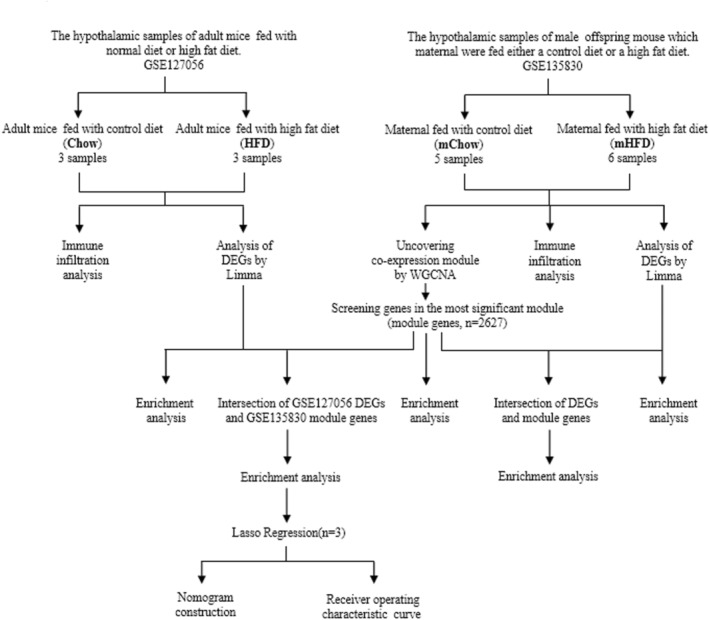
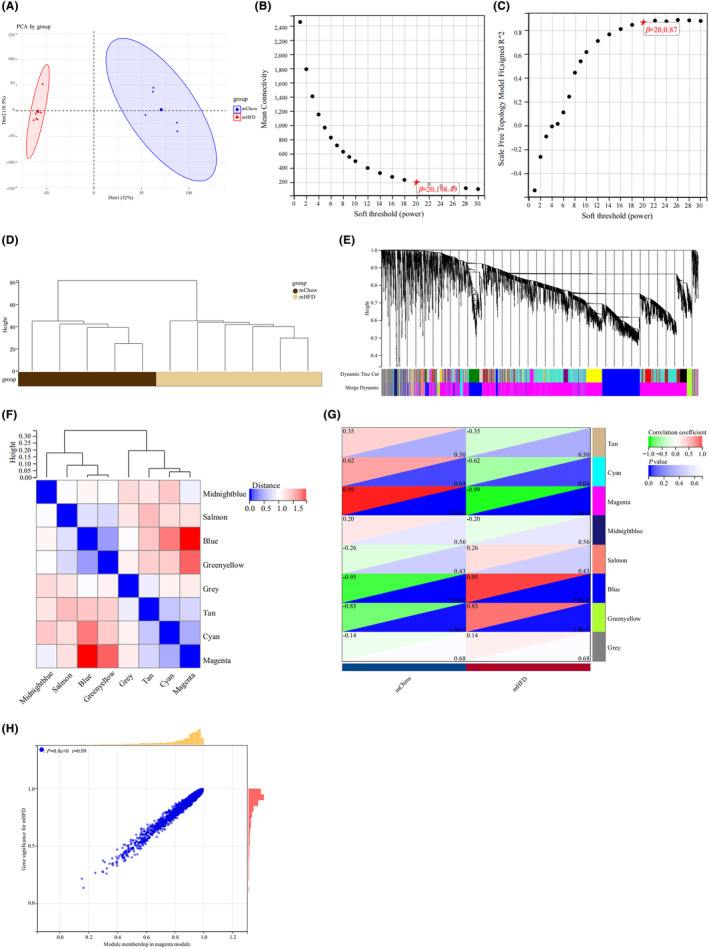
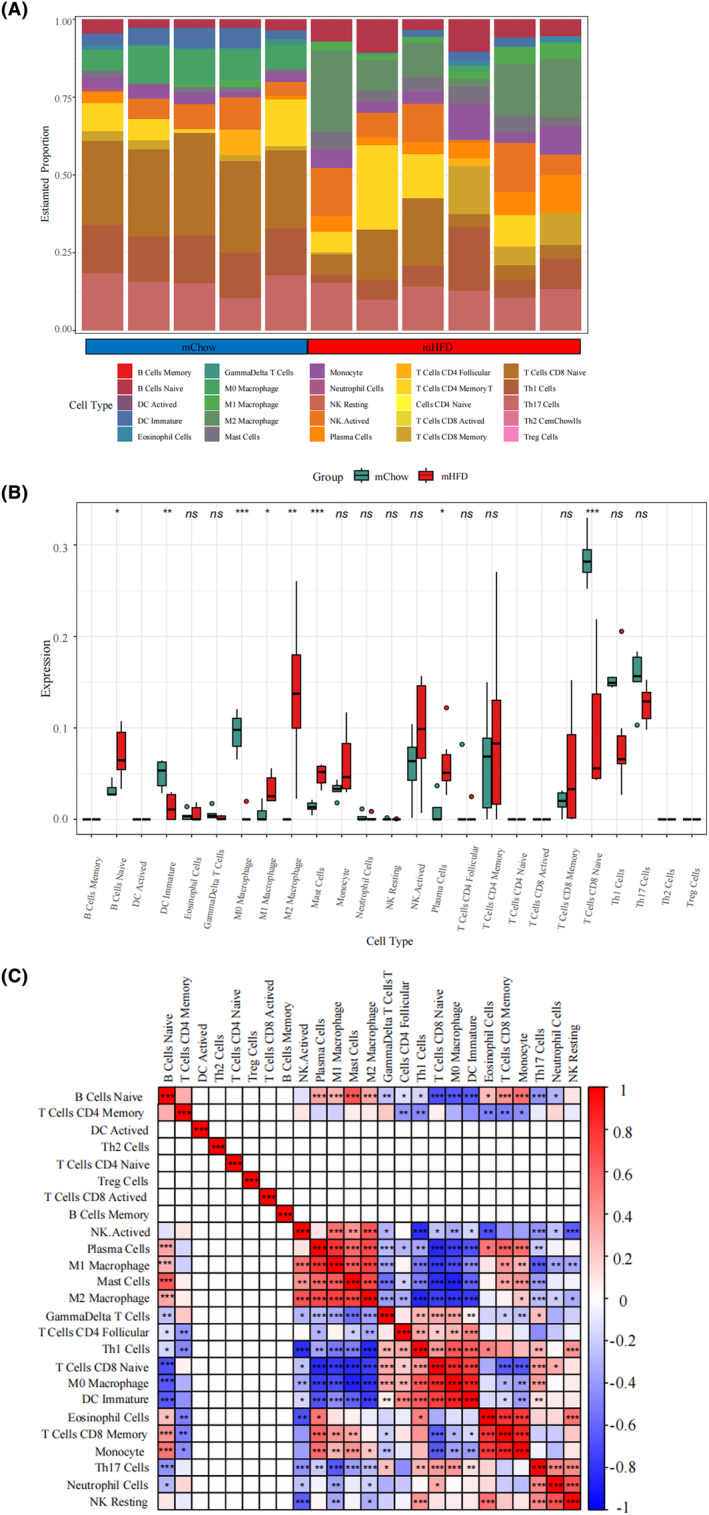
We obtained obesity-related datasets from the Gene Expression Omnibus (GEO) database. GSE135830 comprises gene expression data from the hypothalamus of mouse offspring in a maternal obesity model induced by a high-fat diet model (maternal high-fat diet (mHFD) group and maternal chow (mChow) group), while GSE127056 consists of hypothalamus microarray data from young adult mice with obesity (high-fat diet (HFD) and Chow groups). We identified differentially expressed genes (DEGs) and module genes using Limma and weighted gene co-expression network analysis (WGCNA), conducted functional enrichment analysis, and employed a machine learning algorithm (least absolute shrinkage and selection operator (LASSO) regression) to pinpoint candidate hub genes for diagnosing obesity-associated risk in offspring of maternal obesity. We constructed a nomogram receiver operating characteristic (ROC) curve to evaluate the diagnostic value. Additionally, we analyzed immune cell infiltration to investigate immune cell dysregulation in maternal obesity. Furthermore, we verified the expression of the candidate hub genes both in vivo and in vitro.
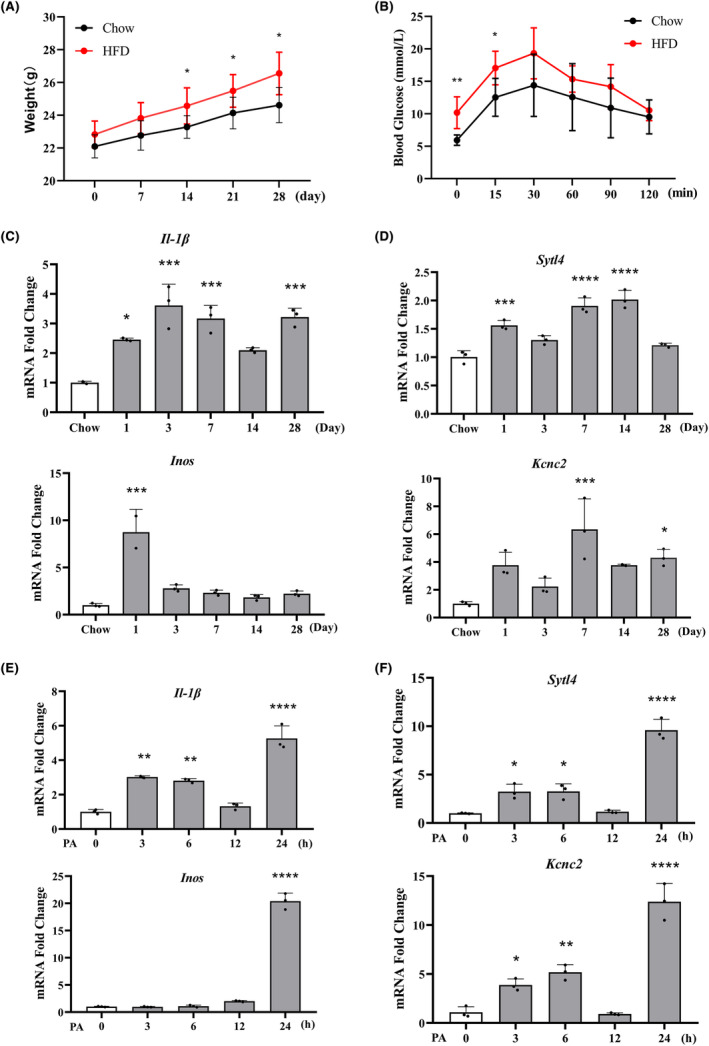
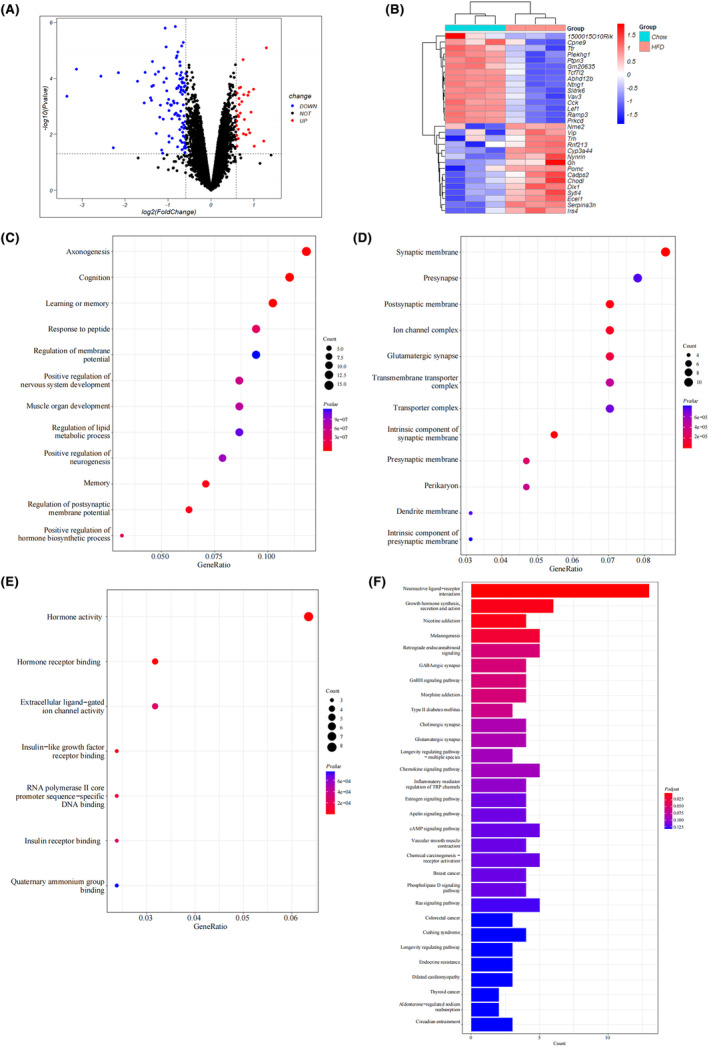
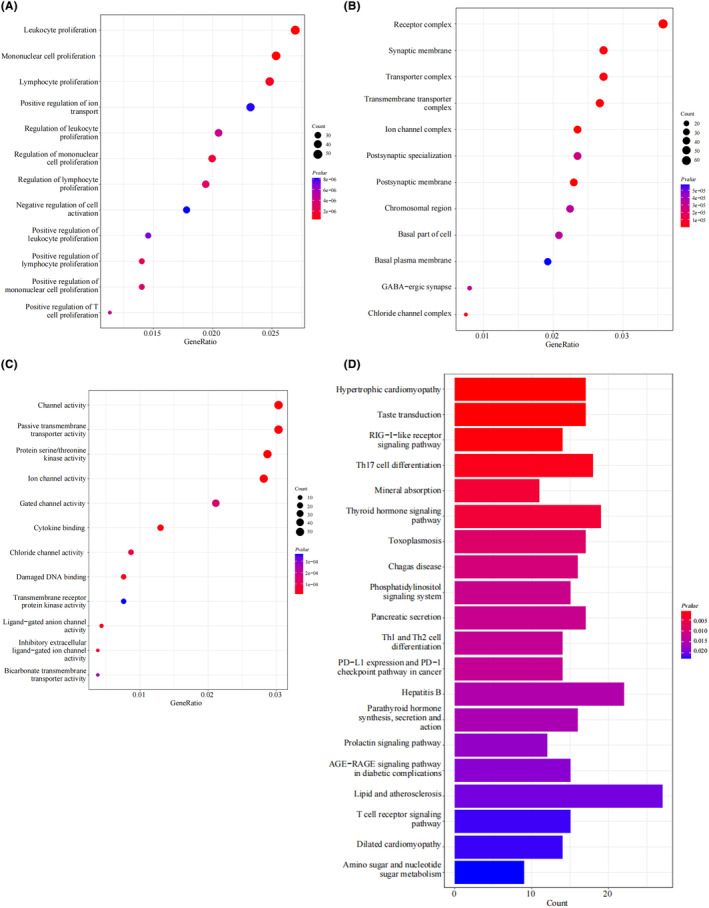
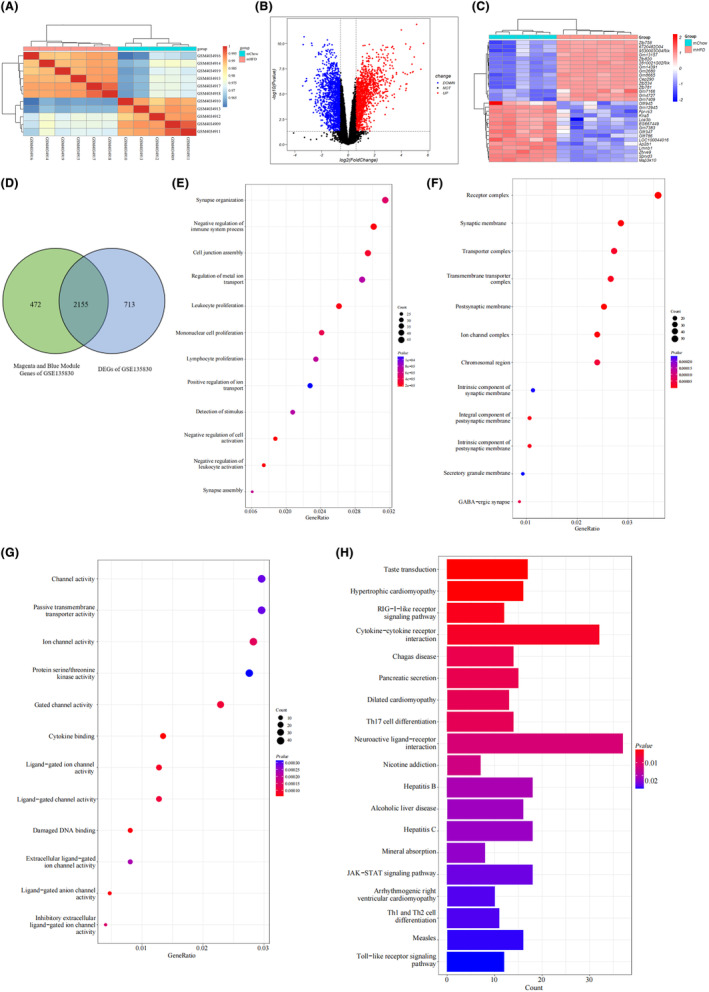
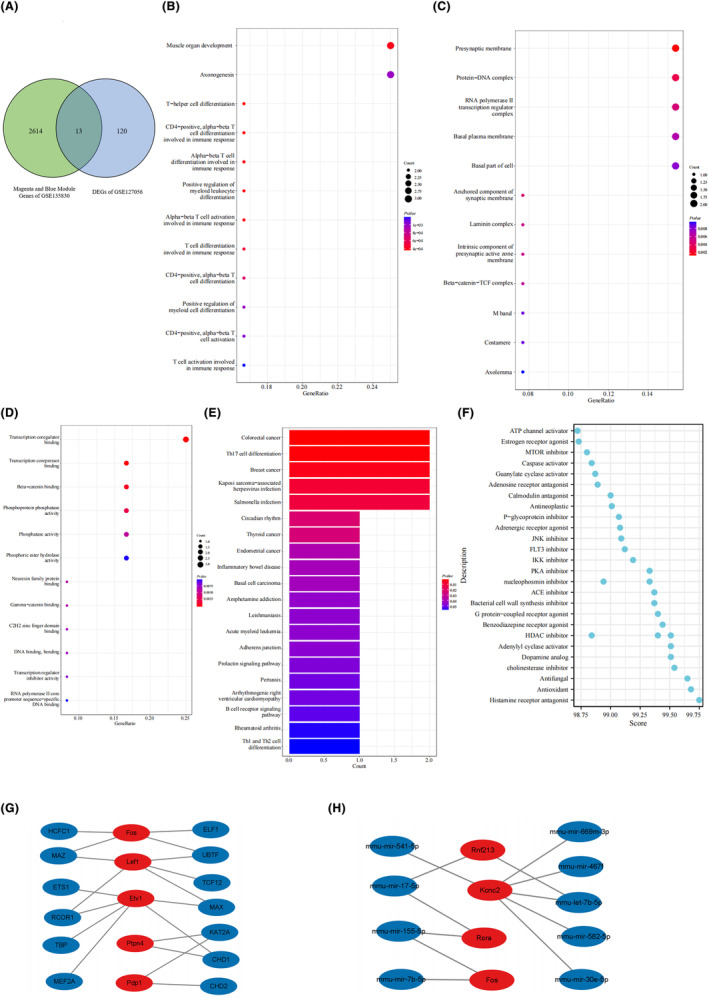
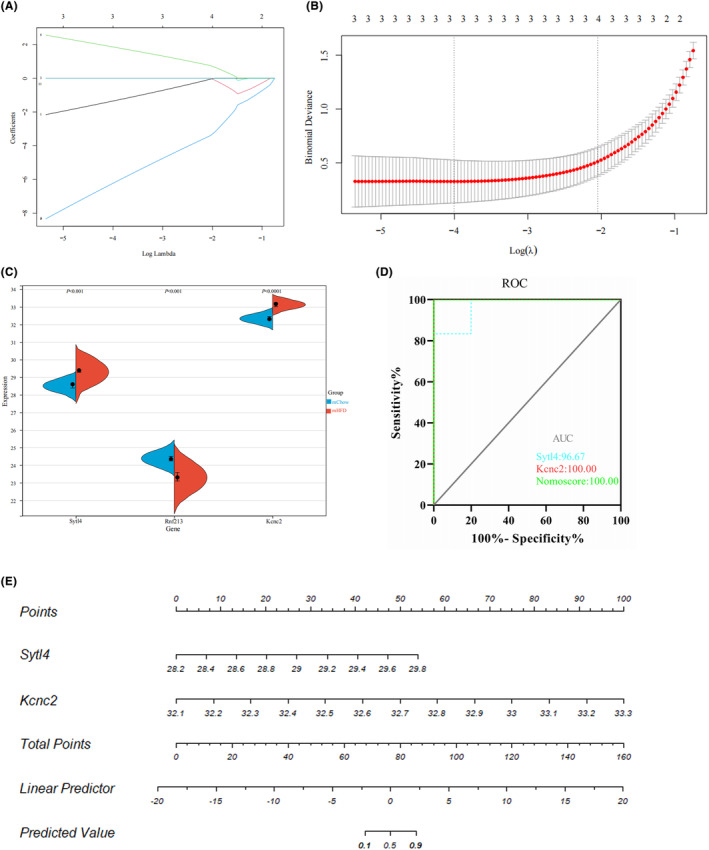
The GSE135830 dataset revealed 2868 DEGs between the mHFD offspring and the mChow group and 2627 WGCNA module genes related to maternal obesity. The overlap of DEGs and module genes in the offspring with maternal obesity in GSE135830 primarily enriched in neurodevelopment and immune regulation. In the GSE127056 dataset, 133 DEGs were identified in the hypothalamus of HFD-induced adult obese individuals. A total of 13 genes intersected between the GSE127056 adult obesity DEGs and the GSE135830 maternal obesity module genes that were primarily enriched in neurodevelopment and the immune response. Following machine learning, two candidate hub genes were chosen for nomogram construction. Diagnostic value evaluation by ROC analysis determined Sytl4 and Kncn2 as hub genes for maternal obesity in the offspring. A gene regulatory network with transcription factor-miRNA interactions was established. Dysregulated immune cells were observed in the hypothalamus of offspring with maternal obesity. Expression of Sytl4 and Kncn2 was validated in a mouse model of hypothalamic inflammation and a palmitic acid-stimulated microglial inflammation model.
Two candidate hub genes (Sytl4 and Kcnc2) were identified and a nomogram was developed to predict obesity risk in offspring with maternal obesity. These findings offer potential diagnostic candidate genes for identifying obesity-associated risks in the offspring of obese mothers.
围产期母体肥胖使后代易患肥胖症。下丘脑的免疫失调,作为调节能量平衡的大脑中枢,在肥胖症的发展中起着关键作用。本研究旨在确定与母体肥胖相关的后代肥胖风险相关的关键候选基因。
我们从基因表达综合数据库(GEO)中获取肥胖相关数据集。GSE135830 包含由高脂肪饮食模型(母体高脂肪饮食(mHFD)组和母体标准饮食(mChow)组)诱导的肥胖母鼠后代下丘脑的基因表达数据,而 GSE127056 则包含肥胖年轻成年鼠下丘脑的微阵列数据(高脂肪饮食(HFD)和 Chow 组)。我们使用 Limma 和加权基因共表达网络分析(WGCNA)来识别差异表达基因(DEGs)和模块基因,进行功能富集分析,并使用机器学习算法(最小绝对收缩和选择算子(LASSO)回归)来确定候选基因作为母体肥胖后代肥胖相关风险的诊断标志物。我们构建了列线图接收机工作特征(ROC)曲线来评估诊断价值。此外,我们还分析了免疫细胞浸润,以研究母体肥胖中的免疫细胞失调。此外,我们在体内和体外验证了候选基因的表达。
GSE135830 数据集显示 mHFD 后代与 mChow 组之间有 2868 个 DEGs,2627 个与母体肥胖相关的 WGCNA 模块基因。在 GSE135830 中,母体肥胖后代的 DEGs 和模块基因的重叠主要富集在神经发育和免疫调节中。在 GSE127056 数据集,133 个 DEGs 在 HFD 诱导的成年肥胖个体的下丘脑被鉴定。在 GSE127056 成年肥胖 DEGs 和 GSE135830 母体肥胖模块基因之间有 13 个基因相交,主要富集在神经发育和免疫反应中。经过机器学习后,选择了两个候选基因用于列线图构建。ROC 分析评估的诊断价值确定 Sytl4 和 Kncn2 为母体肥胖后代的枢纽基因。建立了一个转录因子-miRNA 相互作用的基因调控网络。在母体肥胖后代的下丘脑观察到免疫细胞失调。在下丘脑炎症的小鼠模型和棕榈酸刺激的小胶质细胞炎症模型中验证了 Sytl4 和 Kncn2 的表达。
鉴定了两个候选基因(Sytl4 和 Kcnc2),并开发了一个列线图来预测母体肥胖后代的肥胖风险。这些发现为鉴定肥胖母亲后代肥胖相关风险提供了潜在的诊断候选基因。