Department of Neurosurgery, Charité-Universitätsmedizin Berlin, Charitéplatz 1, 10117, Berlin, Germany.
Department of Neurosurgery, Clinical Center Idar-Oberstein, 55743, Idar-Oberstein, Germany.
Trials. 2024 Mar 28;25(1):223. doi: 10.1186/s13063-024-08067-z.
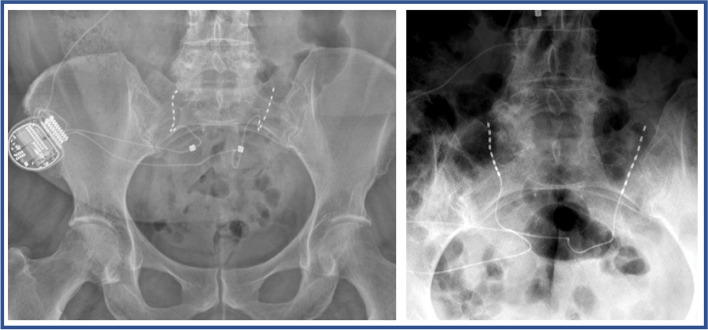
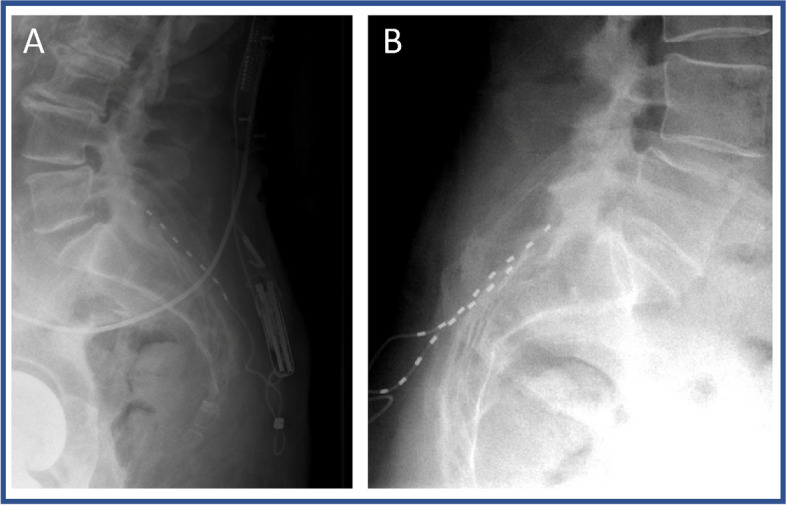
The prevalence of sacroiliac joint pain (SIJP) is estimated to be 10-30% in patients with chronic low back pain. Numerous conservative and surgical treatment modalities for SIJP have been described with limited evidence regarding long-term pain relief. Spinal cord stimulation (SCS) is a well-established technique to treat patients with chronic low back pain. However, the effect on patients with SIJP is not consistent. Therefore, peripheral nerve stimulation (PNS) for chronic SIJP was implemented in experimental trials. Clinical data on PNS for SIJP is still lacking. The authors present a case series and a protocol for a prospective, multicenter study to determine the effect of PNS in patients with chronic intractable SIJP.
A multicenter, prospective randomized controlled trial was designed. Patients with chronic intractable SIJP will be recruited and randomized in a 4:3 ratio to either the peripheral nerve stimulation group or to the best medical treatment group. A total of 90 patients are planned to be enrolled (52 in the PNS group and 38 in the BMT group). Patients in the intervention group receive a percutaneous implantation of a unilateral or bilateral lead which is externalized for a trial phase for 3-14 days. After trial phase only patients with at least 50% reduction of pain receive an impulse generator for permanent stimulation. Regular visits for participants are planned on day 0, after 3 months (± 30 days), 6 months (± 30 days), and 12 months (± 60 days). The primary outcome measurements is the difference in Numeric Pain Rating Scale (NRS) between baseline and after 6 months. Secondary outcomes is improvement of pain associated disability (ODI) and improvement of health-related quality of life after 6 and 12 months.
We have described the protocol for a prospective, multicenter, randomized trial evaluating the influence of PNS on patients with chronic sacroiliac joint syndrome. We believe that PNS on patients with chronic sacroiliac joint syndrome will show promising results regarding pain relief and quality of life in comparison to BMT after 12 months. The design of this trial promises high evidence in comparison to the data to date.
ClinicalTrials.gov, NCT05357300. Registered on April 26, 2022.
据估计,慢性下腰痛患者中骶髂关节疼痛(SIJP)的患病率为 10-30%。已经描述了许多用于治疗 SIJP 的保守和手术治疗方法,但关于长期缓解疼痛的证据有限。脊髓刺激(SCS)是治疗慢性下腰痛的一种成熟技术。然而,对于患有 SIJP 的患者,其效果并不一致。因此,对慢性 SIJP 进行了外周神经刺激(PNS)的实验性试验。关于 SIJP 的 PNS 的临床数据仍然缺乏。作者提出了一系列病例和一项前瞻性、多中心研究方案,以确定 PNS 对慢性难治性 SIJP 患者的疗效。
设计了一项多中心、前瞻性随机对照试验。将招募慢性难治性 SIJP 患者,并按 4:3 的比例随机分为外周神经刺激组或最佳药物治疗组。计划招募 90 名患者(PNS 组 52 名,BMT 组 38 名)。干预组患者接受单侧或双侧经皮植入导丝,进行 3-14 天的试验阶段,然后将导丝外部化。只有至少疼痛减轻 50%的患者才会在试验阶段后接受脉冲发生器进行永久性刺激。计划在第 0 天、3 个月(±30 天)、6 个月(±30 天)和 12 个月(±60 天)对参与者进行定期就诊。主要结局测量是基线和 6 个月后数字疼痛评分量表(NRS)的差异。次要结局是疼痛相关残疾(ODI)的改善和 6 个月和 12 个月后健康相关生活质量的改善。
我们描述了一项前瞻性、多中心、随机试验的方案,该试验评估了 PNS 对慢性骶髂关节综合征患者的影响。我们相信,与 BMT 相比,PNS 治疗慢性骶髂关节综合征患者在 12 个月后在缓解疼痛和提高生活质量方面将显示出有希望的结果。与迄今为止的数据相比,该试验的设计保证了更高的证据水平。
ClinicalTrials.gov,NCT05357300。注册于 2022 年 4 月 26 日。