Yeshaw Yigizie, Madakkatel Iqbal, Mulugeta Anwar, Lumsden Amanda, Hyppönen Elina
Australian Centre for Precision Health, University of South Australia, Adelaide, South Australia, Australia,
UniSA Clinical and Health Sciences, University of South Australia, Adelaide, South Australia, Australia,
Neuroepidemiology. 2024;58(5):369-382. doi: 10.1159/000538565. Epub 2024 Apr 1.
Hippocampal atrophy is an established biomarker for conversion from the normal ageing process to developing cognitive impairment and dementia. This study used a novel hypothesis-free machine-learning approach, to uncover potential risk factors of lower hippocampal volume using information from the world's largest brain imaging study.
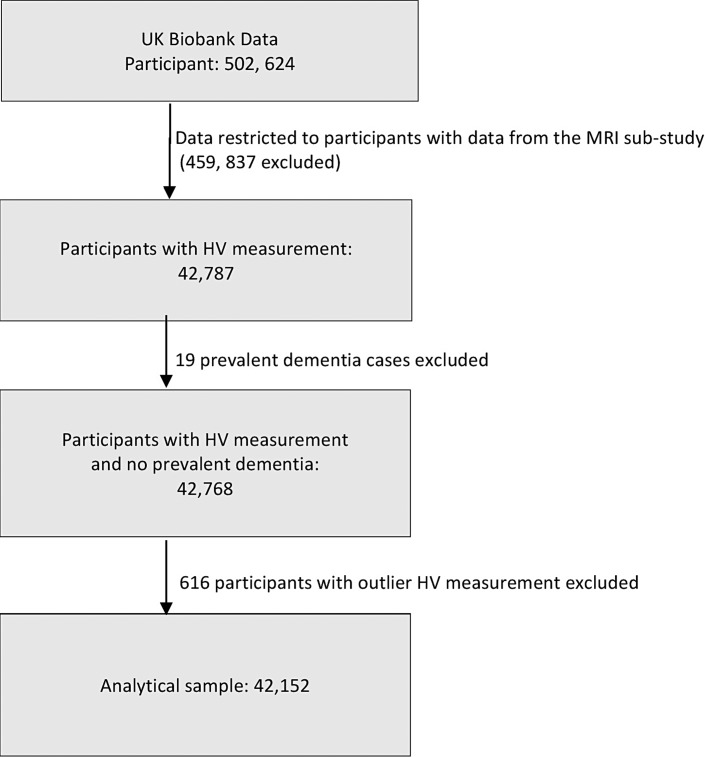
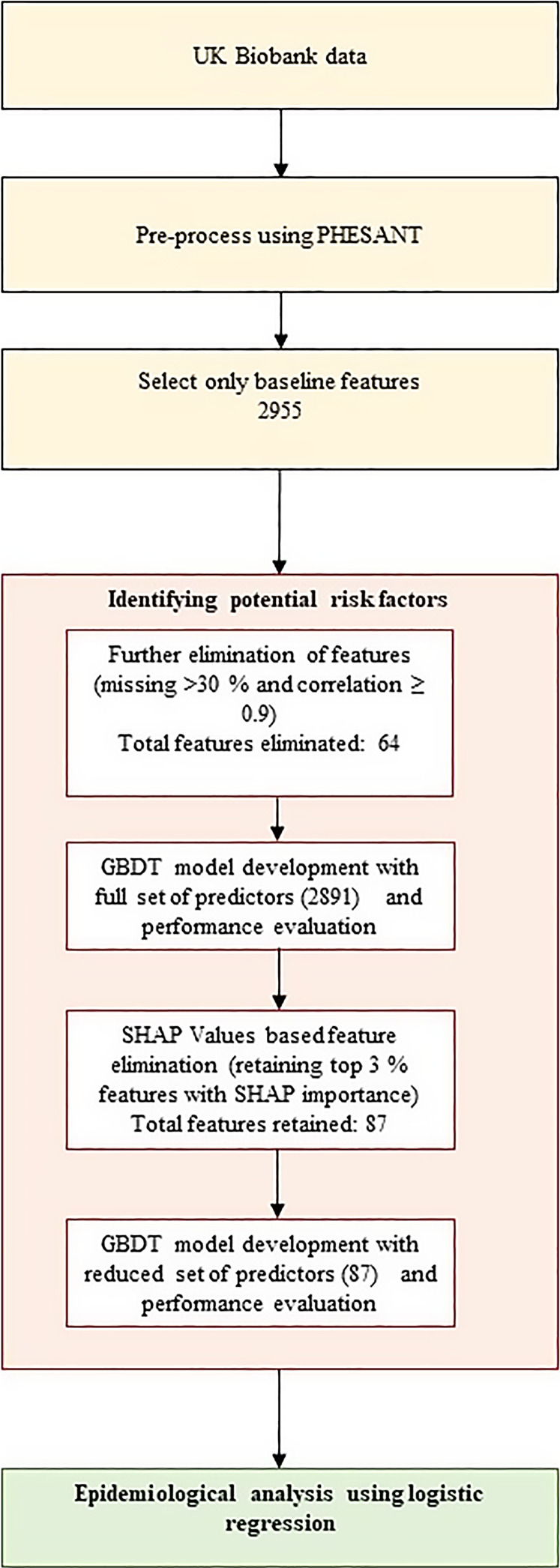
A combination of machine learning and conventional statistical methods were used to identify predictors of low hippocampal volume. We run gradient boosting decision tree modelling including 2,891 input features measured before magnetic resonance imaging assessments (median 9.2 years, range 4.2-13.8 years) using data from 42,152 dementia-free UK Biobank participants. Logistic regression analyses were run on 87 factors identified as important for prediction based on Shapley values. False discovery rate-adjusted p value <0.05 was used to declare statistical significance.
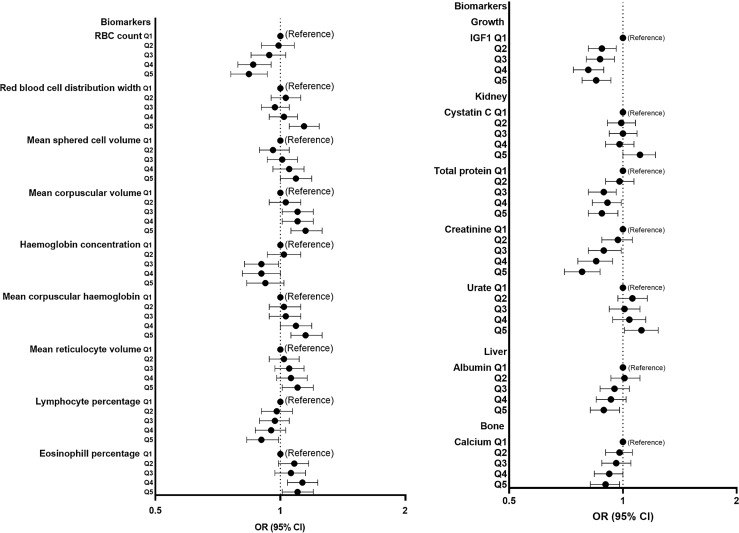
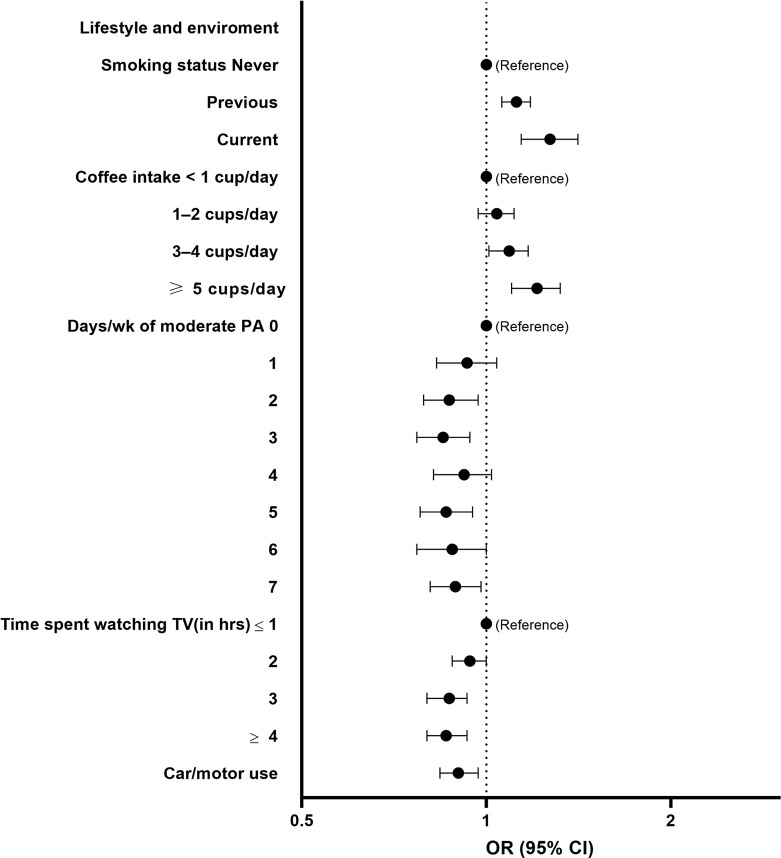
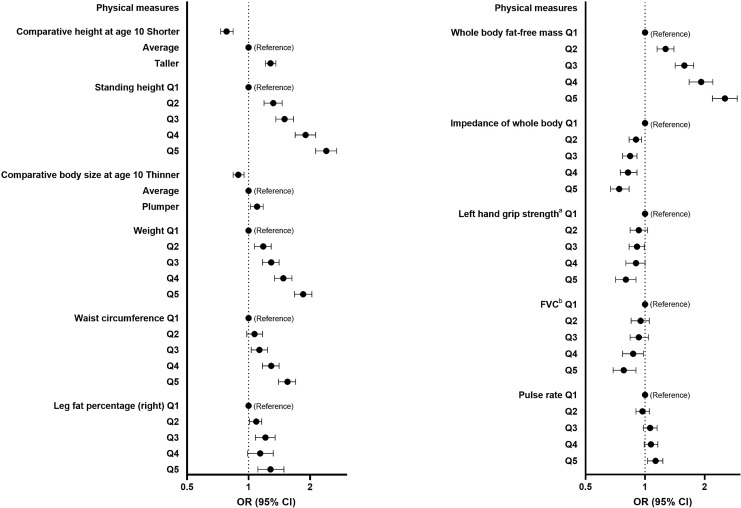
Older age, male sex, greater height, and whole-body fat-free mass were the main predictors of low hippocampal volume with the model also identifying associations with lung function and lifestyle factors including smoking, physical activity, and coffee intake (corrected p < 0.05 for all). Red blood cell count and several red blood cell indices such as haemoglobin concentration, mean corpuscular haemoglobin, mean corpuscular volume, mean reticulocyte volume, mean sphered cell volume, and red blood cell distribution width were among many biomarkers associated with low hippocampal volume.
Lifestyles, physical measures, and biomarkers may affect hippocampal volume, with many of the characteristics potentially reflecting oxygen supply to the brain. Further studies are required to establish causality and clinical relevance of these findings.
海马萎缩是从正常衰老过程转变为认知障碍和痴呆的既定生物标志物。本研究采用了一种全新的无假设机器学习方法,利用来自全球最大脑成像研究的信息,揭示海马体积减小的潜在风险因素。
结合机器学习和传统统计方法来识别海马体积低的预测因素。我们使用来自42152名无痴呆症的英国生物银行参与者的数据,运行梯度提升决策树模型,该模型包含在磁共振成像评估前测量的2891个输入特征(中位数9.2年,范围4.2 - 13.8年)。基于Shapley值对确定为对预测重要的87个因素进行逻辑回归分析。使用错误发现率调整后的p值<0.05来判定统计学显著性。
年龄较大、男性、身高较高和全身去脂体重是海马体积低的主要预测因素,该模型还识别出与肺功能以及生活方式因素(包括吸烟、身体活动和咖啡摄入量)的关联(所有校正p值<0.05)。红细胞计数以及多个红细胞指标,如血红蛋白浓度、平均红细胞血红蛋白含量、平均红细胞体积、平均网织红细胞体积、平均球形细胞体积和红细胞分布宽度,是与海马体积低相关的众多生物标志物之一。
生活方式、身体指标和生物标志物可能会影响海马体积,其中许多特征可能反映了大脑的氧气供应。需要进一步研究来确定这些发现的因果关系和临床相关性。