Sci Rep. 2024 Apr 2;14(1):7526. doi: 10.1038/s41598-024-54655-z.
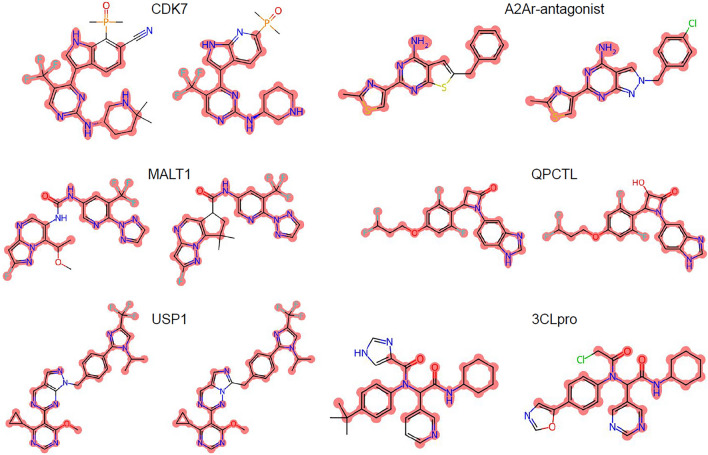
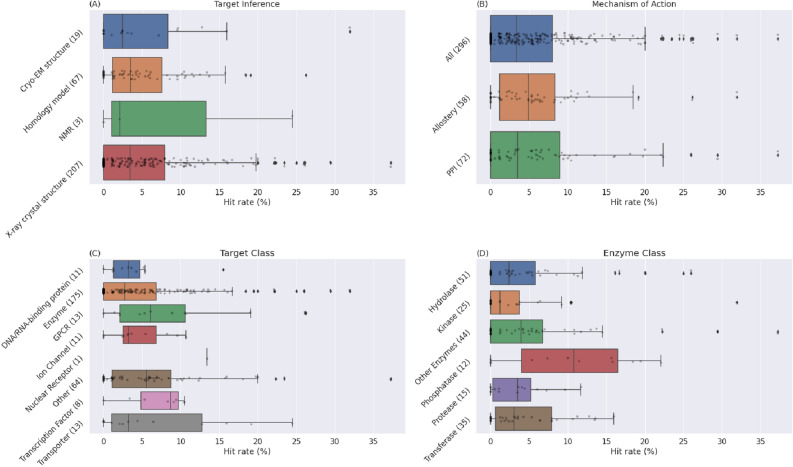
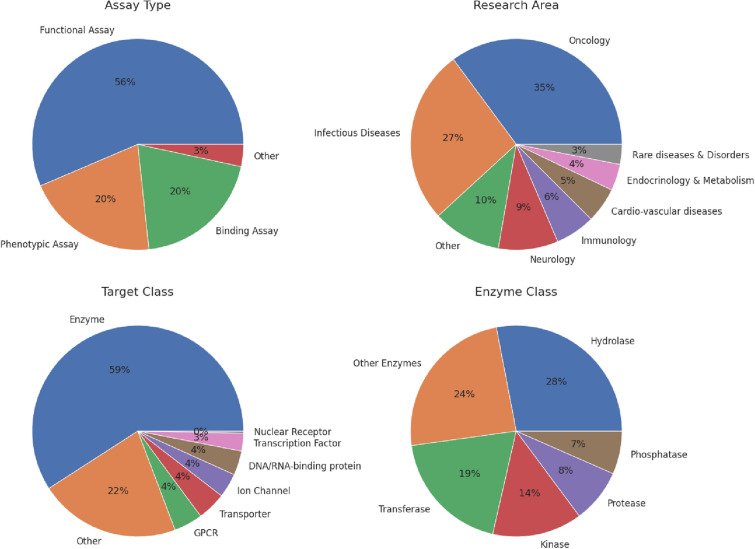
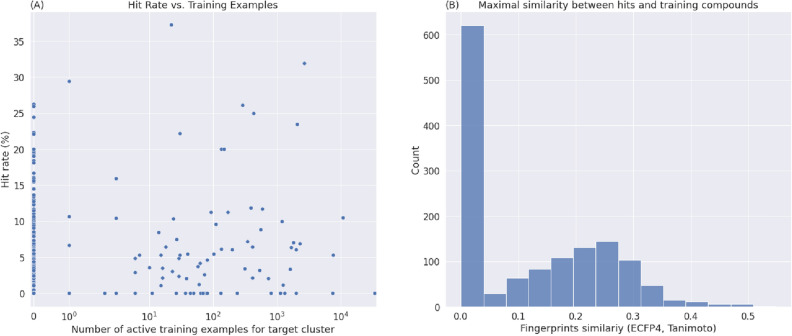
High throughput screening (HTS) is routinely used to identify bioactive small molecules. This requires physical compounds, which limits coverage of accessible chemical space. Computational approaches combined with vast on-demand chemical libraries can access far greater chemical space, provided that the predictive accuracy is sufficient to identify useful molecules. Through the largest and most diverse virtual HTS campaign reported to date, comprising 318 individual projects, we demonstrate that our AtomNet® convolutional neural network successfully finds novel hits across every major therapeutic area and protein class. We address historical limitations of computational screening by demonstrating success for target proteins without known binders, high-quality X-ray crystal structures, or manual cherry-picking of compounds. We show that the molecules selected by the AtomNet® model are novel drug-like scaffolds rather than minor modifications to known bioactive compounds. Our empirical results suggest that computational methods can substantially replace HTS as the first step of small-molecule drug discovery.
高通量筛选 (HTS) 通常用于鉴定具有生物活性的小分子。这需要物理化合物,这限制了可及化学空间的覆盖范围。计算方法与庞大的按需化学库相结合,可以访问更大的化学空间,前提是预测准确性足以识别有用的分子。通过迄今为止最大和最多样化的虚拟 HTS 活动,包括 318 个独立项目,我们证明我们的 AtomNet®卷积神经网络能够成功地在每个主要治疗领域和蛋白质类别中找到新的命中。我们通过证明对没有已知配体、高质量 X 射线晶体结构或化合物手动精选的靶蛋白的成功,解决了计算筛选的历史局限性。我们表明,AtomNet®模型选择的分子是新颖的类药物支架,而不是已知生物活性化合物的微小修饰。我们的经验结果表明,计算方法可以在很大程度上替代 HTS,成为小分子药物发现的第一步。