Kang Yilin, Hepojoki Jussi, Maldonado Rocio Sartori, Mito Takayuki, Terzioglu Mügen, Manninen Tuula, Kant Ravi, Singh Sachin, Othman Alaa, Verma Rohit, Uusimaa Johanna, Wartiovaara Kirmo, Kareinen Lauri, Zamboni Nicola, Nyman Tuula Anneli, Paetau Anders, Kipar Anja, Vapalahti Olli, Suomalainen Anu
Stem Cell and Metabolism Research Program Unit, Faculty of Medicine, University of Helsinki, Helsinki, Finland.
Department of Virology, Faculty of Medicine, University of Helsinki, Helsinki, Finland.
Nature. 2024 Apr;628(8009):844-853. doi: 10.1038/s41586-024-07260-z. Epub 2024 Apr 3.
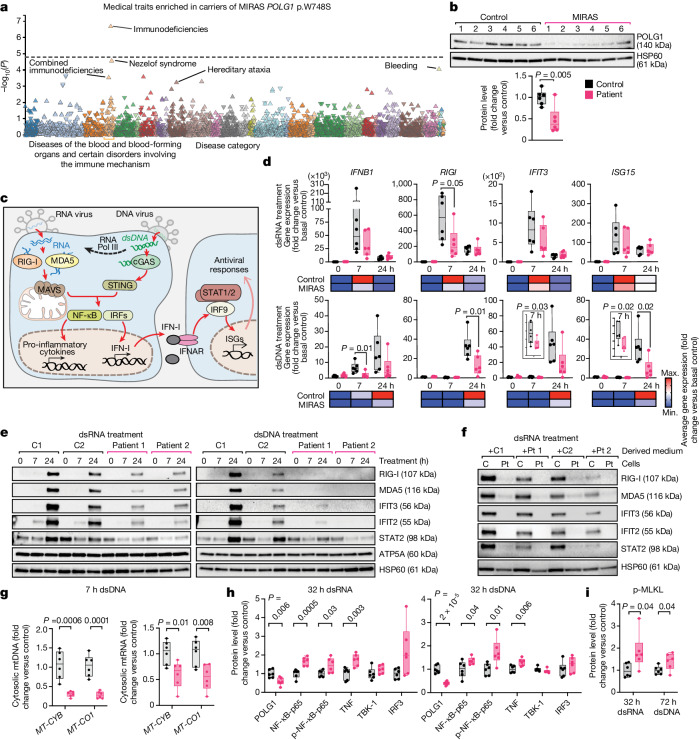
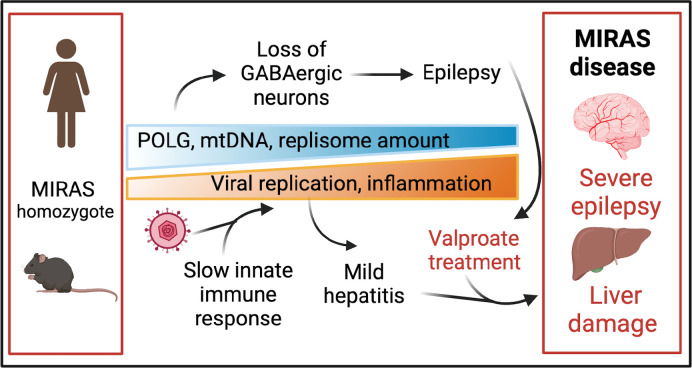
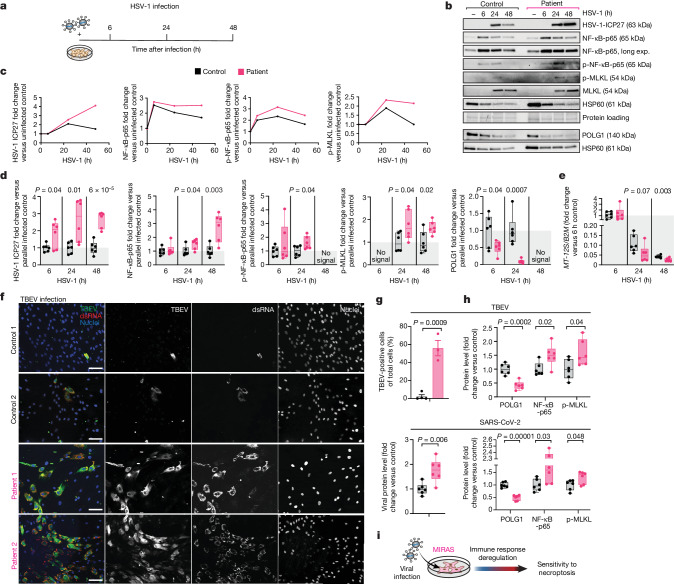
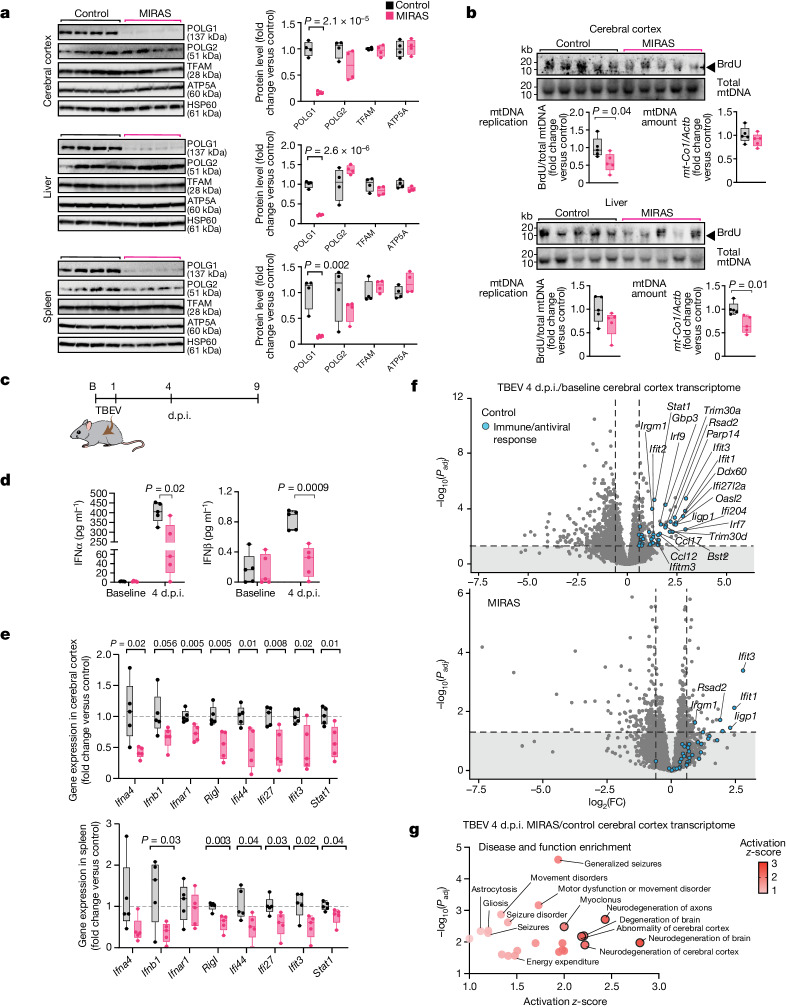
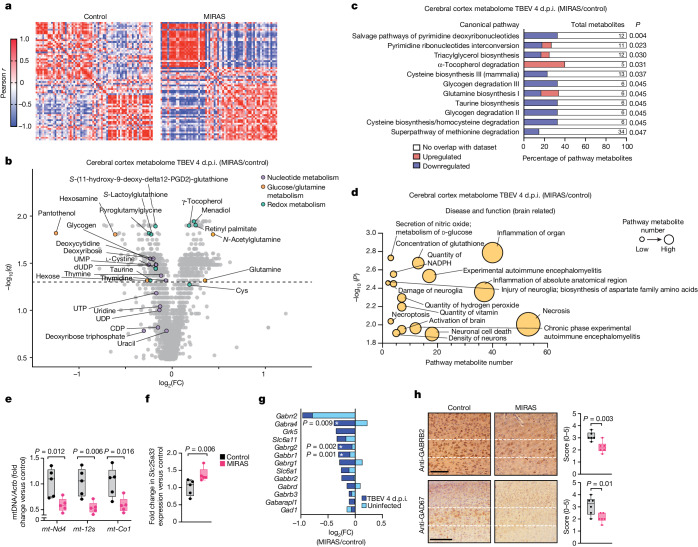
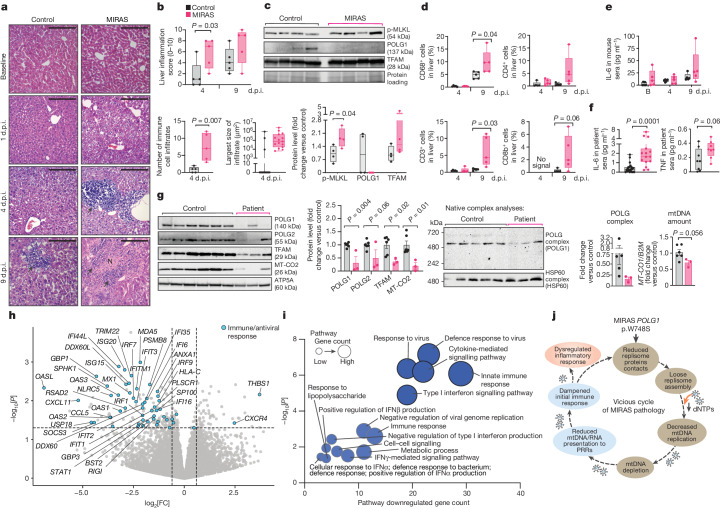
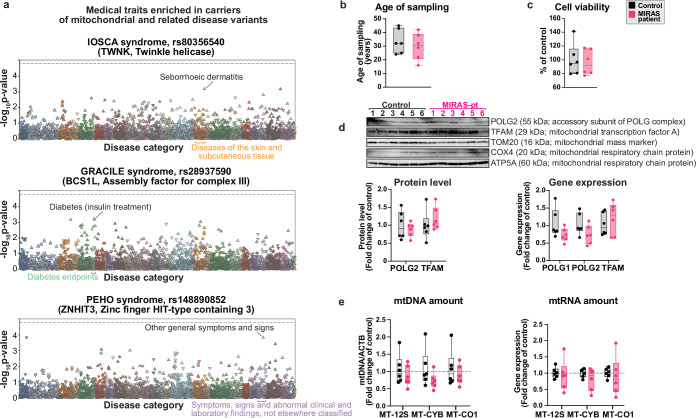
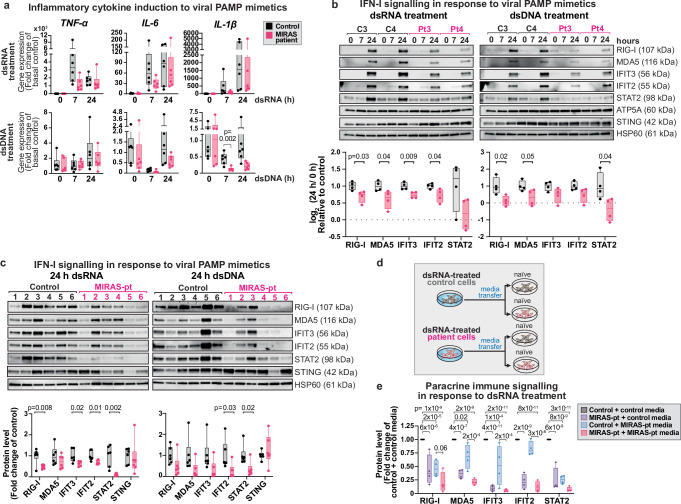
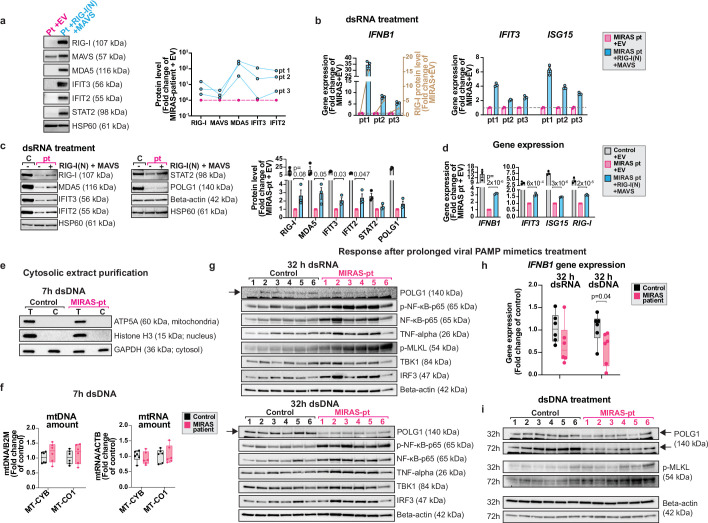
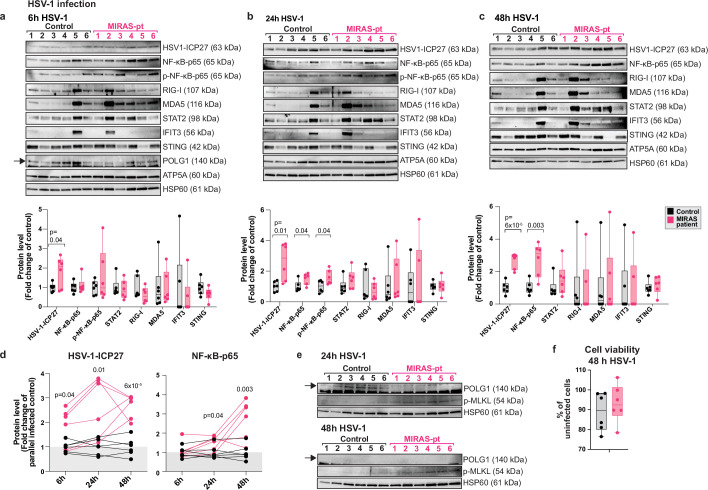
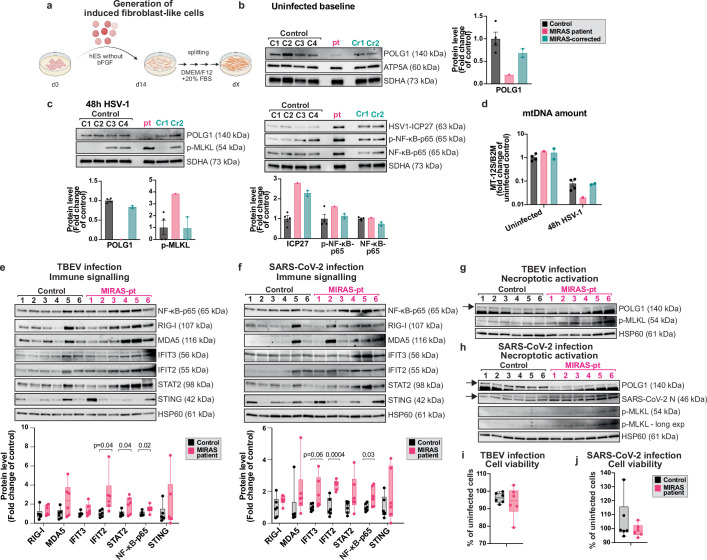
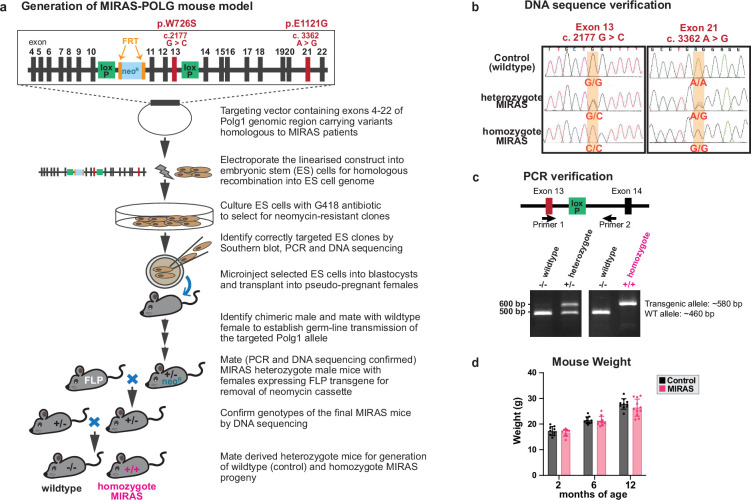
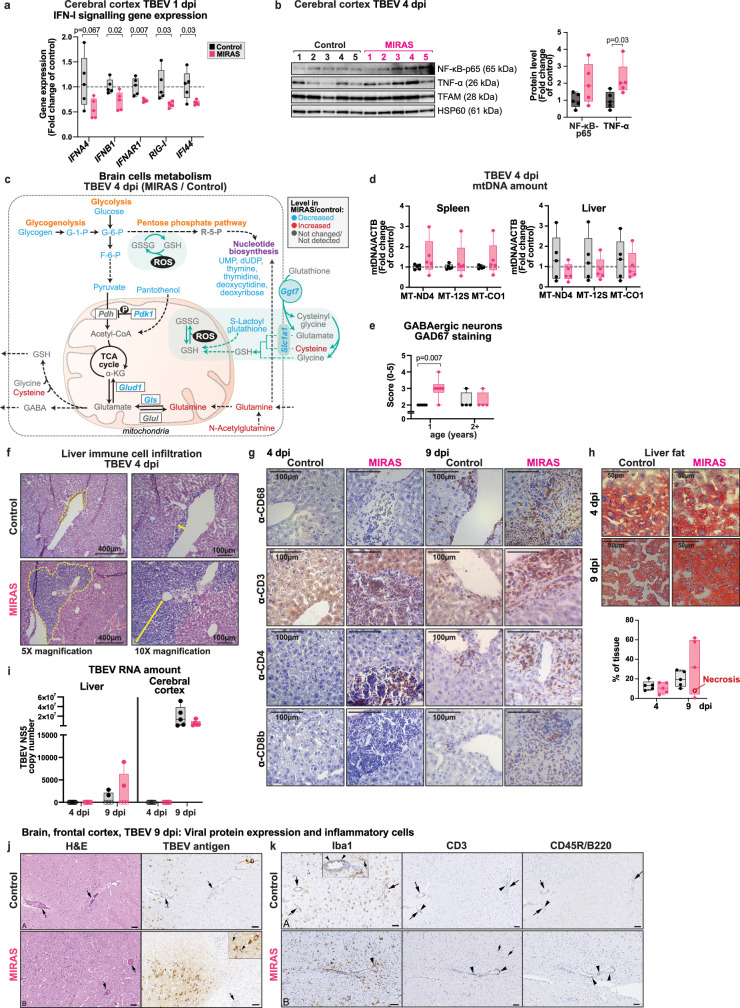
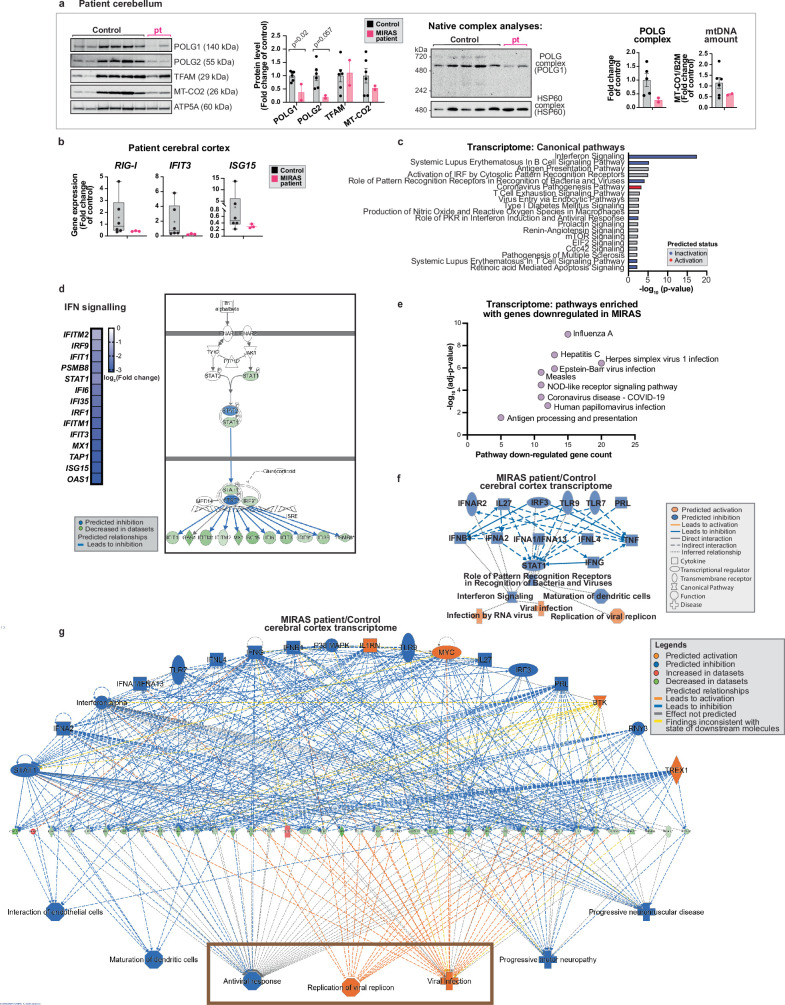
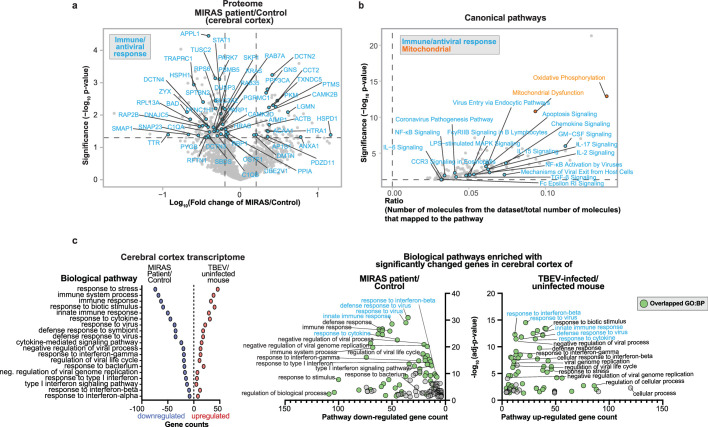
Mitochondria are critical modulators of antiviral tolerance through the release of mitochondrial RNA and DNA (mtDNA and mtRNA) fragments into the cytoplasm after infection, activating virus sensors and type-I interferon (IFN-I) response. The relevance of these mechanisms for mitochondrial diseases remains understudied. Here we investigated mitochondrial recessive ataxia syndrome (MIRAS), which is caused by a common European founder mutation in DNA polymerase gamma (POLG1). Patients homozygous for the MIRAS variant p.W748S show exceptionally variable ages of onset and symptoms, indicating that unknown modifying factors contribute to disease manifestation. We report that the mtDNA replicase POLG1 has a role in antiviral defence mechanisms to double-stranded DNA and positive-strand RNA virus infections (HSV-1, TBEV and SARS-CoV-2), and its p.W748S variant dampens innate immune responses. Our patient and knock-in mouse data show that p.W748S compromises mtDNA replisome stability, causing mtDNA depletion, aggravated by virus infection. Low mtDNA and mtRNA release into the cytoplasm and a slow IFN response in MIRAS offer viruses an early replicative advantage, leading to an augmented pro-inflammatory response, a subacute loss of GABAergic neurons and liver inflammation and necrosis. A population databank of around 300,000 Finnish individuals demonstrates enrichment of immunodeficient traits in carriers of the POLG1 p.W748S mutation. Our evidence suggests that POLG1 defects compromise antiviral tolerance, triggering epilepsy and liver disease. The finding has important implications for the mitochondrial disease spectrum, including epilepsy, ataxia and parkinsonism.
线粒体是抗病毒耐受性的关键调节因子,在感染后通过将线粒体RNA和DNA(mtDNA和mtRNA)片段释放到细胞质中,激活病毒传感器和I型干扰素(IFN-I)反应。这些机制与线粒体疾病的相关性仍未得到充分研究。在这里,我们研究了线粒体隐性共济失调综合征(MIRAS),它由DNA聚合酶γ(POLG1)中常见的欧洲始祖突变引起。MIRAS变体p.W748S的纯合患者表现出异常多变的发病年龄和症状,这表明未知的修饰因素导致了疾病表现。我们报告说,mtDNA复制酶POLG1在针对双链DNA和正链RNA病毒感染(HSV-1、TBEV和SARS-CoV-2)的抗病毒防御机制中起作用,其p.W748S变体减弱了先天免疫反应。我们的患者和基因敲入小鼠数据表明,p.W748S损害了mtDNA复制体的稳定性,导致mtDNA耗竭,病毒感染会使其加剧。MIRAS中mtDNA和mtRNA向细胞质的低释放以及缓慢的IFN反应为病毒提供了早期复制优势,导致促炎反应增强、GABA能神经元亚急性丧失以及肝脏炎症和坏死。一个约有30万芬兰人的人群数据库显示,POLG1 p.W748S突变携带者中免疫缺陷特征富集。我们的证据表明,POLG1缺陷会损害抗病毒耐受性,引发癫痫和肝病。这一发现对包括癫痫、共济失调和帕金森症在内的线粒体疾病谱具有重要意义。