Department of Biological Sciences, Ulsan National Institute of Science and Technology (UNIST), Ulsan, 44919, Republic of Korea.
National Creative Research Center for Cell Plasticity, KAIST Stem Cell Center, Department of Biological Sciences, KAIST, Daejeon, 34141, Republic of Korea.
Exp Mol Med. 2024 Apr;56(4):877-889. doi: 10.1038/s12276-024-01209-y. Epub 2024 Apr 5.
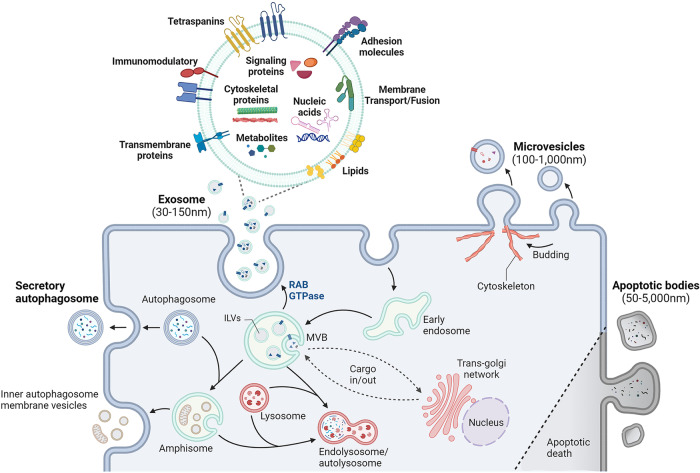
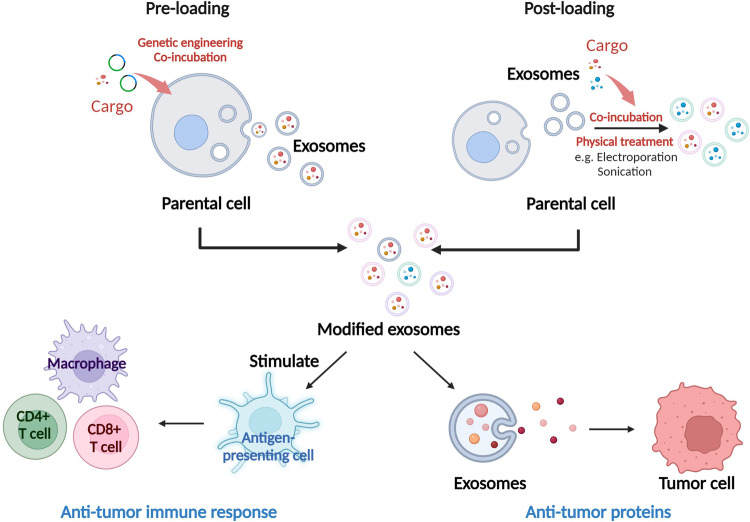
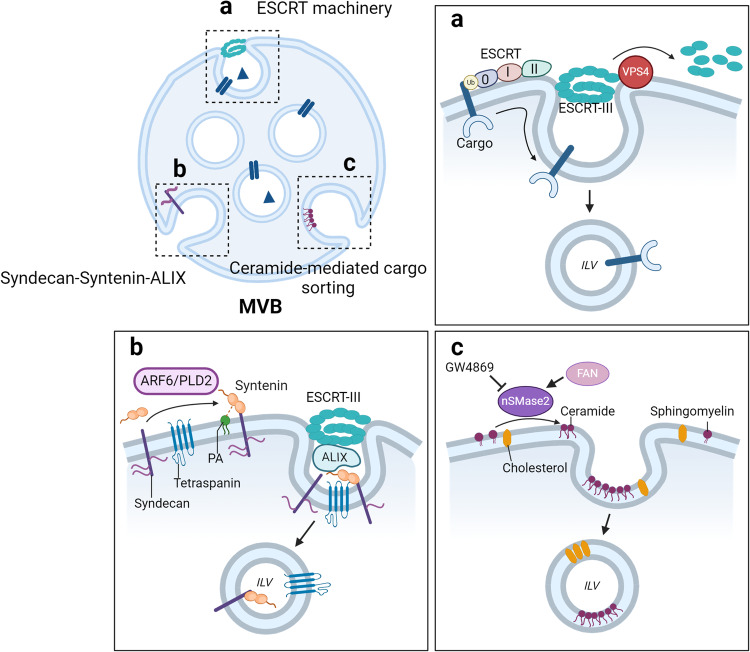
Extracellular vesicles (EVs), including exosomes, are increasingly recognized as potent mediators of intercellular communication due to their capacity to transport a diverse array of bioactive molecules. They assume vital roles in a wide range of physiological and pathological processes and hold significant promise as emerging disease biomarkers, therapeutic agents, and carriers for drug delivery. Exosomes encompass specific groups of membrane proteins, lipids, nucleic acids, cytosolic proteins, and other signaling molecules within their interior. These cargo molecules dictate targeting specificity and functional roles upon reaching recipient cells. Despite our growing understanding of the significance of exosomes in diverse biological processes, the molecular mechanisms governing the selective sorting and packaging of cargo within exosomes have not been fully elucidated. In this review, we summarize current insights into the molecular mechanisms that regulate the sorting of various molecules into exosomes, the resulting biological functions, and potential clinical applications, with a particular emphasis on their relevance in cancer and other diseases. A comprehensive understanding of the loading processes and mechanisms involved in exosome cargo sorting is essential for uncovering the physiological and pathological roles of exosomes, identifying therapeutic targets, and advancing the clinical development of exosome-based therapeutics.
细胞外囊泡(EVs),包括外泌体,由于其能够运输多种生物活性分子,因此被越来越多地认为是细胞间通讯的有效介质。它们在广泛的生理和病理过程中发挥着重要作用,并有望成为新兴的疾病生物标志物、治疗剂和药物递送载体。外泌体包含其内部的特定膜蛋白、脂质、核酸、胞质蛋白和其他信号分子等货物分子。这些货物分子决定了到达受体细胞后的靶向特异性和功能作用。尽管我们对细胞外囊泡在各种生物学过程中的重要性的理解不断加深,但调节细胞外囊泡内货物选择性分拣和包装的分子机制尚未完全阐明。在这篇综述中,我们总结了目前对调节各种分子分拣到外泌体中的分子机制的认识,以及由此产生的生物学功能和潜在的临床应用,特别强调了它们在癌症和其他疾病中的相关性。全面了解外泌体货物分拣中涉及的加载过程和机制对于揭示外泌体的生理和病理作用、确定治疗靶点以及推进外泌体治疗的临床发展至关重要。