Grandjean Till, Perumal Natarajan, Manicam Caroline, Matthey Björn, Wu Tao, Thiem Daniel G E, Stein Stefan, Henrich Dirk, Kämmerer Peer W, Al-Nawas Bilal, Ritz Ulrike, Blatt Sebastian
Department of Orthopedics and Traumatology, University Medical Center of the Johannes Gutenberg University Mainz, Mainz, Germany.
Department of Ophthalmology, University Medical Center of the Johannes Gutenberg University Mainz, Mainz, Germany.
Front Bioeng Biotechnol. 2024 Mar 26;12:1363380. doi: 10.3389/fbioe.2024.1363380. eCollection 2024.
Autologous platelet concentrate (APC) are pro-angiogenic and can promote wound healing and tissue repair, also in combination with other biomaterials. However, challenging defect situations remain demanding. 3D bioprinting of an APC based bioink encapsulated in a hydrogel could overcome this limitation with enhanced physio-mechanical interface, growth factor retention/secretion and defect-personalized shape to ultimately enhance regeneration.
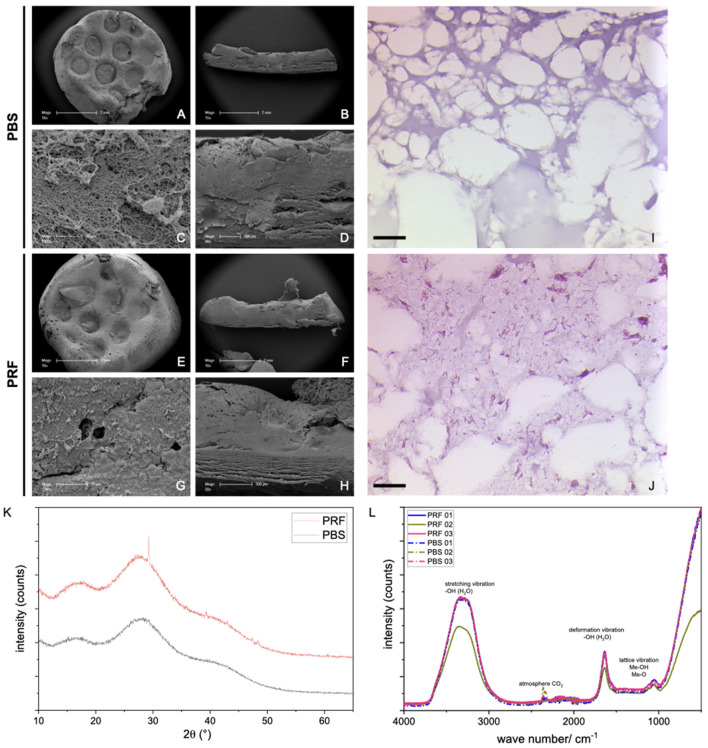
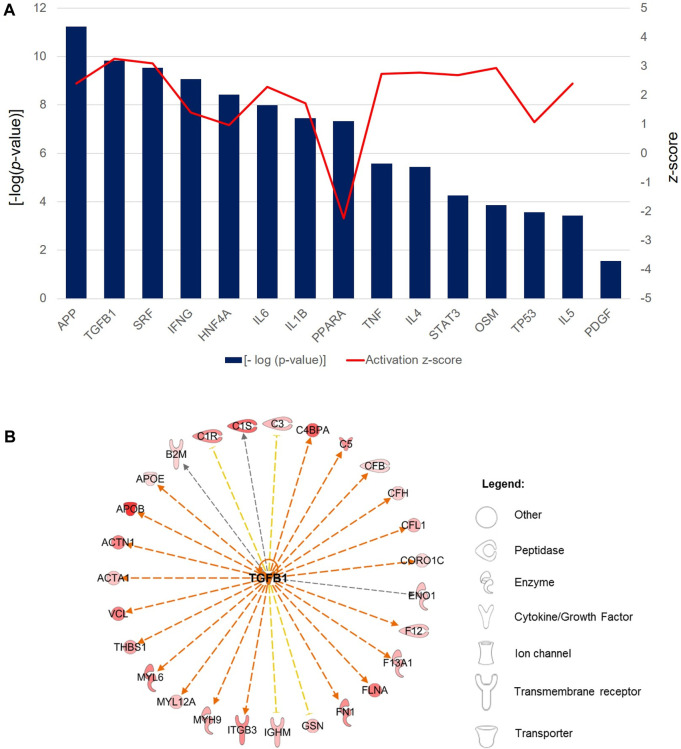
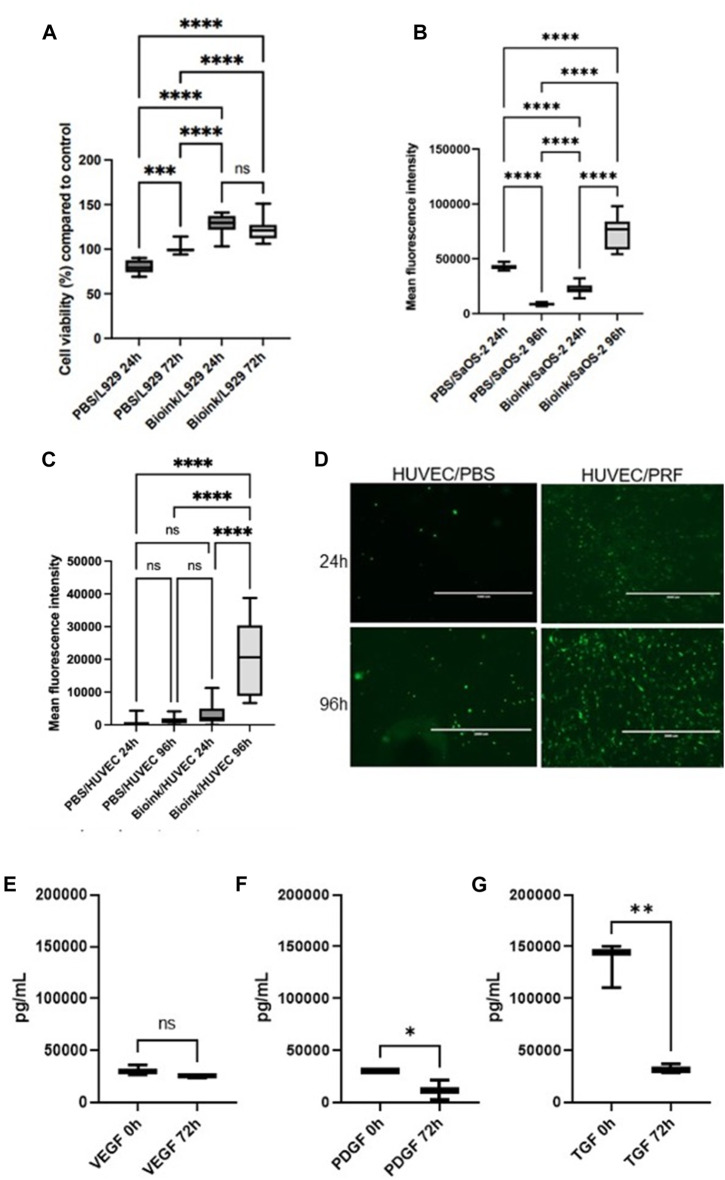
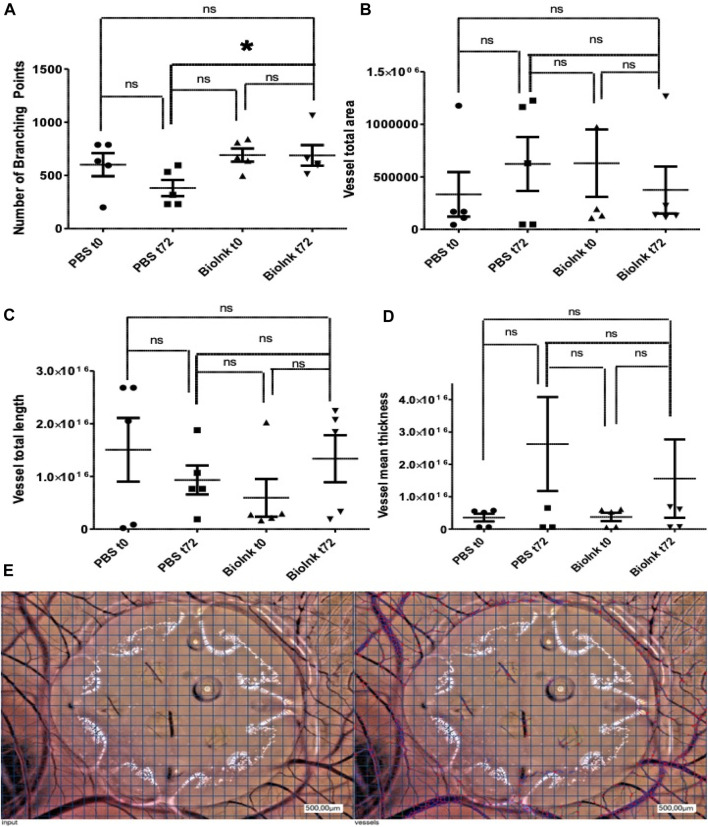
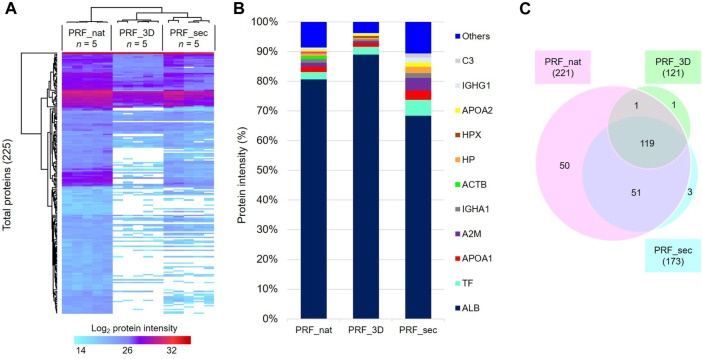
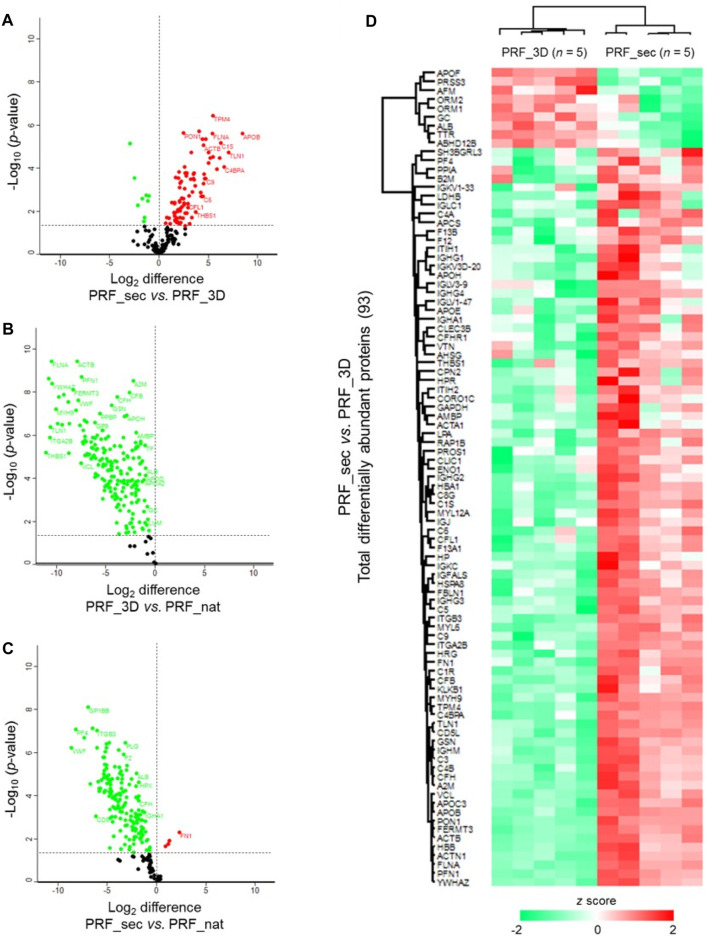
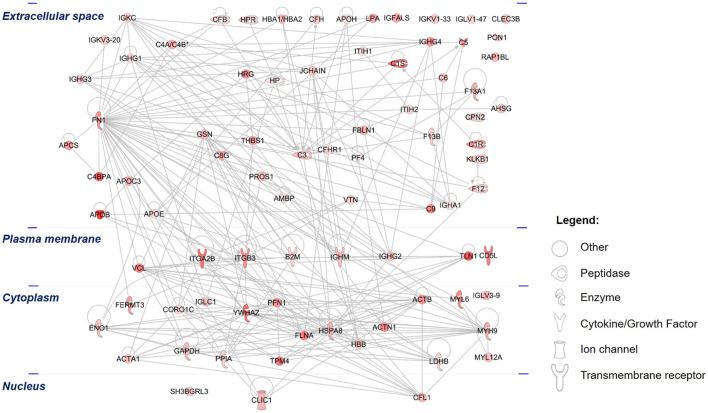
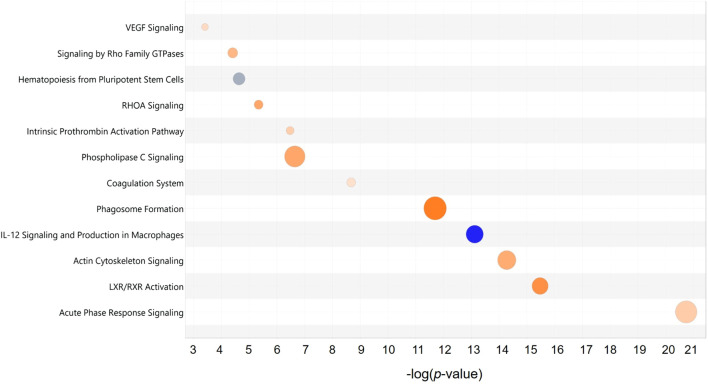
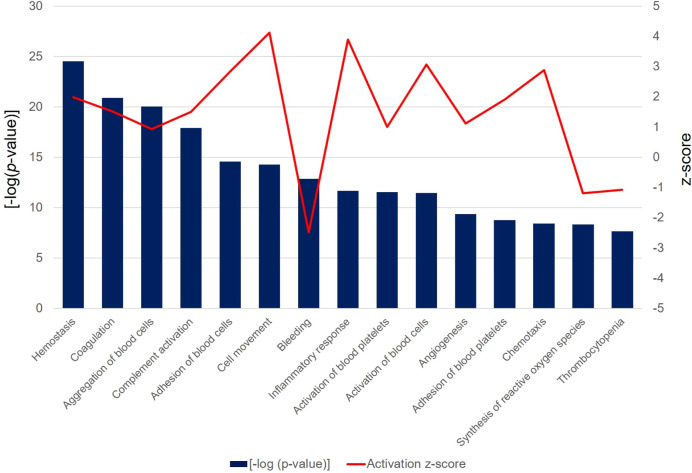
This study used extrusion-based bioprinting to create a novel bioink of alginate/cellulose hydrogel loaded with thrombocyte concentrate. Chemico-physical testing exhibited an amorphous structure characterized by high shape fidelity. Cytotoxicity assay and incubation of human osteogenic sarcoma cells (SaOs2) exposed excellent biocompatibility. enzyme-linked immunosorbent assay analysis confirmed pro-angiogenic growth factor release of the printed constructs, and co-incubation with HUVECS displayed proper cell viability and proliferation. Chorioallantoic membrane (CAM) assay explored the pro-angiogenic potential of the prints . Detailed proteome and secretome analysis revealed a substantial amount and homologous presence of pro-angiogenic proteins in the 3D construct.
This study demonstrated a 3D bioprinting approach to fabricate a novel bioink of alginate/cellulose hydrogel loaded with thrombocyte concentrate with high shape fidelity, biocompatibility, and substantial pro-angiogenic properties.
This approach may be suitable for challenging physiological and anatomical defect situations when translated into clinical use.
自体血小板浓缩物(APC)具有促血管生成作用,能够促进伤口愈合和组织修复,与其他生物材料联合使用时也是如此。然而,具有挑战性的缺损情况仍然需要更好的解决方案。将包裹在水凝胶中的基于APC的生物墨水进行3D生物打印,可以通过增强物理机械界面、生长因子保留/分泌以及缺损个性化形状来克服这一局限性,最终促进再生。
本研究采用基于挤出的生物打印技术,制备了一种负载血小板浓缩物的藻酸盐/纤维素水凝胶新型生物墨水。化学物理测试显示其具有以高形状保真度为特征的无定形结构。细胞毒性试验以及人骨肉瘤细胞(SaOs2)培养显示出优异的生物相容性。酶联免疫吸附测定分析证实了打印构建体中促血管生成生长因子的释放,并且与人类脐静脉内皮细胞(HUVECS)共同培养显示出良好的细胞活力和增殖能力。鸡胚绒毛尿囊膜(CAM)试验探究了打印物的促血管生成潜力。详细的蛋白质组和分泌组分析揭示了3D构建体中大量且同源存在的促血管生成蛋白。
本研究展示了一种3D生物打印方法,可制备出一种负载血小板浓缩物的藻酸盐/纤维素水凝胶新型生物墨水,具有高形状保真度、生物相容性和显著的促血管生成特性。
当转化为临床应用时,这种方法可能适用于具有挑战性的生理和解剖缺损情况。