Zhou Lingqi, Liu Xuemei, Wu Tong, Liu Qundi, Jing Meilian, Li Huahan, Xu Ning, Tang Hai
Guangzhou Institute of Pediatrics, Guangzhou Women and Children's Medical Center, Guangzhou, 510623, China.
Guangzhou Key Laboratory of Child Neurodevelopment, Guangzhou, 510623, China.
Heliyon. 2024 Mar 26;10(7):e28439. doi: 10.1016/j.heliyon.2024.e28439. eCollection 2024 Apr 15.
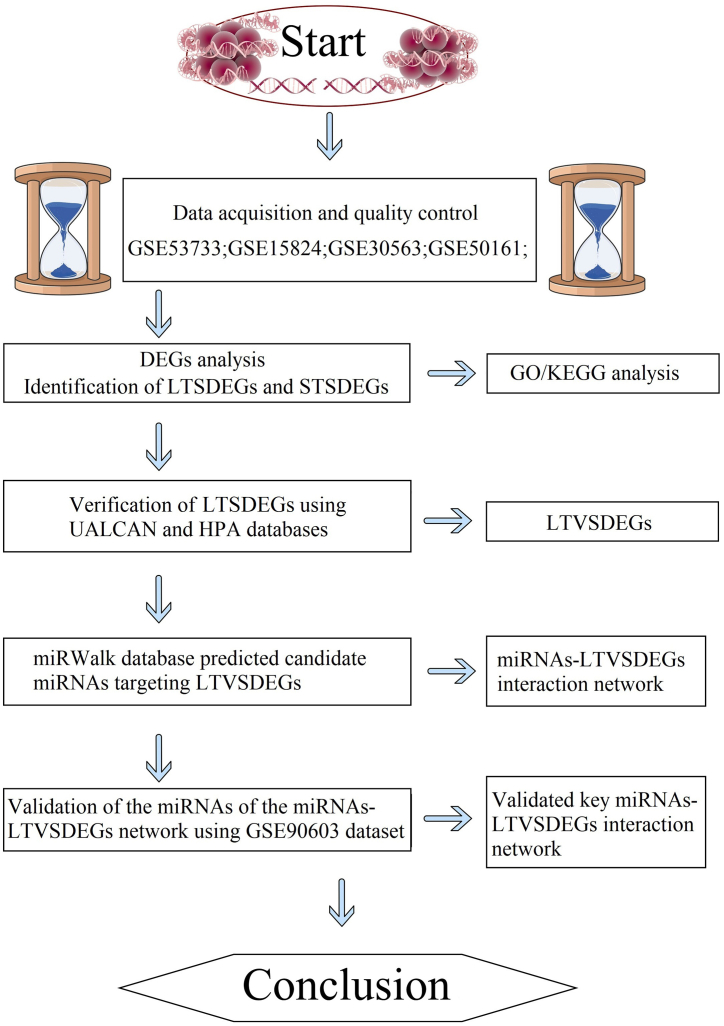
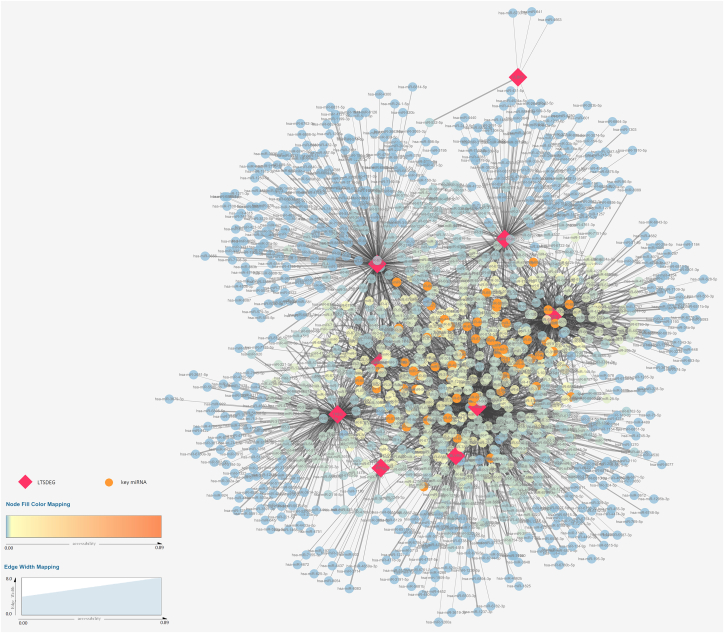
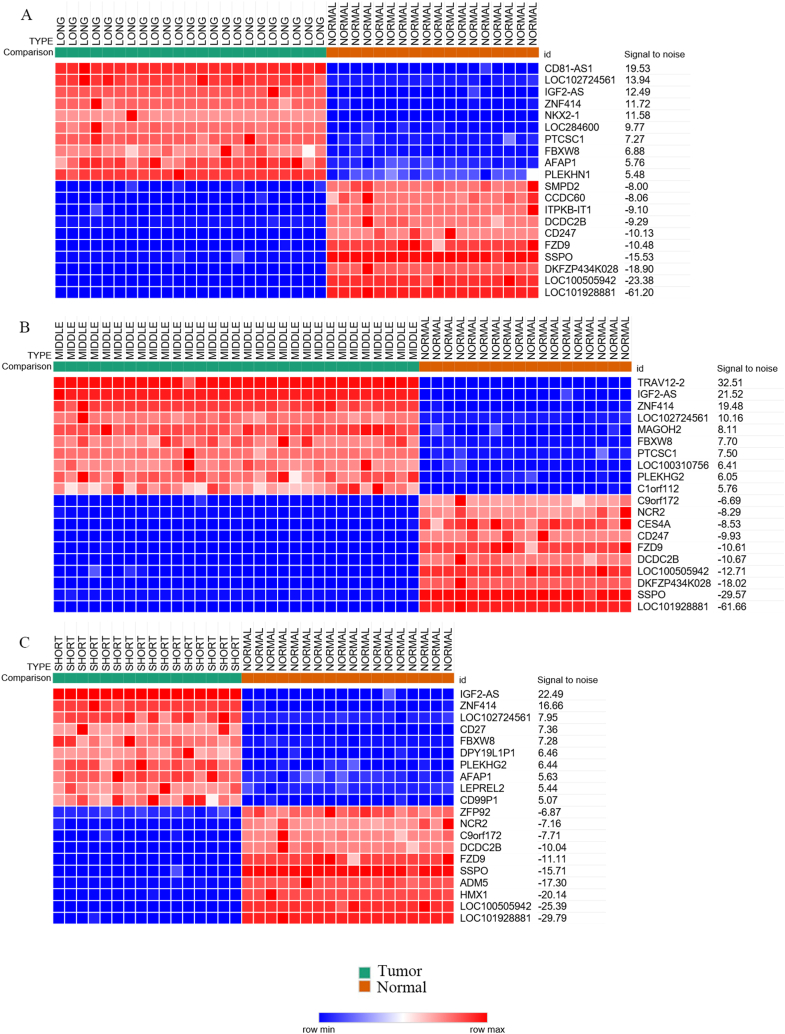
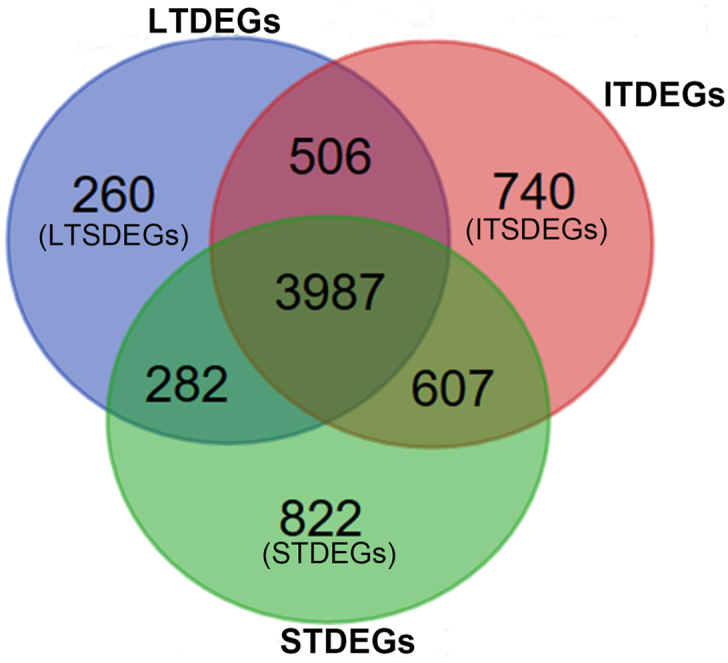
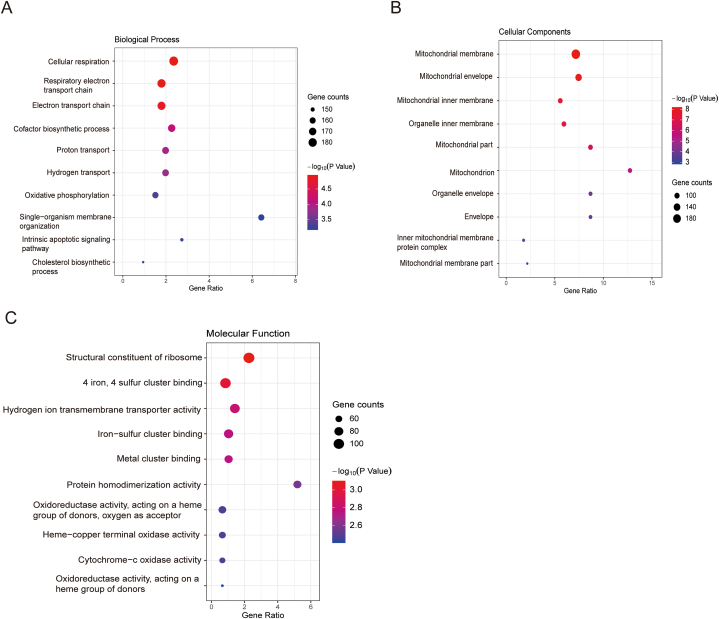
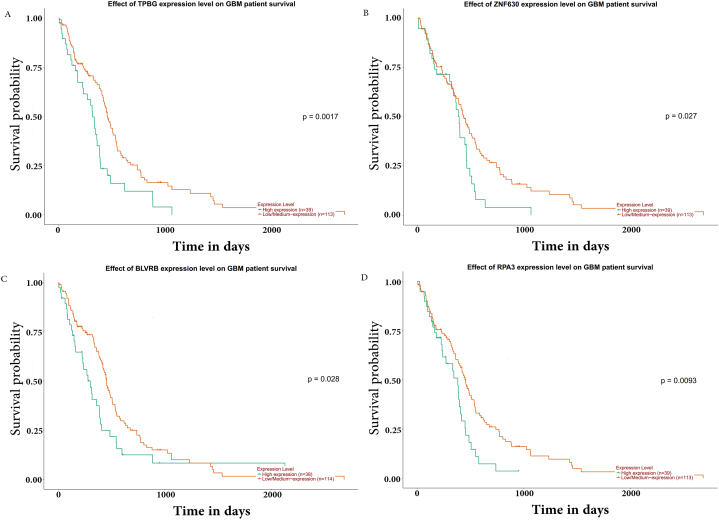
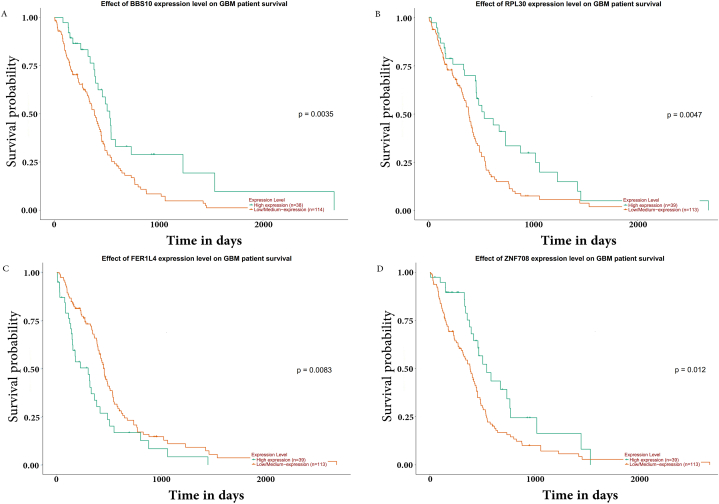
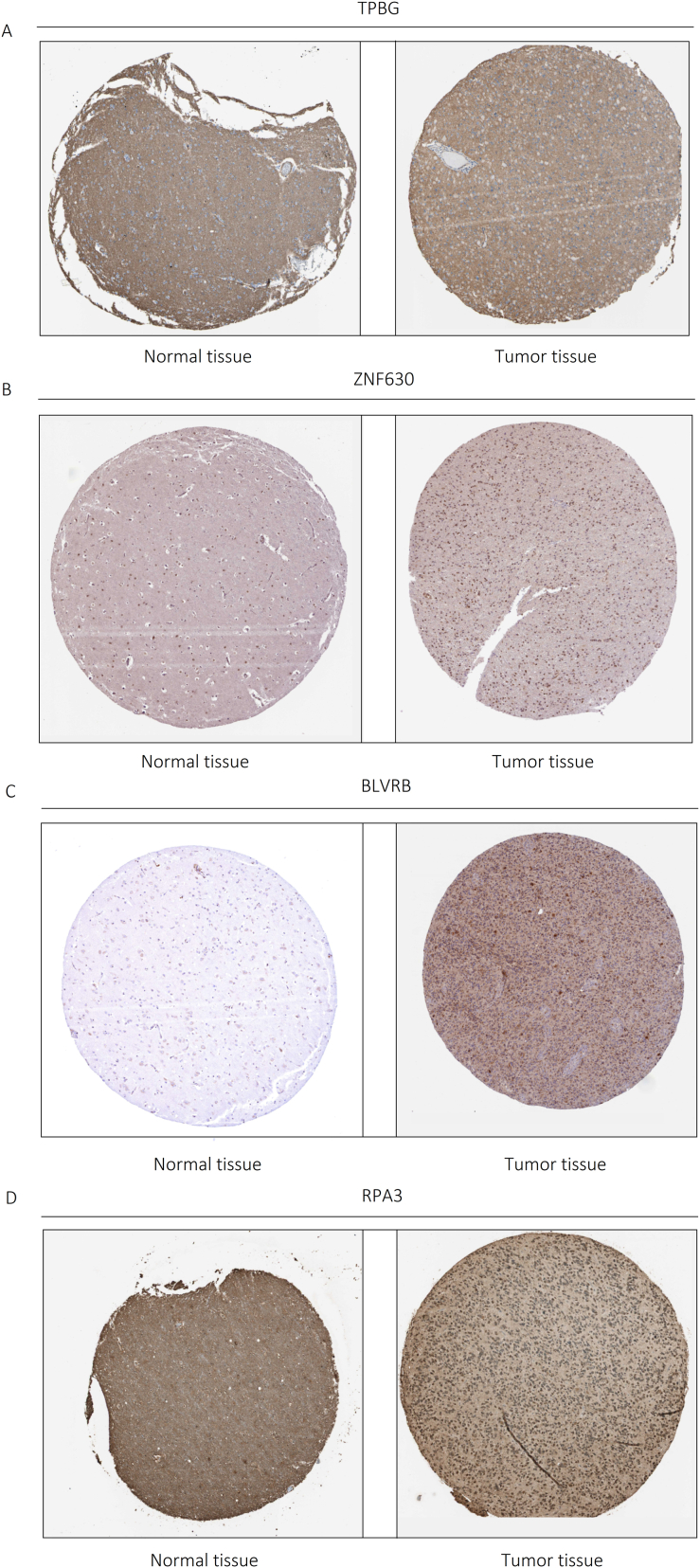
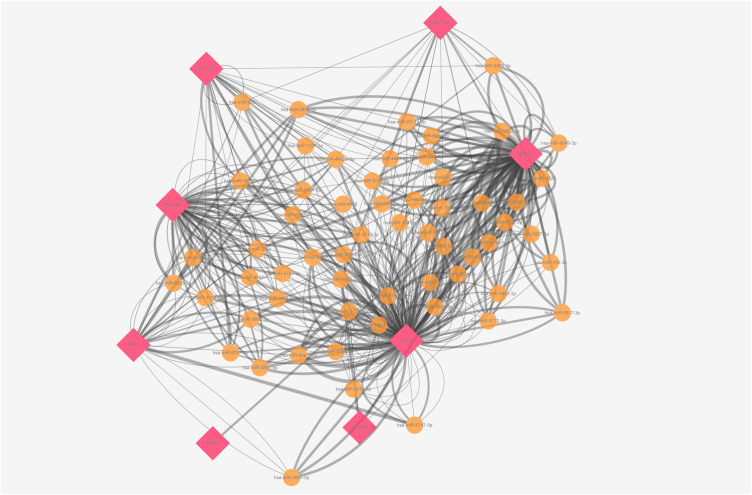
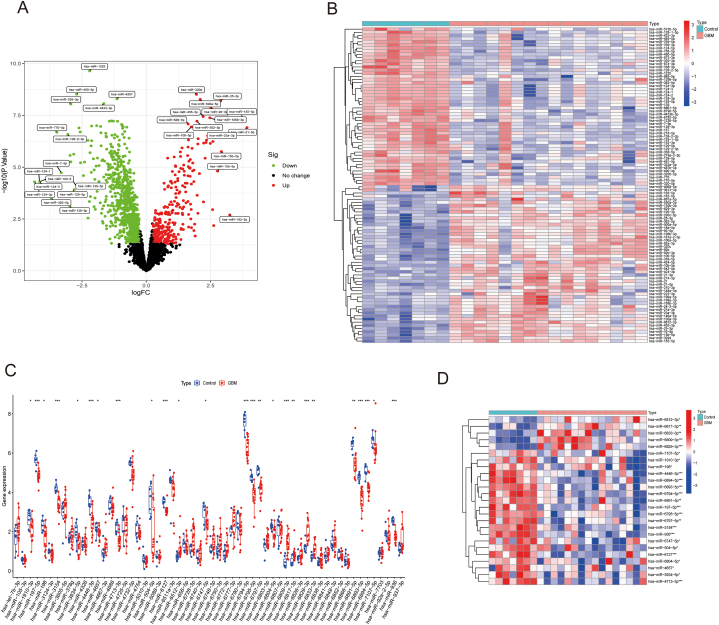
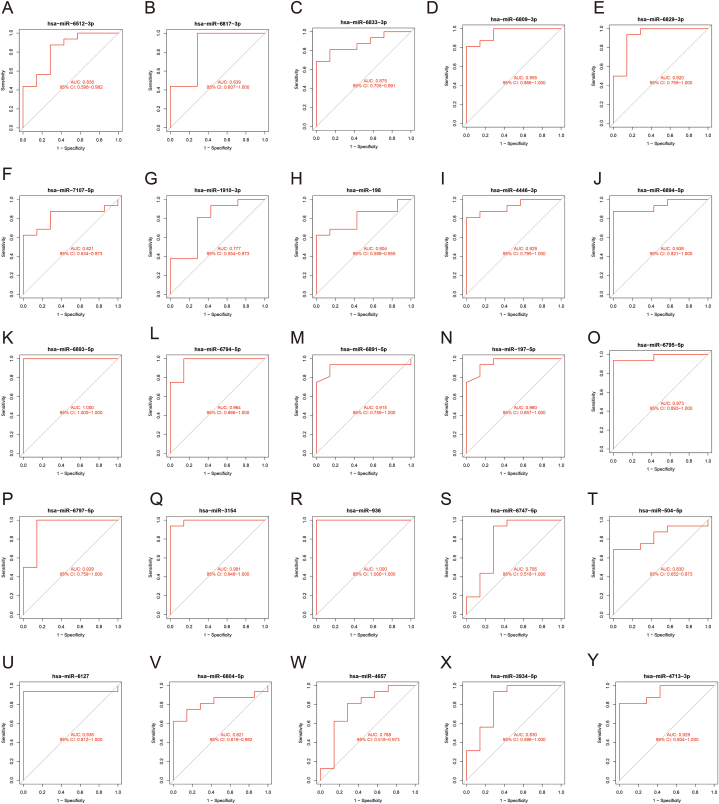
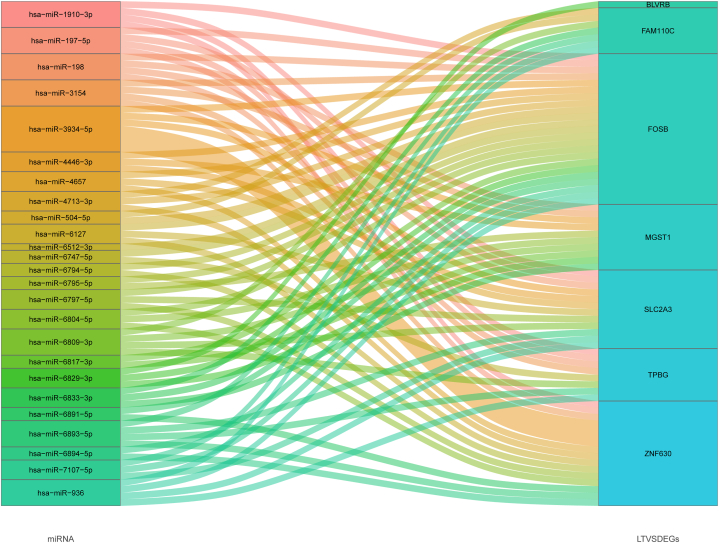
Primary glioblastoma(pGBM) is the most malignant tumor of the central nervous system. Radiotherapy, chemotherapy and surgical treatment have little effect on the survival of pGBM patients. The prognosis is often poorly once the tumor recurs. It is urgent to develop new therapies for patients. In recent years, studies have been clarified that miRNA have a powerful regulating effect on the genes. However, the main group of miRNAs in regulating long-term survival specific related genes of pGBM is still unclear. Given that the survival period of most glioma patients is relatively short, studying long-term survival patients with pGBM is of great value for this disease. Our study aim to identify key miRNAs with long-term survival related genes present in pGBM and uncover their potential mechanisms. The gene expression profiles of GSE53733, GSE15824, GSE30563, GSE50161 were obtained from the Gene Expression Omnibus database. Firstly, samples were divided into 3 groups according to its survival time and each group compare to the normal control group. Then we obtained differential expression genes (DEGs) with a long-term survival specific (LTSDEGs) and a short-term survival specific DEGs (STSDEGs). Next, Gene Ontology (GO) and Kyoto Encyclopedia of Genes and Genomes (KEGG) analysis were conducted with LTSDEGs and STSDEGs together. Moreover, we used the UALCAN database to verify LTSDEGs and STSDEGs, and obtained long-term verified survival specific DEGs(LTVSDEGs) and short-term verified survival specific DEGs(STVSDEGs). Finally, we established the predicted key miRNAs-LTVSDEGs interaction network. The protein expressions of the top 4 LTVSDEGs were verified in the HPA database with immunohistochemical staining. In total, we found 260 genes changed in LTSDEGs and 822 genes changed in STSDEGs. GO and KEGG results shown that the major changes are focused on tumor metabolism. 9 LTVSDEGs and 18 STVSDEGs were verified in UALCAN database. As for protein expression verification in top 4 LTVSDEGs, ZNF630, BLVRB and RPA3 were verified, while TPBG was not detected. We obtained 59 key miRNA from the predicted key miRNAs-LTVSDEGs interaction network. 25 key miRNAs were verified using GSE90603. Finally, we constructed the key miRNAs-LTVSDEGs network using a Sankey diagram, including 25 miRNAs and 7 LTVSDEGs. In conclusion, our study shows that there is a close relationship between metabolic changes and survival in pGBM. Besides, we established a key miRNAs-LTVSDEGs network for pGBM, which could be the key path in prolonging the life of pGBM patients.
原发性胶质母细胞瘤(pGBM)是中枢神经系统中最恶性的肿瘤。放疗、化疗和手术治疗对pGBM患者的生存期影响甚微。一旦肿瘤复发,预后通常很差。为患者开发新的治疗方法迫在眉睫。近年来,研究已经阐明miRNA对基因具有强大的调控作用。然而,在调节pGBM长期生存特异性相关基因方面的主要miRNA组仍不清楚。鉴于大多数胶质瘤患者的生存期相对较短,研究pGBM长期生存患者对这种疾病具有重要价值。我们的研究旨在鉴定pGBM中存在的与长期生存相关基因的关键miRNA,并揭示其潜在机制。从基因表达综合数据库中获取GSE53733、GSE15824、GSE30563、GSE50161的基因表达谱。首先,根据生存时间将样本分为3组,并将每组与正常对照组进行比较。然后我们获得了具有长期生存特异性的差异表达基因(LTSDEGs)和具有短期生存特异性的差异表达基因(STSDEGs)。接下来,对LTSDEGs和STSDEGs一起进行基因本体论(GO)和京都基因与基因组百科全书(KEGG)分析。此外,我们使用UALCAN数据库验证LTSDEGs和STSDEGs,并获得长期验证的生存特异性差异表达基因(LTVSDEGs)和短期验证的生存特异性差异表达基因(STVSDEGs)。最后,我们建立了预测的关键miRNA-LTVSDEGs相互作用网络。前4个LTVSDEGs的蛋白表达在HPA数据库中通过免疫组织化学染色进行了验证。总共,我们发现LTSDEGs中有260个基因发生变化,STSDEGs中有822个基因发生变化。GO和KEGG结果表明,主要变化集中在肿瘤代谢上。在UALCAN数据库中验证了9个LTVSDEGs和18个STVSDEGs。至于前4个LTVSDEGs的蛋白表达验证,ZNF630、BLVRB和RPA3得到了验证,而TPBG未检测到。我们从预测的关键miRNA-LTVSDEGs相互作用网络中获得了59个关键miRNA。使用GSE90603验证了25个关键miRNA。最后,我们使用桑基图构建了关键miRNA-LTVSDEGs网络,包括25个miRNA和7个LTVSDEGs。总之,我们的研究表明pGBM中代谢变化与生存之间存在密切关系。此外,我们为pGBM建立了一个关键miRNA-LTVSDEGs网络,这可能是延长pGBM患者生命的关键途径。