Department of Preparations, the First Hospital of Hunan University of Chinese Medicine, Changsha City, China.
Institute of Emergency Medicine, Hunan Provincial People's Hospital, The First Affiliated Hospital of Hunan Normal University, 69 Jiefang Western Road, Changsha City, 410000, Hunan, China.
BMC Complement Med Ther. 2024 Apr 17;24(1):161. doi: 10.1186/s12906-024-04463-9.
Polygonum multiflorum (PM), a widely used traditional Chinese medicine herb, is divided into two forms, namely raw polygonum multiflorum (RPM) and polygonum multiflorum praeparata (PMP), according to the processing procedure. Emerging data has revealed the differential hepatotoxicity of RPM and PMP, however, its potential mechanism is still unclear.
In our study, we investigated the differential hepatotoxicity of RPM and PMP exerted in C57BL/6 mice. First, sera were collected for biochemical analysis and HE staining was applied to examine the morphological alternation of the liver. Then we treated L02 cells with 5 mg / mL of RPM or PMP. The CCK8 and EdU assays were utilized to observe the viability and proliferation of L02 cells. RNA sequencing was performed to explore the expression profile of L02 cells. Western blotting was performed to detect the expression level of ferroptosis-related protein. Flow cytometry was used to evaluate ROS accumulation.
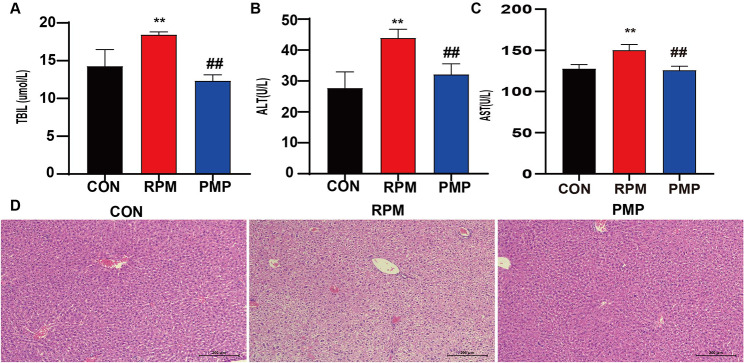
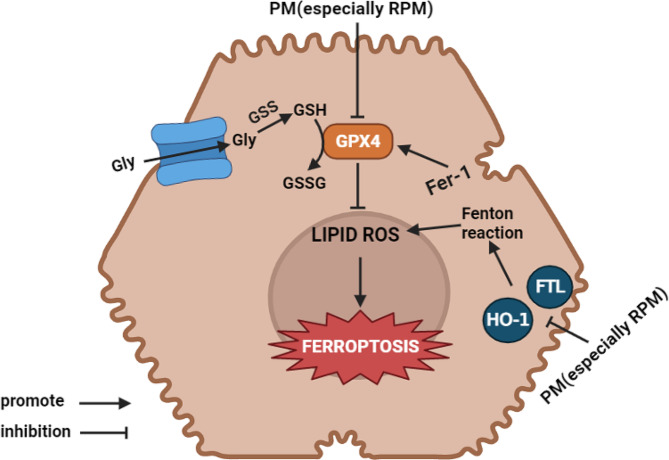
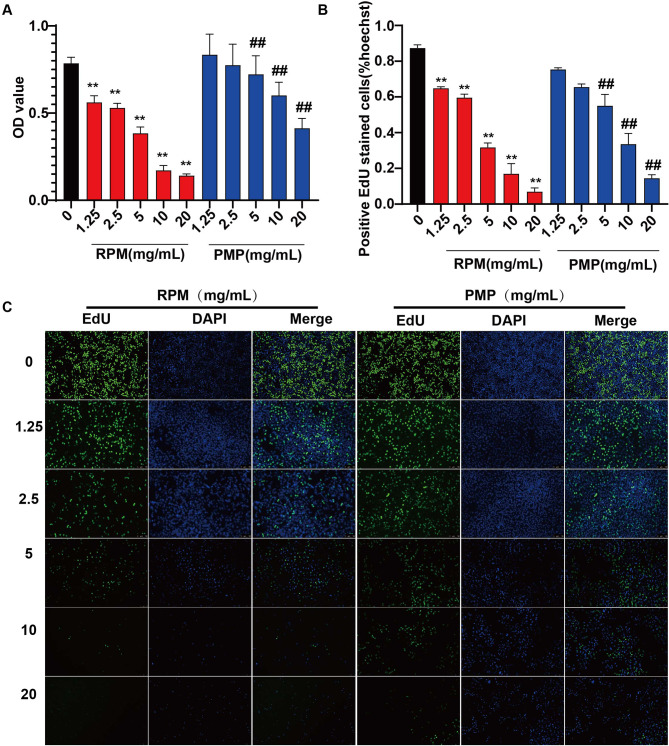
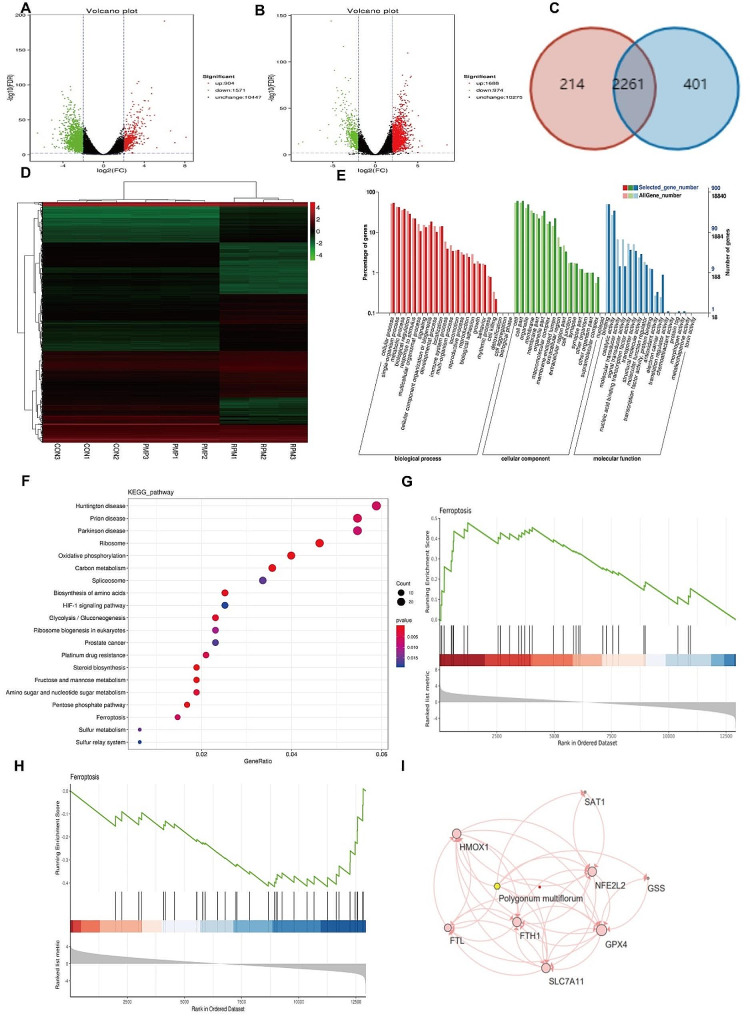
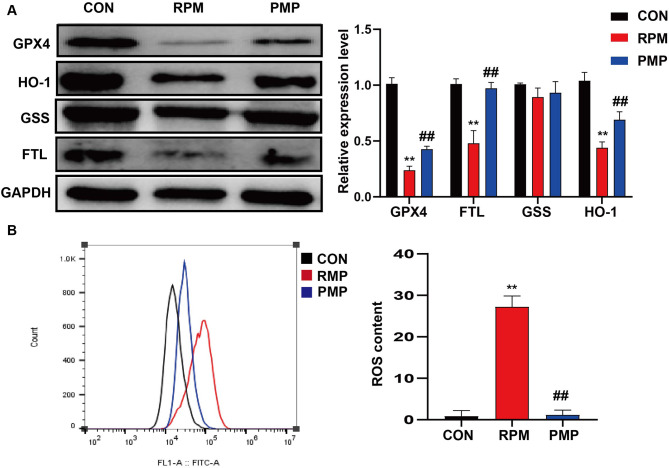
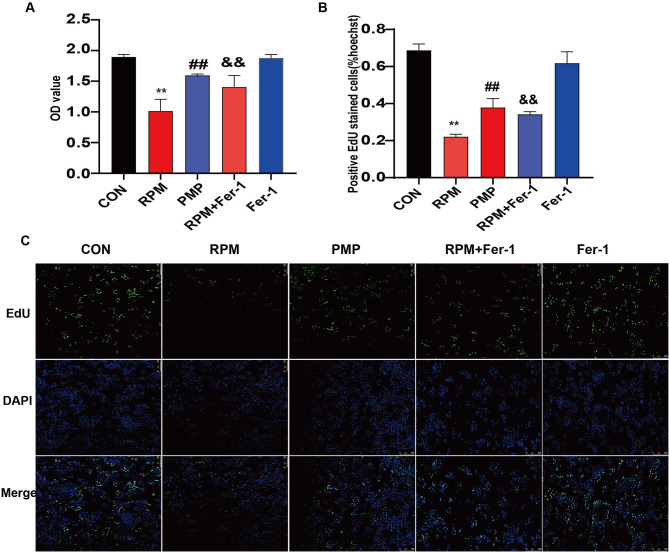
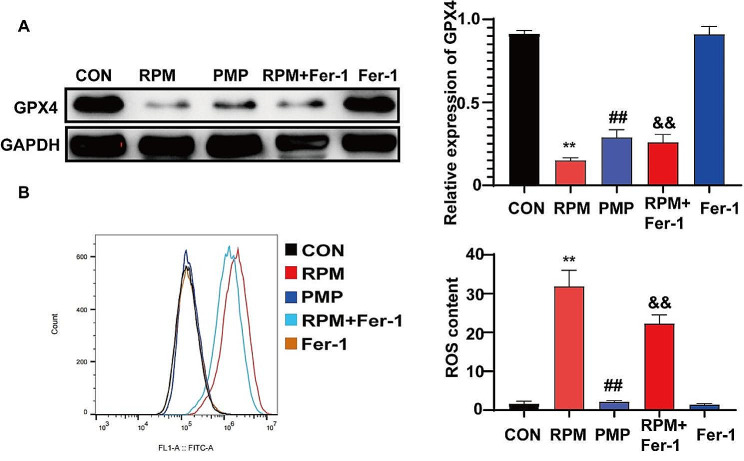
In our study, a significant elevation in serum ALT, AST and TBIL levels was investigated in the RMP group, while no significant differences were observed in the PMP group, compared to that of the CON group. HE staining showed punctate necrosis, inflammatory cell infiltration and structural destruction can be observed in the RPM group, which can be significantly attenuated after processing. In addition, we also found RPM could decrease the viability and proliferation capacity of L02 cells, which can be reversed by ferroptosis inhibitor. RNA sequencing data revealed the adverse effect of PM exerted on the liver is closely associated with ferroptosis. Western blotting assay uncovered the protein level of GPX4, HO-1 and FTL was sharply decreased, while the ROS content was dramatically elevated in L02 cells treated with RPM, which can be partially restored after processing.
The hepatotoxicity induced by RPM was significantly lower than the PMP, and its potential mechanism is associated with ferroptosis.
何首乌(PM)是一种广泛使用的传统中药,根据加工过程分为生何首乌(RPM)和制何首乌(PMP)两种形式。新出现的数据显示 RPM 和 PMP 具有不同的肝毒性,但潜在机制尚不清楚。
在本研究中,我们在 C57BL/6 小鼠中研究了 RPM 和 PMP 的不同肝毒性。首先,收集血清进行生化分析,并进行 HE 染色以检查肝脏的形态变化。然后,我们用 5mg/mL 的 RPM 或 PMP 处理 L02 细胞。使用 CCK8 和 EdU 测定法观察 L02 细胞的活力和增殖。进行 RNA 测序以探索 L02 细胞的表达谱。通过 Western blot 检测铁死亡相关蛋白的表达水平。使用流式细胞术评估 ROS 积累。
在本研究中,与 CON 组相比,RPM 组的血清 ALT、AST 和 TBIL 水平显著升高,而 PMP 组则没有显著差异。HE 染色显示 RPM 组可见点状坏死、炎症细胞浸润和结构破坏,经加工后可明显减轻。此外,我们还发现 RPM 可降低 L02 细胞的活力和增殖能力,而铁死亡抑制剂可逆转这种作用。RNA 测序数据表明 PM 对肝脏的不良影响与铁死亡密切相关。Western blot 检测发现 RPM 处理的 L02 细胞中 GPX4、HO-1 和 FTL 的蛋白水平明显降低,而 ROS 含量明显升高,经加工后可部分恢复。
与 PMP 相比,RPM 引起的肝毒性明显较低,其潜在机制与铁死亡有关。