Que Zhongping, Wang Yun, Fan Zhongyun, Hashimoto T, Zhou X R
Brunel Centre for Advanced Solidification Technology (BCAST), Brunel University London, Uxbridge, Middlesex, UB8 3PH, UK.
School of Materials, University of Manchester, Manchester, M13 9PL, UK.
Sci Rep. 2024 Apr 18;14(1):8968. doi: 10.1038/s41598-024-59709-w.
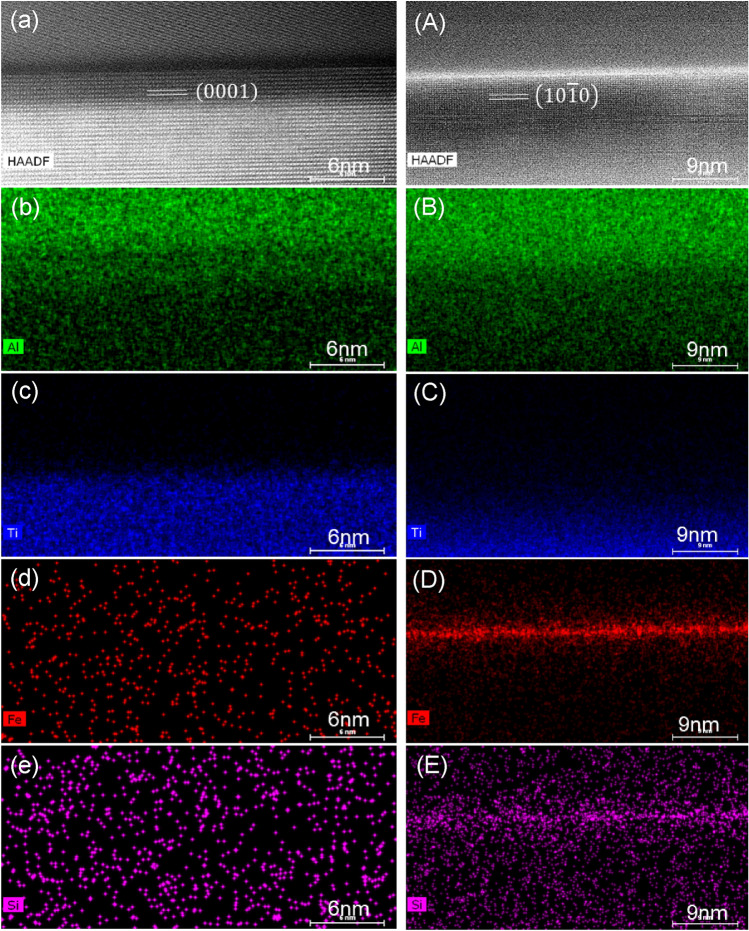
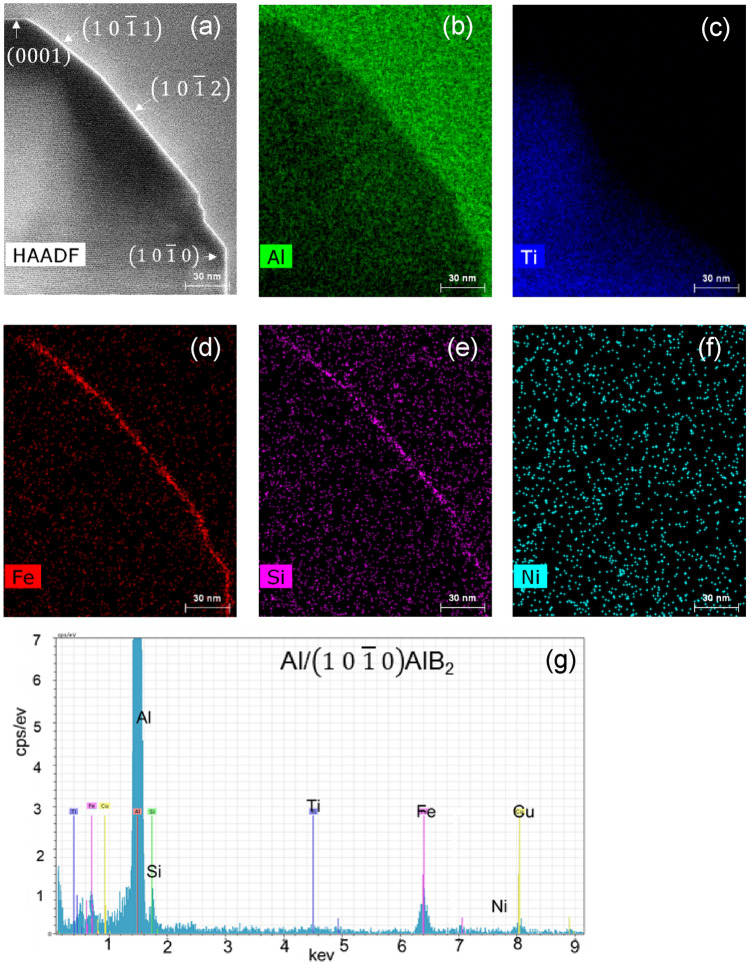
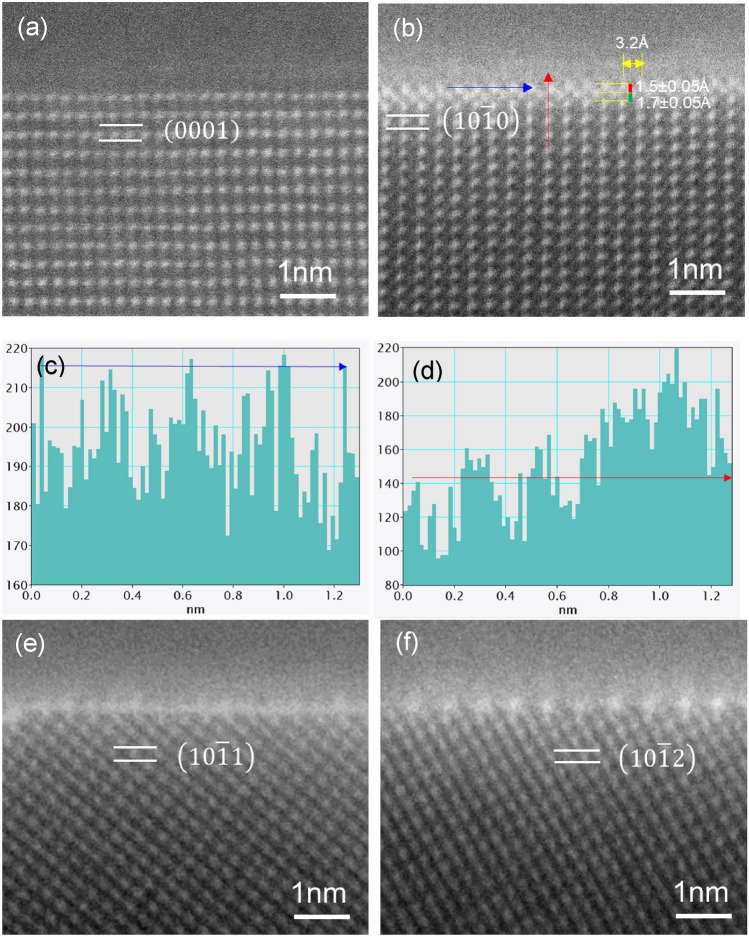
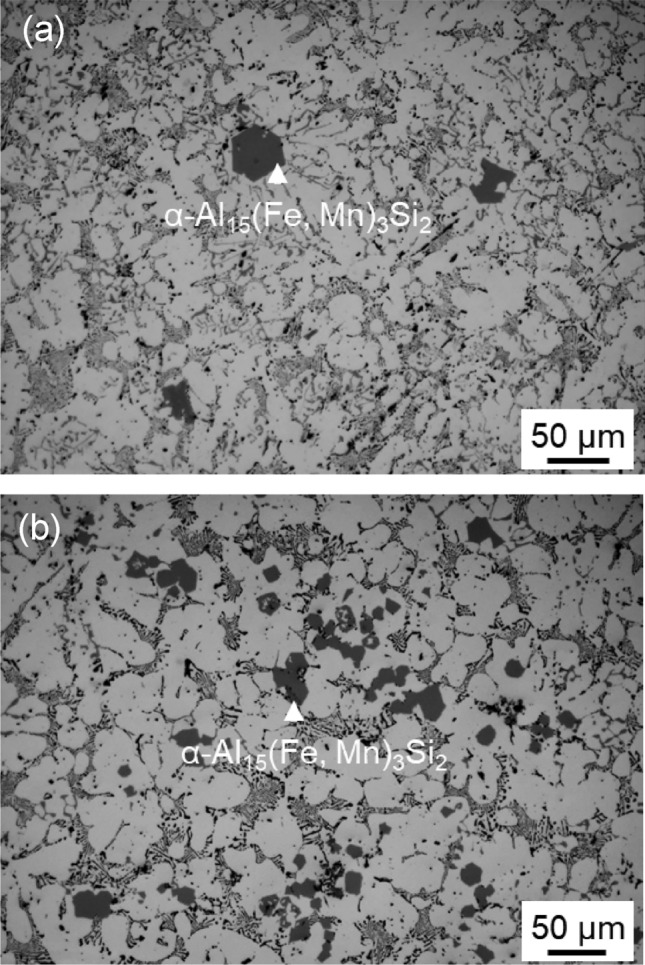
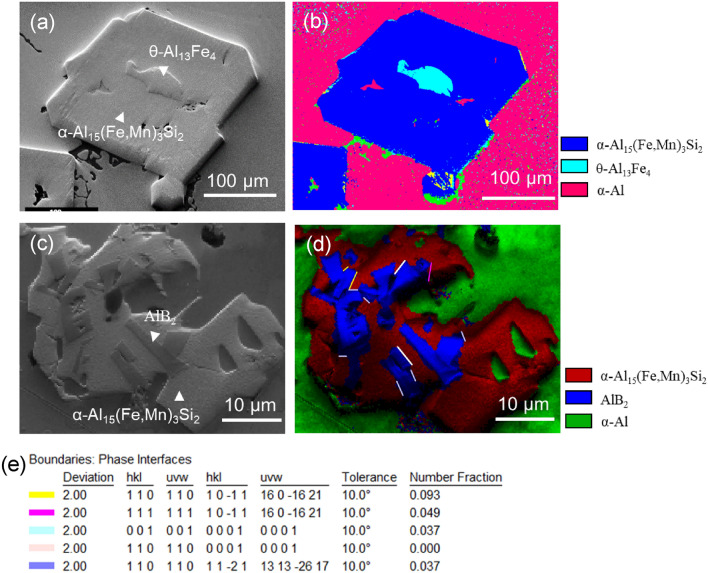
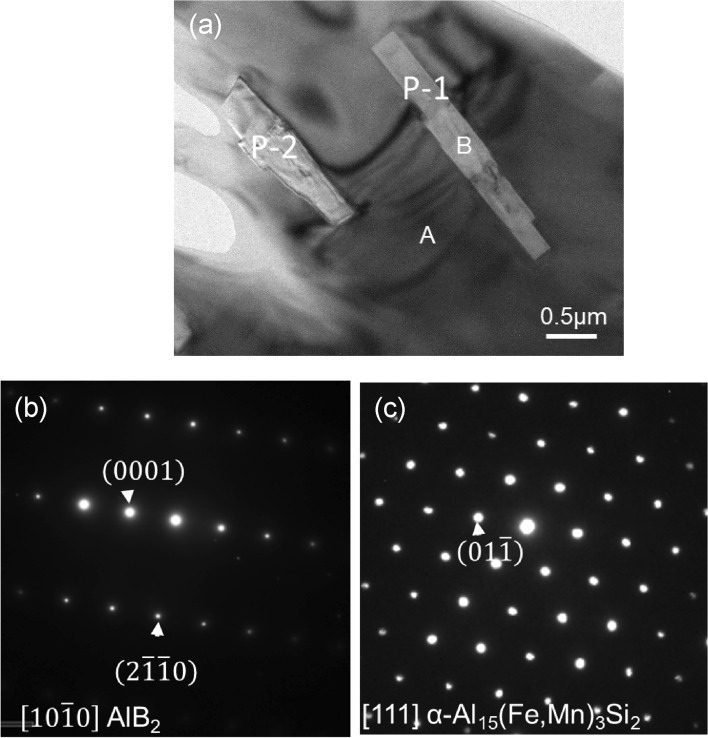
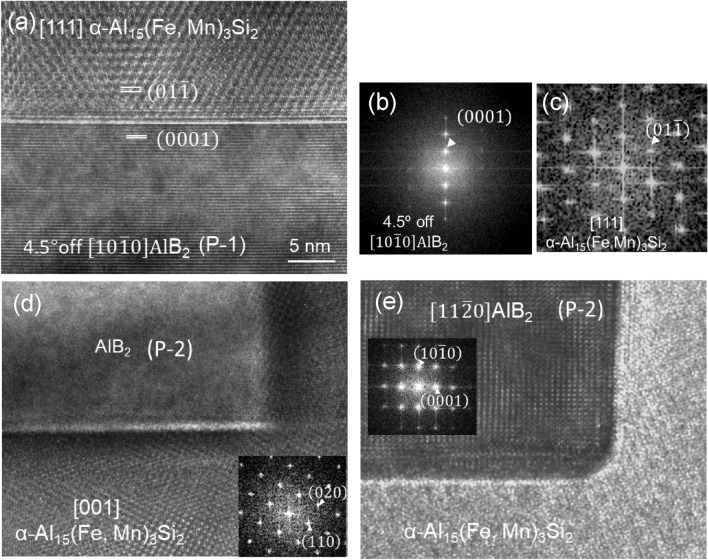
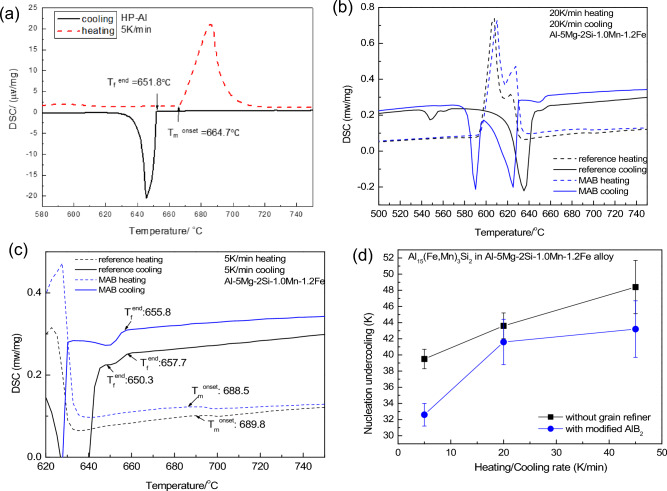
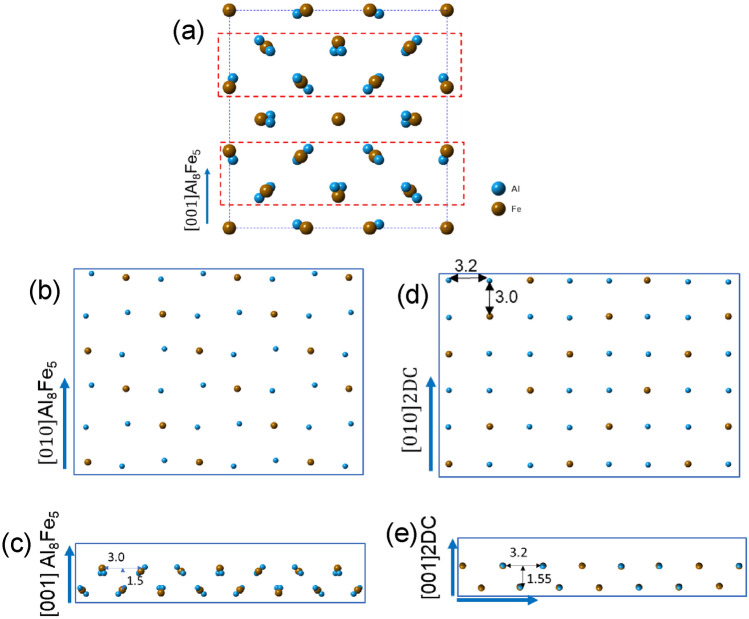
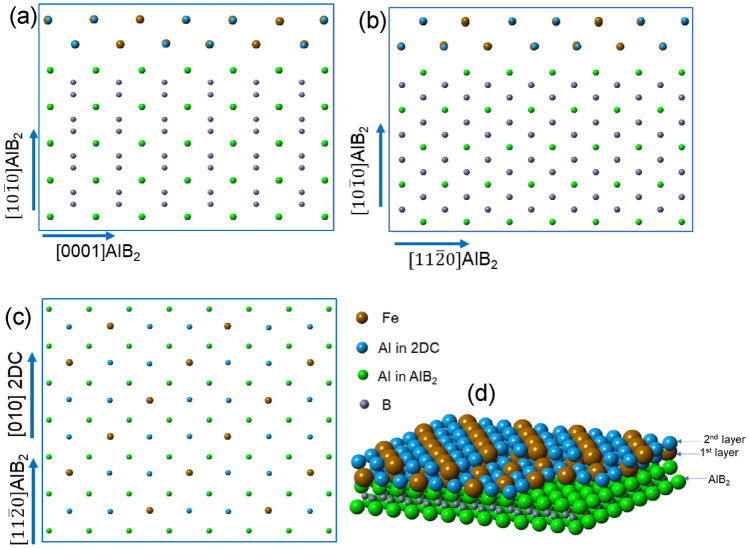
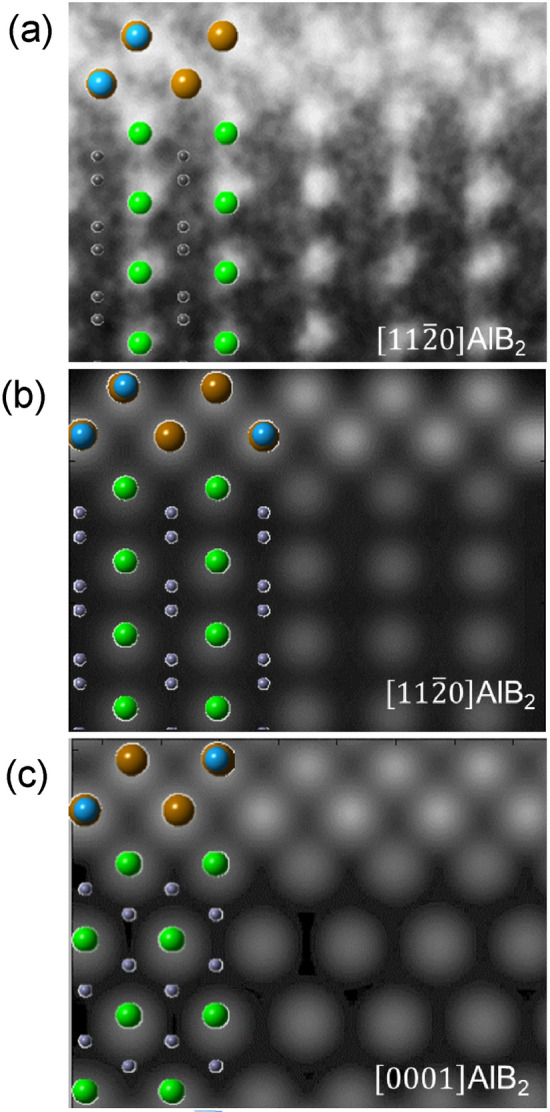
Refinement of intermetallic compounds (IMCs) through enhancing heterogeneous nucleation during casting process is an important approach to improve the properties of aluminium alloys, which greatly increases the economy value of recycled Al-alloys. However, heterogeneous nucleation of IMCs is inherently more difficult than that of a pure metal or a solid solution. It requires not only creation of a crystal structure but also the positioning of 2 or more different types of atoms in the lattice with specific composition close to that of the nucleated IMCs. Previous understanding on heterogeneous nucleation is based on structural templating, usually considering the small lattice misfit at the interface between the nucleating solid and substrate. In this work, we proposed a hypothesis and demonstrated that composition templating plays a critical role in heterogeneous nucleation of IMCs. The experimental results revealed that segregation of Fe atoms on the AlB surface, i.e., the Fe modified AlB particle, provides the required composition templating and hence enhances heterogeneous nucleation of α-Al(Fe, Mn)Si, resulting in a significant refinement of the α-Al(Fe, Mn)Si particles in an Al-5 Mg-2Si-1.0Mn-1.2Fe alloy.
在铸造过程中通过增强异质形核来细化金属间化合物(IMC)是提高铝合金性能的重要途径,这极大地提高了再生铝合金的经济价值。然而,IMC的异质形核本质上比纯金属或固溶体的异质形核更困难。它不仅需要形成晶体结构,还需要在晶格中定位2种或更多不同类型的原子,其特定组成要接近成核IMC的组成。以往对异质形核的理解基于结构模板,通常考虑成核固体与基底之间界面处的小晶格失配。在这项工作中,我们提出了一个假设,并证明了成分模板在IMC的异质形核中起关键作用。实验结果表明,Fe原子在AlB表面的偏析,即Fe改性的AlB颗粒,提供了所需的成分模板,从而增强了α-Al(Fe,Mn)Si的异质形核,导致Al-5Mg-2Si-1.0Mn-1.2Fe合金中α-Al(Fe,Mn)Si颗粒显著细化。