Zhang Ruping, Zhang Zhiwei, Yan Caizhen, Chen Zhaoli, Li Xiangyang, Zeng Bingshan, Hu Bing
Key Laboratory of State Forestry Administration on Tropical Forestry, Research Institute of Tropical Forestry, Chinese Academy of Forestry, Guangzhou, 510520, China.
Sihui fengfu forestry development co., ltd, Sihui, 526299, China.
BMC Plant Biol. 2024 Apr 22;24(1):308. doi: 10.1186/s12870-024-04884-1.
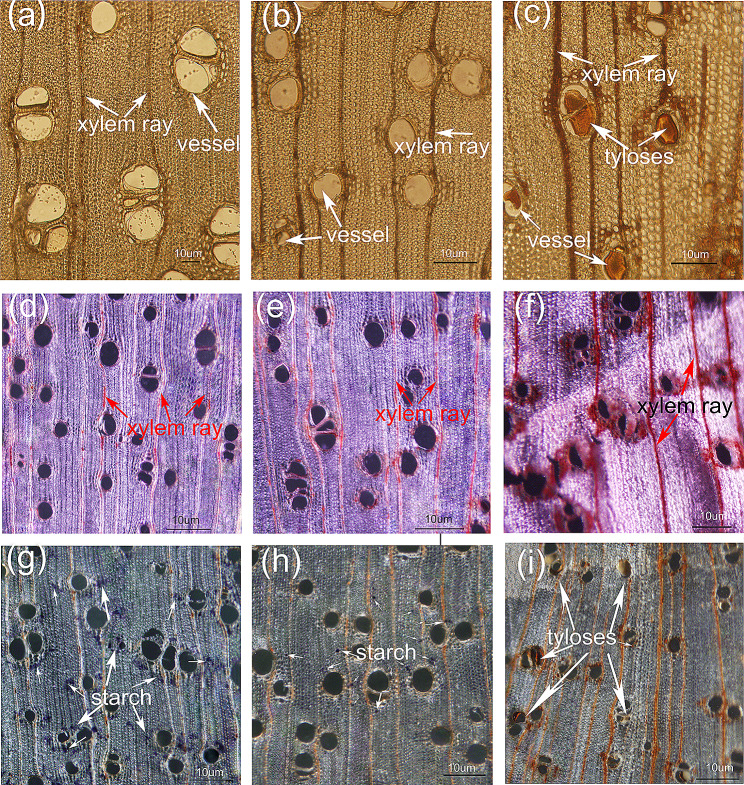
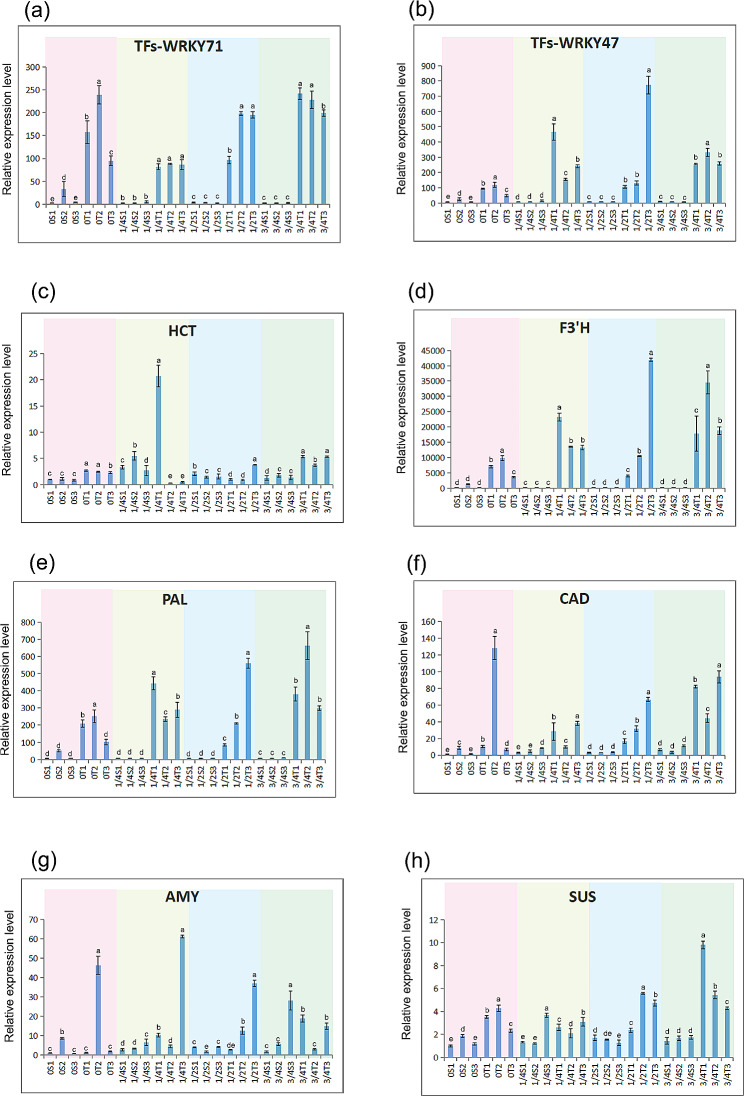
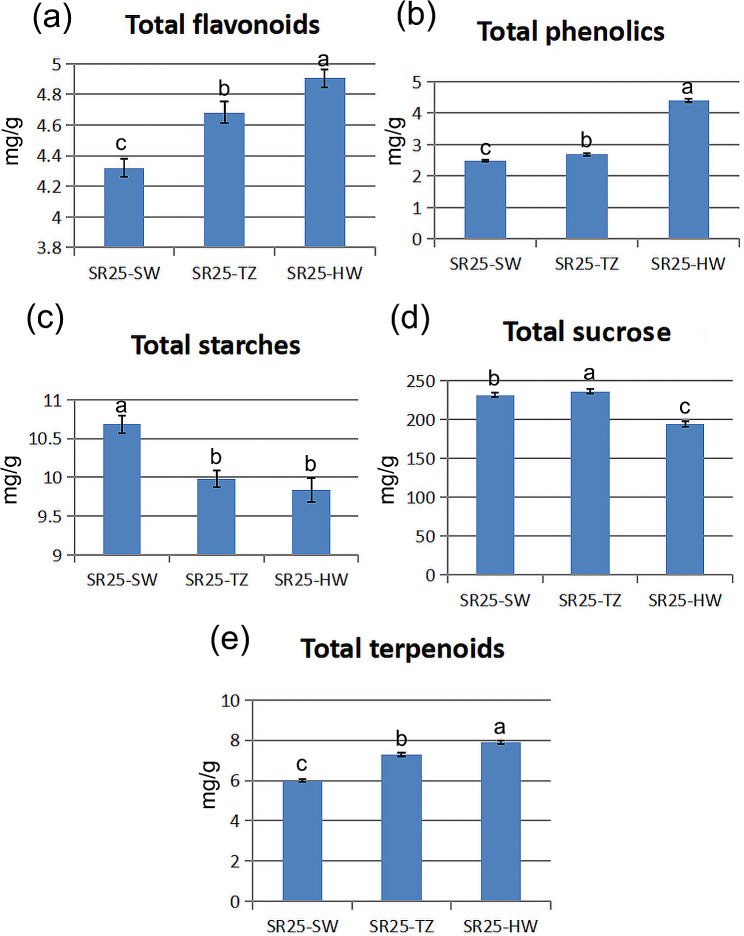
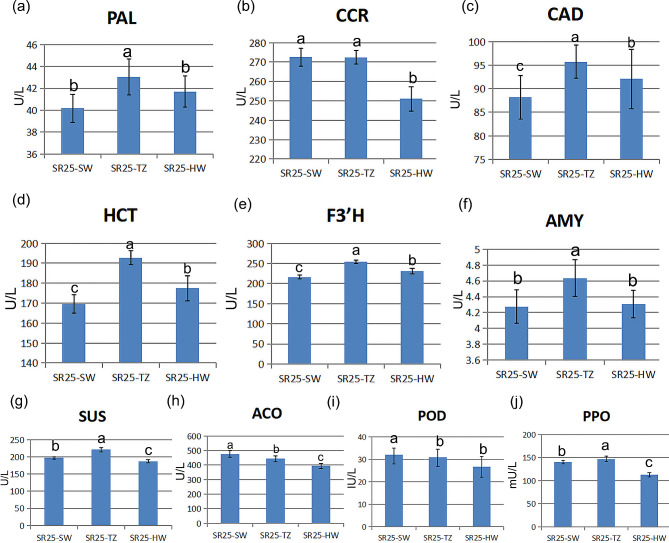
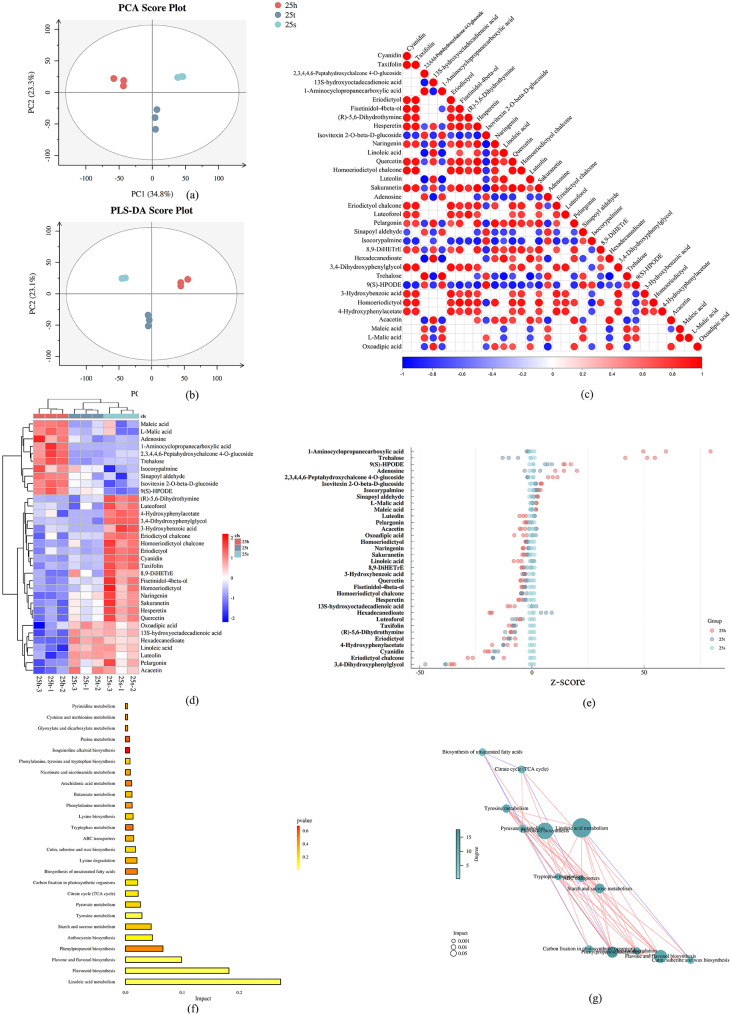
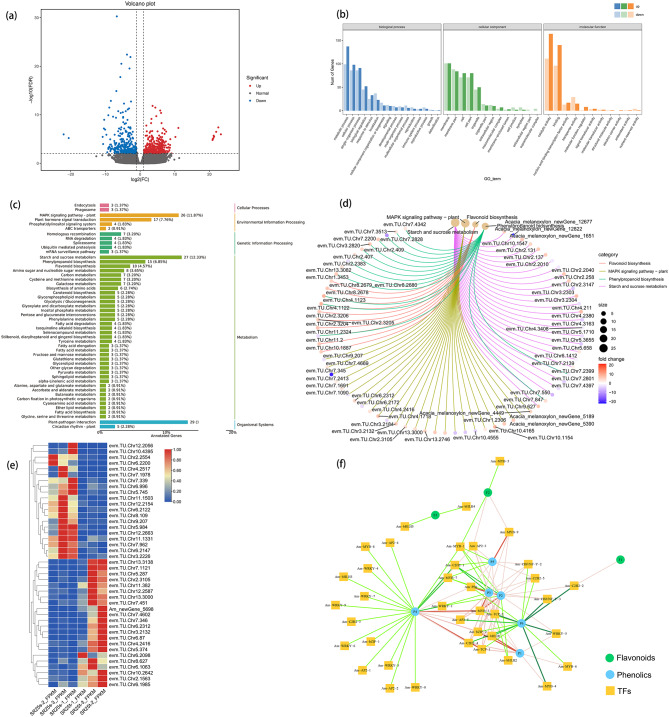
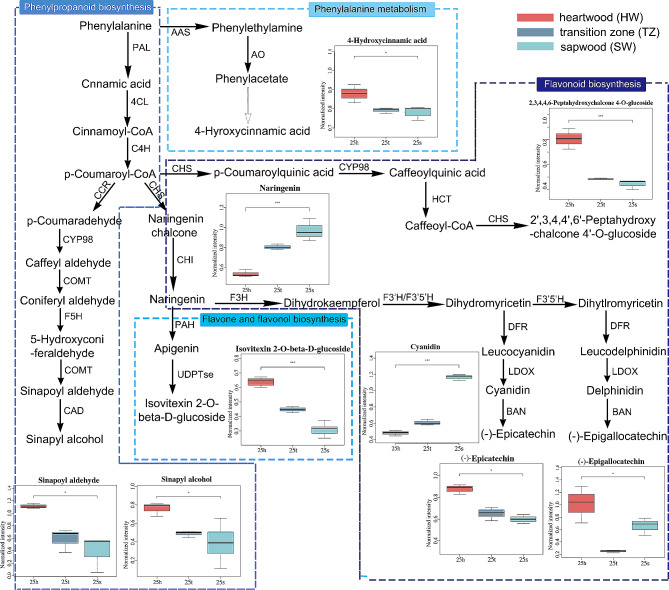
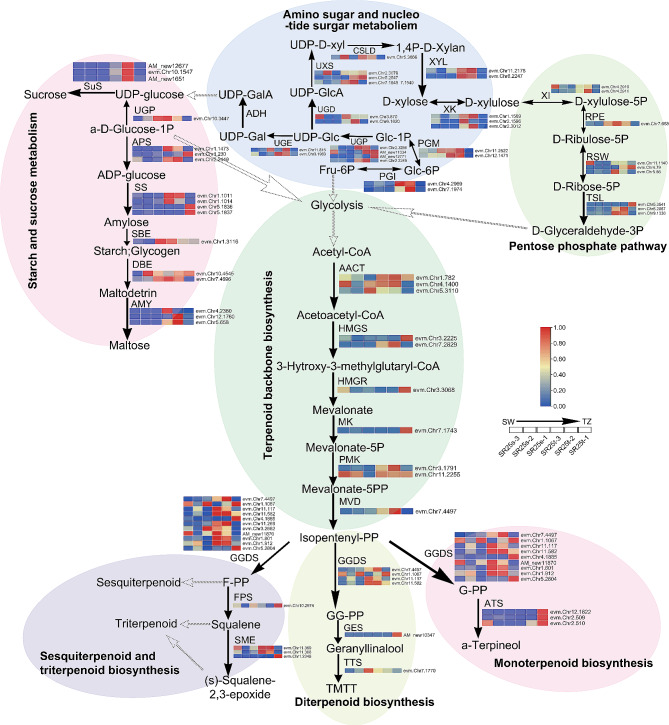
Acacia melanoxylon is well known as a valuable commercial tree species owing to its high-quality heartwood (HW) products. However, the metabolism and regulatory mechanism of heartwood during wood development remain largely unclear. In this study, both microscopic observation and content determination proved that total amount of starches decreased and phenolics and flavonoids increased gradually from sapwood (SW) to HW. We also obtained the metabolite profiles of 10 metabolites related to phenolics and flavonoids during HW formation by metabolomics. Additionally, we collected a comprehensive overview of genes associated with the biosynthesis of sugars, terpenoids, phenolics, and flavonoids using RNA-seq. A total of ninety-one genes related to HW formation were identified. The transcripts related to plant hormones, programmed cell death (PCD), and dehydration were increased in transition zone (TZ) than in SW. The results of RT-PCR showed that the relative expression level of genes and transcription factors was also high in the TZ, regardless of the horizontal or vertical direction of the trunk. Therefore, the HW formation took place in the TZ for A. melanoxylon from molecular level, and potentially connected to plant hormones, PCD, and cell dehydration. Besides, the increased expression of sugar and terpenoid biosynthesis-related genes in TZ further confirmed the close connection between terpenoid biosynthesis and carbohydrate metabolites of A. melanoxylon. Furthermore, the integrated analysis of metabolism data and RNA-seq data showed the key transcription factors (TFs) regulating flavonoids and phenolics accumulation in HW, including negative correlation TFs (WRKY, MYB) and positive correlation TFs (AP2, bZIP, CBF, PB1, and TCP). And, the genes and metabolites from phenylpropanoid and flavonoid metabolism and biosynthesis were up-regulated and largely accumulated in TZ and HW, respectively. The findings of this research provide a basis for comprehending the buildup of metabolites and the molecular regulatory processes of HW formation in A. melanoxylon.
黑木相思因其优质的心材产品而闻名,是一种具有重要商业价值的树种。然而,木材发育过程中心材的代谢和调控机制仍不清楚。在本研究中,微观观察和含量测定均证明,从边材到心材,淀粉总量减少,酚类和黄酮类物质逐渐增加。我们还通过代谢组学获得了心材形成过程中10种与酚类和黄酮类相关代谢物的代谢谱。此外,我们利用RNA测序全面概述了与糖类、萜类、酚类和黄酮类生物合成相关的基因。共鉴定出91个与心材形成相关的基因。与植物激素、程序性细胞死亡(PCD)和脱水相关的转录本在过渡区(TZ)比在边材中增加。RT-PCR结果表明,无论树干的水平或垂直方向,过渡区基因和转录因子的相对表达水平也很高。因此,从分子水平来看,黑木相思的心材形成发生在过渡区,并且可能与植物激素、PCD和细胞脱水有关。此外,过渡区糖类和萜类生物合成相关基因表达的增加进一步证实了黑木相思萜类生物合成与碳水化合物代谢物之间的紧密联系。此外,代谢数据和RNA测序数据的综合分析显示了调控心材中黄酮类和酚类积累的关键转录因子(TFs),包括负相关TFs(WRKY、MYB)和正相关TFs(AP2、bZIP、CBF、PB1和TCP)。并且,来自苯丙烷类和黄酮类代谢及生物合成的基因和代谢物分别在过渡区和心材中上调并大量积累。本研究结果为理解黑木相思心材代谢物积累和心材形成的分子调控过程提供了依据。