BGI Research, Hangzhou, China.
BGI Research, Shenzhen, China.
Nature. 2024 May;629(8010):154-164. doi: 10.1038/s41586-024-07348-6. Epub 2024 Apr 22.
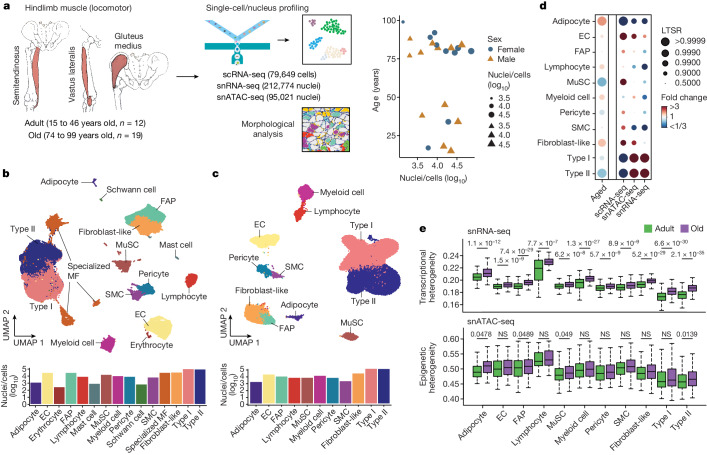
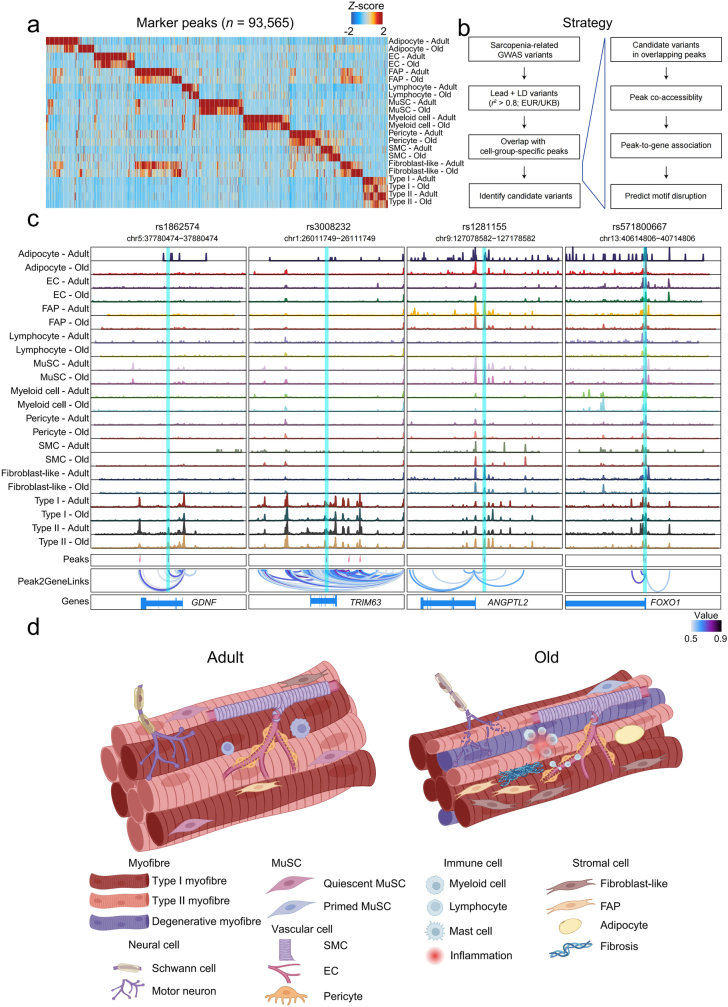
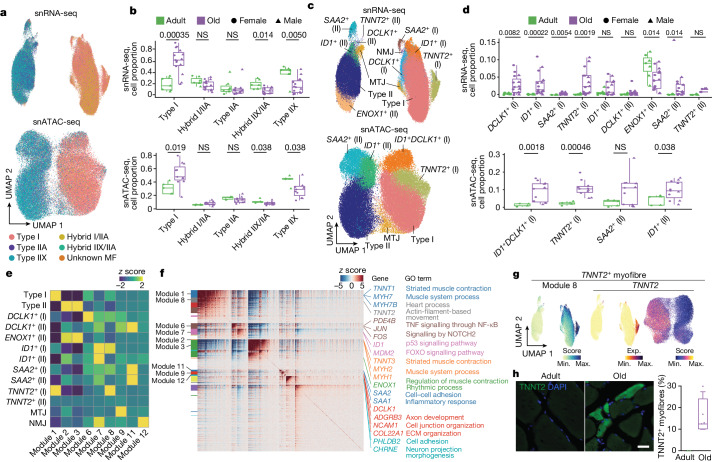
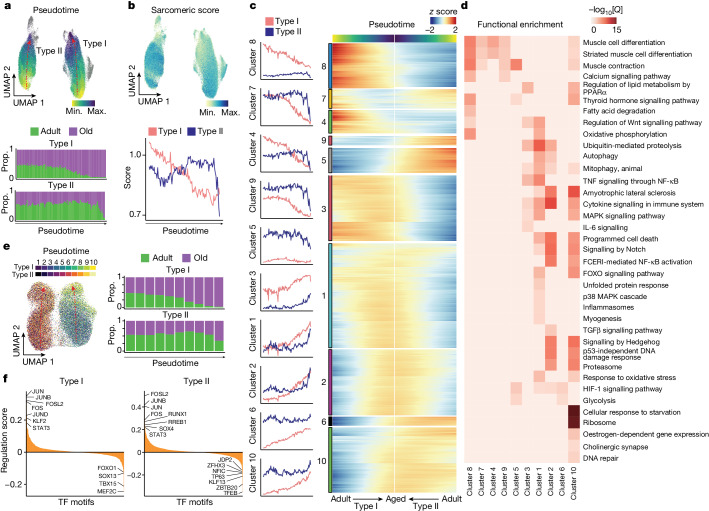
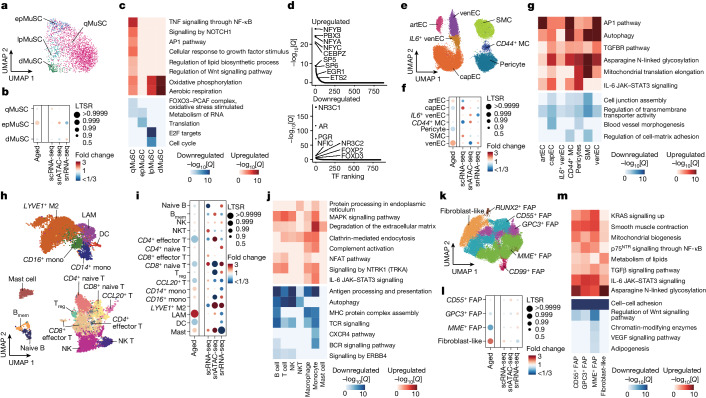
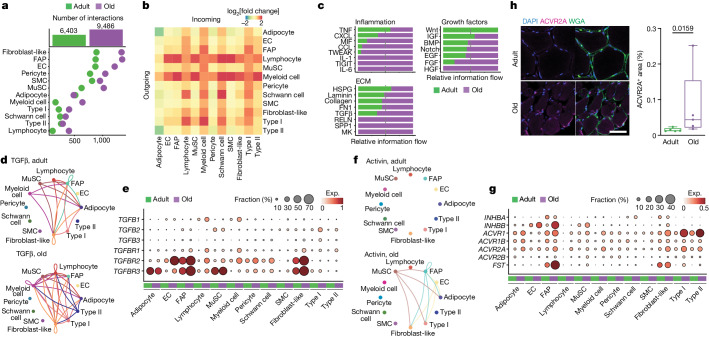
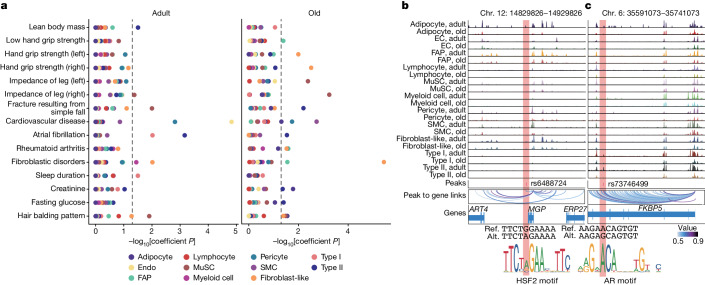
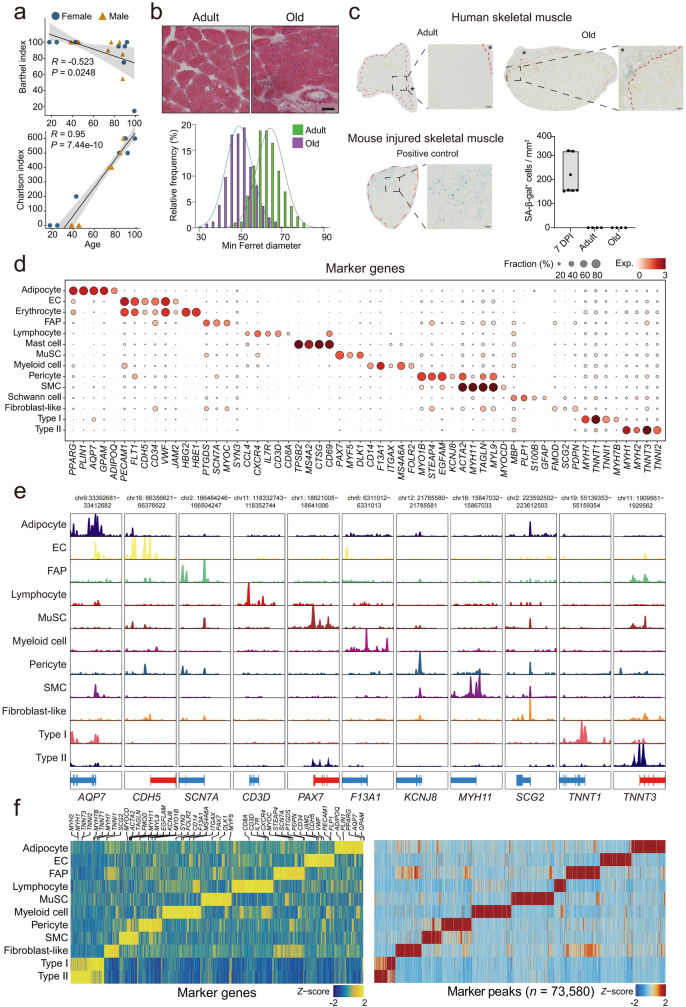
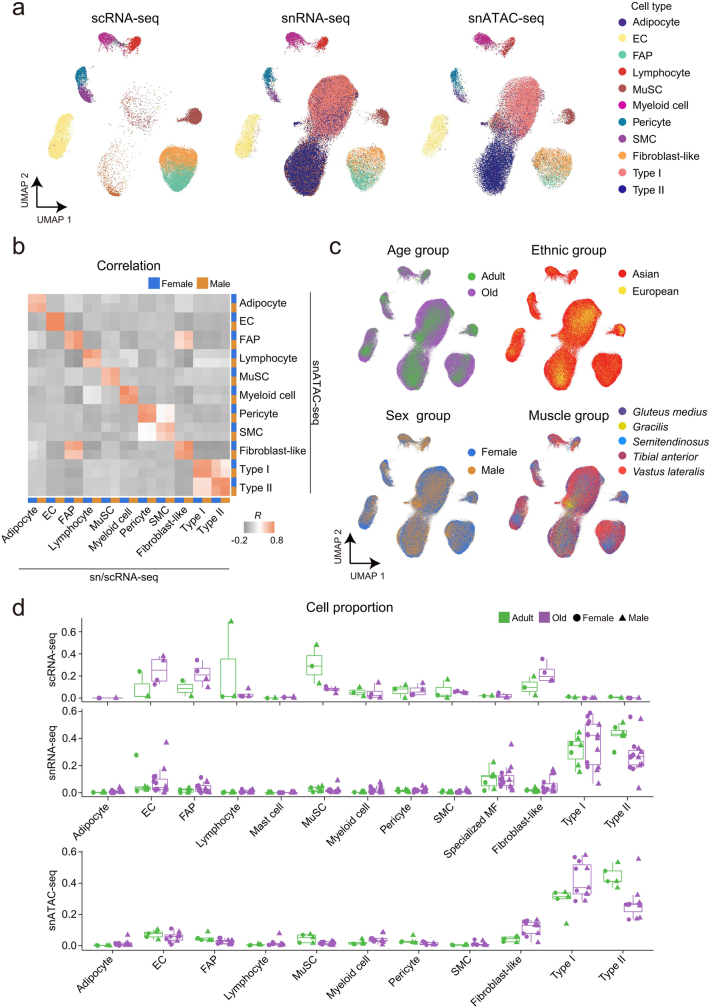
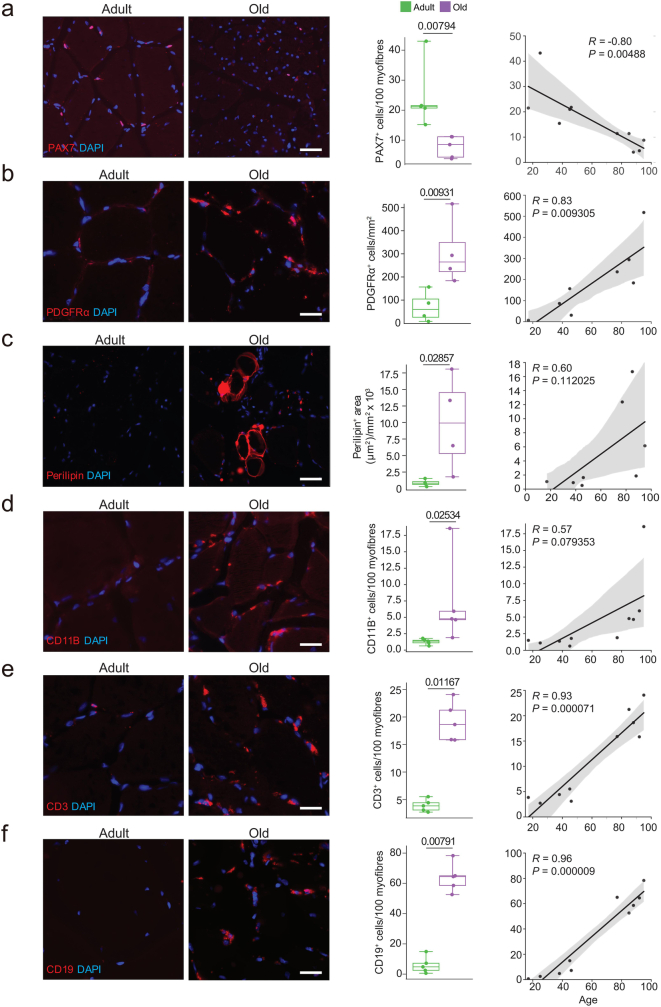
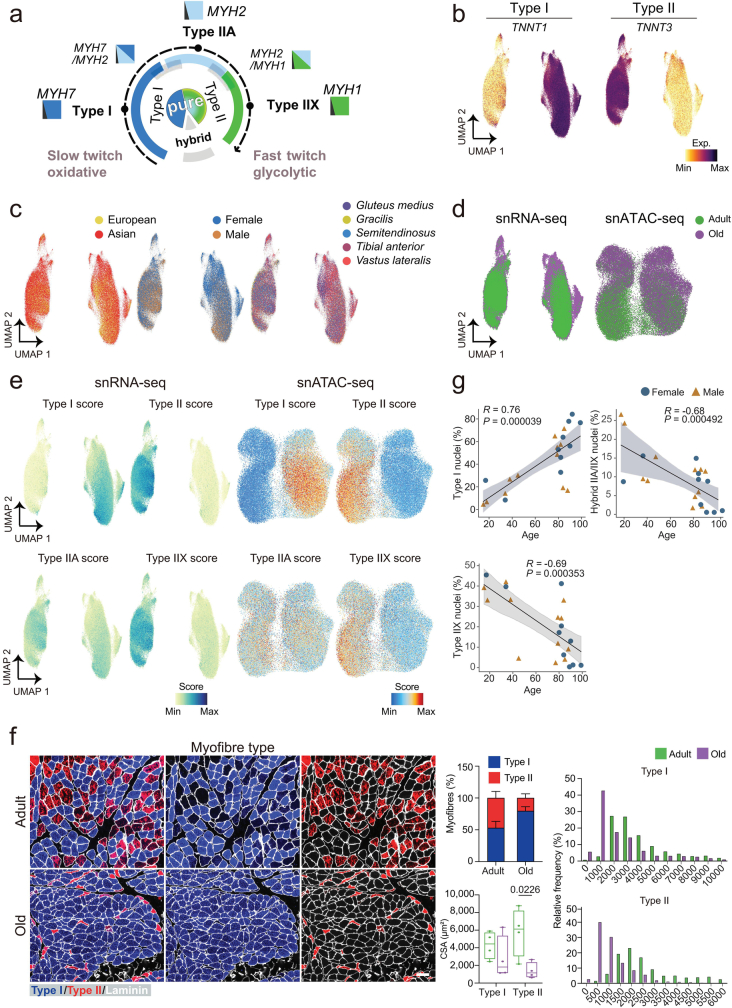
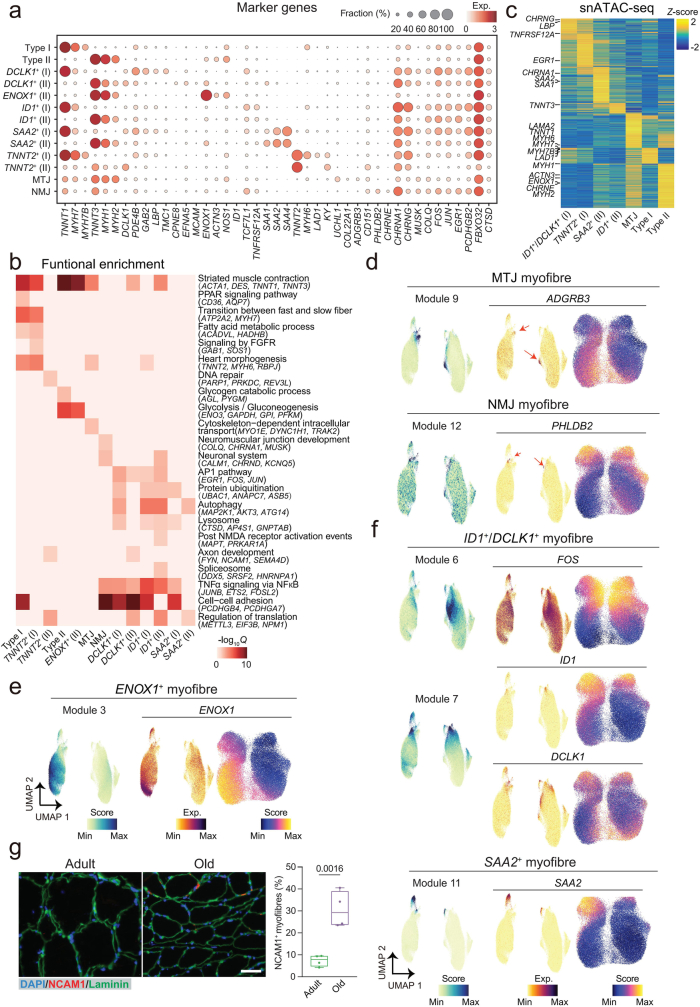
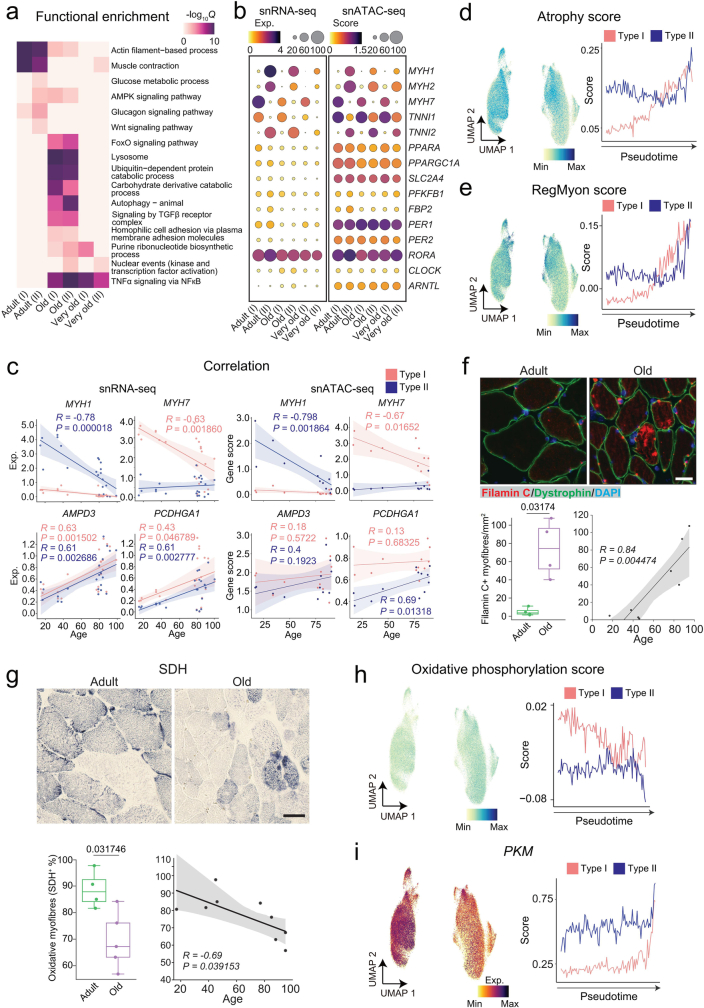
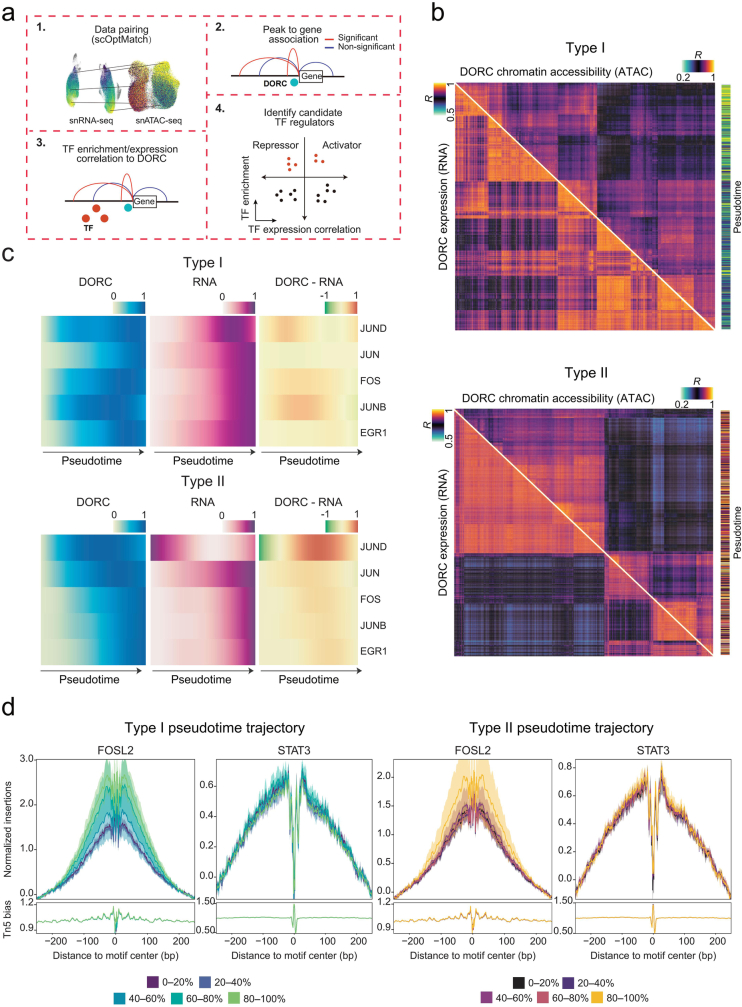
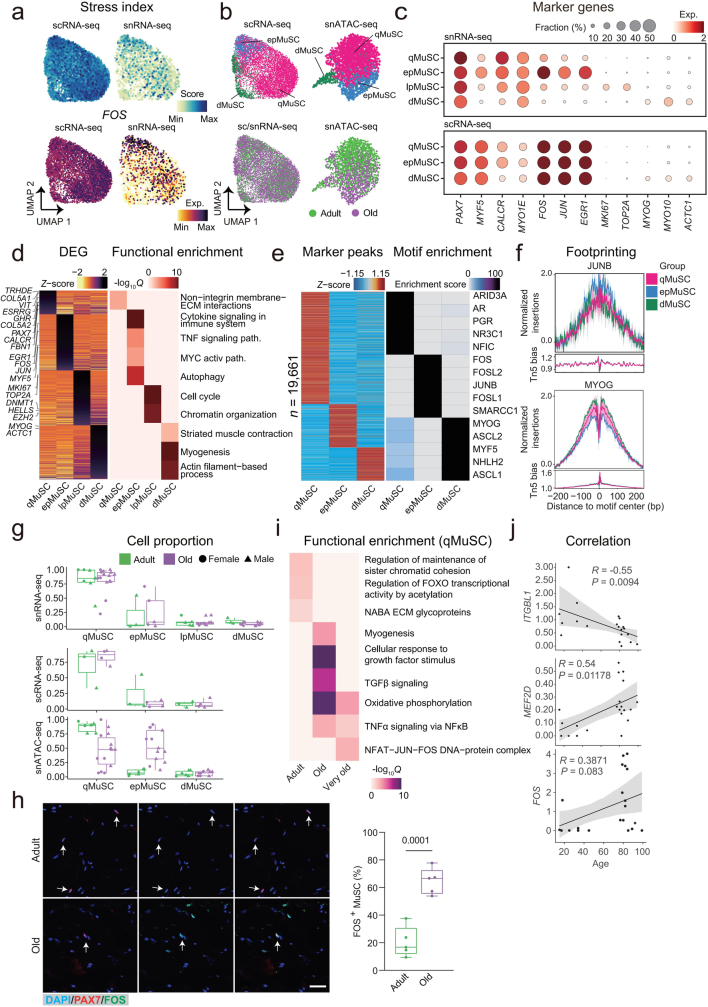
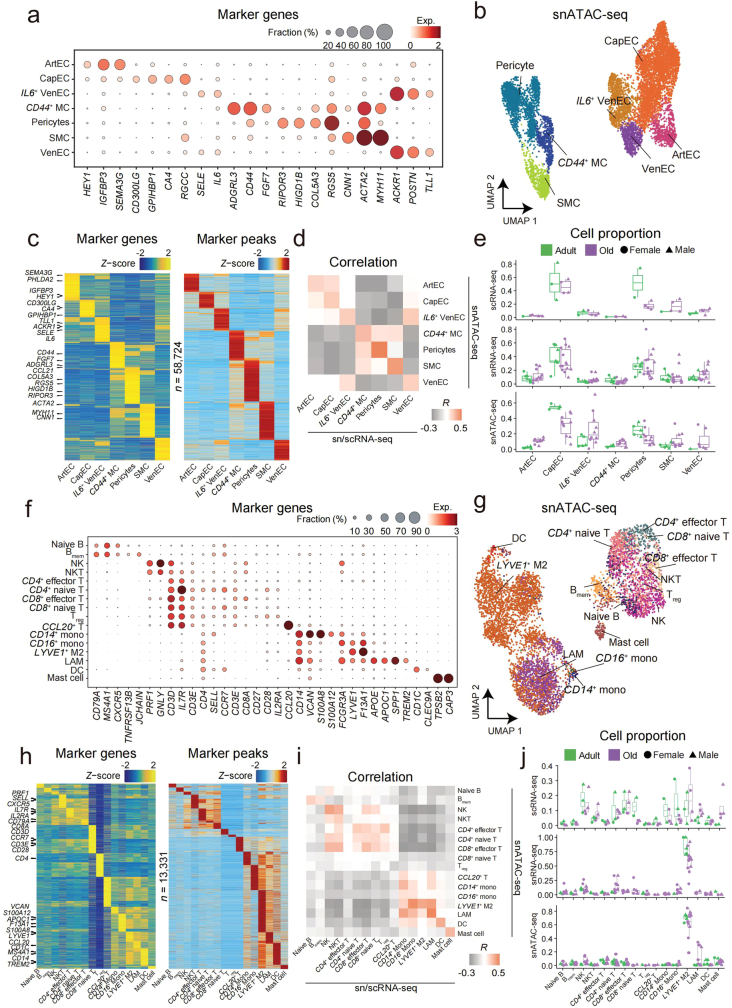
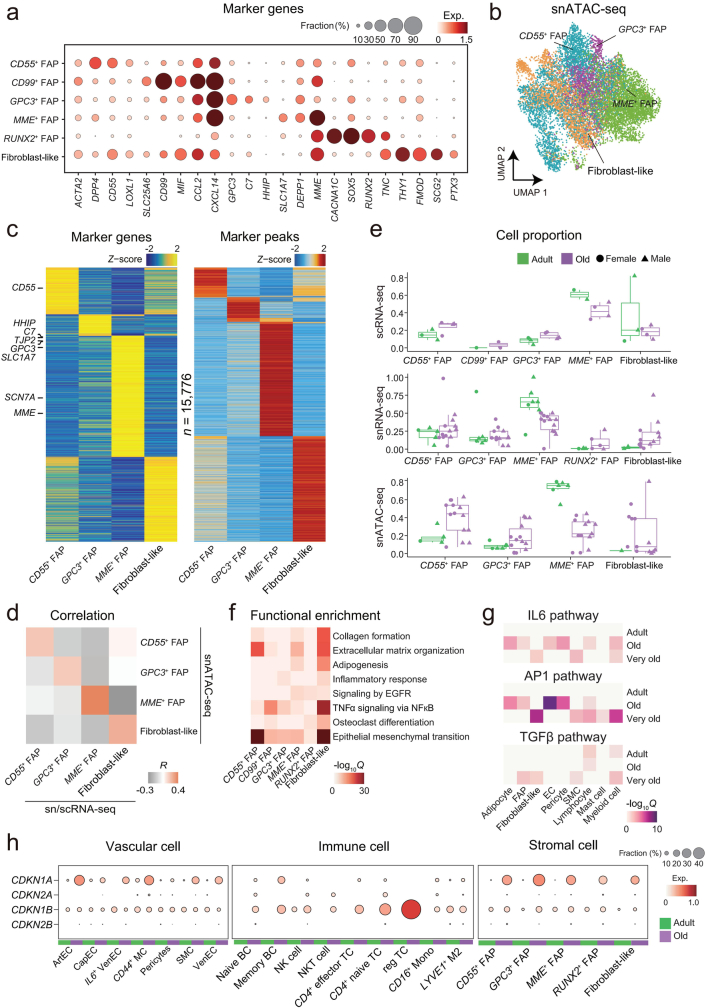
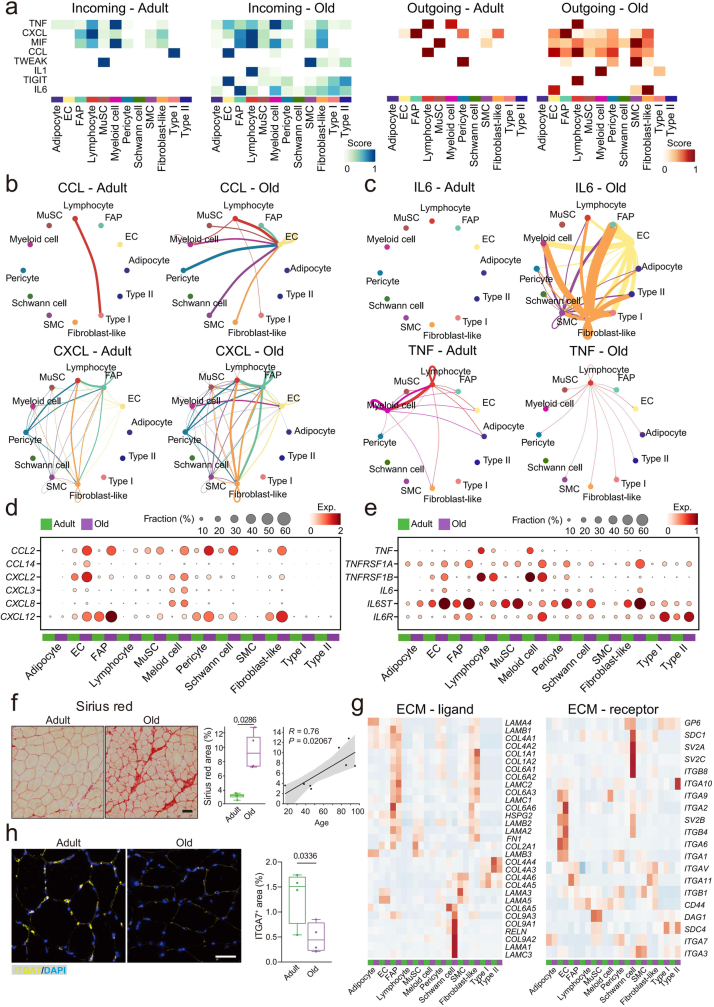
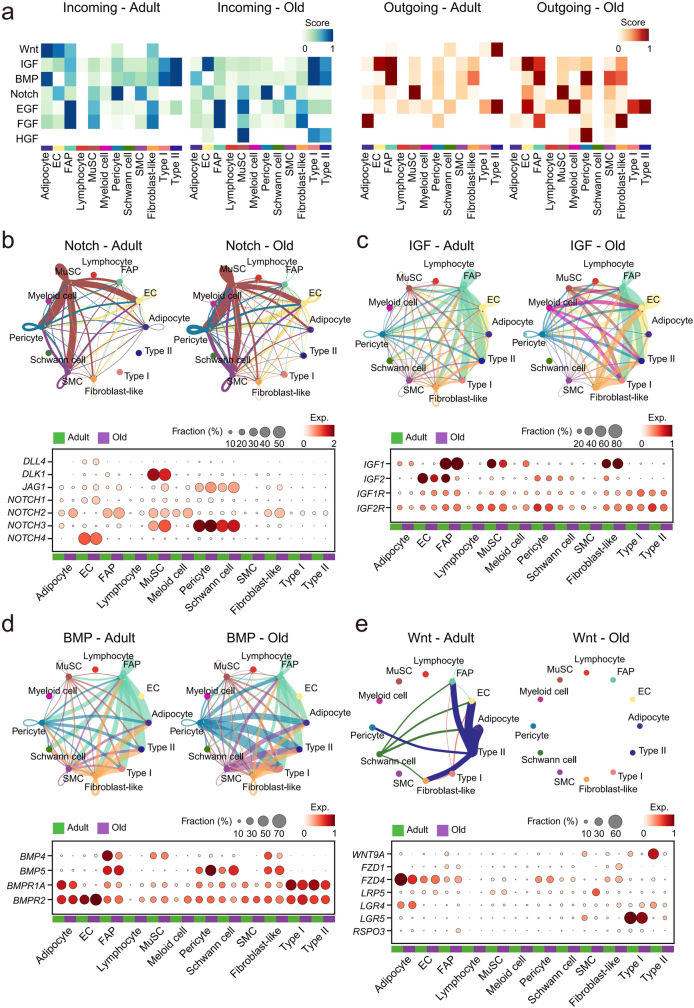
Muscle atrophy and functional decline (sarcopenia) are common manifestations of frailty and are critical contributors to morbidity and mortality in older people. Deciphering the molecular mechanisms underlying sarcopenia has major implications for understanding human ageing. Yet, progress has been slow, partly due to the difficulties of characterizing skeletal muscle niche heterogeneity (whereby myofibres are the most abundant) and obtaining well-characterized human samples. Here we generate a single-cell/single-nucleus transcriptomic and chromatin accessibility map of human limb skeletal muscles encompassing over 387,000 cells/nuclei from individuals aged 15 to 99 years with distinct fitness and frailty levels. We describe how cell populations change during ageing, including the emergence of new populations in older people, and the cell-specific and multicellular network features (at the transcriptomic and epigenetic levels) associated with these changes. On the basis of cross-comparison with genetic data, we also identify key elements of chromatin architecture that mark susceptibility to sarcopenia. Our study provides a basis for identifying targets in the skeletal muscle that are amenable to medical, pharmacological and lifestyle interventions in late life.
肌肉萎缩和功能下降(肌少症)是衰弱的常见表现,也是老年人发病率和死亡率的重要原因。解析肌少症的分子机制对于理解人类衰老具有重要意义。然而,进展缓慢,部分原因是难以描述骨骼肌肉生态位异质性(其中肌纤维最为丰富)和获得特征明确的人类样本。在这里,我们生成了一个单细胞/单核转录组和染色质可及性图谱,涵盖了来自年龄在 15 岁至 99 岁之间、具有不同健康水平和衰弱程度的个体的超过 387000 个细胞/核。我们描述了细胞群体在衰老过程中的变化,包括在老年人中出现的新群体,以及与这些变化相关的细胞特异性和多细胞网络特征(在转录组和表观遗传水平上)。基于与遗传数据的交叉比较,我们还确定了染色质结构的关键元素,这些元素标志着对肌少症的易感性。我们的研究为确定骨骼肌肉中的靶标提供了基础,这些靶标可以通过医学、药理学和生活方式干预来治疗晚年的肌少症。