Unité des Toxines Bactériennes, Institut Pasteur, Université Paris Cité, CNRS UMR 2001 INSERM U1306, F-75015 Paris, France.
Toxins (Basel). 2024 Apr 8;16(4):182. doi: 10.3390/toxins16040182.
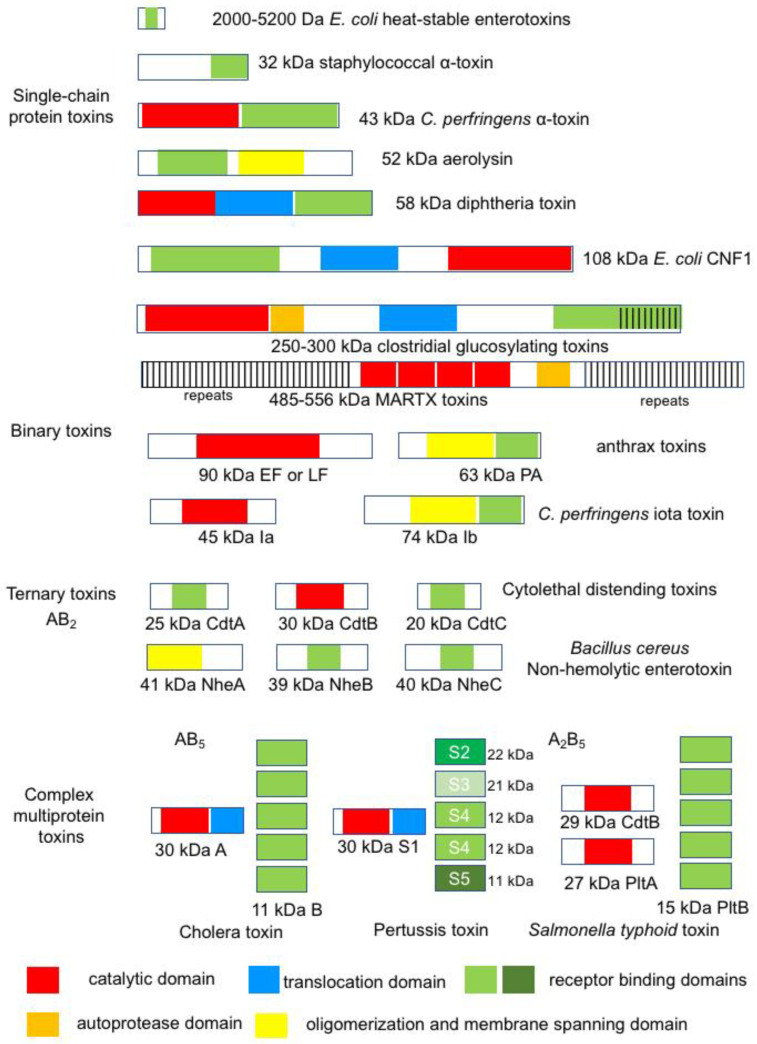
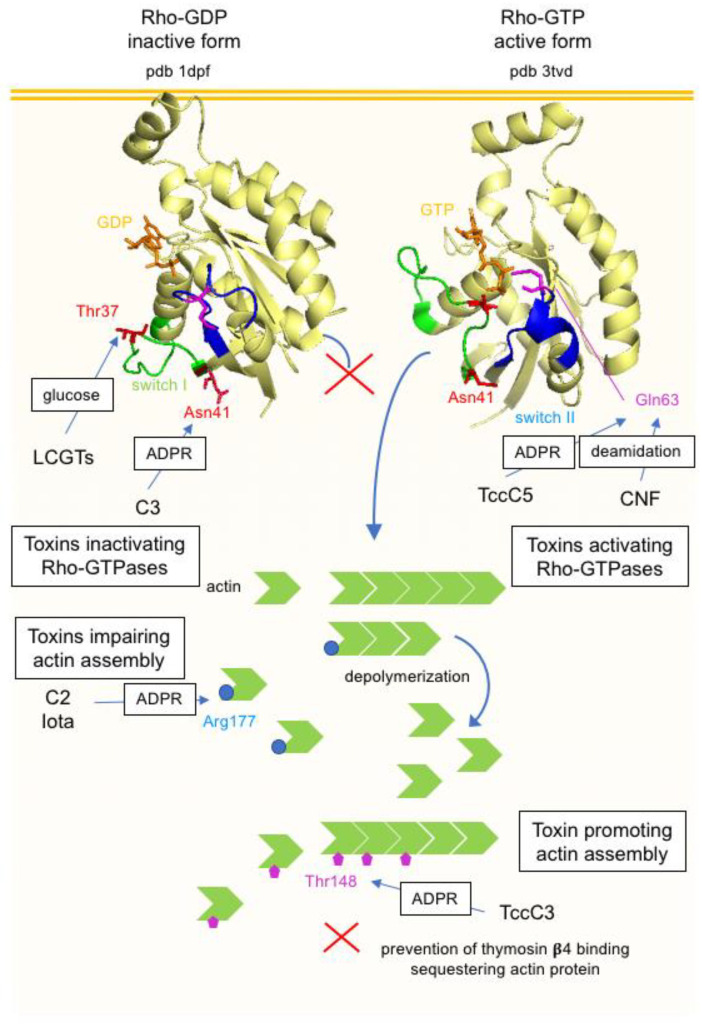
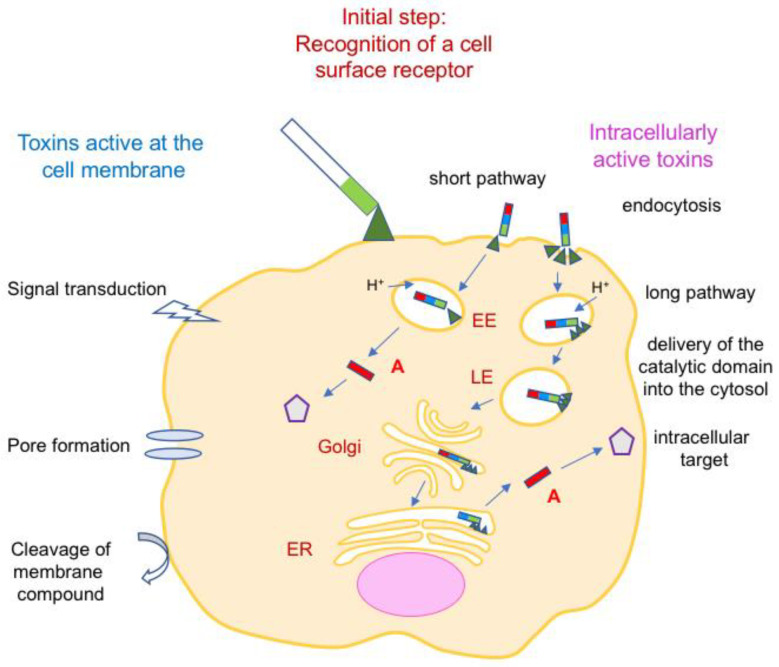
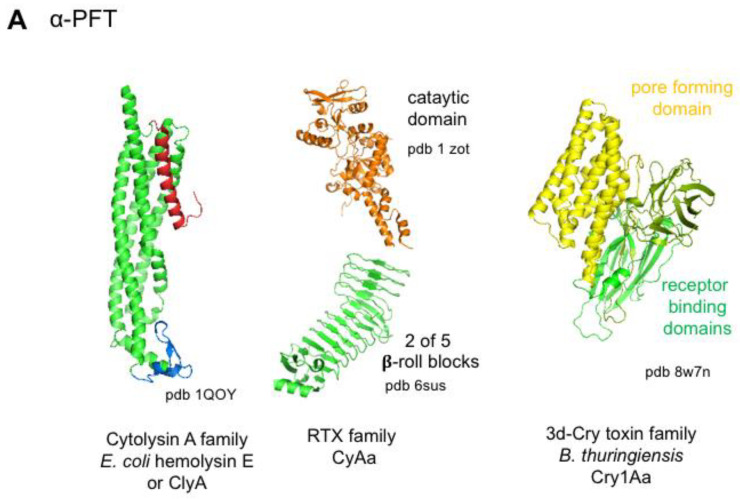
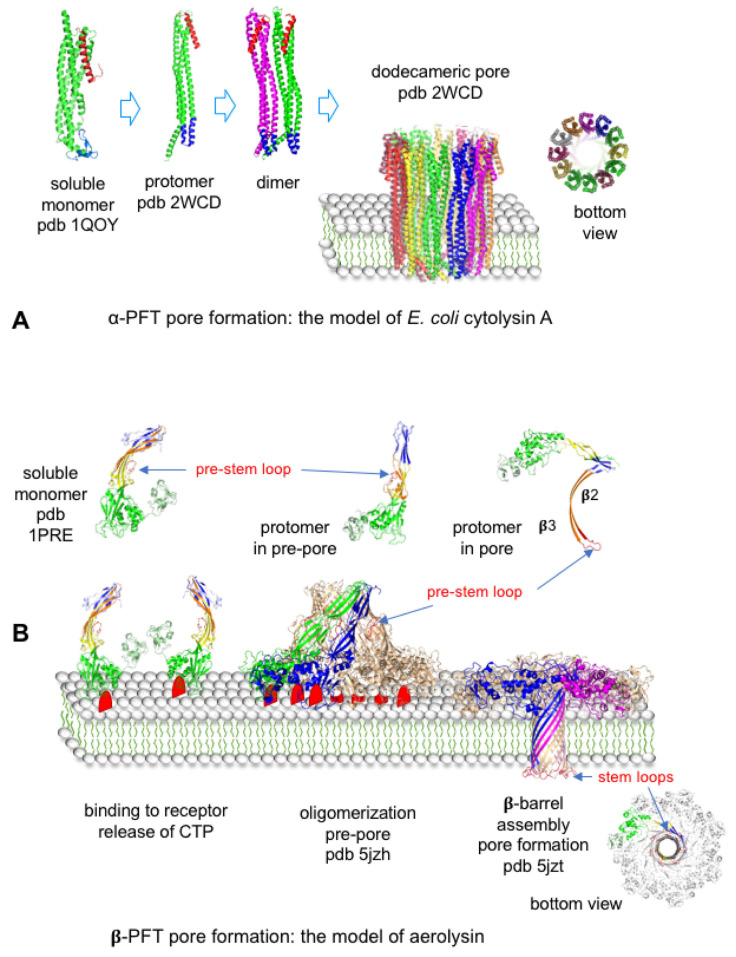
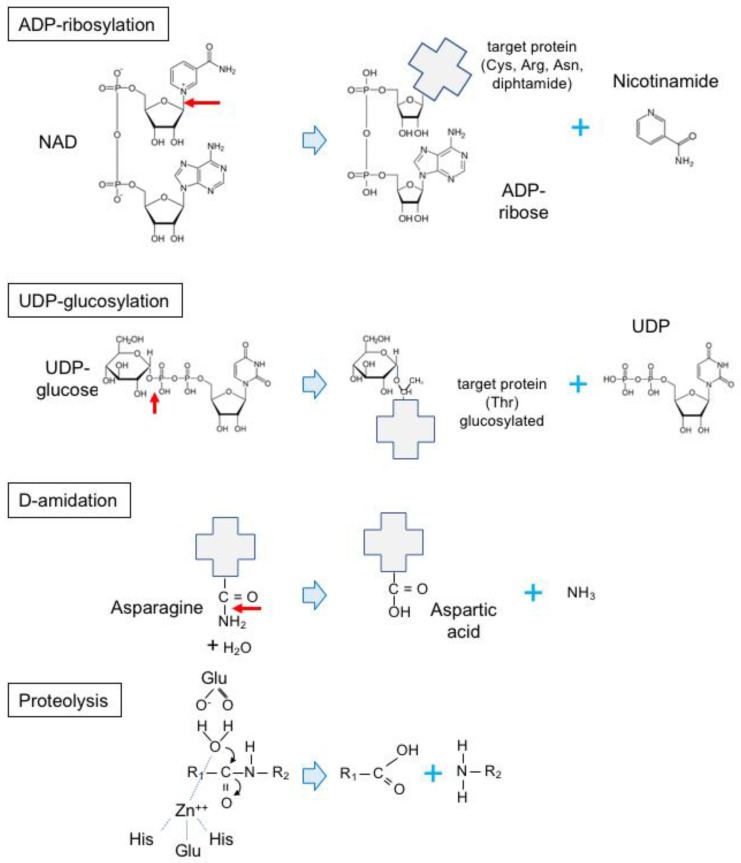
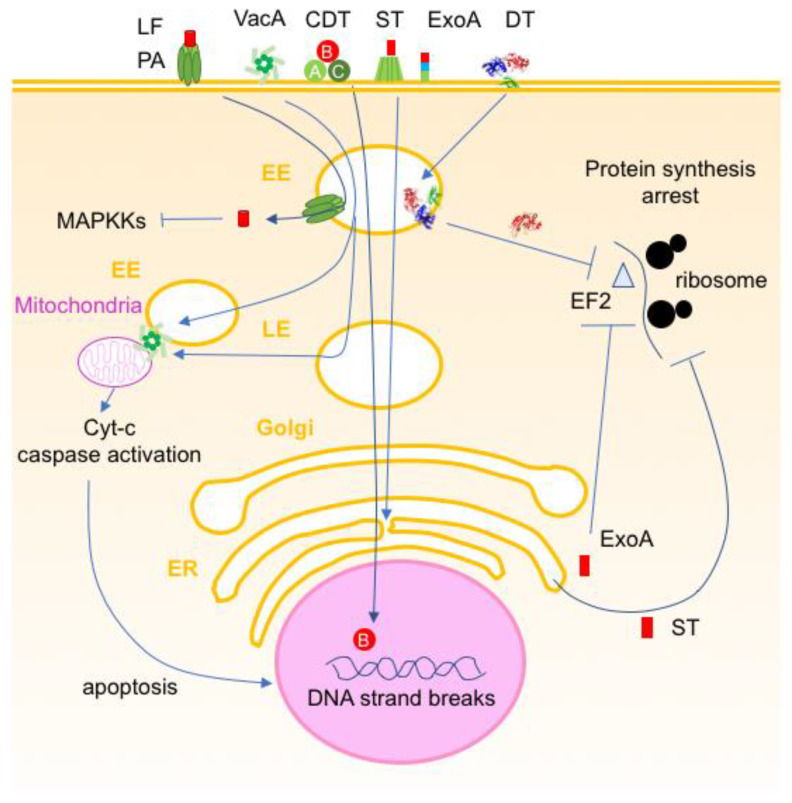
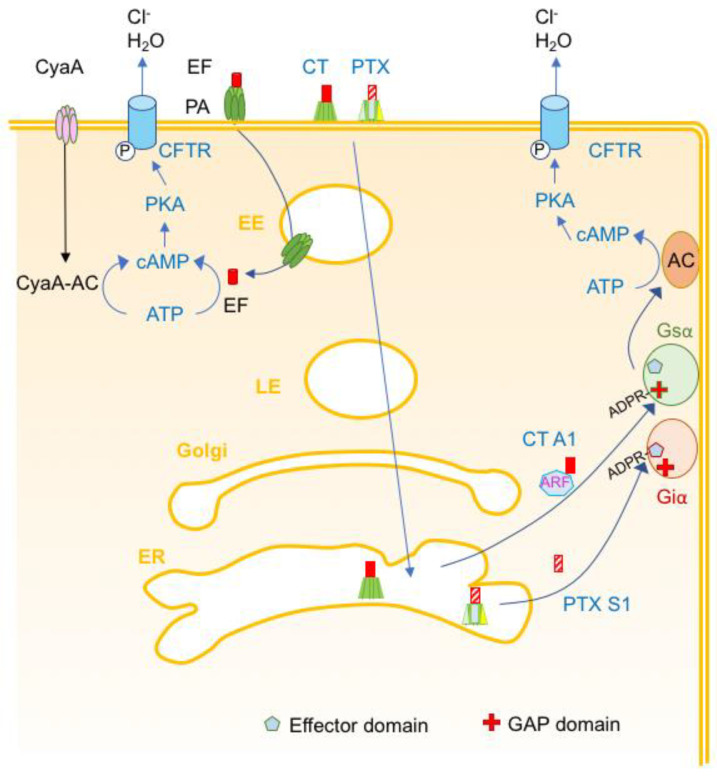
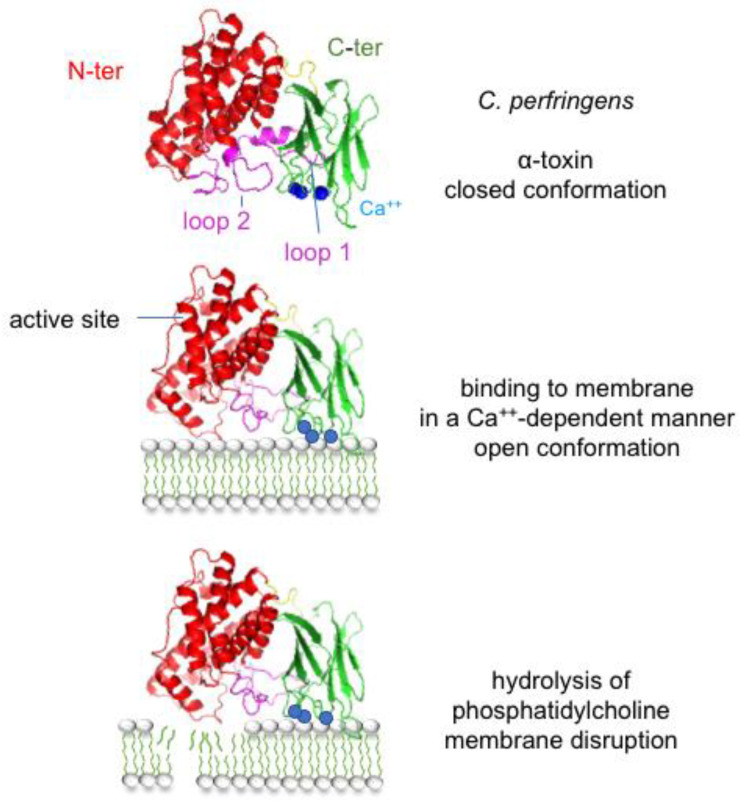
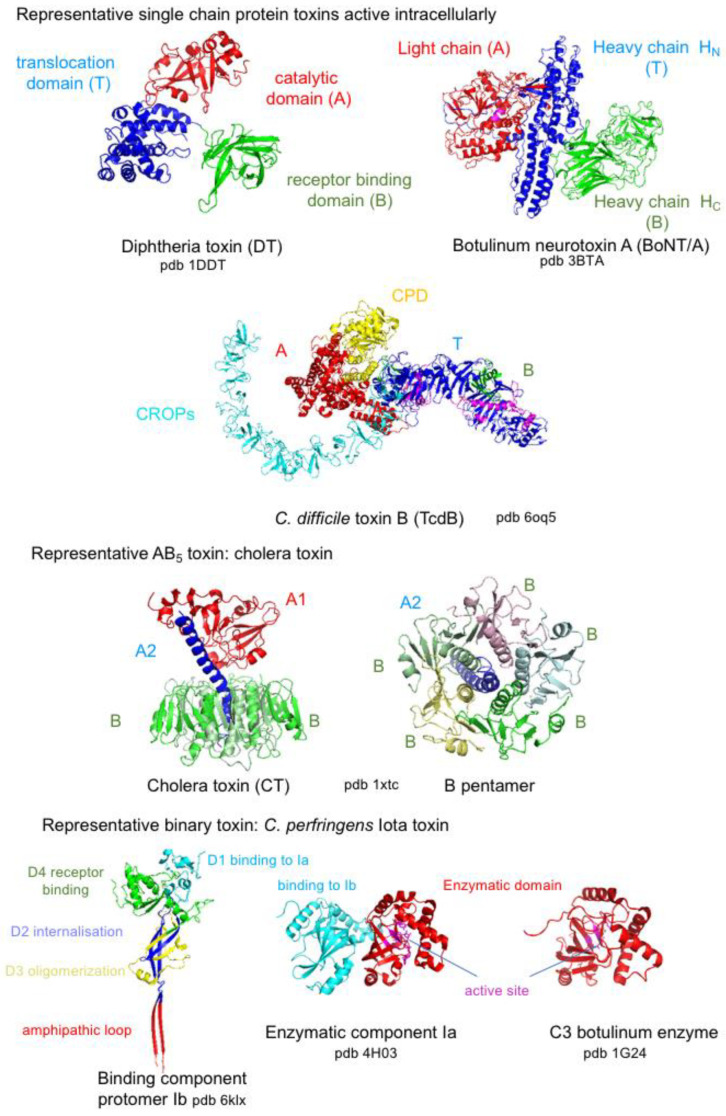
Bacterial protein toxins are secreted by certain bacteria and are responsible for mild to severe diseases in humans and animals. They are among the most potent molecules known, which are active at very low concentrations. Bacterial protein toxins exhibit a wide diversity based on size, structure, and mode of action. Upon recognition of a cell surface receptor (protein, glycoprotein, and glycolipid), they are active either at the cell surface (signal transduction, membrane damage by pore formation, or hydrolysis of membrane compound(s)) or intracellularly. Various bacterial protein toxins have the ability to enter cells, most often using an endocytosis mechanism, and to deliver the effector domain into the cytosol, where it interacts with an intracellular target(s). According to the nature of the intracellular target(s) and type of modification, various cellular effects are induced (cell death, homeostasis modification, cytoskeleton alteration, blockade of exocytosis, etc.). The various modes of action of bacterial protein toxins are illustrated with representative examples. Insights in toxin evolution are discussed.
细菌蛋白毒素由某些细菌分泌,可导致人类和动物罹患轻度至重度疾病。它们是已知最有效的分子之一,在非常低的浓度下就具有活性。细菌蛋白毒素基于大小、结构和作用方式表现出广泛的多样性。在识别细胞表面受体(蛋白质、糖蛋白和糖脂)后,它们在细胞表面(信号转导、通过孔形成破坏膜或水解膜化合物)或细胞内发挥作用。各种细菌蛋白毒素具有进入细胞的能力,通常使用内吞作用机制,并将效应结构域递送至细胞质,在细胞质中与细胞内靶标相互作用。根据细胞内靶标的性质和修饰类型,会诱导各种细胞效应(细胞死亡、稳态修饰、细胞骨架改变、胞吐阻断等)。本文用代表性实例说明了细菌蛋白毒素的各种作用模式。还讨论了毒素进化的见解。