Cysewski Piotr, Jeliński Tomasz, Przybyłek Maciej
Department of Physical Chemistry, Pharmacy Faculty, Collegium Medicum of Bydgoszcz, Nicolaus Copernicus University in Toruń, Kurpińskiego 5, 85-096 Bydgoszcz, Poland.
Molecules. 2024 Apr 11;29(8):1743. doi: 10.3390/molecules29081743.
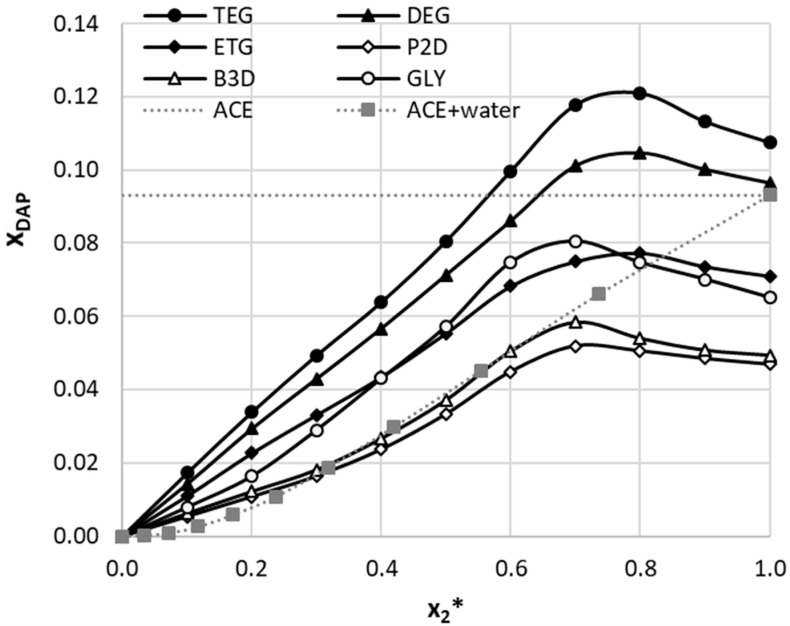
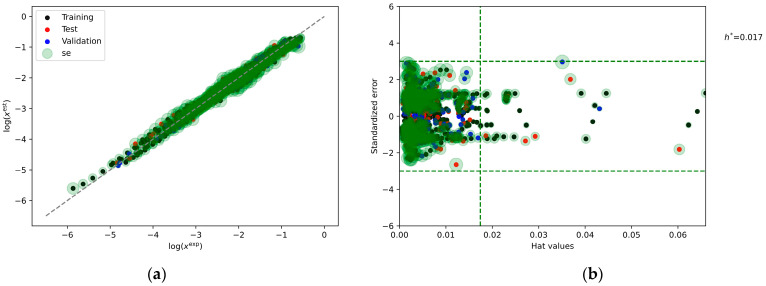
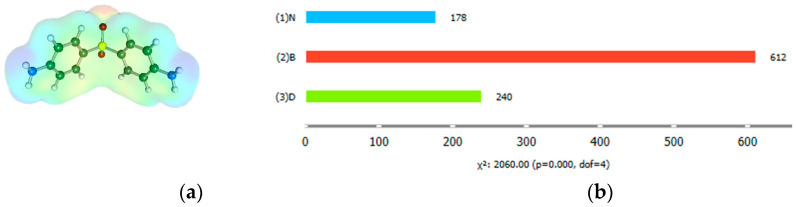
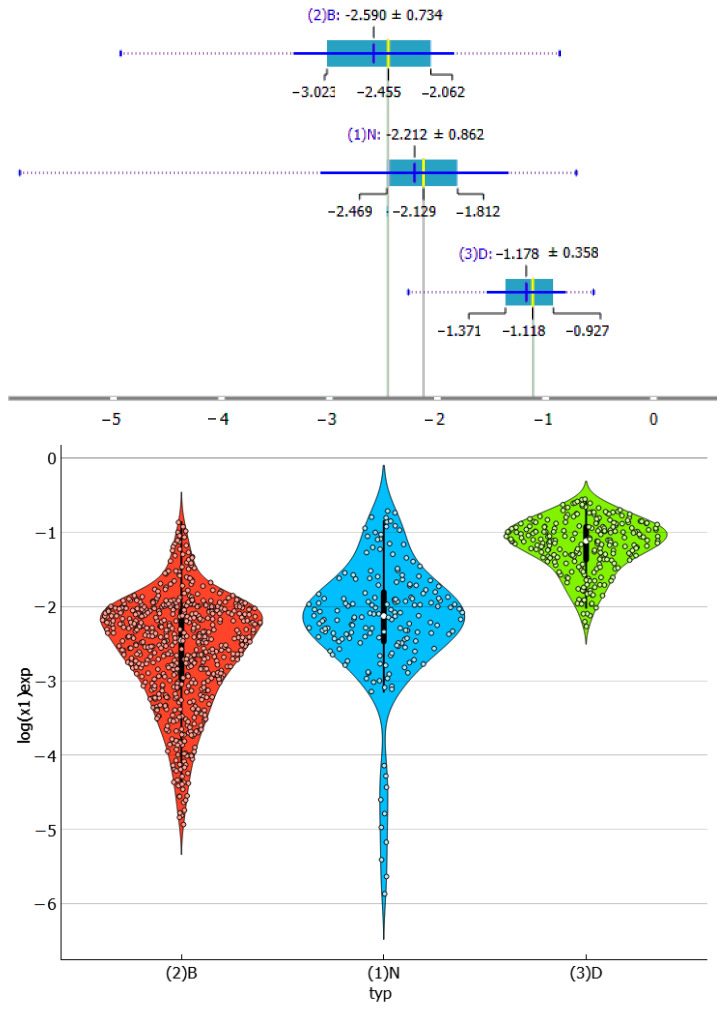
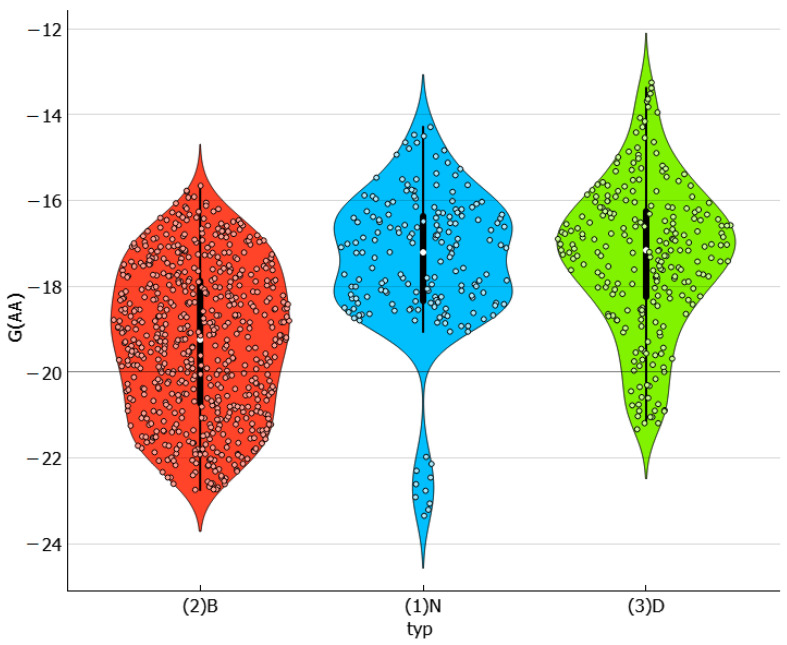
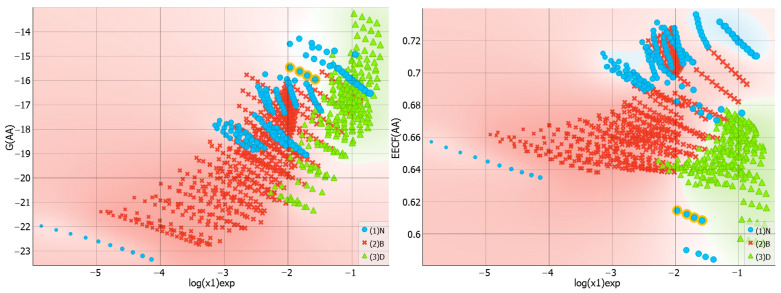
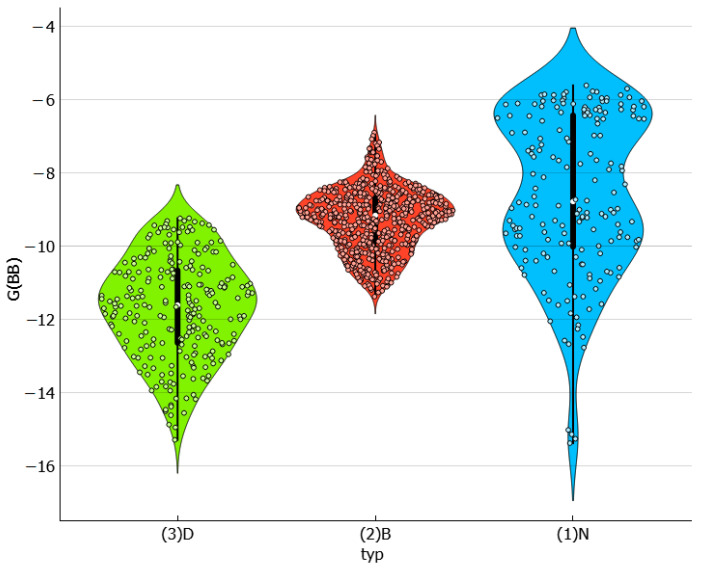
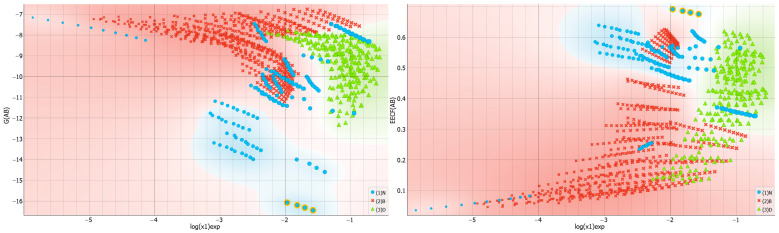
Solubility is not only a crucial physicochemical property for laboratory practice but also provides valuable insight into the mechanism of saturated system organization, as a measure of the interplay between various intermolecular interactions. The importance of these data cannot be overstated, particularly when dealing with active pharmaceutical ingredients (APIs), such as dapsone. It is a commonly used anti-inflammatory and antimicrobial agent. However, its low solubility hampers its efficient applications. In this project, deep eutectic solvents (DESs) were used as solubilizing agents for dapsone as an alternative to traditional solvents. DESs were composed of choline chloride and one of six polyols. Additionally, water-DES mixtures were studied as a type of ternary solvents. The solubility of dapsone in these systems was determined spectrophotometrically. This study also analyzed the intermolecular interactions, not only in the studied eutectic systems, but also in a wide range of systems found in the literature, determined using the COSMO-RS framework. The intermolecular interactions were quantified as affinity values, which correspond to the Gibbs free energy of pair formation of dapsone molecules with constituents of regular solvents and choline chloride-based deep eutectic solvents. The patterns of solute-solute, solute-solvent, and solvent-solvent interactions that affect solubility were recognized using Orange data mining software (version 3.36.2). Finally, the computed affinity values were used to provide useful descriptors for machine learning purposes. The impact of intermolecular interactions on dapsone solubility in neat solvents, binary organic solvent mixtures, and deep eutectic solvents was analyzed and highlighted, underscoring the crucial role of dapsone self-association and providing valuable insights into complex solubility phenomena. Also the importance of solvent-solvent diversity was highlighted as a factor determining dapsone solubility. The Non-Linear Support Vector Regression (NuSVR) model, in conjunction with unique molecular descriptors, revealed exceptional predictive accuracy. Overall, this study underscores the potency of computed molecular characteristics and machine learning models in unraveling complex molecular interactions, thereby advancing our understanding of solubility phenomena within the scientific community.
溶解度不仅是实验室实践中至关重要的物理化学性质,而且作为各种分子间相互作用之间相互作用的一种度量,还能为饱和体系组织机制提供有价值的见解。这些数据的重要性再怎么强调也不为过,尤其是在处理活性药物成分(API)时,比如氨苯砜。它是一种常用的抗炎和抗菌剂。然而,其低溶解度阻碍了其有效应用。在本项目中,深共熔溶剂(DESs)被用作氨苯砜的增溶剂,以替代传统溶剂。DESs由氯化胆碱和六种多元醇中的一种组成。此外,水 - DES混合物作为一种三元溶剂进行了研究。氨苯砜在这些体系中的溶解度通过分光光度法测定。本研究还分析了分子间相互作用,不仅在所研究的共熔体系中,而且在文献中发现的广泛体系中,使用COSMO - RS框架进行测定。分子间相互作用被量化为亲和值,其对应于氨苯砜分子与常规溶剂成分和基于氯化胆碱的深共熔溶剂形成对的吉布斯自由能。使用Orange数据挖掘软件(版本3.36.2)识别了影响溶解度的溶质 - 溶质、溶质 - 溶剂和溶剂 - 溶剂相互作用模式。最后,计算得到的亲和值被用于提供用于机器学习目的的有用描述符。分析并强调了分子间相互作用对氨苯砜在纯溶剂、二元有机溶剂混合物和深共熔溶剂中溶解度的影响,突出了氨苯砜自缔合的关键作用,并为复杂的溶解现象提供了有价值的见解。还强调了溶剂 - 溶剂多样性作为决定氨苯砜溶解度的一个因素的重要性。非线性支持向量回归(NuSVR)模型与独特的分子描述符相结合,显示出卓越的预测准确性。总体而言,本研究强调了计算分子特征和机器学习模型在揭示复杂分子相互作用方面的效力,从而在科学界推进了我们对溶解现象的理解。