Department of Disaster Science and Climate Resilience, University of Dhaka, Dhaka, 1000, Bangladesh.
Department of Water and Environmental Engineering, Faculty of Civil Engineering, Universiti Teknologi Malaysia, 81310, Johor Bahru, Malaysia.
Sci Rep. 2024 May 6;14(1):10417. doi: 10.1038/s41598-024-61138-8.
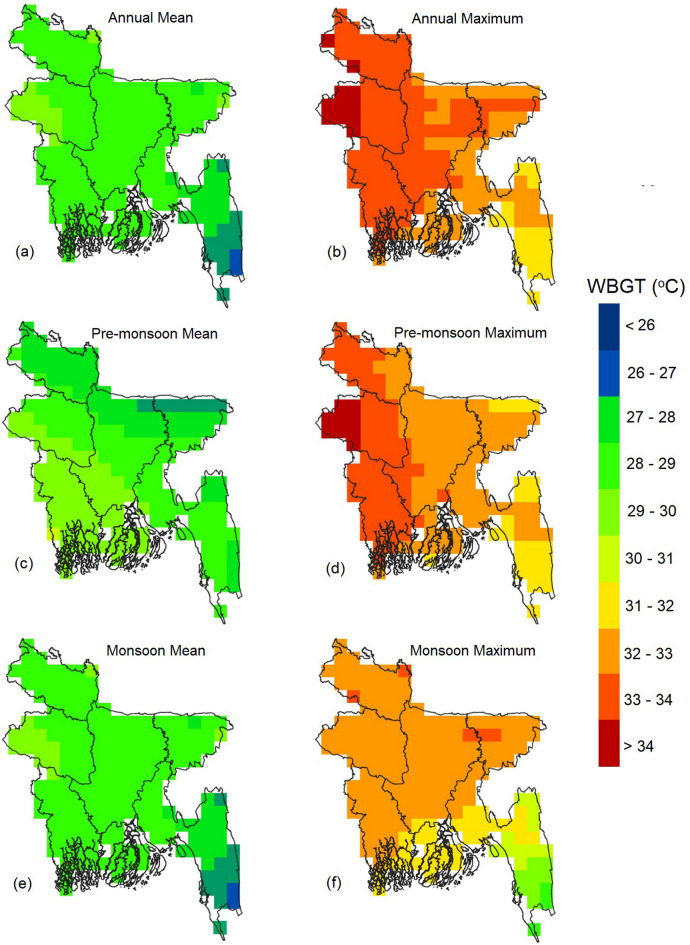
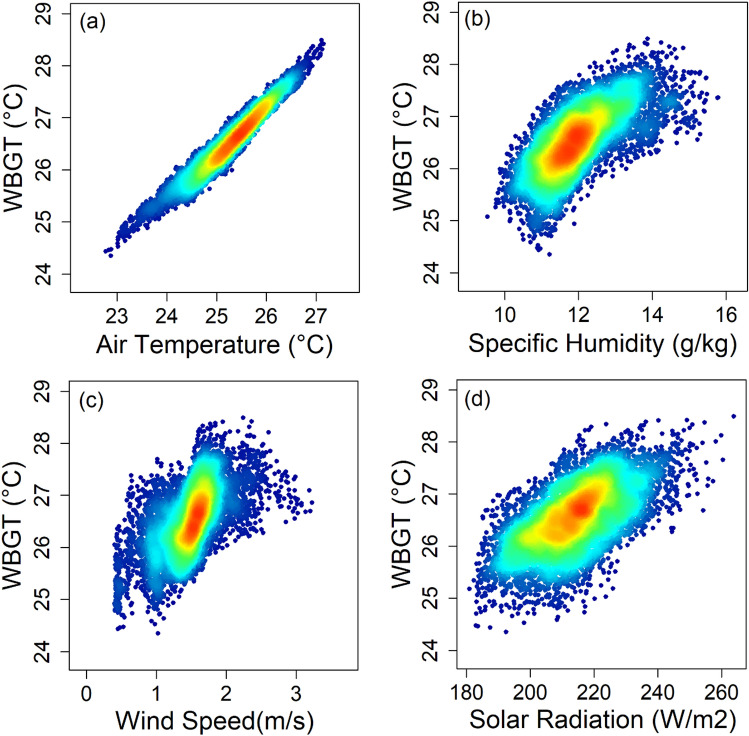
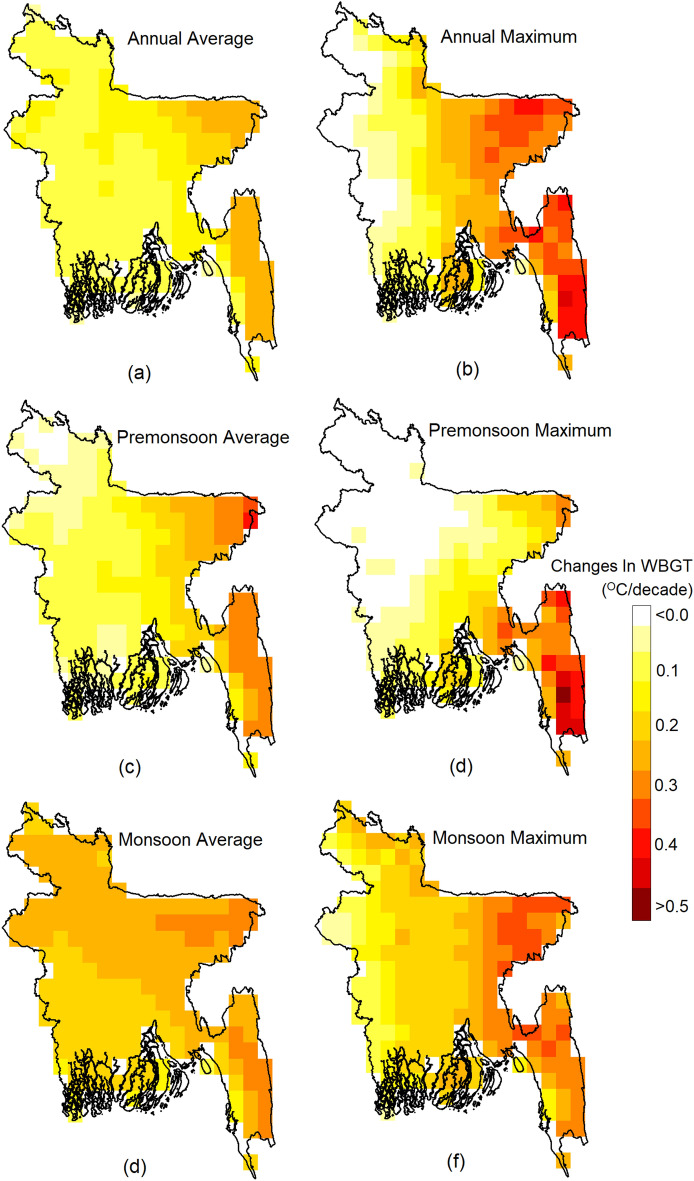
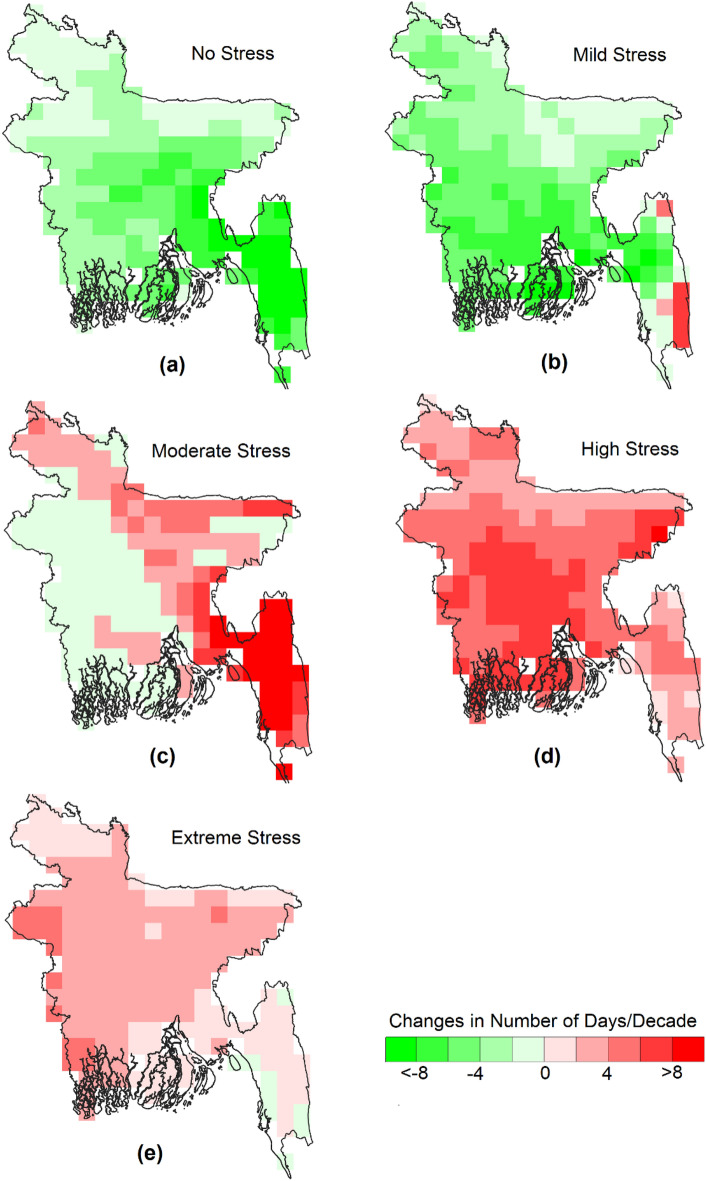
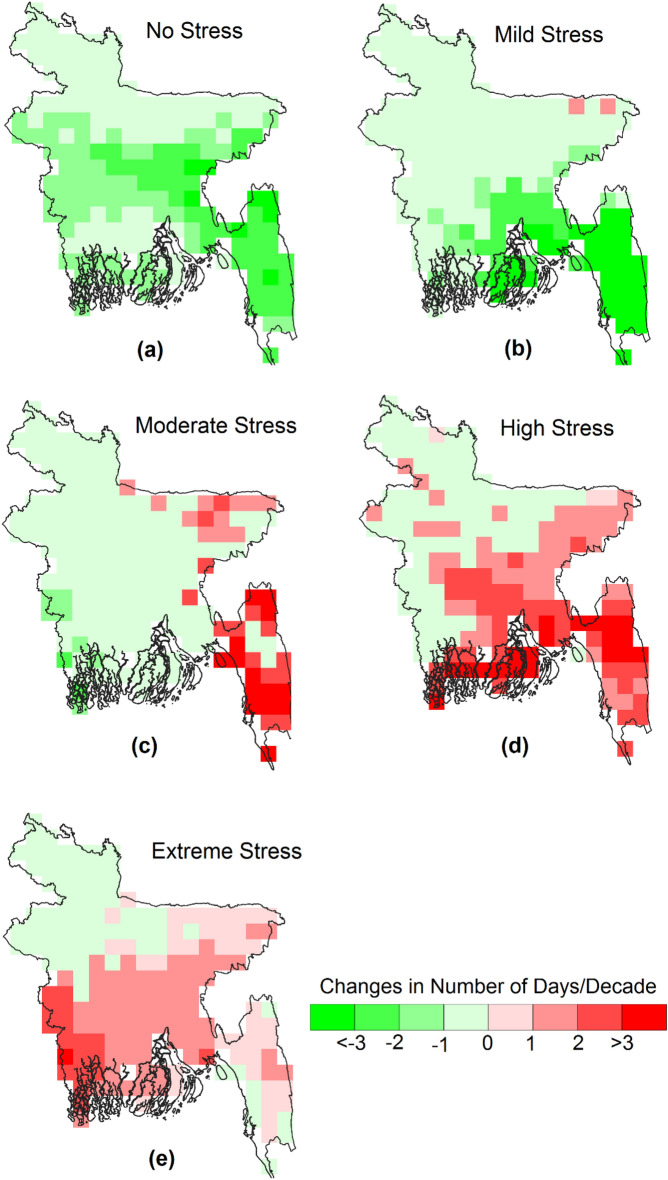
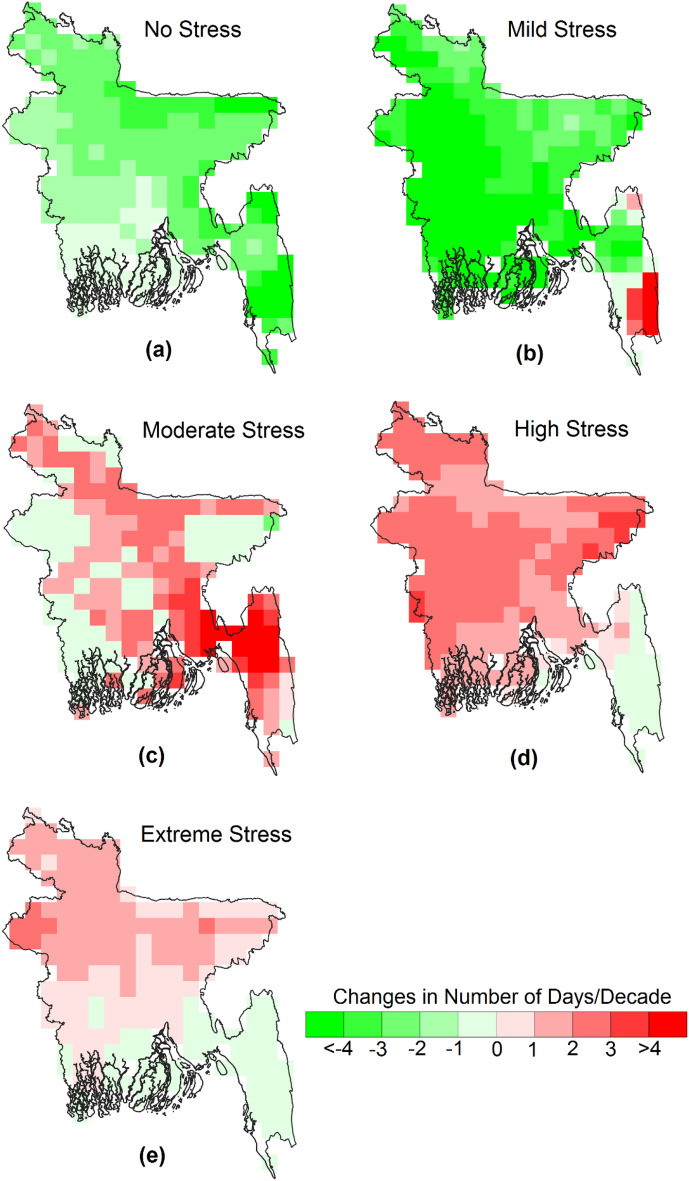
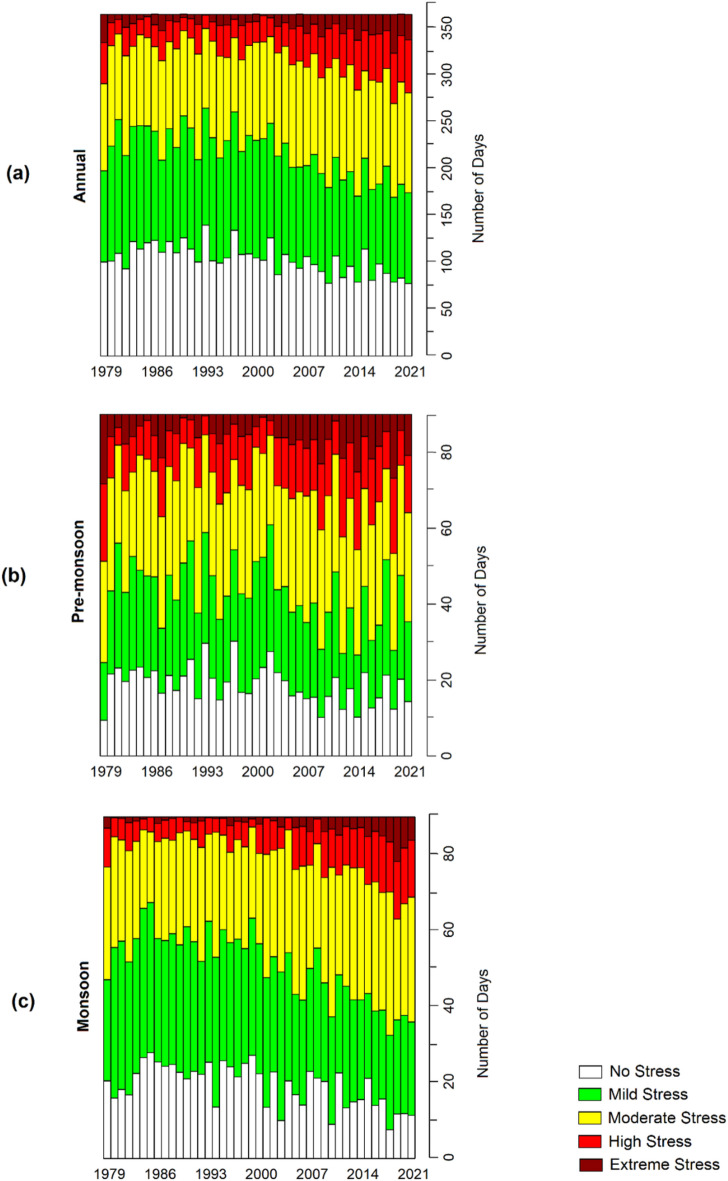
The rise in temperatures and changes in other meteorological variables have exposed millions of people to health risks in Bangladesh, a densely populated, hot, and humid country. To better assess the threats climate change poses to human health, the wet bulb globe temperature (WBGT) is an important indicator of human heat stress. This study utilized high-resolution reanalysis data from the fifth-generation European Centre for Medium-Range Weather Forecasts (ECMWF ERA5) to analyze the spatiotemporal changes in outdoor WBGT across Bangladesh from 1979 to 2021, employing Liljegren's model. The study revealed an increase in the annual average WBGT by 0.08-0.5 °C per decade throughout the country, with a more pronounced rise in the southeast and northeast regions. Additionally, the number of days with WBGT levels associated with high and extreme risks of heat-related illnesses has shown an upward trend. Specifically, during the monsoon period (June to September), there has been an increase of 2-4 days per decade, and during the pre-monsoon period (March to May), an increase of 1-3 days per decade from 1979 to 2021. Furthermore, the results indicated that the escalation in WBGT has led to a five-fold increase in affected areas and a three-fold increase in days of high and extreme heat stress during the monsoon season in recent years compared to the earlier period. Trend and relative importance analyses of various meteorological variables demonstrated that air temperature is the primary driver behind Bangladesh's rising WBGT and related health risks, followed by specific humidity, wind speed, and solar radiation.
气温上升和其他气象变量的变化使孟加拉国数以百万计的人面临健康风险,孟加拉国人口稠密,气候炎热潮湿。为了更好地评估气候变化对人类健康的威胁,湿球黑球温度(WBGT)是衡量人体热应激的一个重要指标。本研究利用第五代欧洲中期天气预报中心(ECMWF)高分辨率再分析数据,采用 Liljegren 模型,分析了 1979 年至 2021 年孟加拉国户外 WBGT 的时空变化。研究表明,全国范围内,WBGT 的年平均温度每十年升高 0.08-0.5°C,东南部和东北部地区的上升幅度更为明显。此外,WBGT 水平与高温相关疾病高风险和极端风险相关的天数呈上升趋势。具体而言,在季风期(6 月至 9 月),每十年增加 2-4 天,在季风前(3 月至 5 月),每十年增加 1-3 天。此外,结果表明,近年来,WBGT 的上升导致受影响地区增加了五倍,季风期的高温和极端高温天数增加了三倍,与早期相比。对各种气象变量的趋势和相对重要性分析表明,孟加拉国 WBGT 上升及相关健康风险的主要驱动因素是空气温度,其次是比湿、风速和太阳辐射。