Bioinformatics Institute (BII), Agency for Science, Technology and Research (A*STAR), Singapore, Singapore.
Genome Institute of Singapore (GIS), Agency for Science, Technology and Research (A*STAR), Singapore, Singapore.
Elife. 2024 May 7;12:RP92178. doi: 10.7554/eLife.92178.
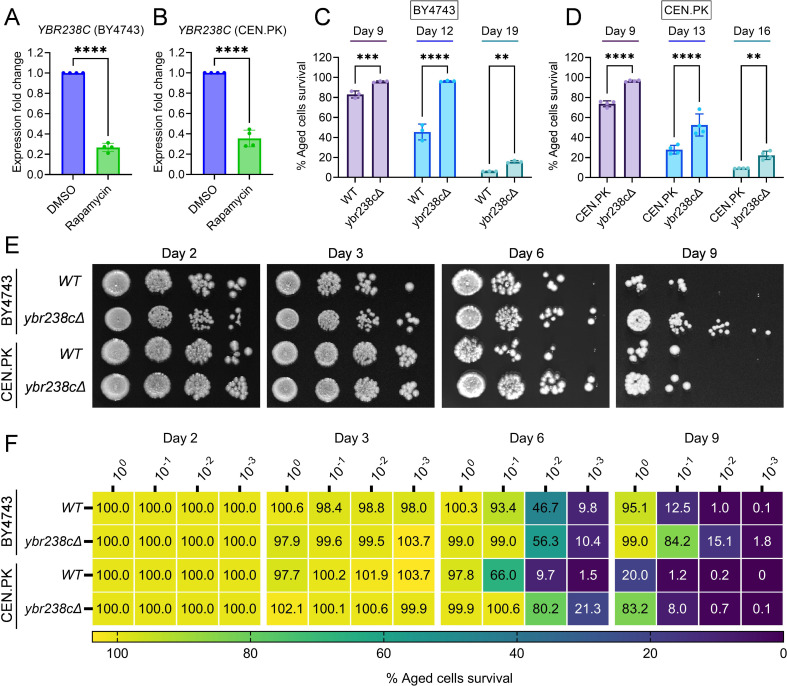
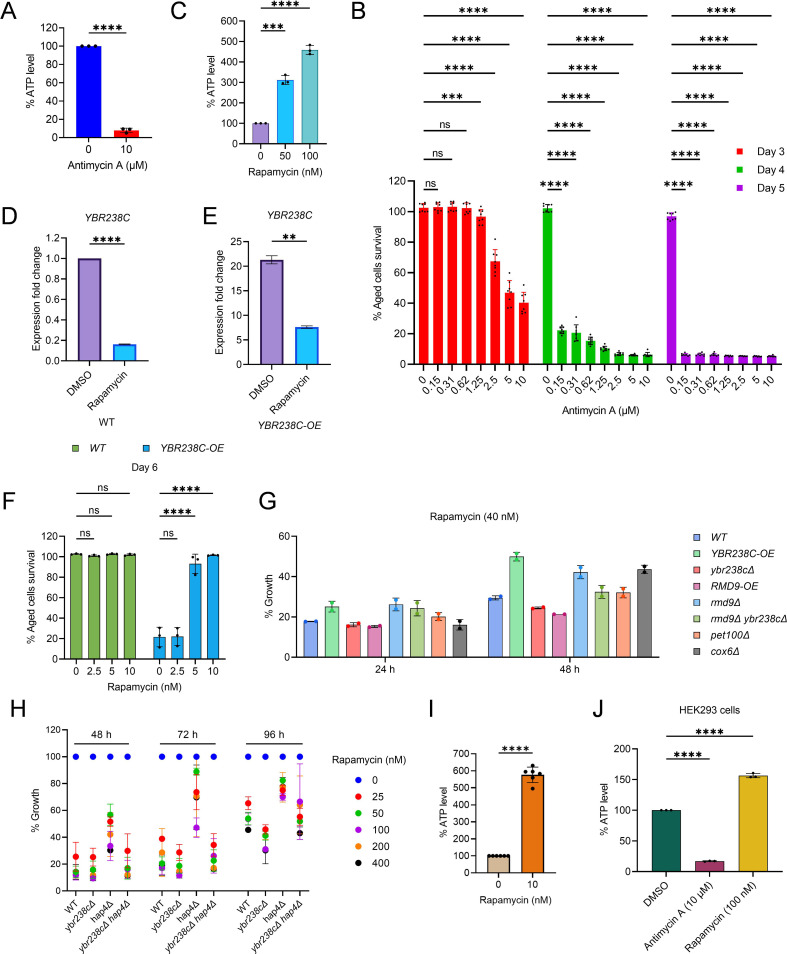
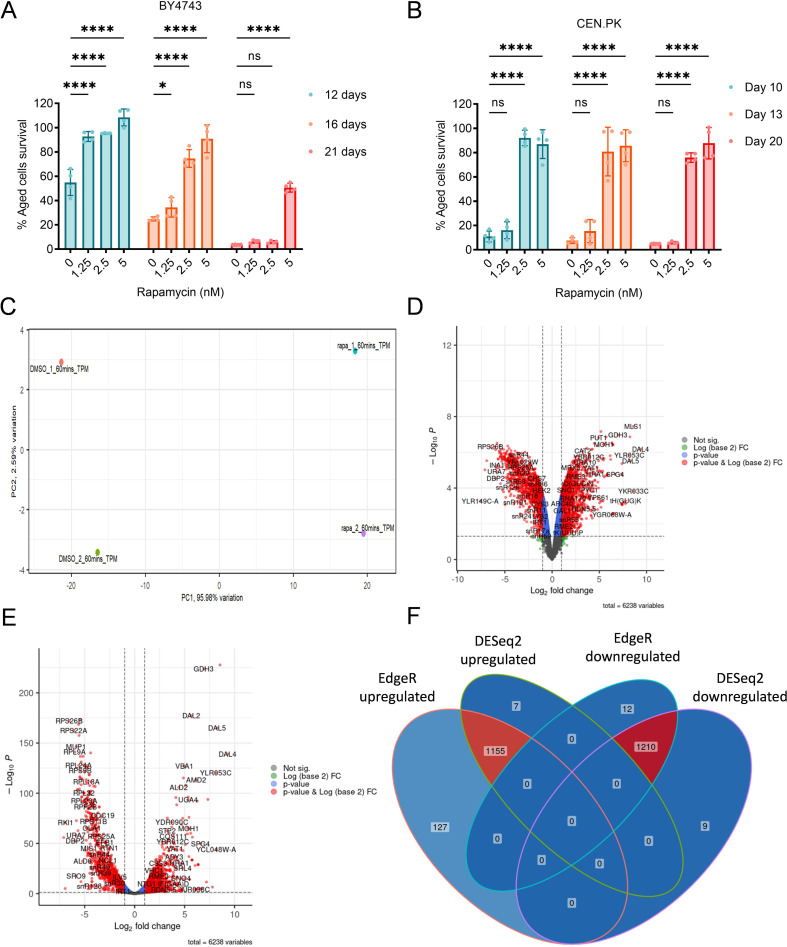
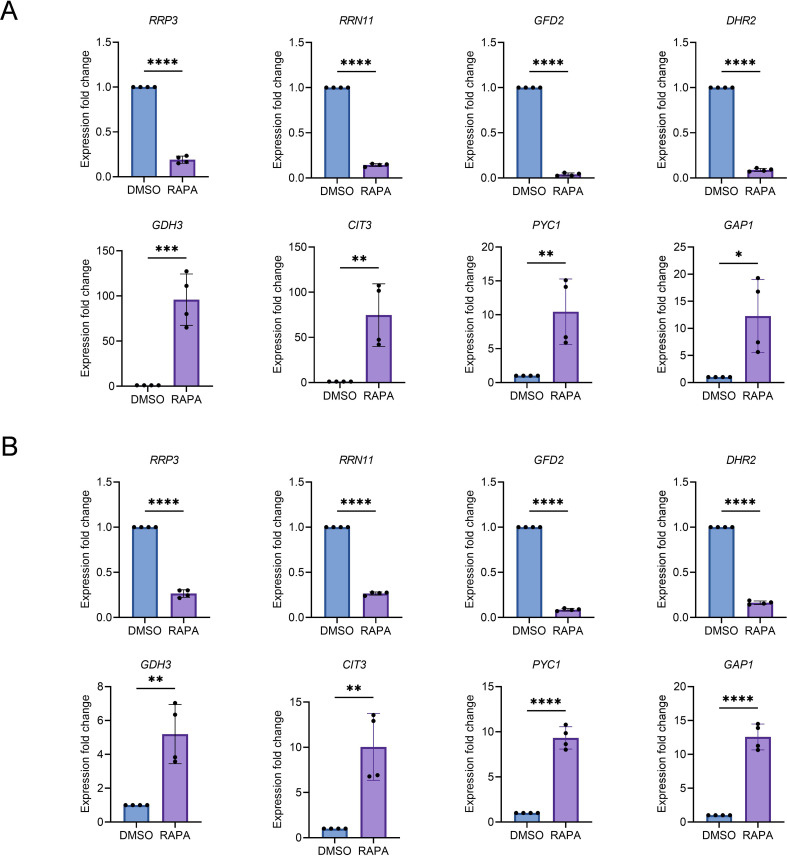
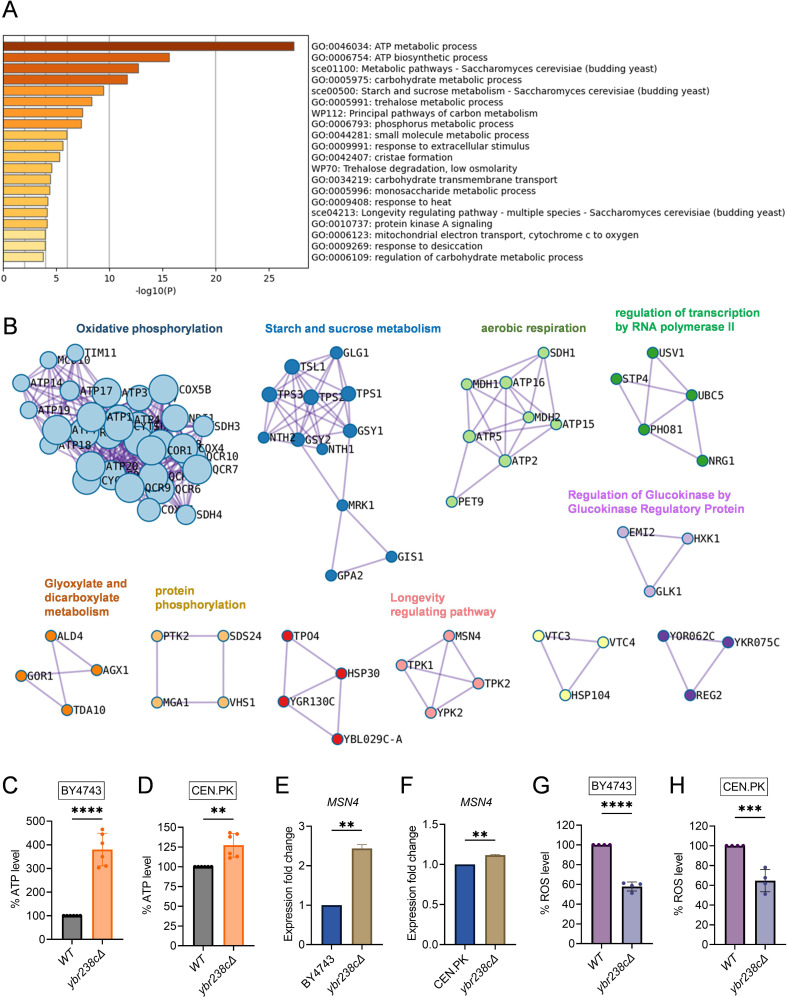
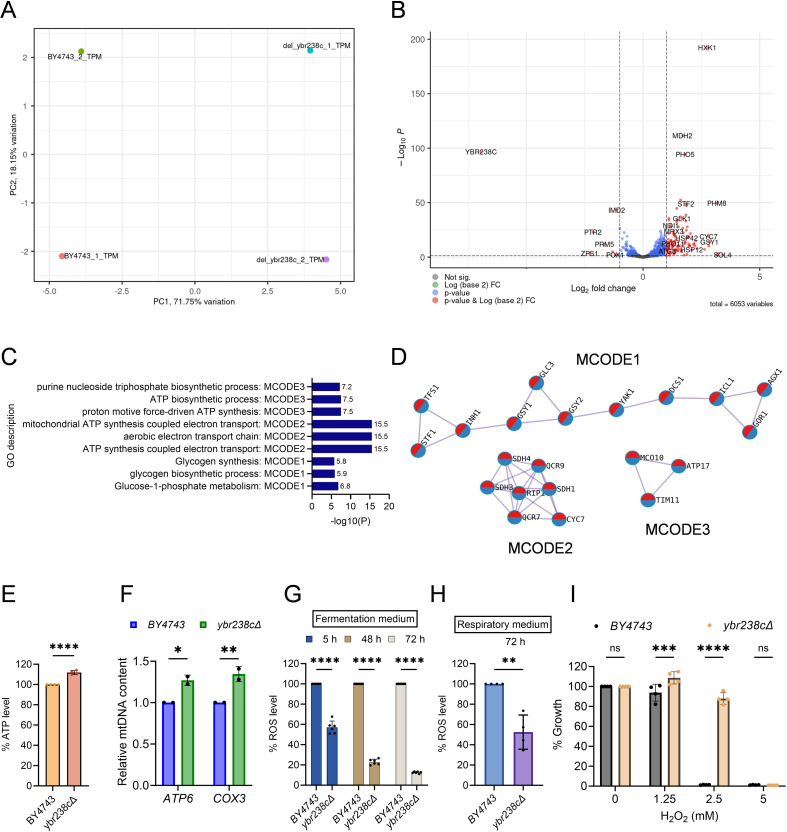
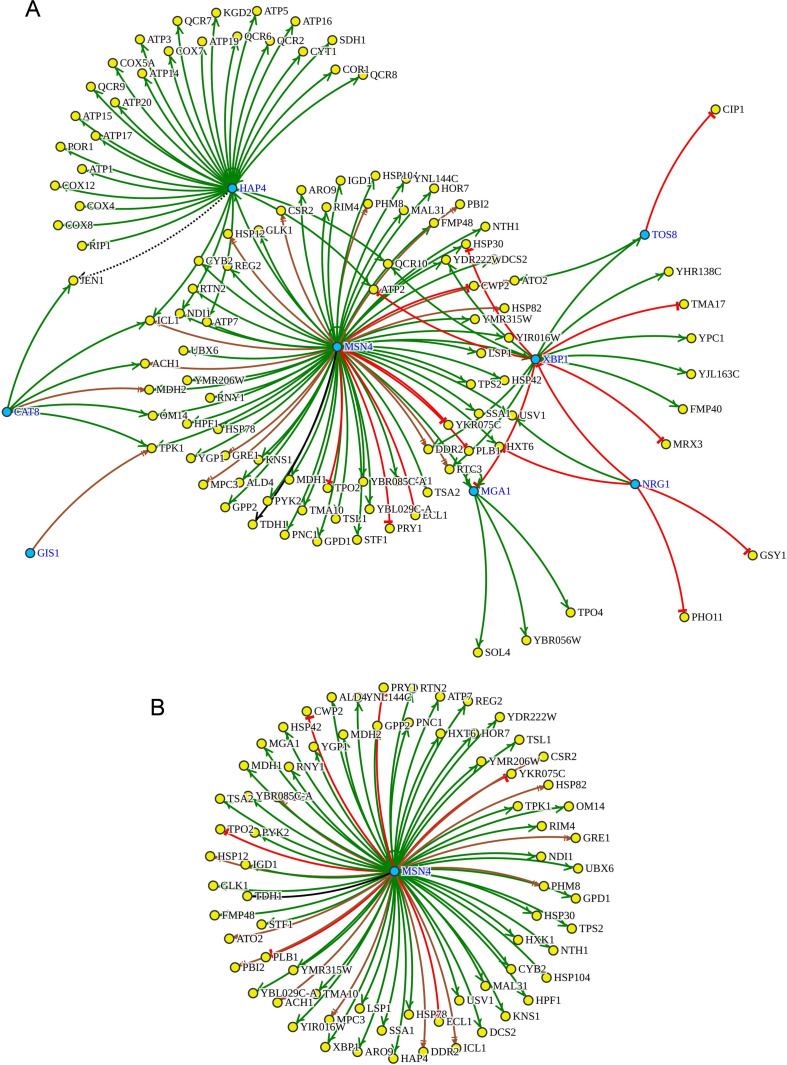
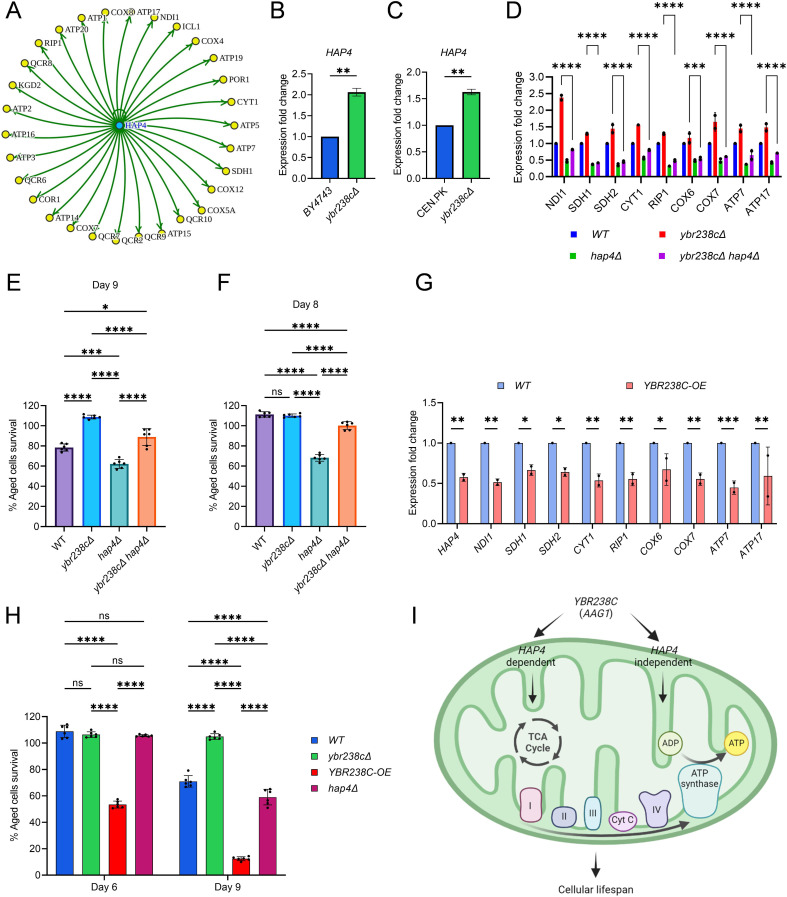
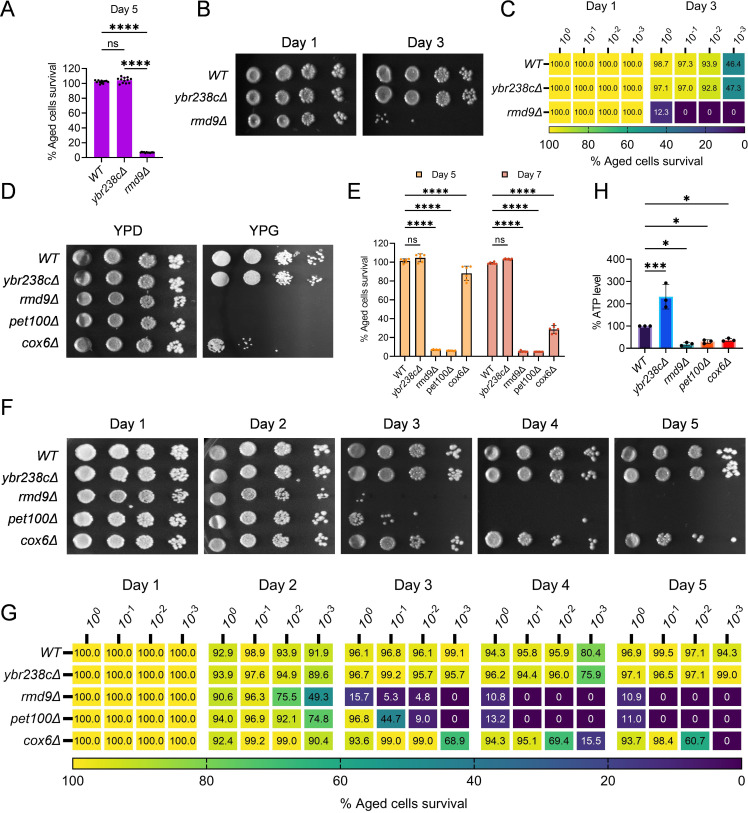
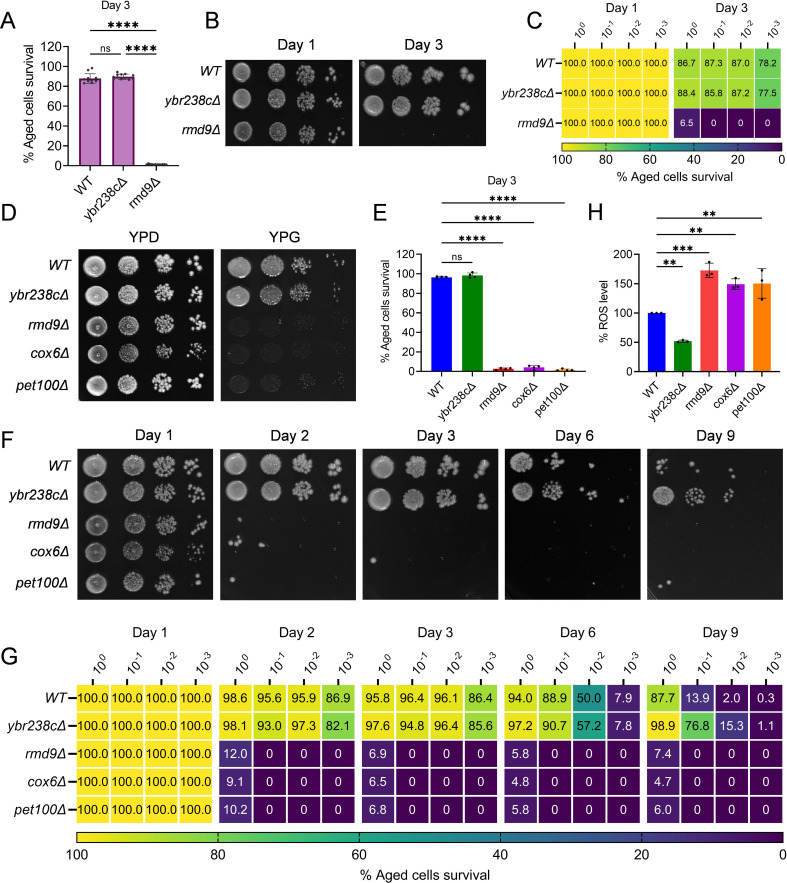
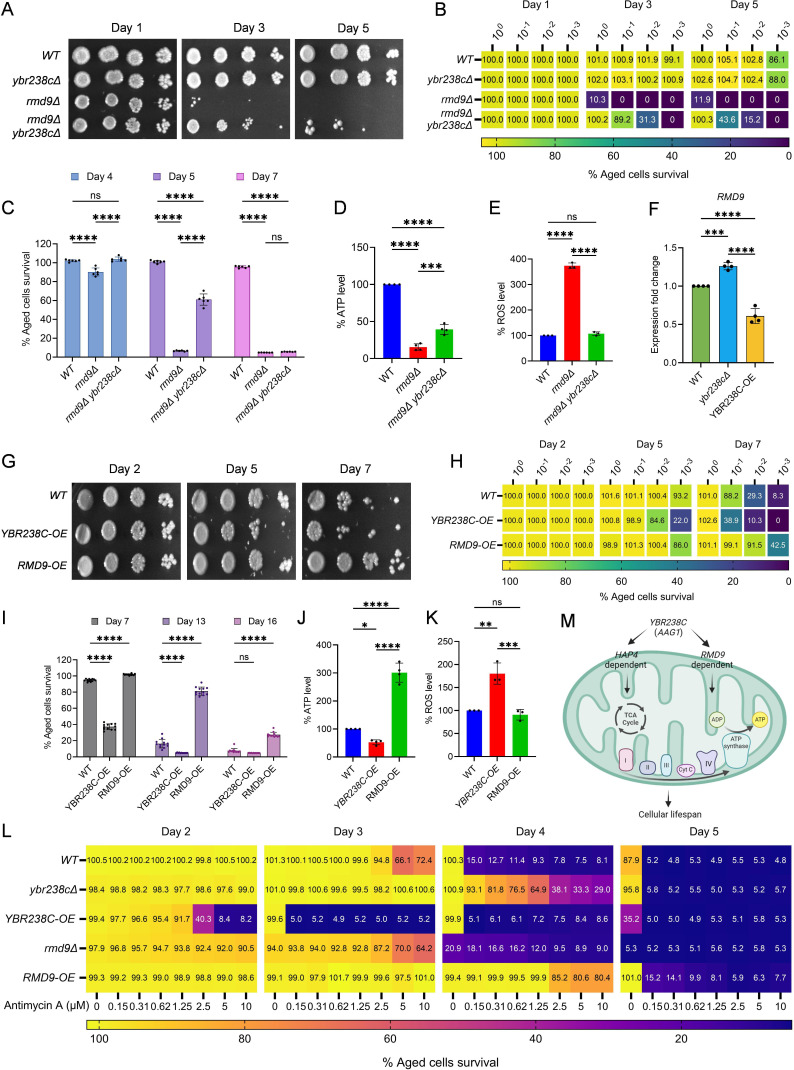
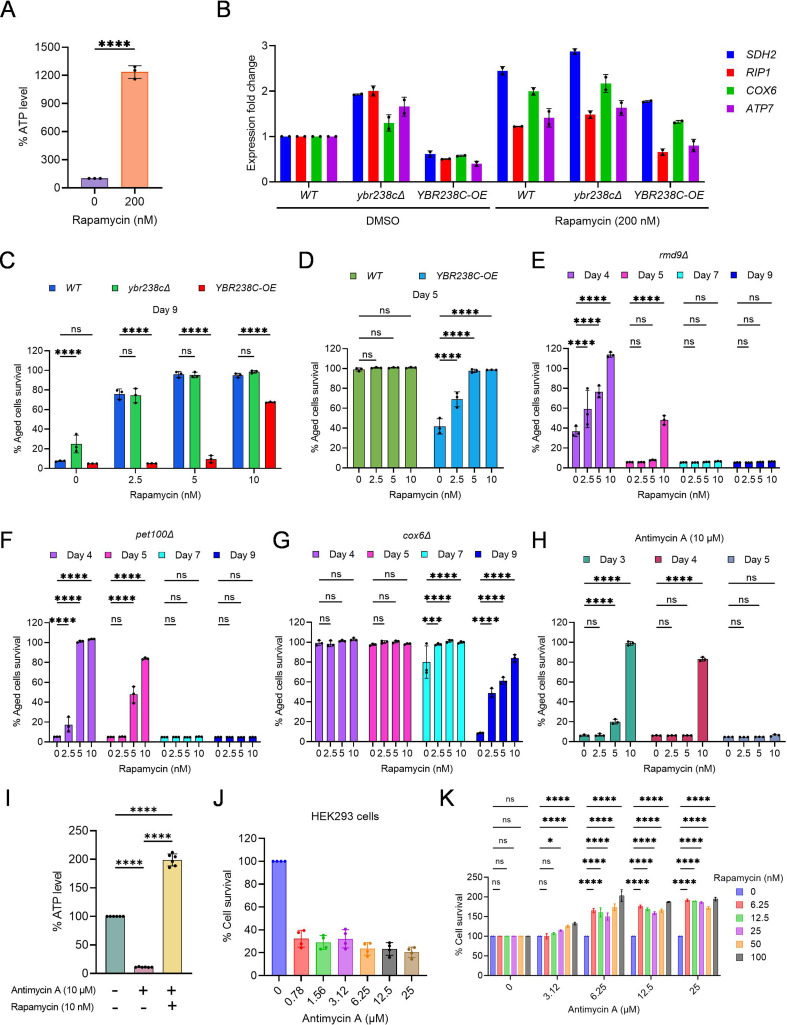
Uncovering the regulators of cellular aging will unravel the complexity of aging biology and identify potential therapeutic interventions to delay the onset and progress of chronic, aging-related diseases. In this work, we systematically compared genesets involved in regulating the lifespan of (a powerful model organism to study the cellular aging of humans) and those with expression changes under rapamycin treatment. Among the functionally uncharacterized genes in the overlap set, stood out as the only one downregulated by rapamycin and with an increased chronological and replicative lifespan upon deletion. We show that and its paralog oppositely affect mitochondria and aging. deletion increases the cellular lifespan by enhancing mitochondrial function. Its overexpression accelerates cellular aging via mitochondrial dysfunction. We find that the phenotypic effect of is largely explained by - and -dependent mechanisms. Furthermore, we find that genetic- or chemical-based induction of mitochondrial dysfunction increases TORC1 (Target of Rapamycin Complex 1) activity that, subsequently, accelerates cellular aging. Notably, TORC1 inhibition by rapamycin (or deletion of ) improves the shortened lifespan under these mitochondrial dysfunction conditions in yeast and human cells. The growth of mutant cells (a proxy of TORC1 activity) with enhanced mitochondrial function is sensitive to rapamycin whereas the growth of defective mitochondrial mutants is largely resistant to rapamycin compared to wild type. Our findings demonstrate a feedback loop between TORC1 and mitochondria (the RC1-tochondria-RC1 (TOMITO) signaling process) that regulates cellular aging processes. Hereby, is an effector of TORC1 modulating mitochondrial function.
揭示细胞衰老的调控因子将揭示衰老生物学的复杂性,并确定潜在的治疗干预措施,以延缓慢性、与衰老相关疾病的发生和进展。在这项工作中,我们系统地比较了调控 (一种强大的模型生物,用于研究人类的细胞衰老)寿命的基因集和雷帕霉素处理下表达变化的基因集。在重叠集中,功能未被表征的基因中, 是唯一受雷帕霉素下调且缺失后表现出增龄和复制寿命延长的基因。我们表明 及其同源物 相反地影响线粒体和衰老。 缺失通过增强线粒体功能来增加细胞寿命。其过表达通过线粒体功能障碍加速细胞衰老。我们发现 的表型效应在很大程度上可以用 - 和 - 依赖性机制来解释。此外,我们发现基于遗传或化学的线粒体功能障碍诱导会增加 TORC1(雷帕霉素靶标复合物 1)的活性,随后加速细胞衰老。值得注意的是,雷帕霉素(或 缺失)抑制 TORC1 可改善酵母和人类细胞中这些线粒体功能障碍条件下缩短的寿命。具有增强线粒体功能的突变细胞(TORC1 活性的替代物)的生长对雷帕霉素敏感,而与野生型相比,线粒体缺陷突变体的生长对雷帕霉素的抗性很大。我们的研究结果表明 TORC1 和线粒体之间存在一个反馈回路(TOMITO 信号过程),调节细胞衰老过程。在这里, 是调节线粒体功能的 TORC1 效应物。