Law School, Shandong University, Weihai, China.
Glob Health Action. 2024 Dec 31;17(1):2345968. doi: 10.1080/16549716.2024.2345968. Epub 2024 May 8.
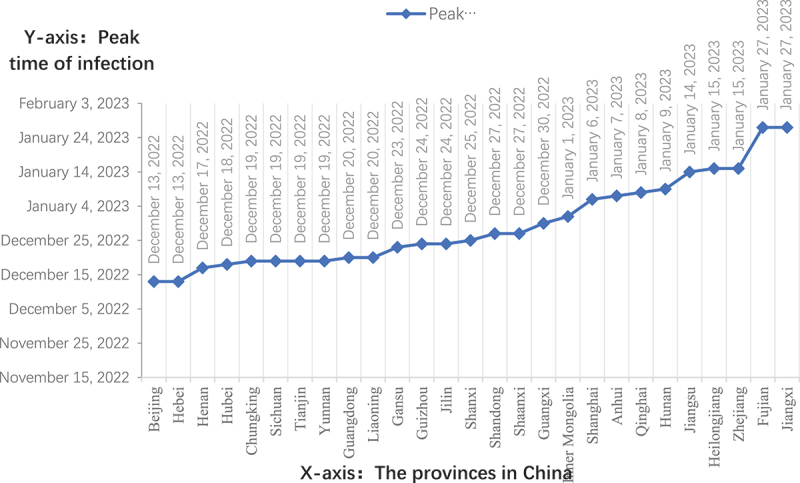
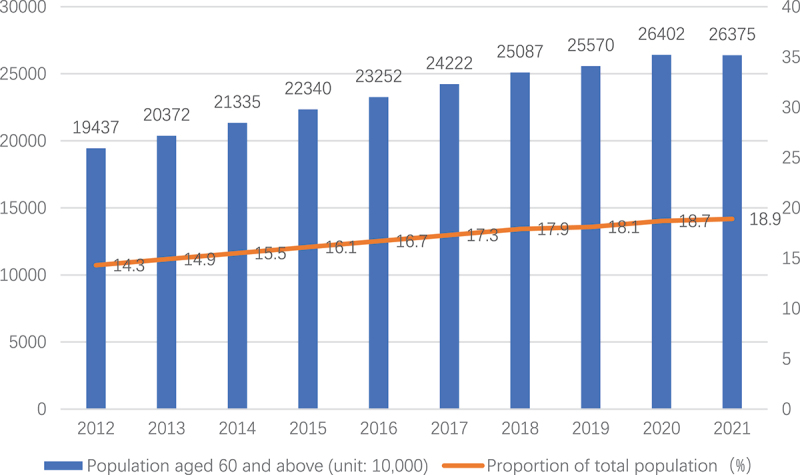
On 7 December 2022, the State Council of China released 'Measures to Further Optimize the Implementation of the Prevention and Control of the New Coronavirus Epidemic'. The previous three-year dynamic zero epidemic prevention policy was then replaced with a full liberalization policy. On 5 May 2023, the World Health Organization declared that COVID-19 no longer constituted a 'public health emergency of international concern.' However, given the ongoing prevalence of coronavirus, emerging mutations, and the liberalization of restrictions, there are increased risks of vulnerable people contracting new variants. Low vaccination coverage among older people with compromised immune systems, puts them at further risk. The policy shift will increase pressure on already stretched health infrastructure and medical resources. This short article adds to the current debate arguing that the Chinese government should take commensurate preventive measures, including strengthening medical facilities and equipment and targeting ongoing vaccination in older people.
2022 年 12 月 7 日,中国国务院发布《进一步优化落实新冠肺炎疫情防控措施的通知》。此前三年的动态清零防疫政策随后被全面放开政策所取代。2023 年 5 月 5 日,世界卫生组织宣布 COVID-19 不再构成“国际关注的突发公共卫生事件”。然而,考虑到冠状病毒的持续流行、新的突变以及限制的放宽,弱势群体感染新变种的风险增加。免疫系统受损的老年人疫苗接种率低,使他们面临更大的风险。政策的转变将给本已紧张的卫生基础设施和医疗资源带来更大的压力。这篇短文增加了当前的争论,即中国政府应该采取相应的预防措施,包括加强医疗设施和设备,并针对老年人进行持续的疫苗接种。