Zhou Chao, Zhang Aowei
School of Physical Education, South China University of Technology, Guangzhou, China.
Physical Education department, Shenzhen Xingzhi vocational college, Shenzhen, China.
BMC Public Health. 2024 Dec 30;24(1):3615. doi: 10.1186/s12889-024-20751-y.
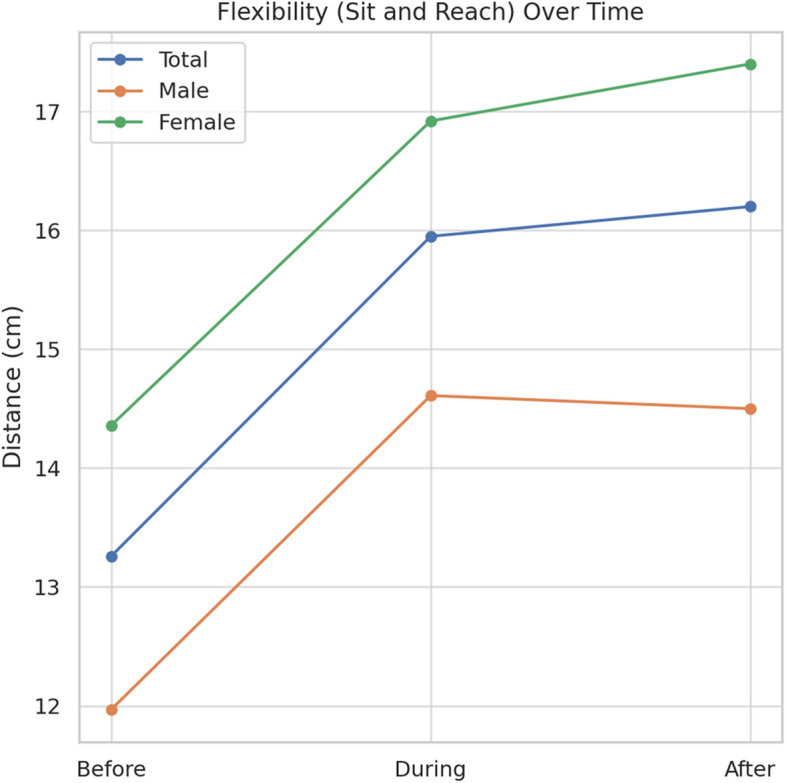
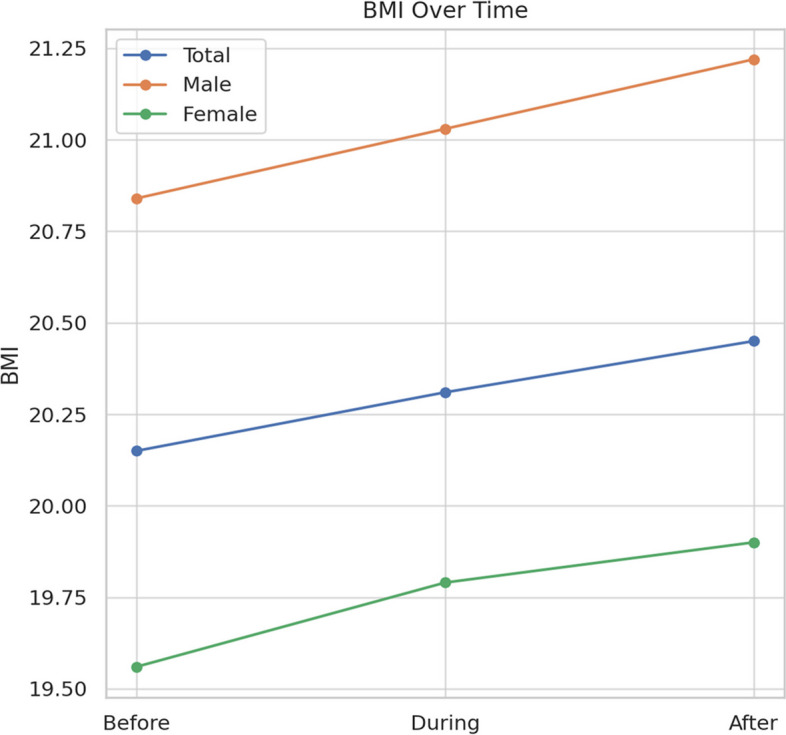
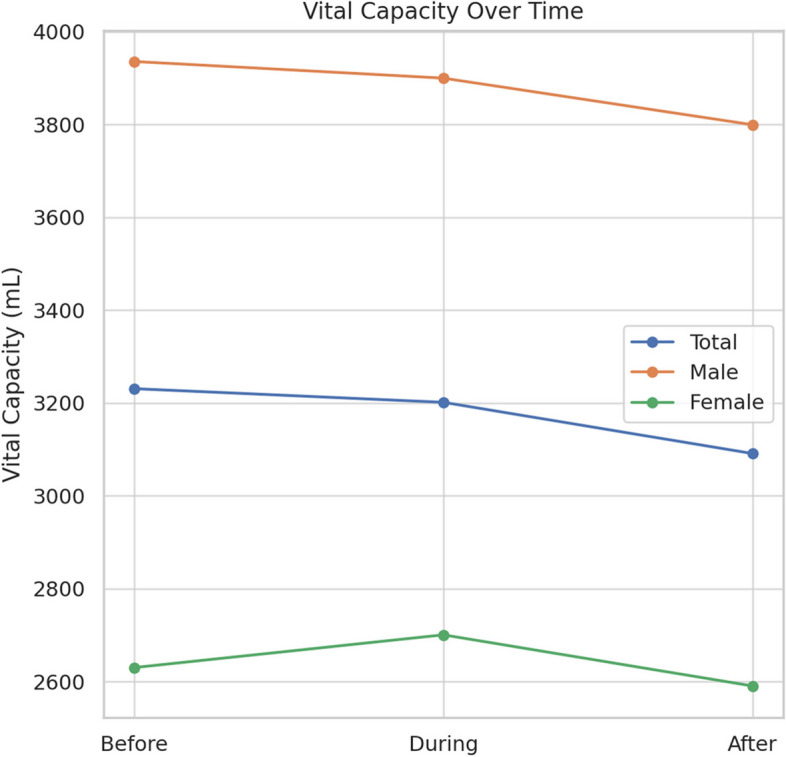
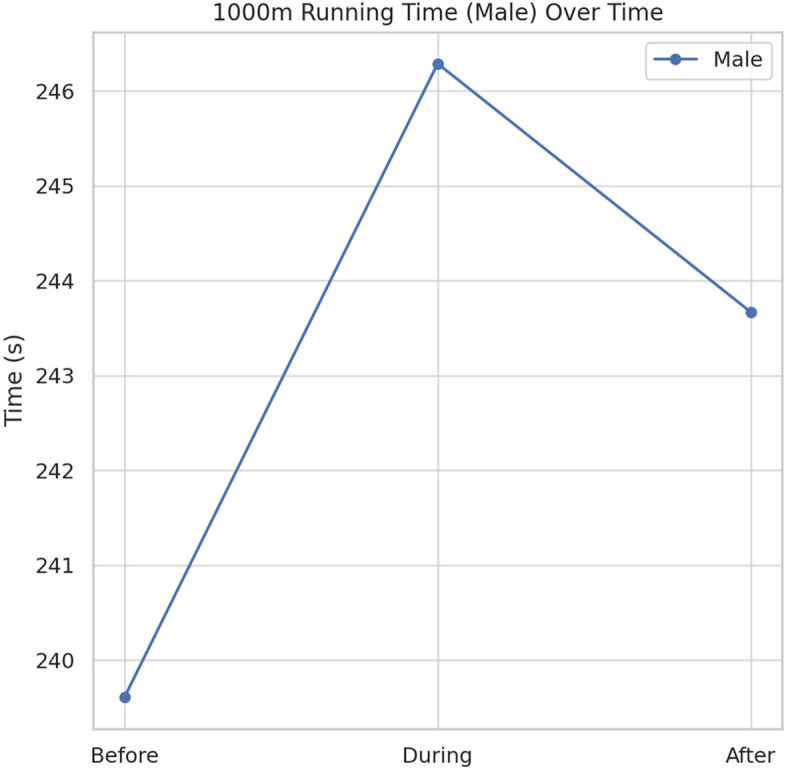
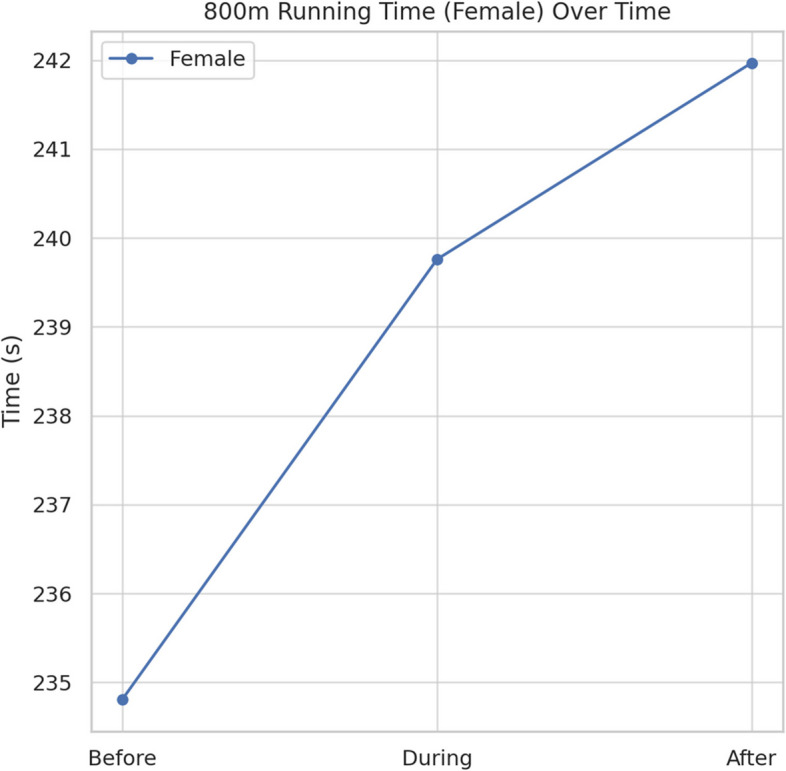
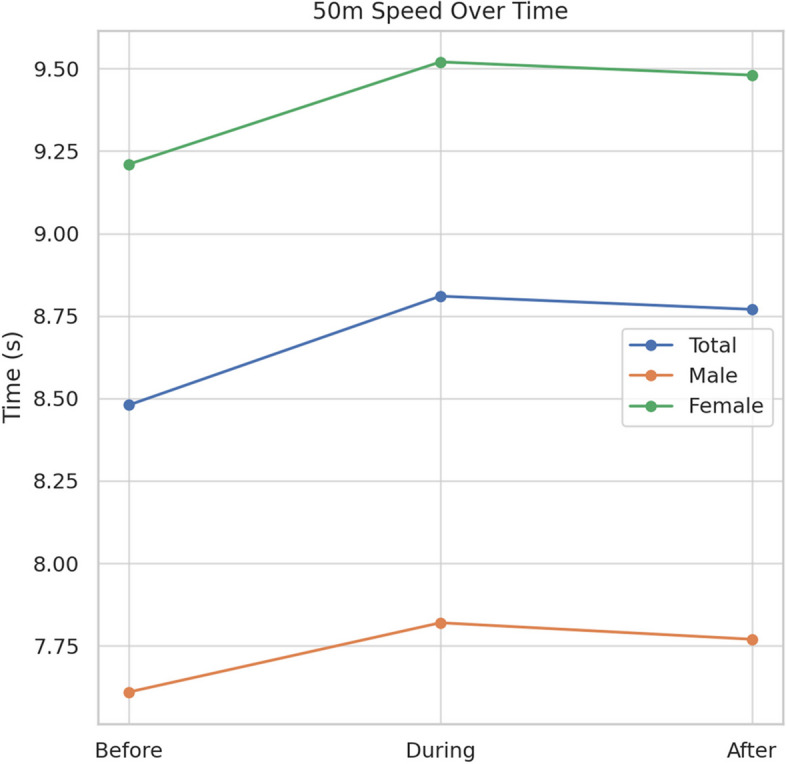
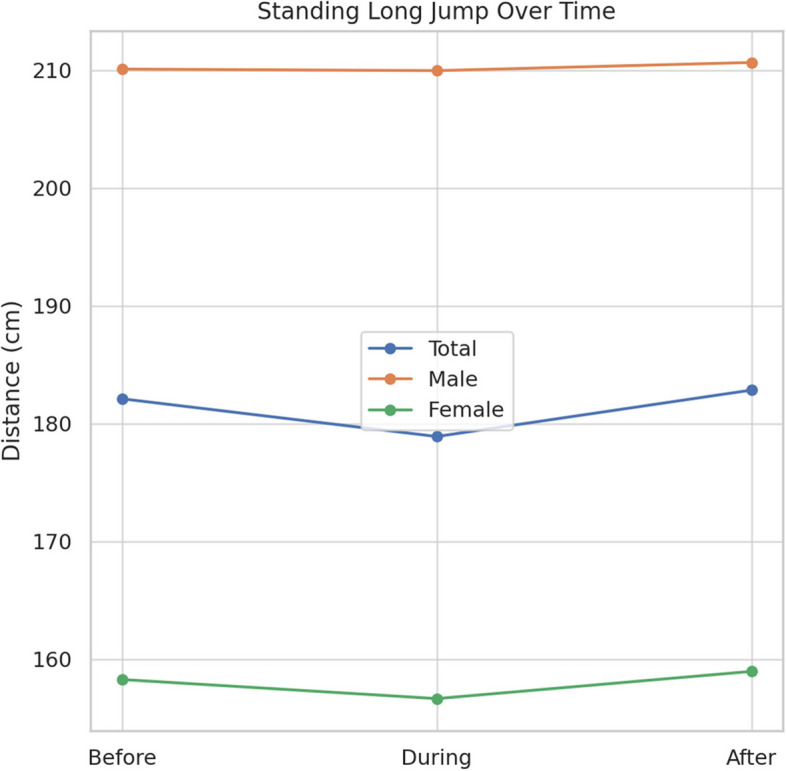
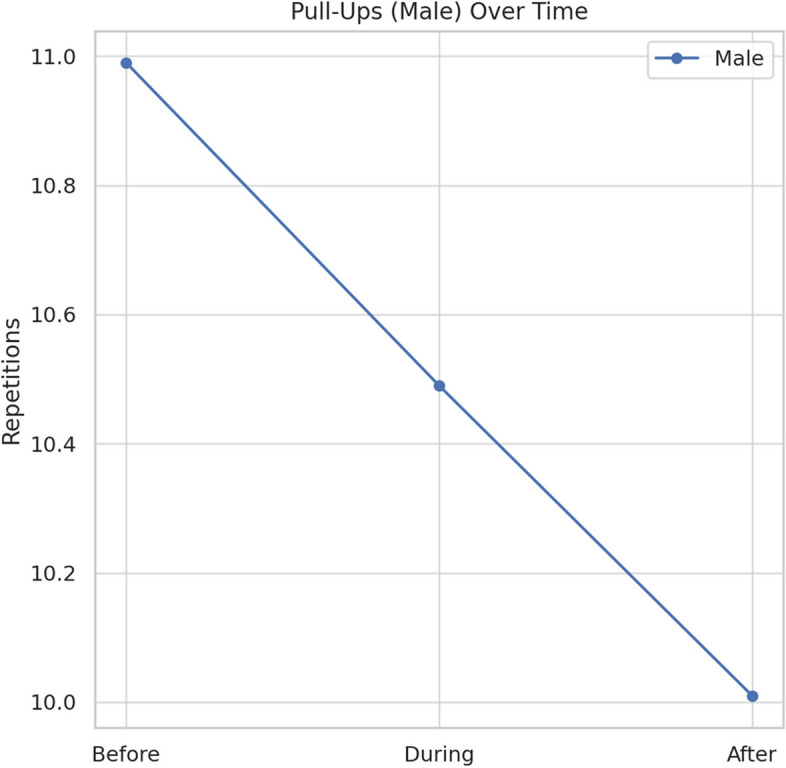
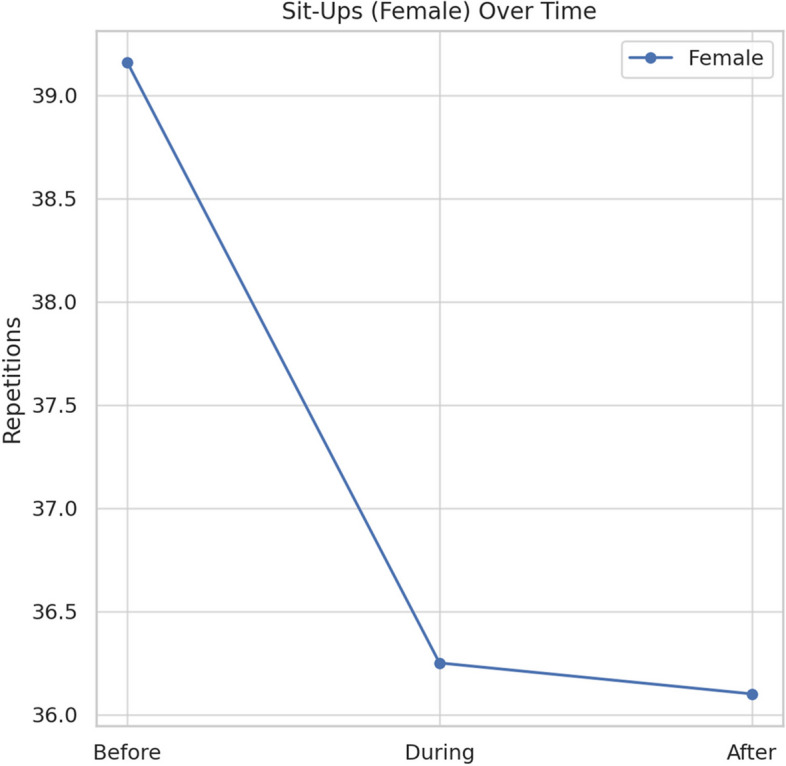
Since the World Health Organization declared COVID-19 no longer a public health emergency in 2023, over a year has passed. However, there has been insufficient research into whether the physical health of adolescents has recovered post-Pandemic. The COVID-19 Pandemic profoundly impacted the lives and health of adolescents globally, with prolonged lockdowns and social isolation measures potentially causing adverse effects on their physical health. This study aims to systematically evaluate the long-term impact of the Pandemic on the physical health of adolescents in a city in southern China. By analyzing data from over 48,000 tests, changes in various physical performance metrics, including Body Mass Index (BMI), Lung Capacity, endurance, speed, flexibility, and strength, were examined before, during, and after the Pandemic.The findings indicate that during and after the Pandemic, adolescents experienced an increase in BMI, while Lung Capacity and endurance significantly declined. Specifically, the average BMI for both Males and FeMales peaked after the Pandemic. Male Lung Capacity continuously decreased during and after the Pandemic, while FeMales saw a slight increase during the Pandemic but a significant drop afterward. In terms of endurance, male 1000-meter running times increased during the Pandemic and slightly improved afterward; however, female 800-meter running times increased during and after the Pandemic. Speed performance in the 50-meter sprint was best pre-Pandemic, worst during the Pandemic, and showed recovery post-Pandemic. Strength indicators, such as standing long jump, pull-ups (Males), and sit-ups (FeMales), displayed varying degrees of change, reflecting a decline in physical strength during the Pandemic. Additionally, flexibility improved throughout the period, peaking post-Pandemic.The study reveals the complex and multifaceted effects of Pandemic control measures on adolescent physical health. These findings are crucial for informing future public health policies and interventions aimed at supporting adolescent health during crises. The novelty of this research lies in its comprehensive and quantitative analysis of the Pandemic's impact on various physical health metrics, providing valuable insights for subsequent studies and policy formulation.
自世界卫生组织在2023年宣布新冠不再构成突发公共卫生事件以来,一年多的时间已经过去。然而,对于青少年的身体健康在疫情后是否已经恢复,目前的研究还不够充分。新冠疫情对全球青少年的生活和健康产生了深远影响,长期的封锁和社交隔离措施可能对他们的身体健康造成了不利影响。本研究旨在系统评估疫情对中国南方某城市青少年身体健康的长期影响。通过分析超过48000次测试的数据,研究了疫情前、疫情期间和疫情后包括体重指数(BMI)、肺活量、耐力、速度、柔韧性和力量在内的各项身体表现指标的变化。研究结果表明,在疫情期间及之后,青少年的BMI有所上升,而肺活量和耐力则显著下降。具体而言,男性和女性的平均BMI在疫情后达到峰值。男性肺活量在疫情期间及之后持续下降,而女性在疫情期间略有上升,但之后大幅下降。在耐力方面,男性1000米跑步时间在疫情期间增加,之后略有改善;然而,女性800米跑步时间在疫情期间及之后都有所增加。50米短跑的速度表现疫情前最佳,疫情期间最差,疫情后有所恢复。立定跳远、引体向上(男性)和仰卧起坐(女性)等力量指标呈现出不同程度的变化,反映出疫情期间身体力量的下降。此外,柔韧性在整个期间都有所改善,在疫情后达到峰值。该研究揭示了疫情防控措施对青少年身体健康的复杂多面影响。这些发现对于为未来旨在支持危机期间青少年健康的公共卫生政策和干预措施提供信息至关重要。本研究的新颖之处在于对疫情对各种身体健康指标的影响进行了全面定量分析,为后续研究和政策制定提供了有价值的见解。