esqLABS GmbH, Saterland, Germany.
Institute for Systems Medicine with Focus on Organ Interaction, University Hospital RWTH Aachen, Aachen, Germany.
Arch Toxicol. 2024 Aug;98(8):2659-2676. doi: 10.1007/s00204-024-03764-9. Epub 2024 May 9.
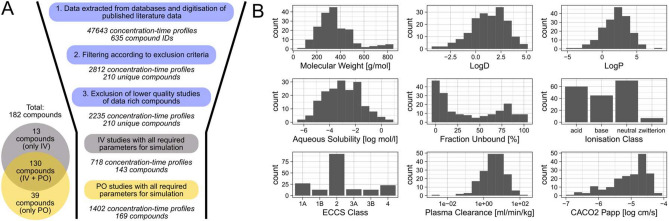
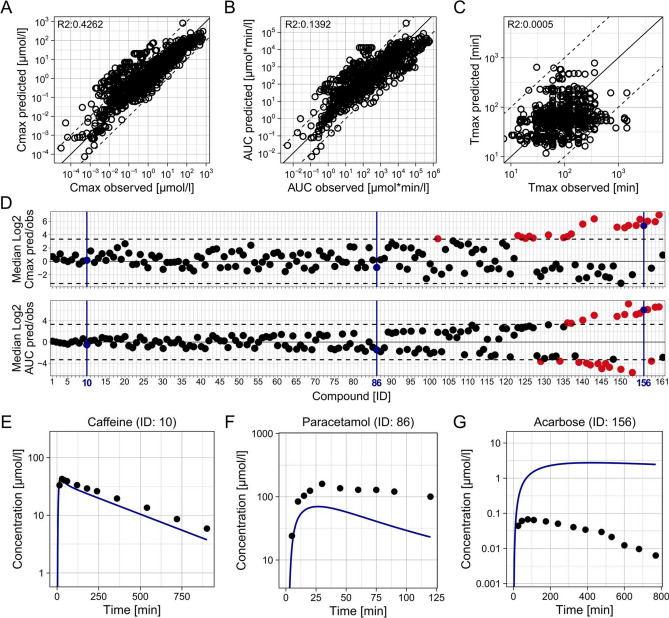
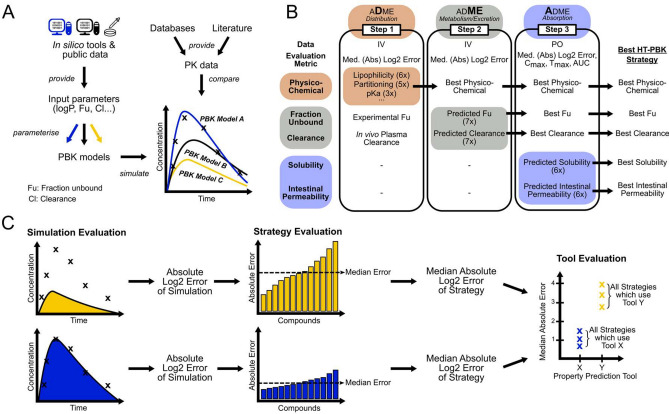
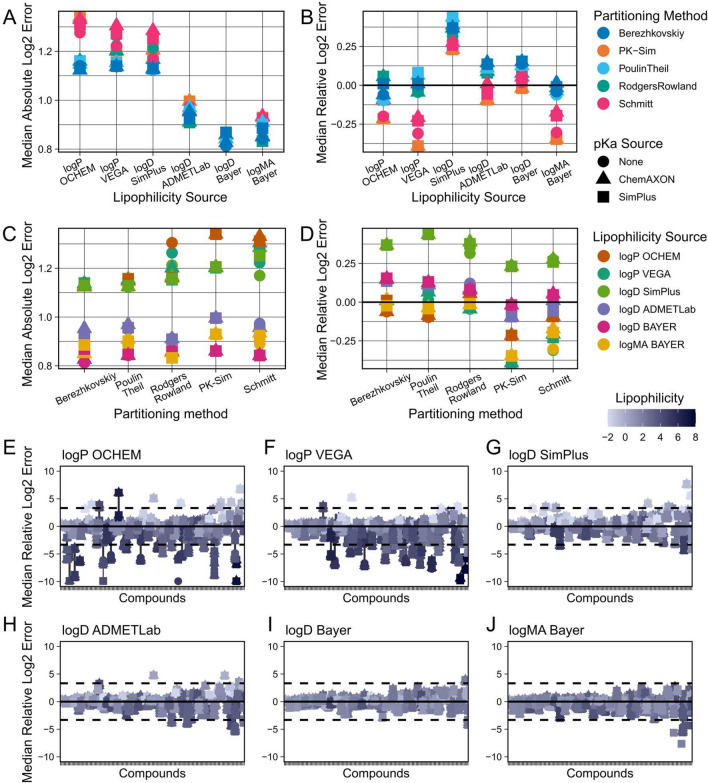
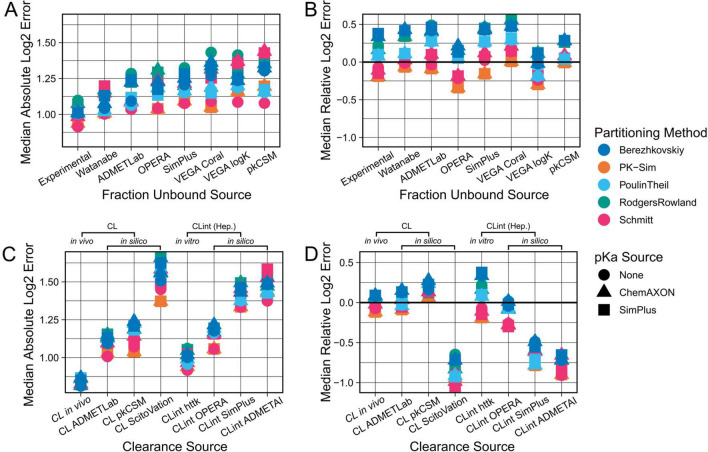
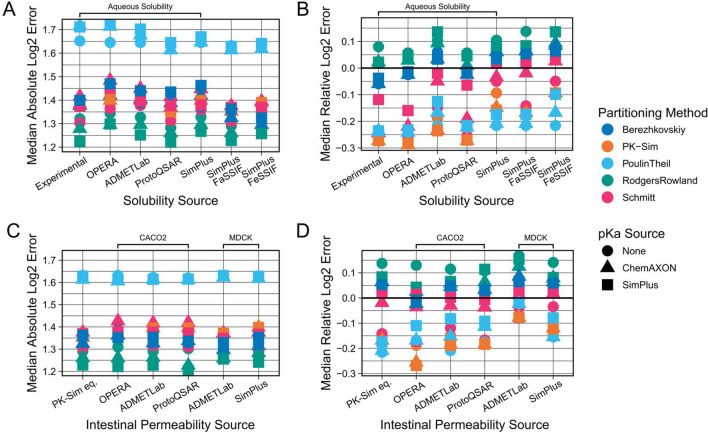
Physiologically based kinetic (PBK) modelling offers a mechanistic basis for predicting the pharmaco-/toxicokinetics of compounds and thereby provides critical information for integrating toxicity and exposure data to replace animal testing with in vitro or in silico methods. However, traditional PBK modelling depends on animal and human data, which limits its usefulness for non-animal methods. To address this limitation, high-throughput PBK modelling aims to rely exclusively on in vitro and in silico data for model generation. Here, we evaluate a variety of in silico tools and different strategies to parameterise PBK models with input values from various sources in a high-throughput manner. We gather 2000 + publicly available human in vivo concentration-time profiles of 200 + compounds (IV and oral administration), as well as in silico, in vitro and in vivo determined compound-specific parameters required for the PBK modelling of these compounds. Then, we systematically evaluate all possible PBK model parametrisation strategies in PK-Sim and quantify their prediction accuracy against the collected in vivo concentration-time profiles. Our results show that even simple, generic high-throughput PBK modelling can provide accurate predictions of the pharmacokinetics of most compounds (87% of Cmax and 84% of AUC within tenfold). Nevertheless, we also observe major differences in prediction accuracies between the different parameterisation strategies, as well as between different compounds. Finally, we outline a strategy for high-throughput PBK modelling that relies exclusively on freely available tools. Our findings contribute to a more robust understanding of the reliability of high-throughput PBK modelling, which is essential to establish the confidence necessary for its utilisation in Next-Generation Risk Assessment.
基于生理学的药代动力学(PBK)模型为预测化合物的药物代谢动力学/毒代动力学提供了一种机制基础,从而为整合毒性和暴露数据提供了关键信息,以替代动物测试,采用体外或计算方法。然而,传统的 PBK 模型依赖于动物和人体数据,这限制了其在非动物方法中的应用。为了解决这一限制,高通量 PBK 模型旨在仅依赖于体外和计算数据来生成模型。在这里,我们评估了各种计算工具和不同策略,以高通量的方式使用来自各种来源的输入值对 PBK 模型进行参数化。我们收集了 2000 多个+公开的 200 多种化合物的人体体内浓度-时间曲线(IV 和口服给药),以及用于这些化合物 PBK 建模的计算、体外和体内确定的化合物特异性参数。然后,我们在 PK-Sim 中系统地评估了所有可能的 PBK 模型参数化策略,并根据收集的体内浓度-时间曲线定量评估它们的预测准确性。我们的结果表明,即使是简单的、通用的高通量 PBK 模型也可以对大多数化合物的药代动力学进行准确预测(Cmax 的 87%和 AUC 的 84%在十倍以内)。然而,我们也观察到不同参数化策略之间以及不同化合物之间的预测准确性存在显著差异。最后,我们概述了一种仅依赖于免费可用工具的高通量 PBK 模型化策略。我们的研究结果有助于更深入地了解高通量 PBK 模型的可靠性,这对于在下一代风险评估中建立必要的信心以利用其具有重要意义。