Guangxi Key Laboratory of Green Processing of Sugar Resources, Guangxi University of Science and Technology, Liuzhou, 545006, China.
Guangxi Microorganism and Enzyme Research Center of Engineering Technology, College of Life Science and Technology, Guangxi University, Nanning, 530004, Guangxi, China.
Microb Cell Fact. 2024 May 9;23(1):123. doi: 10.1186/s12934-024-02401-5.
Saccharomyces cerevisiae is an important microorganism in ethanol synthesis, and with sugarcane molasses as the feedstock, ethanol is being synthesized sustainably to meet growing demands. However, high-concentration ethanol fermentation based on high-concentration sugarcane molasses-which is needed for reduced energy consumption of ethanol distillation at industrial scale-is yet to be achieved.
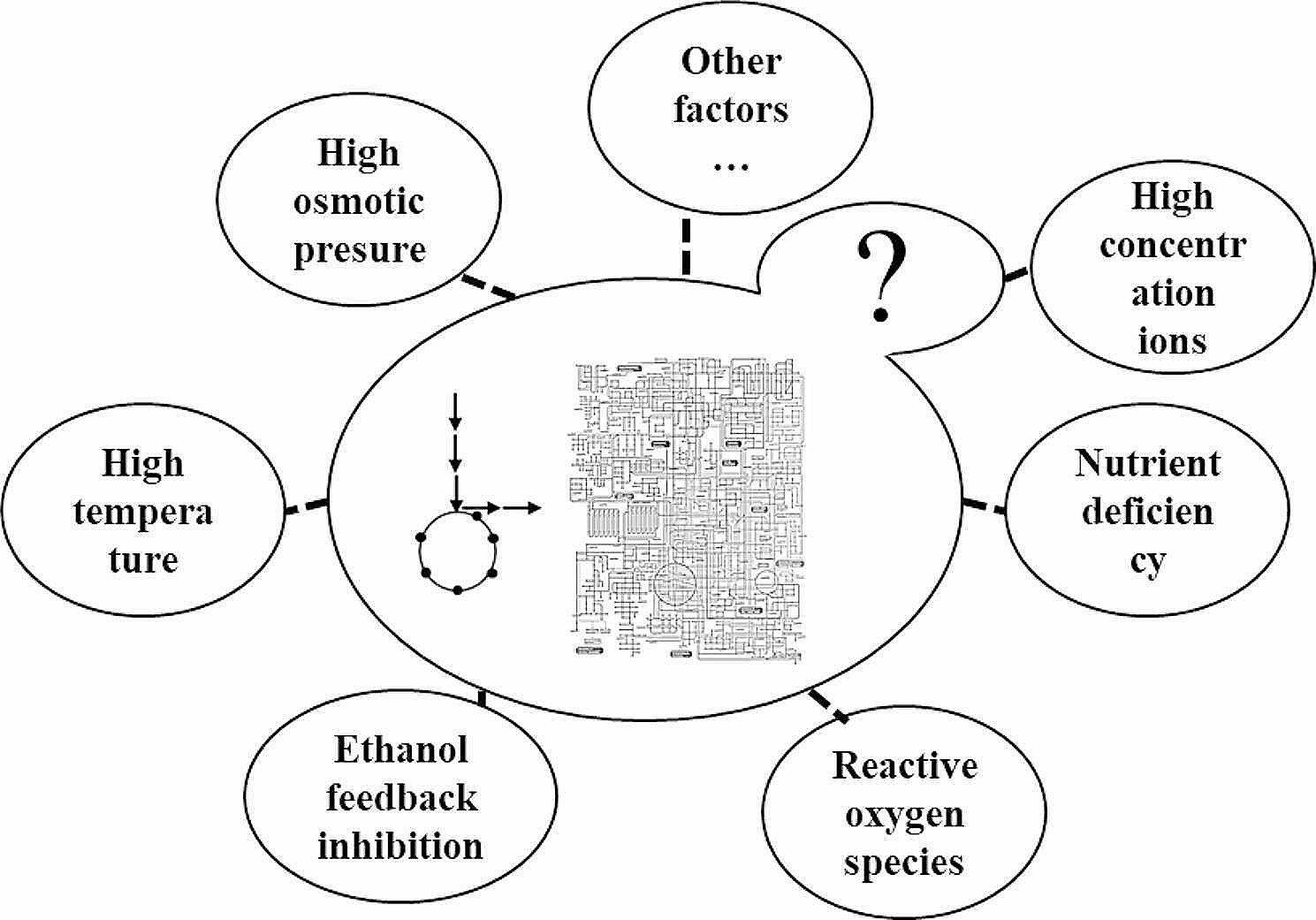
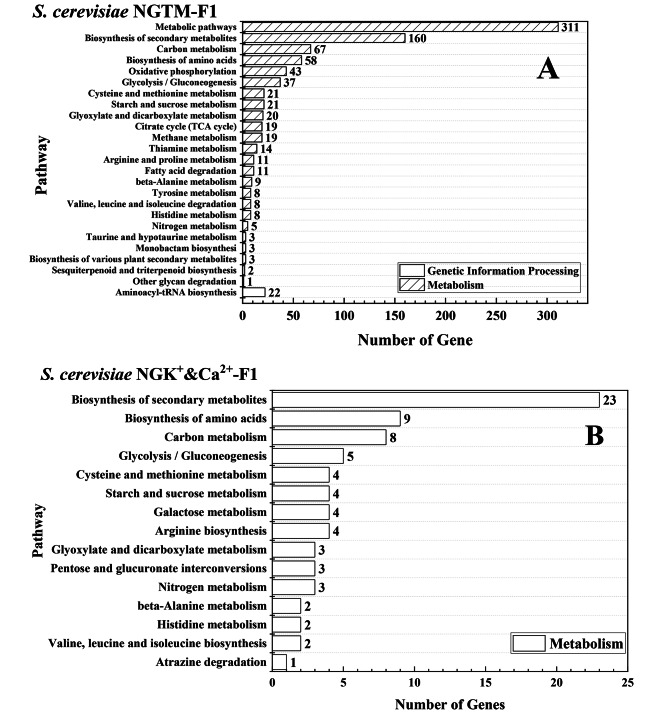
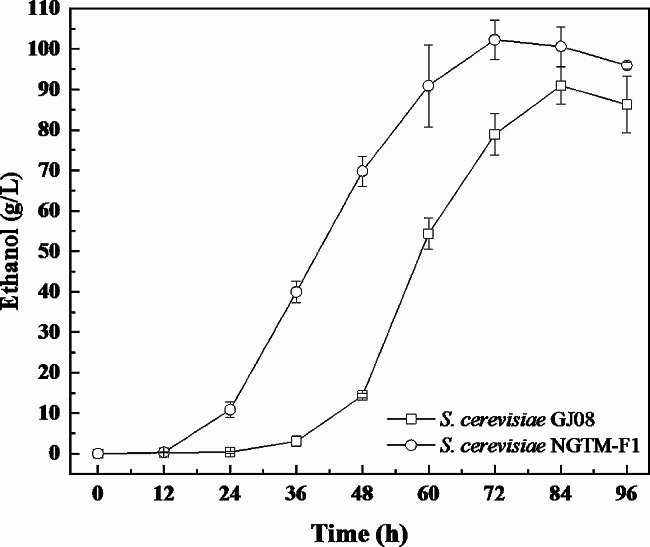
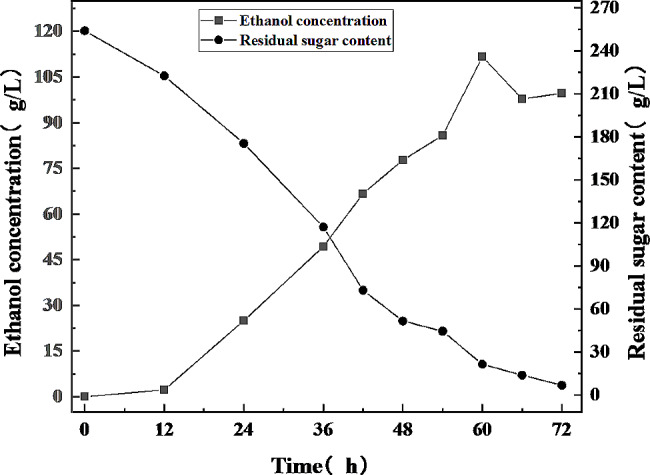
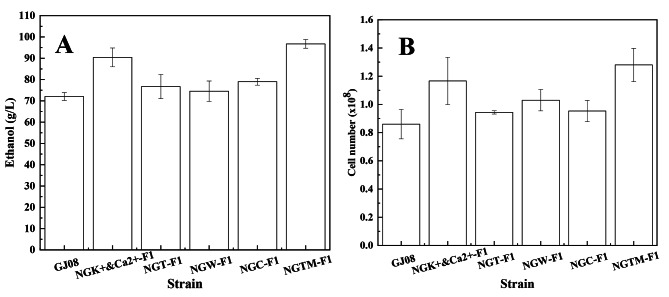
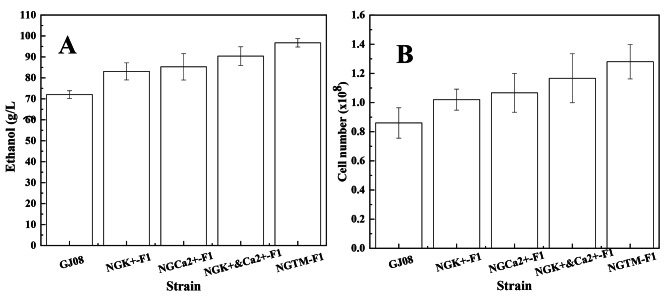
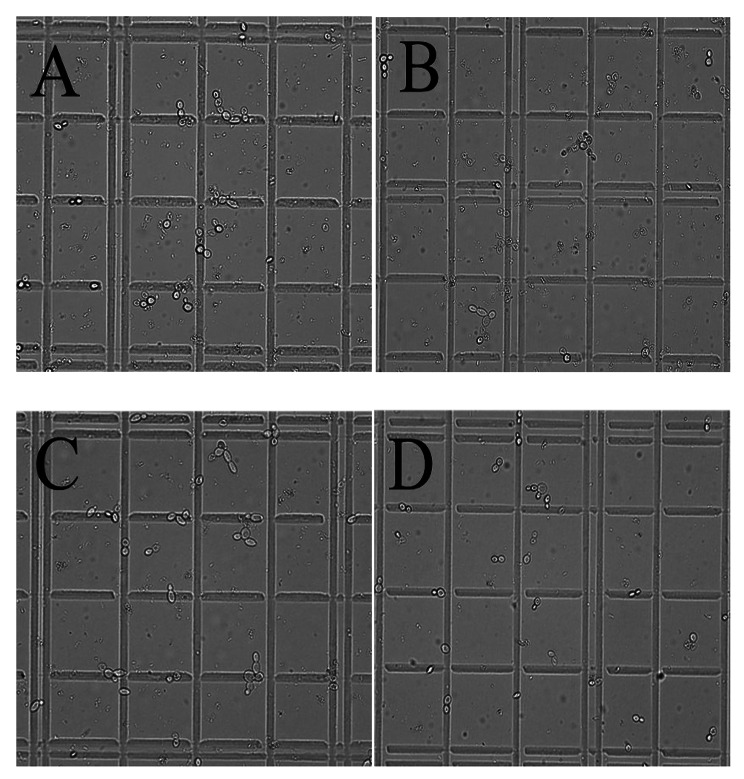
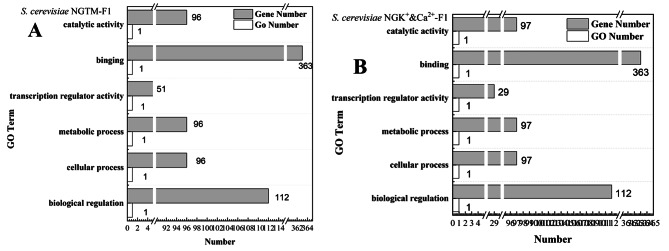
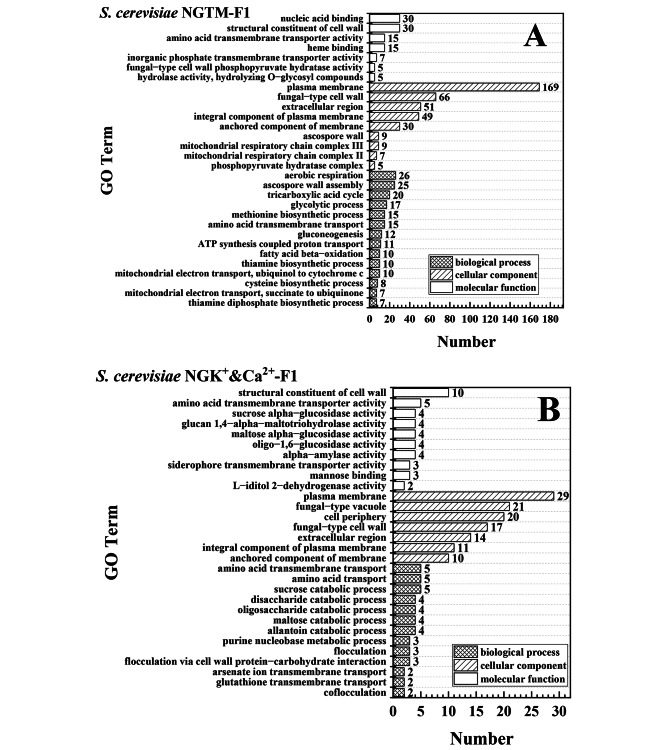
In the present study, to identify the main limiting factors of this process, adaptive laboratory evolution and high-throughput screening (Py-Fe) based on ARTP (atmospheric and room-temperature plasma) mutagenesis were applied. We identified high osmotic pressure, high temperature, high alcohol levels, and high concentrations of K, Ca, K and Ca (K&Ca), and sugarcane molasses as the main limiting factors. The robust S. cerevisiae strains of NGT-F1, NGW-F1, NGC-F1, NGK, NGCa NGK&Ca-F1, and NGTM-F1 exhibited high tolerance to the respective limiting factor and exhibited increased yield. Subsequently, ethanol synthesis, cell morphology, comparative genomics, and gene ontology (GO) enrichment analysis were performed in a molasses broth containing 250 g/L total fermentable sugars (TFS). Additionally, S. cerevisiae NGTM-F1 was used with 250 g/L (TFS) sugarcane molasses to synthesize ethanol in a 5-L fermenter, giving a yield of 111.65 g/L, the conversion of sugar to alcohol reached 95.53%. It is the highest level of physical mutagenesis yield at present.
Our results showed that K and Ca ions primarily limited the efficient production of ethanol. Then, subsequent comparative transcriptomic GO and pathway analyses showed that the co-presence of K and Ca exerted the most prominent limitation on efficient ethanol production. The results of this study might prove useful by promoting the development and utilization of green fuel bio-manufactured from molasses.
酿酒酵母是乙醇合成的重要微生物,以甘蔗蜜饯为原料,可持续合成乙醇,以满足不断增长的需求。然而,基于高浓度甘蔗蜜饯的高浓度乙醇发酵——这是在工业规模上降低乙醇蒸馏能耗所必需的——尚未实现。
在本研究中,为了确定该过程的主要限制因素,应用了基于 ARTP(大气压室温等离子体)诱变的适应性实验室进化和高通量筛选(Py-Fe)。我们确定了高渗透压、高温、高酒精水平以及高浓度的 K、Ca、K 和 Ca(K&Ca)和甘蔗蜜饯是主要限制因素。耐高渗透压、高温、高酒精水平和高浓度 K、Ca、K 和 Ca(K&Ca)的酿酒酵母菌株 NGT-F1、NGW-F1、NGC-F1、NGK、NGCa NGK&Ca-F1 和 NGTM-F1 表现出对各自限制因素的高耐受性,并表现出产量增加。随后,在含有 250 g/L 总可发酵糖(TFS)的蜜饯培养基中进行了乙醇合成、细胞形态、比较基因组学和基因本体(GO)富集分析。此外,使用酿酒酵母 NGTM-F1 和 250 g/L(TFS)甘蔗蜜饯在 5-L 发酵罐中合成乙醇,产量为 111.65 g/L,糖转化率达到 95.53%。这是目前物理诱变产量的最高水平。
我们的结果表明,K 和 Ca 离子主要限制了乙醇的高效生产。随后,随后的比较转录组学 GO 和途径分析表明,K 和 Ca 的共存对高效乙醇生产的限制最为显著。本研究的结果可能有助于促进绿色燃料的开发和利用,这些燃料是由蜜饯生物制造的。