Turi László, Baranyi Bence, Madarász Ádám
Institute of Chemistry, ELTE, Eötvös Loránd University, Pázmány Péter sétány 1/A, Budapest H-1117, Hungary.
Research Centre for Natural Sciences, Magyar Tudósok Körútja 2, H-1117 Budapest, Hungary.
J Chem Theory Comput. 2024 May 28;20(10):4265-4277. doi: 10.1021/acs.jctc.4c00106. Epub 2024 May 10.
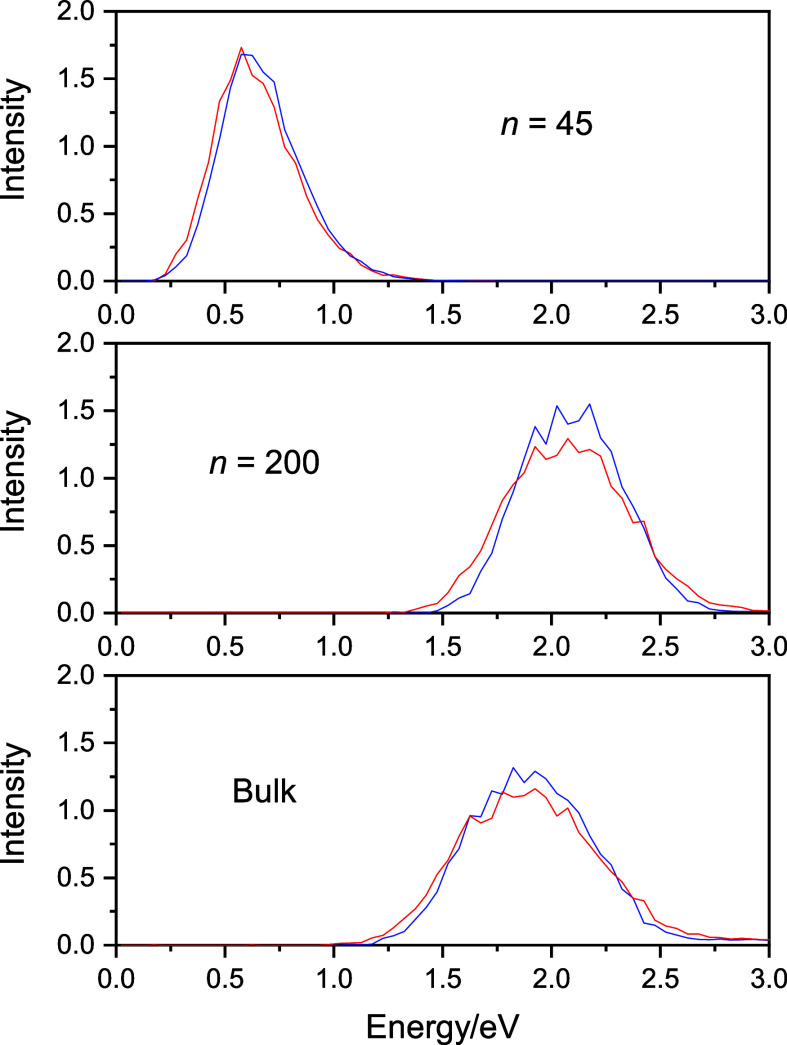
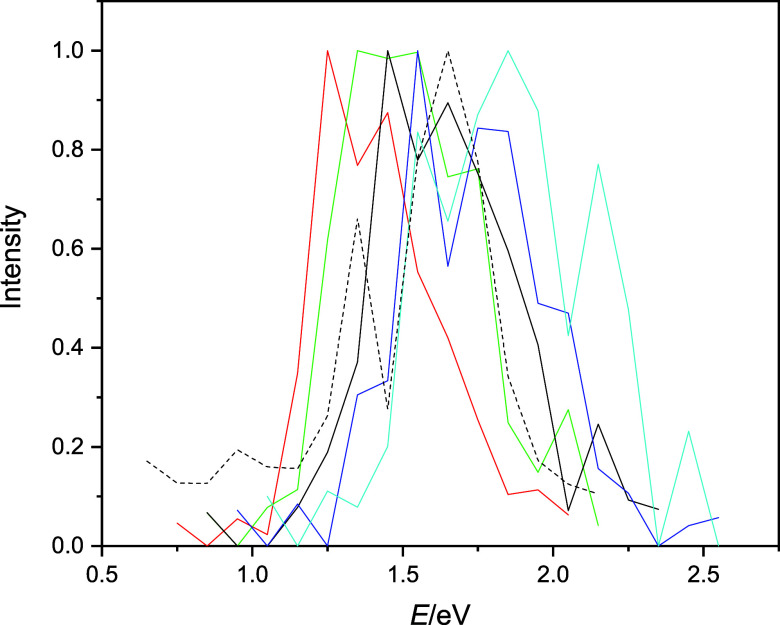
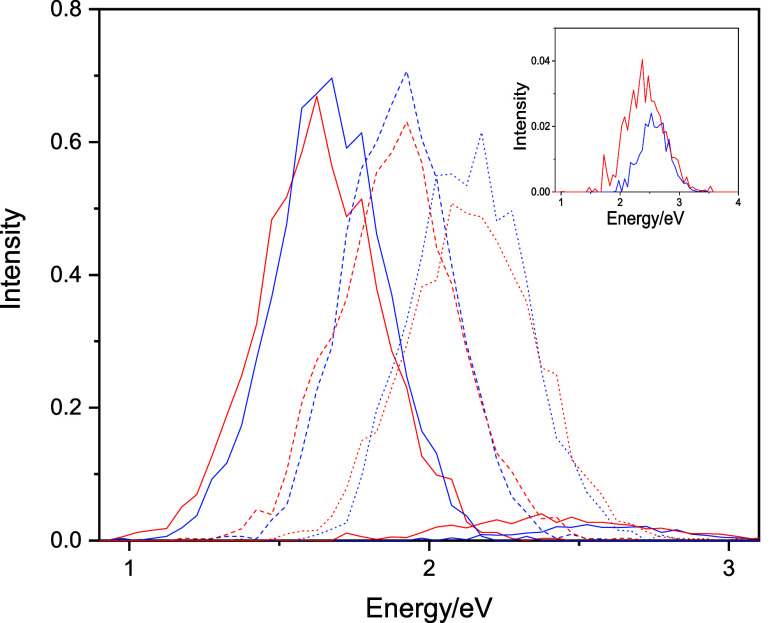
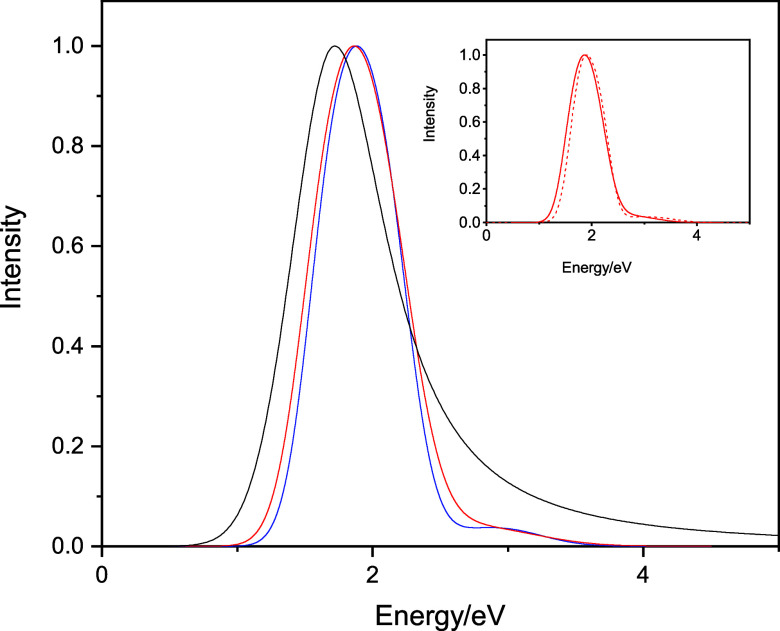
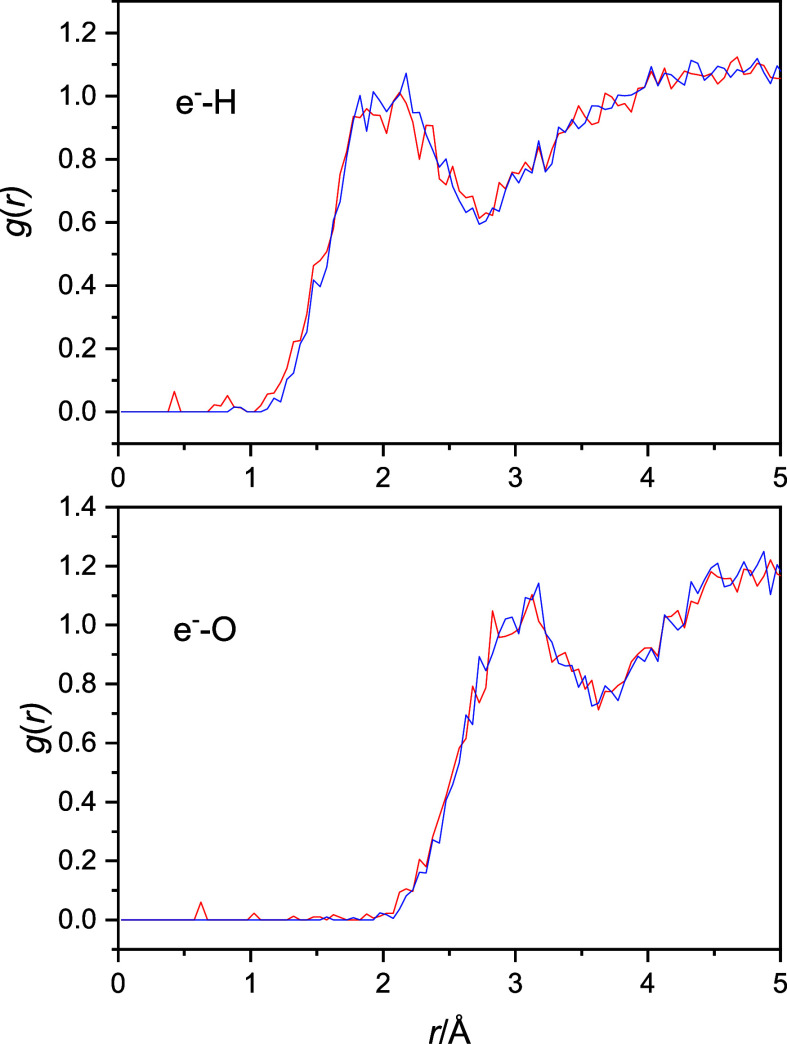
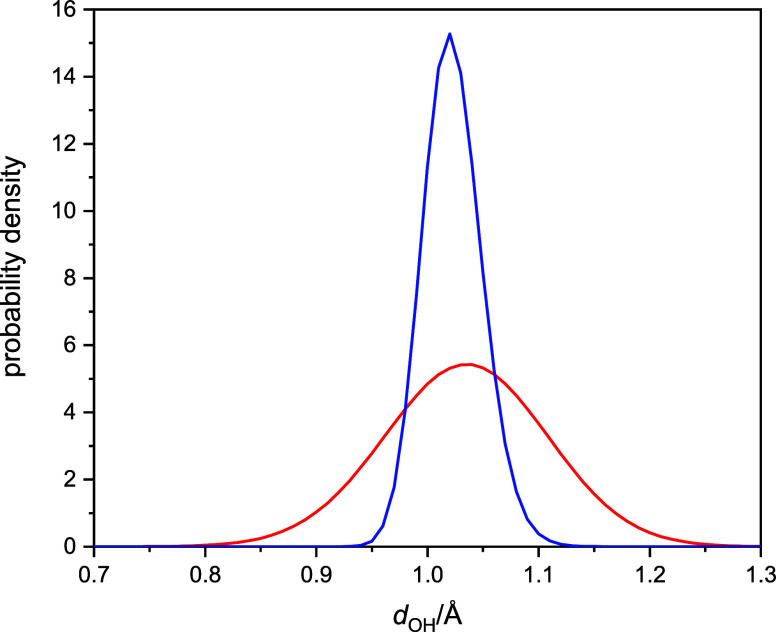
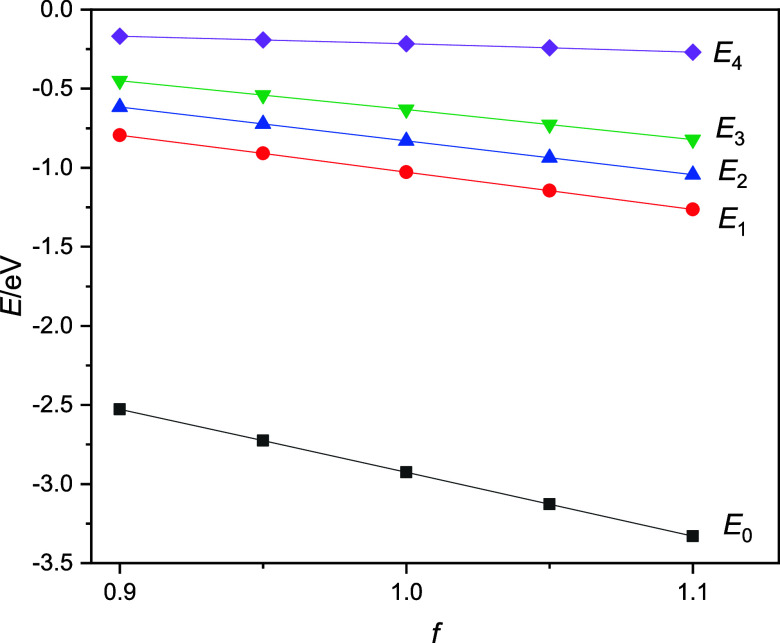
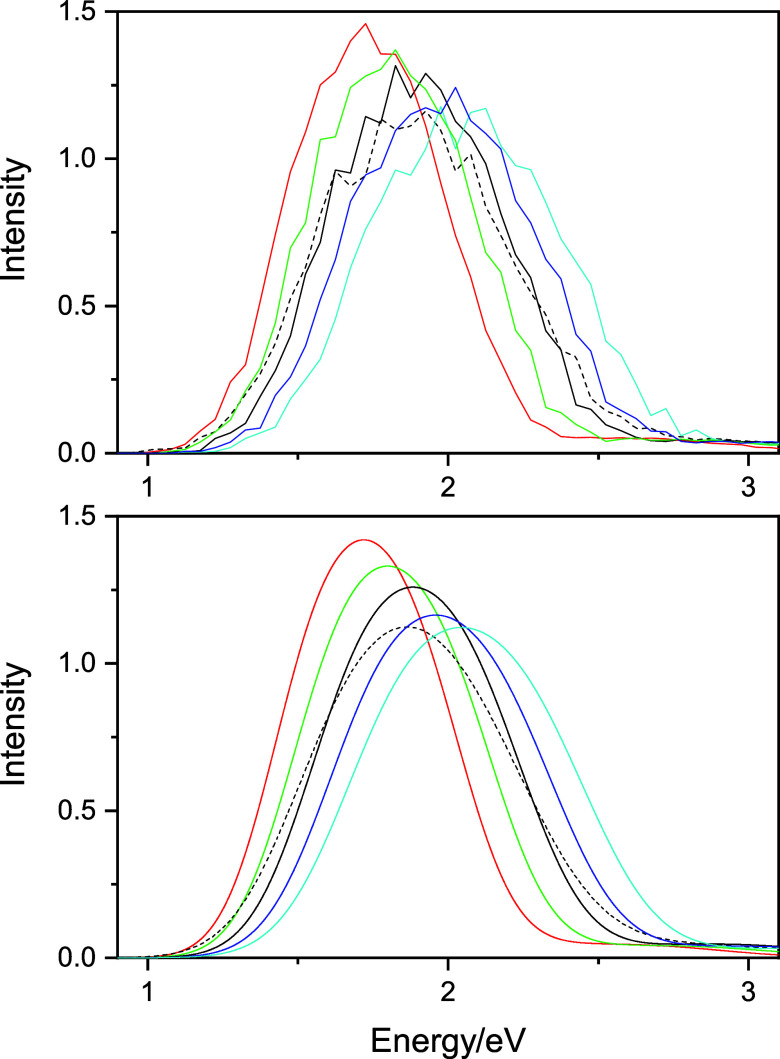
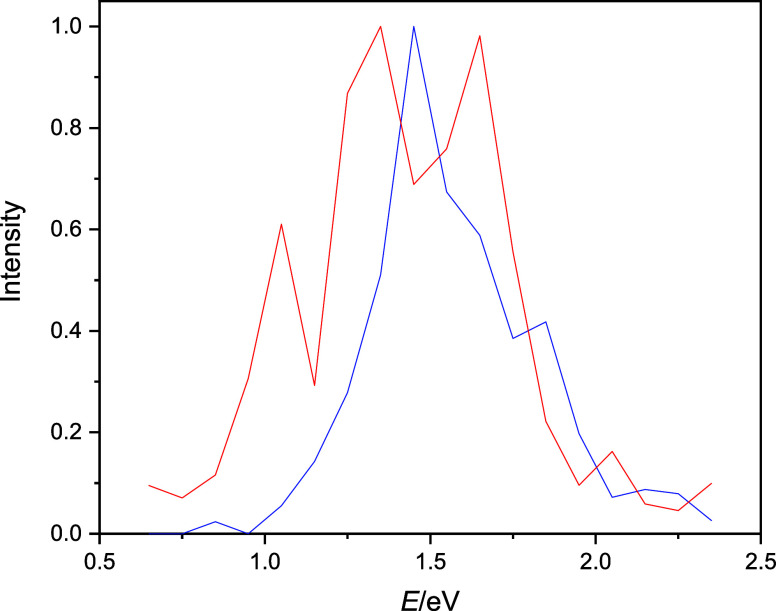
The investigation of vibrational effects on absorption spectrum calculations often employs Wigner sampling or thermal sampling. While Wigner sampling incorporates zero-point energy, it may not be suitable for flexible systems. Thermal sampling is applicable to anharmonic systems yet treats nuclei classically. The application of generalized smoothed trajectory analysis (GSTA) as a postprocessing method allows for the incorporation of nuclear quantum effects (NQEs), combining the advantages of both sampling methods. We demonstrate this approach in computing the absorption spectrum of a hydrated electron. Theoretical exploration of the hydrated electron and its embryonic forms, such as water cluster anions, poses a significant challenge due to the diffusivity of the excess electron and the continuous motion of water molecules. In many previous studies, the wave nature of atomic nuclei is often neglected, despite the substantial impact of NQEs on thermodynamic and spectroscopic properties, particularly for hydrogen atoms. In our studies, we examine these NQEs for the excess electrons in various water systems. We obtained structures from mixed classical-quantum simulations for water cluster anions and the hydrated electron by incorporating the quantum effects of atomic nuclei with the filtration of the classical trajectories. Absorption spectra were determined at different theoretical levels. Our results indicate significant NQEs, red shift, and broadening of the spectra for hydrated electron systems. This study demonstrates the applicability of GSTA to complex systems, providing insights into NQEs on energetic and structural properties.
对吸收光谱计算中振动效应的研究通常采用维格纳采样或热采样。虽然维格纳采样纳入了零点能量,但它可能不适用于柔性系统。热采样适用于非谐系统,但将原子核视为经典粒子。应用广义平滑轨迹分析(GSTA)作为一种后处理方法,可以纳入核量子效应(NQE),结合了两种采样方法的优点。我们在计算水合电子的吸收光谱时展示了这种方法。由于多余电子的扩散性和水分子的持续运动,对水合电子及其胚胎形式(如水簇阴离子)进行理论探索构成了重大挑战。在许多先前的研究中,尽管核量子效应(NQE)对热力学和光谱性质有重大影响,特别是对氢原子,但原子核的波动性质常常被忽视。在我们的研究中,我们研究了各种水系统中多余电子的这些核量子效应。我们通过将原子核的量子效应与经典轨迹的过滤相结合,从水簇阴离子和水合电子的混合经典 - 量子模拟中获得了结构。在不同的理论水平上确定了吸收光谱。我们的结果表明水合电子系统存在显著的核量子效应、光谱红移和展宽。这项研究证明了GSTA对复杂系统的适用性,为核量子效应在能量和结构性质方面提供了见解。