Peralta Santiago, Katt William, Balkman Cheryl, Butler Scott, Carney Patrick, Todd-Donato Amy, Drozd Matthew, Duhamel Gerald, Fiani Nadine, Ford Jordan, Grenier Jennifer, Hayward Jessica, Heikinheimo Kristiina, Hume Kelly, Moore Elizabeth, Puri Rishi, Sylvester Skylar, Warshaw Sydney, Webb Suzin, White Andrew, Wright Alexandra, Cerione Richard
Cornell University.
Cornell University College of Veterinary Medicine.
Res Sq. 2024 May 2:rs.3.rs-4289451. doi: 10.21203/rs.3.rs-4289451/v1.
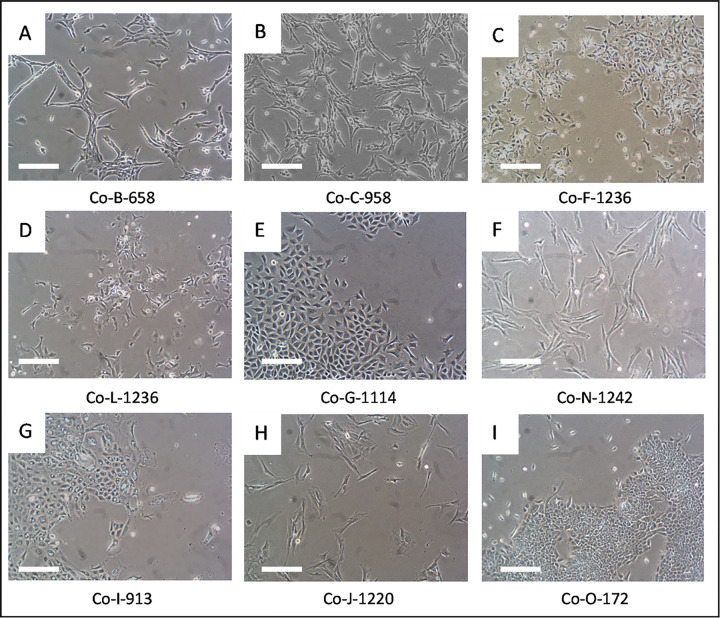
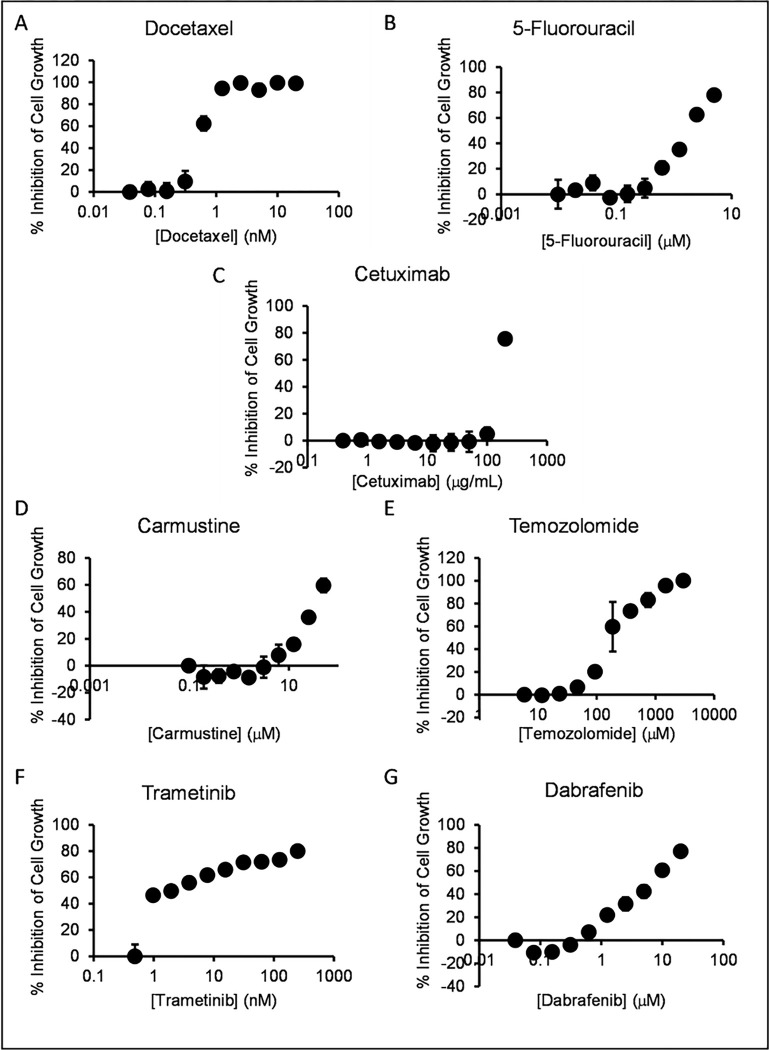
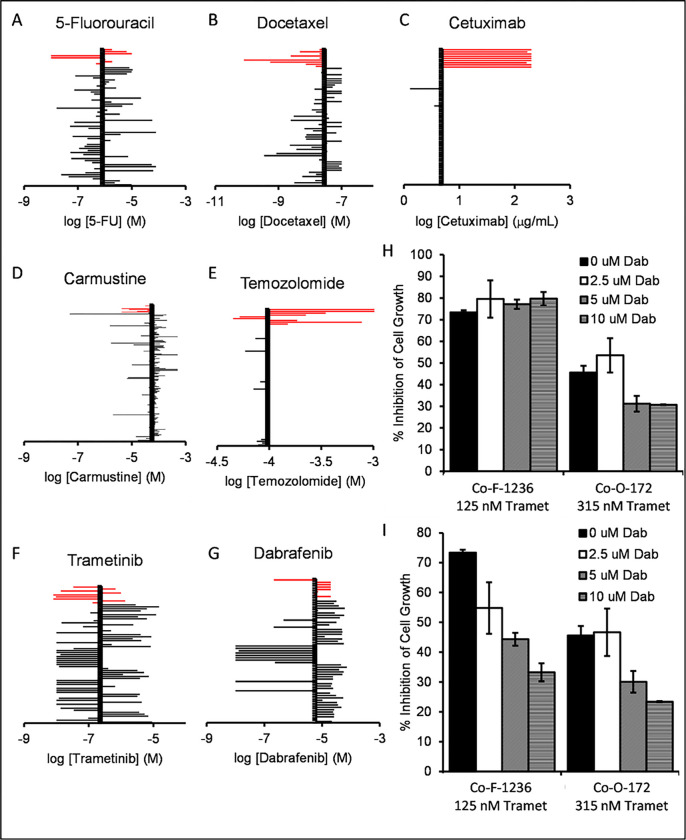
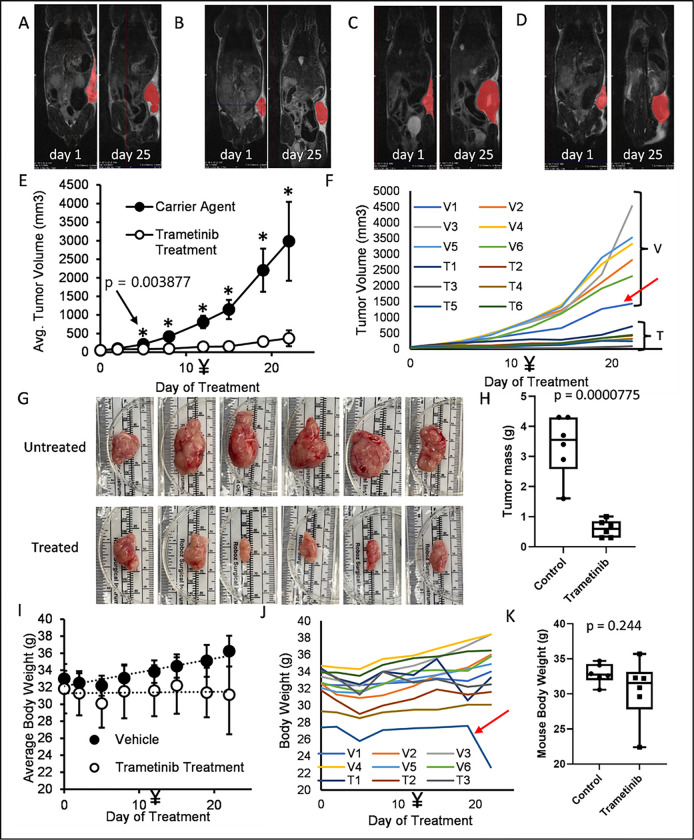
Oral tumors are relatively common in dogs, and canine oral squamous cell carcinoma (COSCC) is the most prevalent oral malignancy of epithelial origin. COSCC is locally aggressive with up to 20% of patients showing regional or distant metastasis at the time of diagnosis. The treatment of choice most typically involves wide surgical excision. Although long-term remission is possible, treatments are associated with significant morbidity and can negatively impact functionality and quality of life. OSCCs have significant upregulation of the RAS-RAF-MEK-MAPK signaling axis, and we had previously hypothesized that small-molecule inhibitors that target RAS signaling might effectively inhibit tumor growth and progression. Here, we demonstrate that the MEK inhibitor trametinib, an FDA-approved drug for human cancers, significantly blocks the growth of several COSCC cell lines established from current patient tumor samples. We further show clinical evidence that the drug is able to cause significant tumor regression in some patients with spontaneously occurring COSCC. Given the limited treatment options available and the high rate of owner rejection of these offered options, these findings provide new hope that more acceptable treatment options may soon enter the veterinary clinic.
口腔肿瘤在犬类中相对常见,犬口腔鳞状细胞癌(COSCC)是最常见的上皮源性口腔恶性肿瘤。COSCC具有局部侵袭性,高达20%的患者在诊断时出现区域或远处转移。最典型的治疗选择通常包括广泛的手术切除。虽然长期缓解是可能的,但治疗会带来显著的发病率,并且会对功能和生活质量产生负面影响。口腔鳞状细胞癌(OSCC)的RAS-RAF-MEK-MAPK信号轴有显著上调,我们之前曾假设靶向RAS信号的小分子抑制剂可能有效抑制肿瘤生长和进展。在此,我们证明MEK抑制剂曲美替尼(一种已获美国食品药品监督管理局批准用于人类癌症的药物)能显著阻断从当前患者肿瘤样本建立的几种COSCC细胞系的生长。我们进一步展示了临床证据,表明该药物能够使一些自发发生COSCC的患者的肿瘤显著消退。鉴于可用的治疗选择有限,且这些现有选择被宠物主人拒绝的比例很高,这些发现为更多可接受的治疗选择可能很快进入兽医临床带来了新希望。