Dignam Peter, Elshafey Mariam, Jeganathan Aparna, Foo Magdalen, Park Joon Soo, Ratnaweera Manorika
UWA Dental School, The University of Western Australia, Nedlands, Australia.
International Research Collaborative-Oral Health and Equity, School of Allied Health, The University of Western Australia, Crawley, Australia.
Int J Dent. 2024 May 9;2024:7712829. doi: 10.1155/2024/7712829. eCollection 2024.
Complications from dental extractions may result in multiple post-operative visits and adversely affect the patient's life. Preventing complications may decrease post-operative morbidity for the individual as well as lower societal costs, such as lost time from work and healthcare costs.
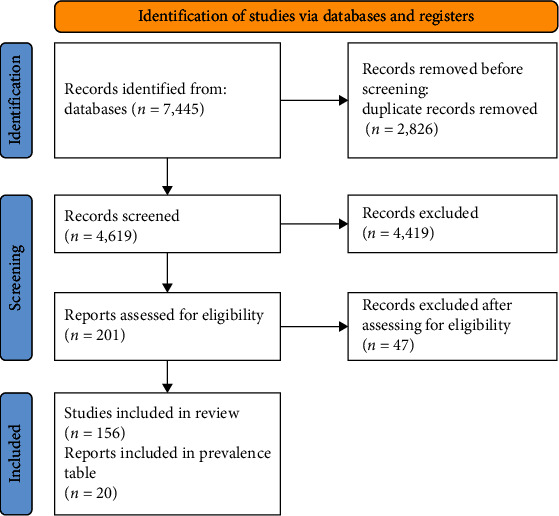
This narrative review aims to assess the prevalence and factors influencing post-operative complications following tooth extraction, helping clinicians minimise the risk. . Cross-sectional studies. . Patients undergoing dental extractions. Our exclusion criteria included in vitro studies, animal studies, terminally ill patients, and tooth loss not due to dental extraction. Literature was collected from "PubMed" and "Web of Science" through search criteria based on the "PICO" framework. Twenty articles were used to formulate a prevalence table, and 156 articles were included for the factors influencing complications. . This narrative review was reported using the SANRA (a scale for the quality assessment of narrative review articles) checklist. Due to the scope of our narrative review and its associated objectives, the quality of cross-sectional studies (AXIS) will be conducted from the studies outlining the prevalence.
Alveolar osteitis appears to be the most prevalent post-operative complication following tooth extraction. Predisposing factors can be significant in their ability to alter the risk of postoperative complications, and clinicians should provide patient-centred care to mitigate this risk. . Due to the breadth of context, a systematic review was not feasible, as it may have introduced heterogeneity.
This narrative review has highlighted an array of factors which can influence the prevalence of post-operative complications. Future research would benefit from individually reporting post-operative complications, reducing the heterogeneity in definitions of the complications, and including greater detail on the predisposing factors studied.
拔牙并发症可能导致患者术后多次复诊,并对患者生活产生不利影响。预防并发症可降低个体术后发病率,还能降低社会成本,如工作时间损失和医疗费用。
本叙述性综述旨在评估拔牙术后并发症的发生率及影响因素,帮助临床医生将风险降至最低。
检索“PubMed”和“Web of Science”数据库,依据“PICO”框架制定检索标准。纳入标准为横断面研究、接受拔牙的患者。排除标准包括体外研究、动物研究、晚期患者以及非拔牙导致的牙齿缺失。共纳入20篇文章用于制定发生率表格,156篇文章用于分析影响并发症的因素。本叙述性综述依据SANRA(叙述性综述文章质量评估量表)清单进行报告。鉴于本叙述性综述的范围及其相关目标,将从概述发生率的研究中进行横断面研究质量(AXIS)评估。
干槽症似乎是拔牙后最常见的术后并发症。诱发因素对改变术后并发症风险的作用显著,临床医生应提供以患者为中心的护理以降低此风险。由于背景广泛,进行系统综述不可行,因为这可能会引入异质性。
本叙述性综述强调了一系列可能影响术后并发症发生率的因素。未来研究若能单独报告术后并发症、减少并发症定义的异质性,并更详细地阐述所研究的诱发因素,将大有裨益。