Laboratory of Applied Biotechnology, Azm Center for Research in Biotechnology and Its Applications, Lebanese University, Mitein Street, Tripoli P.O. Box 210, Lebanon.
Univ Rennes, Ecole Nationale Supérieure de Chimie de Rennes, CNRS, ISCR-UMR 6226, F-35000 Rennes, France.
Biomolecules. 2021 Oct 21;11(11):1557. doi: 10.3390/biom11111557.
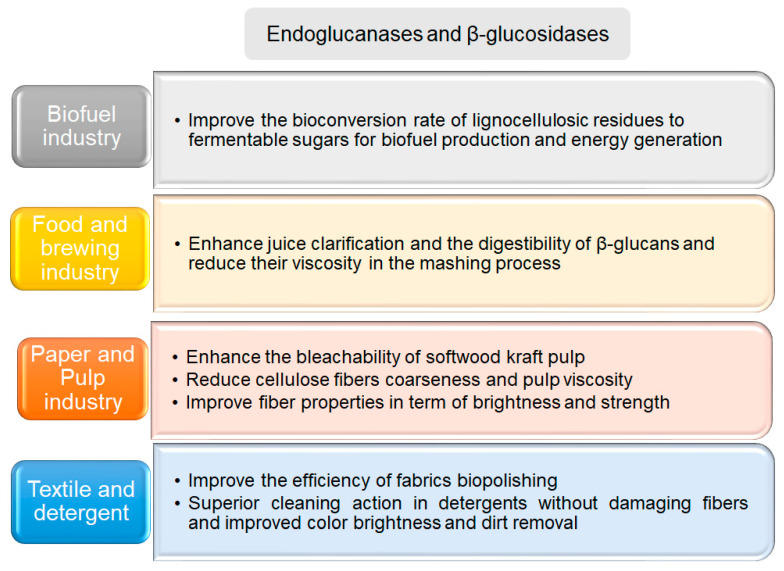
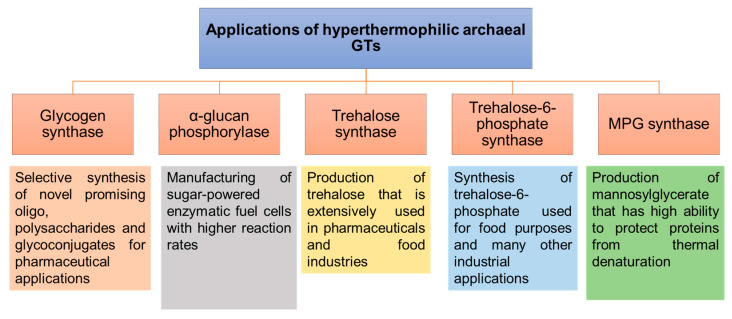
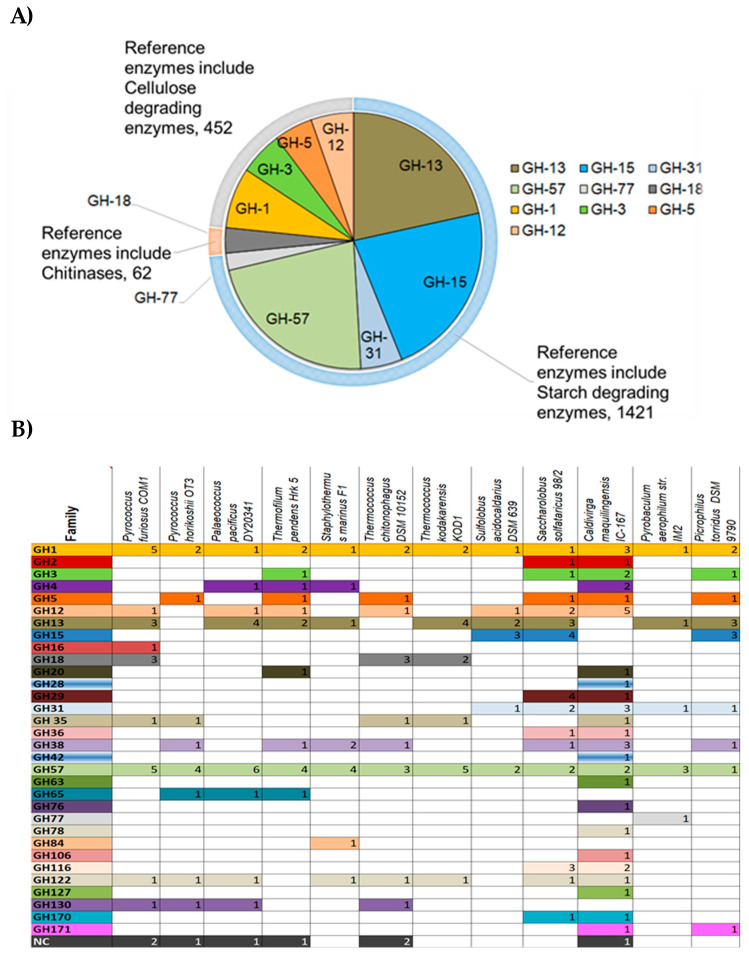
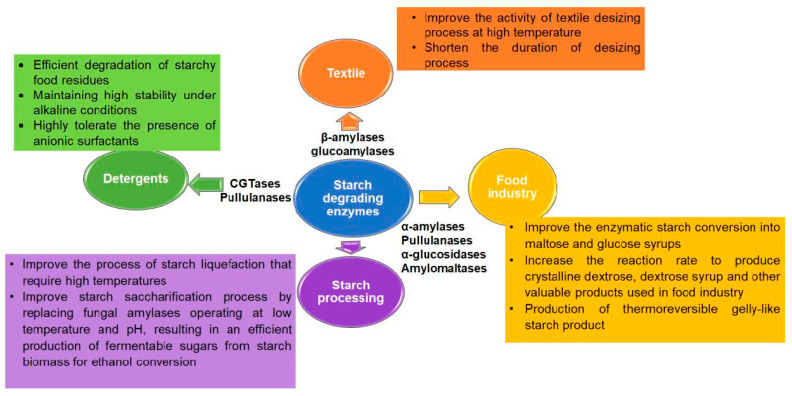
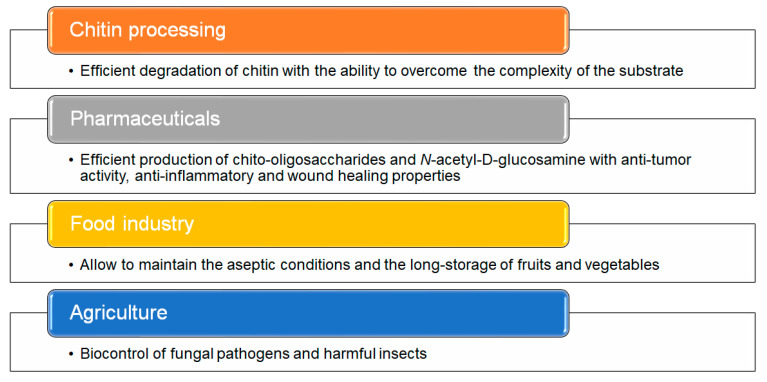
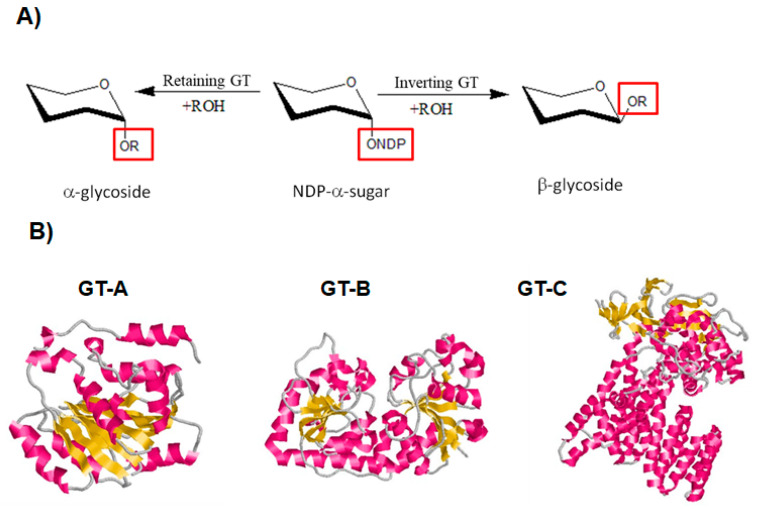
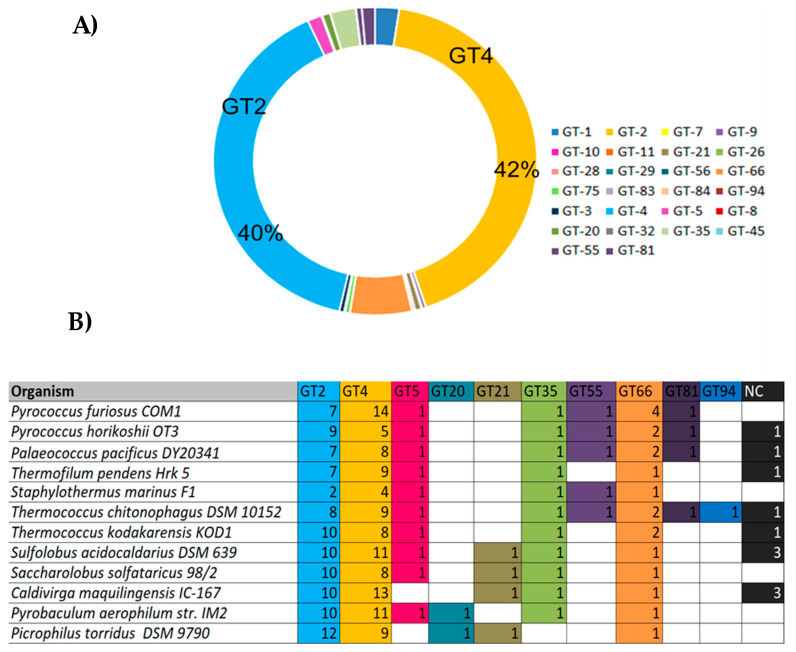
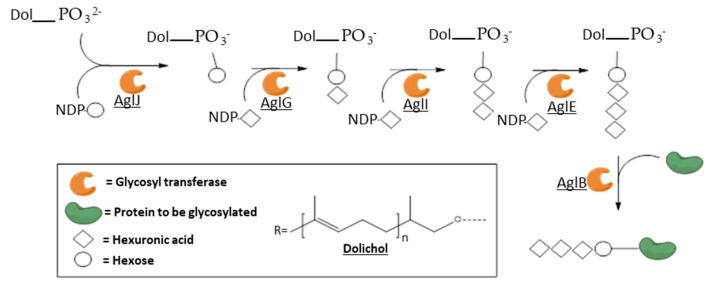
Hyperthermophilic Archaea colonizing unnatural habitats of extremes conditions such as volcanoes and deep-sea hydrothermal vents represent an unmeasurable bioresource for enzymes used in various industrial applications. Their enzymes show distinct structural and functional properties and are resistant to extreme conditions of temperature and pressure where their mesophilic homologs fail. In this review, we will outline carbohydrate-active enzymes (CAZymes) from hyperthermophilic Archaea with specific focus on the two largest families, glycoside hydrolases (GHs) and glycosyltransferases (GTs). We will present the latest advances on these enzymes particularly in the light of novel accumulating data from genomics and metagenomics sequencing technologies. We will discuss the contribution of these enzymes from hyperthermophilic Archaea to industrial applications and put the emphasis on newly identifed enzymes. We will highlight their common biochemical and distinct features. Finally, we will overview the areas that remain to be explored to identify novel promising hyperthermozymes.
嗜热古菌栖息于火山和深海热液喷口等极端环境的非自然栖息地,代表了在各种工业应用中使用的酶的一种无法估量的生物资源。它们的酶具有独特的结构和功能特性,并且能够耐受其嗜温同源物无法承受的极端温度和压力条件。在这篇综述中,我们将概述来自嗜热古菌的碳水化合物活性酶(CAZymes),特别关注糖苷水解酶(GHs)和糖基转移酶(GTs)这两个最大的家族。我们将介绍这些酶的最新进展,特别是在基因组学和宏基因组测序技术的新积累数据的背景下。我们将讨论这些来自嗜热古菌的酶对工业应用的贡献,并特别强调新鉴定的酶。我们将突出它们的常见生化和独特特征。最后,我们将概述有待探索的领域,以鉴定有前途的新型嗜热酶。