Ren Hao, Ge Deng-Feng, Yang Zi-Chen, Cheng Zhen-Ting, Zhao Shou-Xiang, Zhang Bin
Nanjing University of Chinese Medicine, No. 138 Xianlin Avenue, Nanjing, 210023, Jiangsu, China.
Department of Cardiothoracic Surgery, Affiliated Hospital of Nanjing University of Chinese Medicine, No.155, Han-Zhong Road, Nanjing, 210029, People's Republic of China.
Discov Oncol. 2025 Jan 2;16(1):1. doi: 10.1007/s12672-024-01698-3.
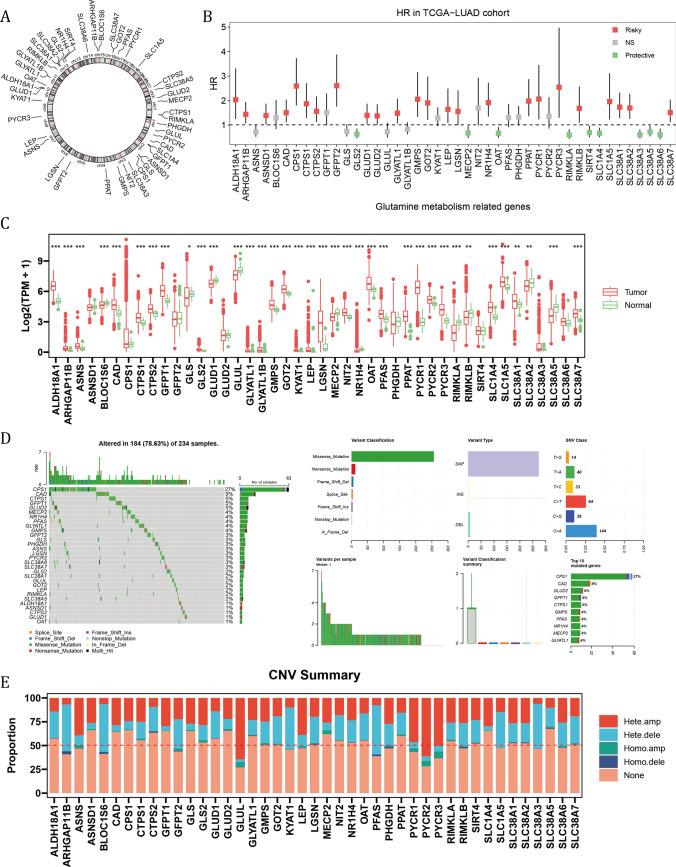
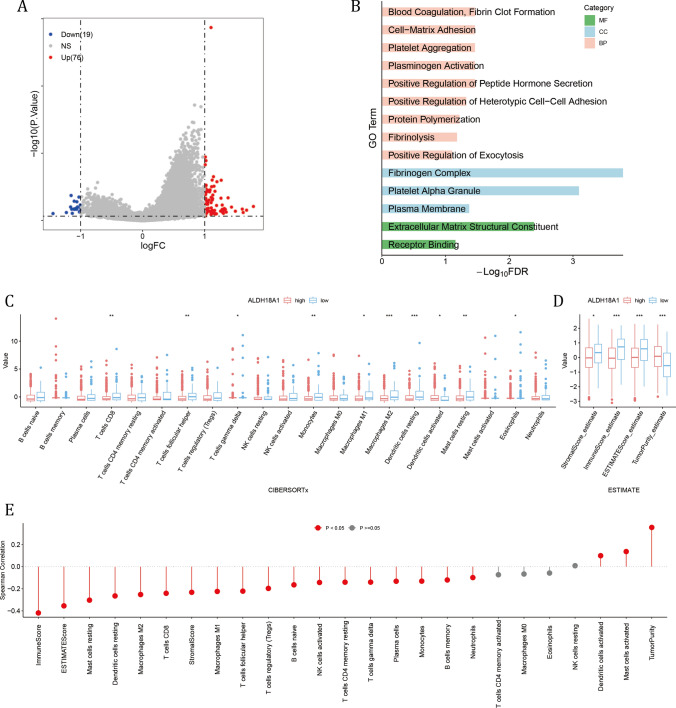
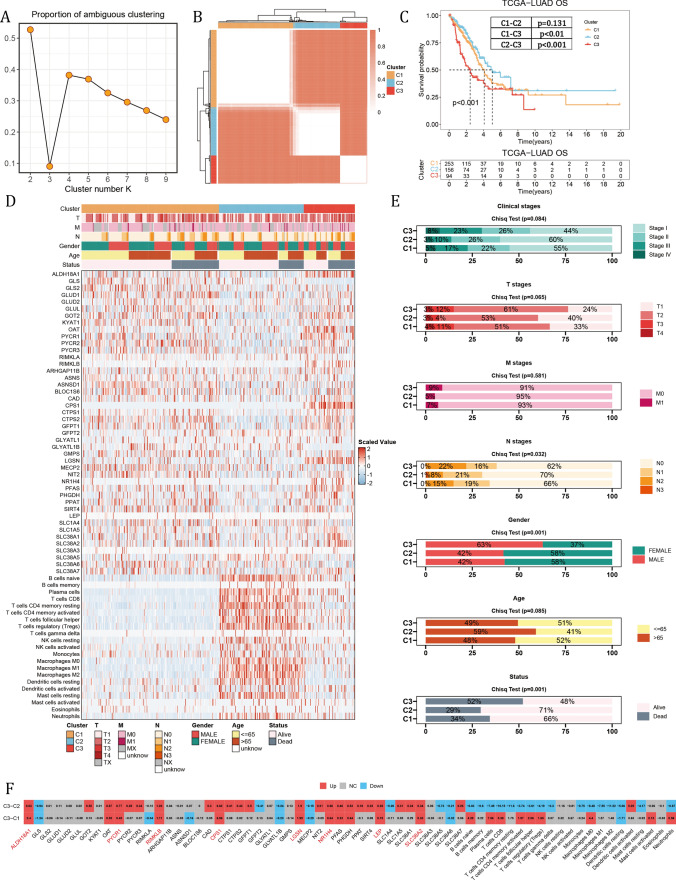
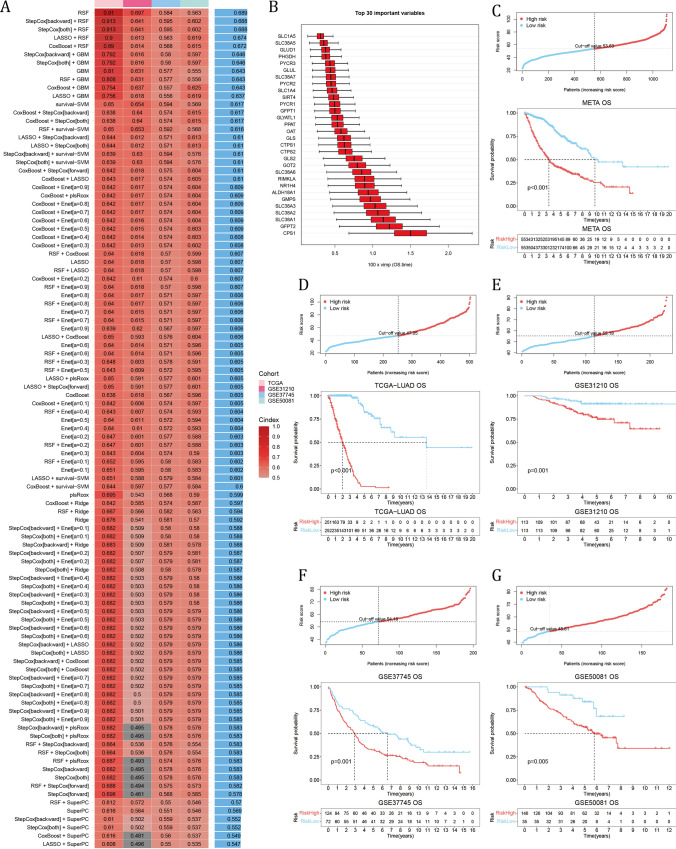
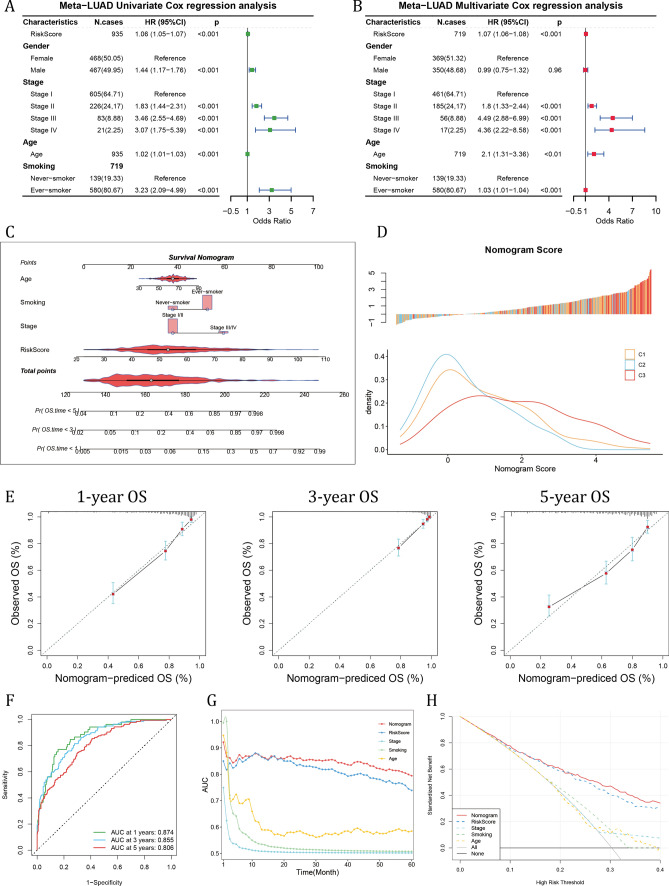
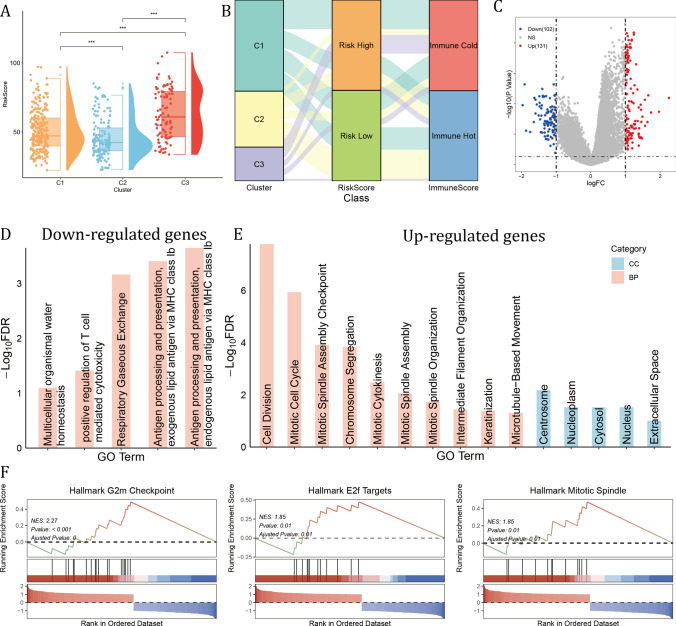
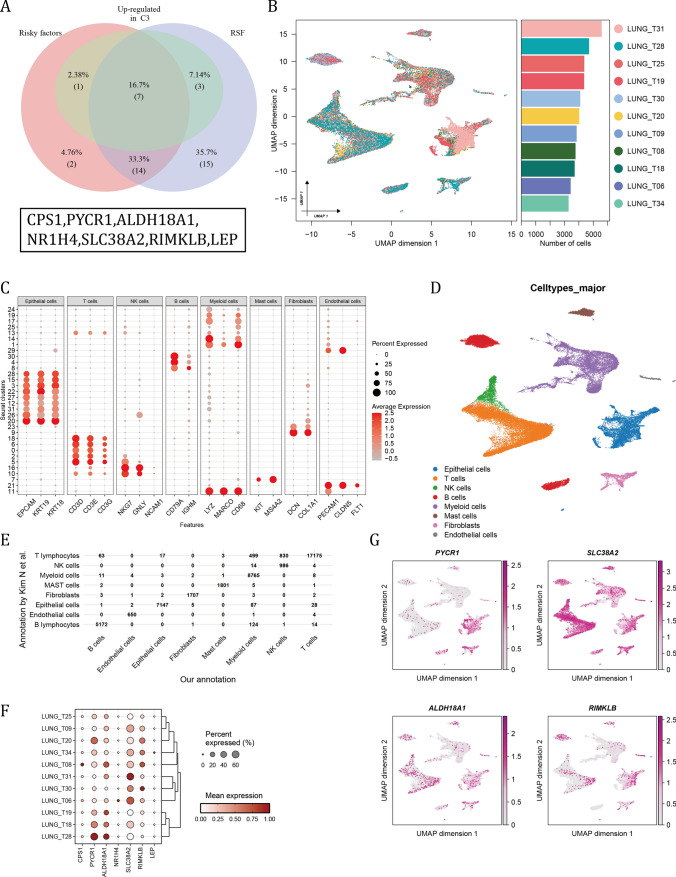
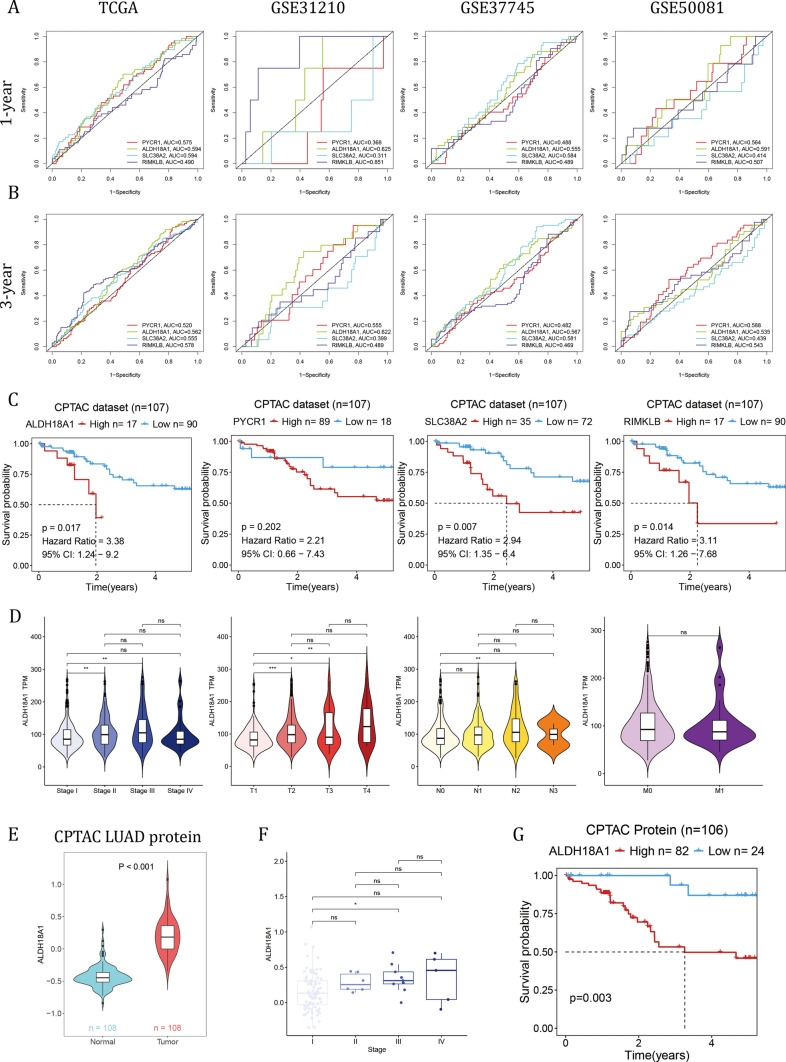
Glutamine metabolism is pivotal in cancer biology, profoundly influencing tumor growth, proliferation, and resistance to therapies. Cancer cells often exhibit an elevated dependence on glutamine for essential functions such as energy production, biosynthesis of macromolecules, and maintenance of redox balance. Moreover, altered glutamine metabolism can contribute to the formation of an immune-suppressive tumor microenvironment characterized by reduced immune cell infiltration and activity. In this study on lung adenocarcinoma, we employed consensus clustering and applied 101 types of machine learning methods to systematically identify key genes associated with glutamine metabolism and develop a risk model. This comprehensive approach provided a clearer understanding of how glutamine metabolism associates with cancer progression and patient outcomes. Notably, we constructed a robust nomogram based on clinical information and patient risk scores, which achieved a stable area under the curve (AUC) greater than 0.8 for predicting patient survival across four datasets, demonstrating high predictive accuracy. This nomogram not only enhances our ability to stratify patient risk but also offers potential targets for therapeutic intervention aimed at disrupting glutamine metabolism and sensitizing tumors to existing treatments. Moreover, we identified ALDH18A1 as a prognostic hub gene of glutamine metabolism, characterized by high expression levels in glutamine cluster 3, which is associated with poor clinical outcomes and worse survival, and is included in the risk model. Such insights underscore the critical role of glutamine metabolism in cancer and highlight avenues for personalized medicine in oncology research.
谷氨酰胺代谢在癌症生物学中至关重要,对肿瘤生长、增殖及治疗抗性有着深远影响。癌细胞通常对谷氨酰胺产生更高的依赖性,以维持诸如能量生成、大分子生物合成及氧化还原平衡维持等基本功能。此外,谷氨酰胺代谢的改变会促使形成一种免疫抑制性肿瘤微环境,其特征为免疫细胞浸润及活性降低。在这项关于肺腺癌的研究中,我们采用共识聚类法并应用101种机器学习方法,系统地识别与谷氨酰胺代谢相关的关键基因,并建立了一个风险模型。这种全面的方法使我们能更清晰地了解谷氨酰胺代谢与癌症进展及患者预后之间的关联。值得注意的是,我们基于临床信息和患者风险评分构建了一个稳健的列线图,在四个数据集中预测患者生存时,其曲线下面积(AUC)稳定大于0.8,显示出高预测准确性。该列线图不仅增强了我们对患者风险分层的能力,还为旨在破坏谷氨酰胺代谢并使肿瘤对现有治疗敏感的治疗干预提供了潜在靶点。此外,我们将ALDH18A1鉴定为谷氨酰胺代谢的一个预后枢纽基因,其在谷氨酰胺簇3中高表达水平,与不良临床结果和较差生存率相关,并被纳入风险模型。这些见解强调了谷氨酰胺代谢在癌症中的关键作用,并突出了肿瘤学研究中个性化医疗的途径。