Clinical Department of Psychiatry and Psychotherapeutic Medicine, Medical University of Graz, Graz, Austria.
Division of Immunology, Otto Loewi Research Center, Medical University of Graz, Graz, Austria.
Neuropsychobiology. 2024;83(3-4):135-151. doi: 10.1159/000538781. Epub 2024 May 22.
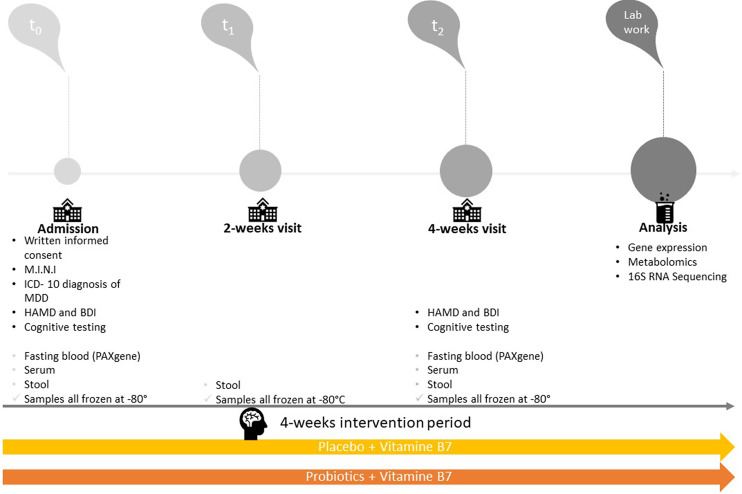
An increasing body of evidence suggests a strong relationship between gut health and mental state. Lately, a connection between butyrate-producing bacteria and sleep quality has been discussed. The PROVIT study, as a randomized, double-blind, 4-week, multispecies probiotic intervention study, aims at elucidating the potential interconnection between the gut's metabolome and the molecular clock in individuals with major depressive disorder (MDD).
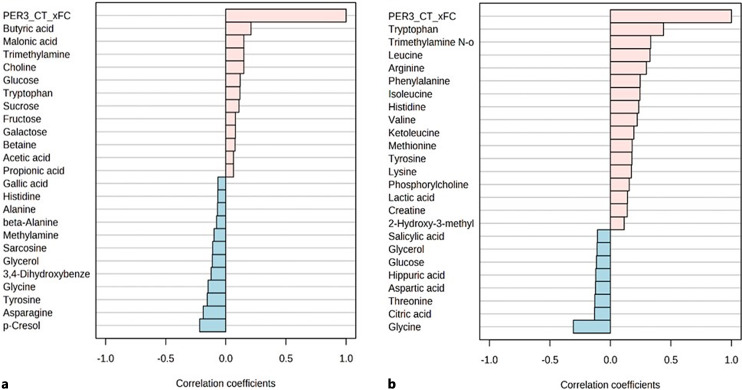
The aim of the PROVIT-CLOCK study was to analyze changes in core clock gene expression during treatment with probiotic intervention versus placebo in fasting blood and the connection with the serum- and stool-metabolome in patients with MDD (n = 53). In addition to clinical assessments in the PROVIT study, metabolomics analyses with 1H nuclear magnetic resonance spectroscopy (stool and serum) and gene expression (RT-qPCR) analysis of the core clock genes ARNTL, PER3, CLOCK, TIMELESS, NR1D1 in peripheral blood mononuclear cells of fasting blood were performed.
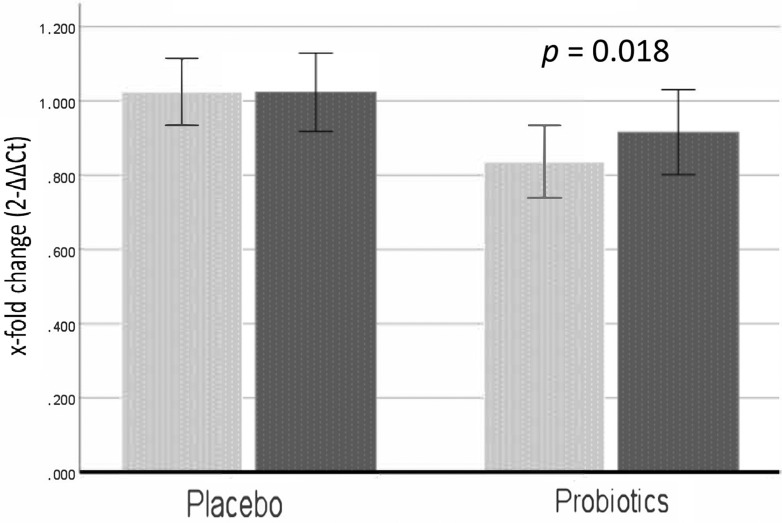
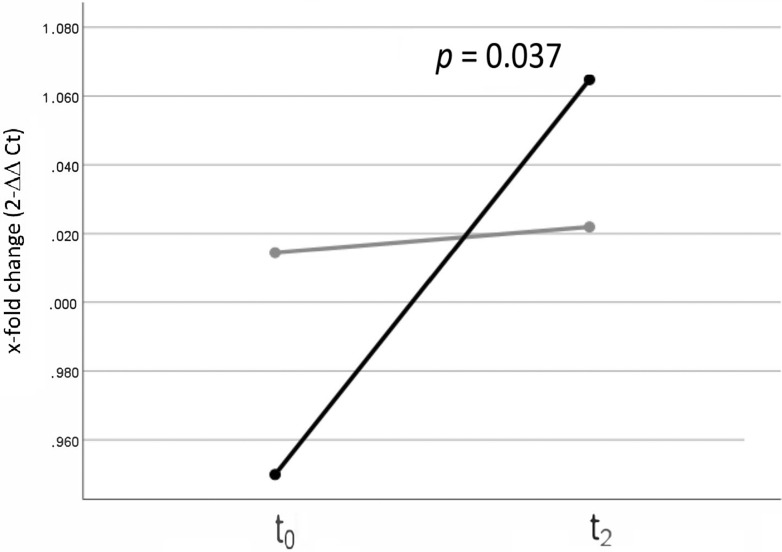
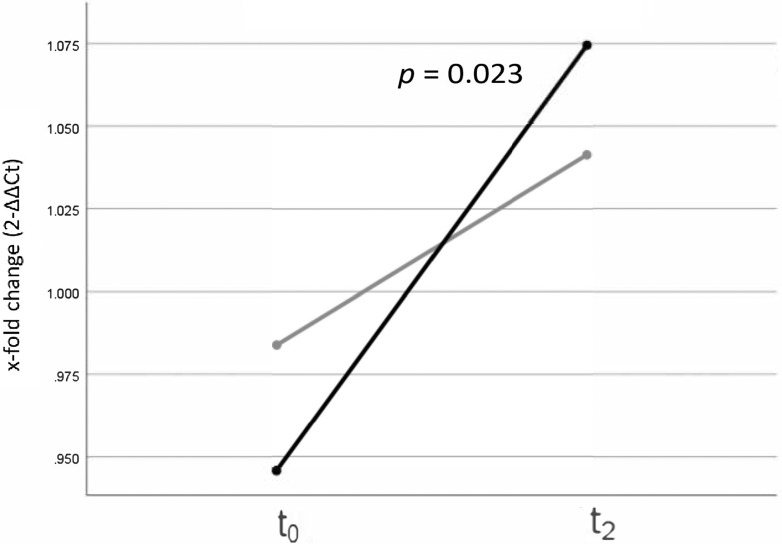
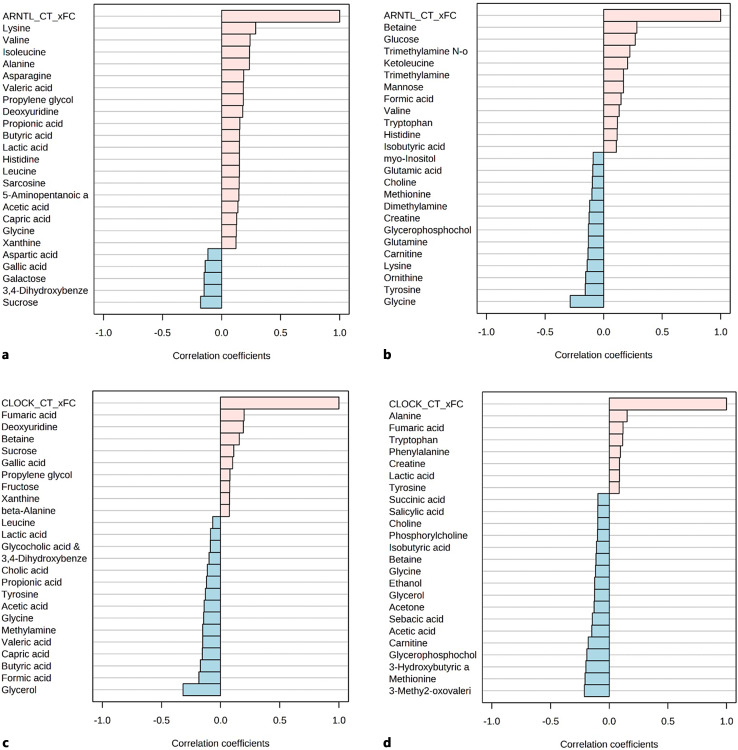
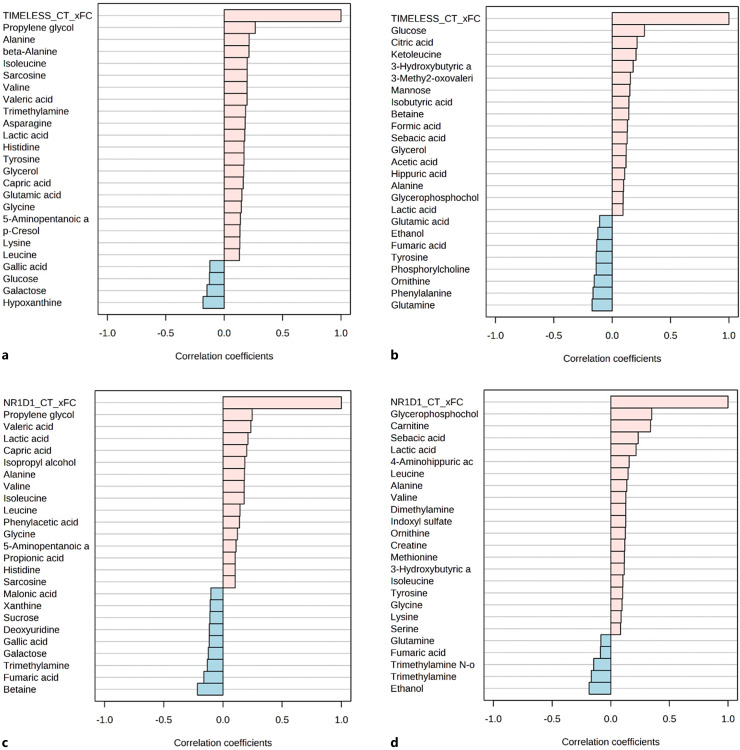
The gene expression levels of the clock gene CLOCK were significantly altered only in individuals receiving probiotic add-on treatment. TIMELESS and ARNTL gene expression changed significantly over the 4-week intervention period in both groups. Various positive and negative correlations between metabolites in serum/stool and core clock gene expression levels were observed.
Changing the gut microbiome by probiotic treatment potentially influences CLOCK gene expression. The preliminary results of the PROVIT-CLOCK study indicate a possible interconnection between the gut microbiome and circadian rhythm potentially orchestrated by metabolites.
越来越多的证据表明肠道健康与精神状态之间存在密切关系。最近,人们讨论了产生丁酸的细菌与睡眠质量之间的联系。PROVIT 研究是一项随机、双盲、为期 4 周的多菌种益生菌干预研究,旨在阐明肠道代谢组与抑郁症患者分子钟之间的潜在相互关系。
PROVIT-CLOCK 研究的目的是分析在使用益生菌干预与安慰剂治疗期间,核心时钟基因表达在患有 MDD(n = 53)的空腹血液中的变化,并与血清和粪便代谢组学的连接。除了在 PROVIT 研究中的临床评估外,还进行了代谢组学分析,使用 1H 核磁共振波谱(粪便和血清)和外周血单核细胞中核心时钟基因 ARNTL、PER3、CLOCK、TIMELY、NR1D1 的 RT-qPCR 分析。
只有接受益生菌附加治疗的个体时钟基因 CLOCK 的基因表达水平发生显著改变。在两组中,TIMELY 和 ARNTL 基因表达在 4 周的干预期间均发生显著变化。在血清/粪便中的代谢物与核心时钟基因表达水平之间观察到各种正相关和负相关。
通过益生菌治疗改变肠道微生物群可能会影响 CLOCK 基因表达。PROVIT-CLOCK 研究的初步结果表明,肠道微生物群与昼夜节律之间可能存在潜在的联系,这种联系可能是由代谢物协调的。