Department of Pathology, Longyan First Affiliated Hospital of Fujian Medical University, Longyan, Fujian, China.
Breast Cancer Res Treat. 2024 Aug;207(1):151-165. doi: 10.1007/s10549-024-07350-6. Epub 2024 May 23.
To establish a pathomic model using histopathological image features for predicting indoleamine 2,3-dioxygenase 1 (IDO1) status and its relationship with overall survival (OS) in breast cancer.
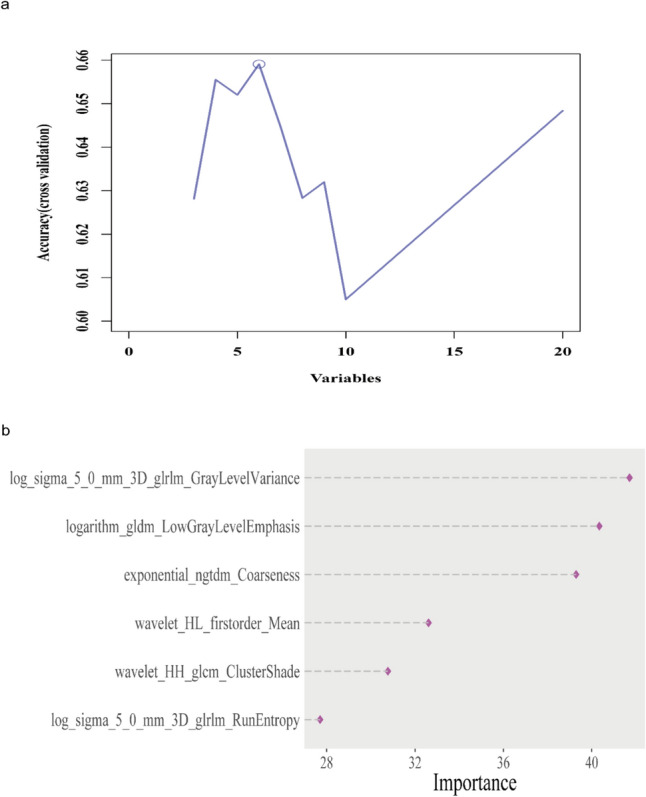
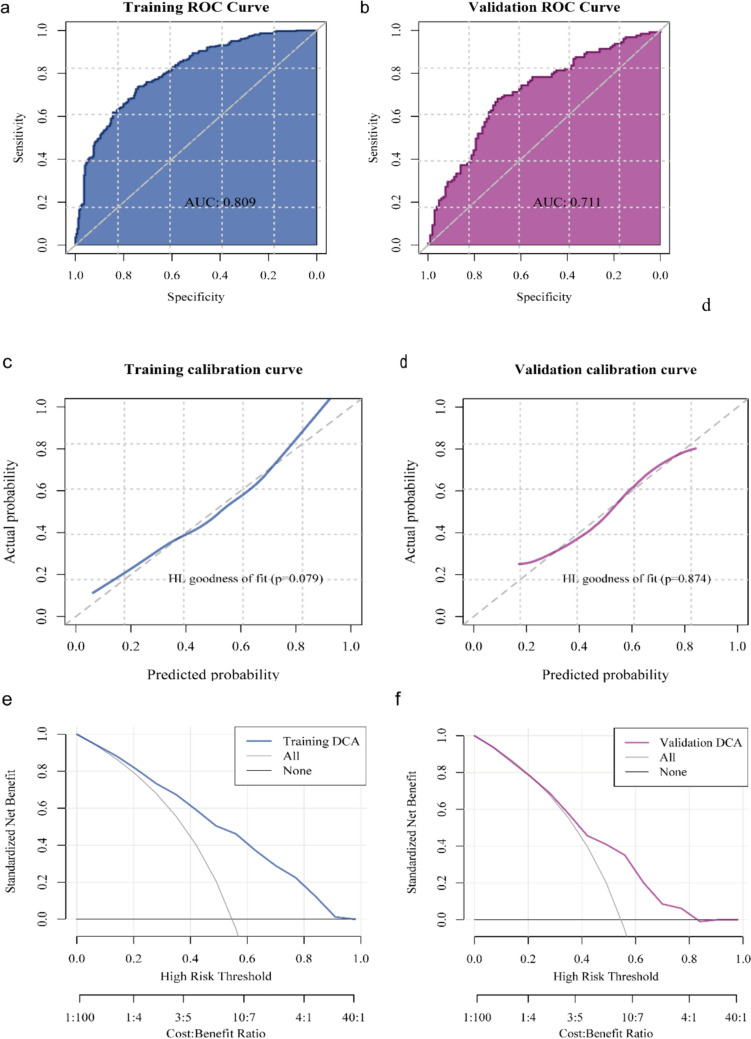
A pathomic model was constructed using machine learning and histopathological images obtained from The Cancer Genome Atlas database to predict IDO1 expression. The model performance was evaluated based on the area under the curve, calibration curve, and decision curve analysis (DCA). Prediction scores (PSes) were generated from the model and applied to divide the patients into two groups. Survival outcomes, gene set enrichment, immune microenvironment, and tumor mutations were assessed between the two groups.
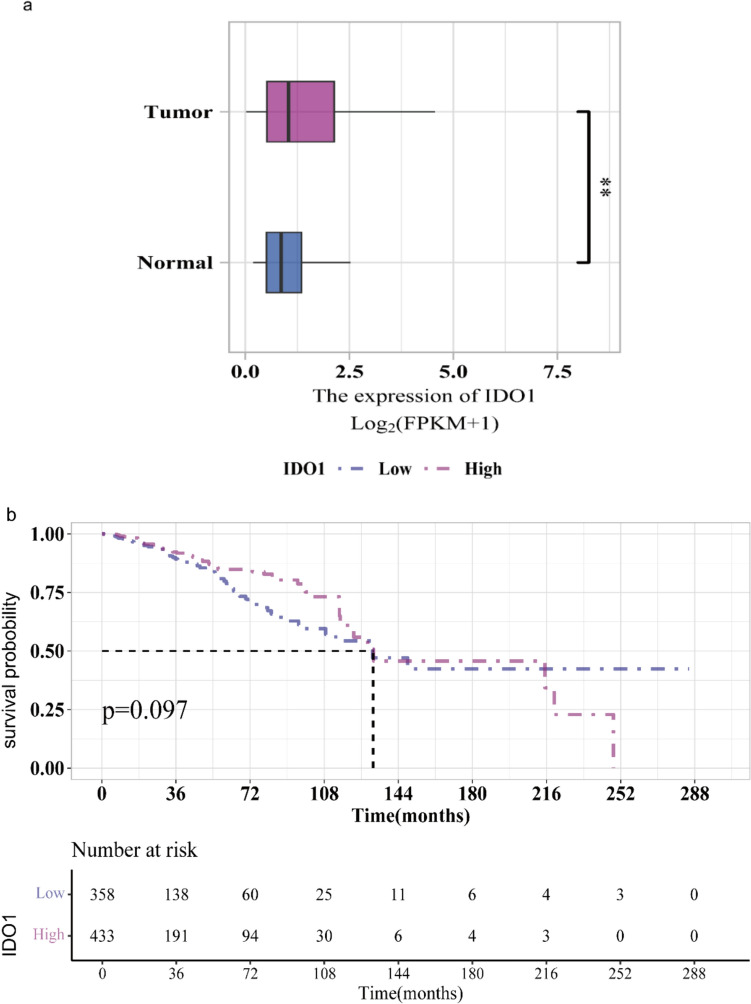
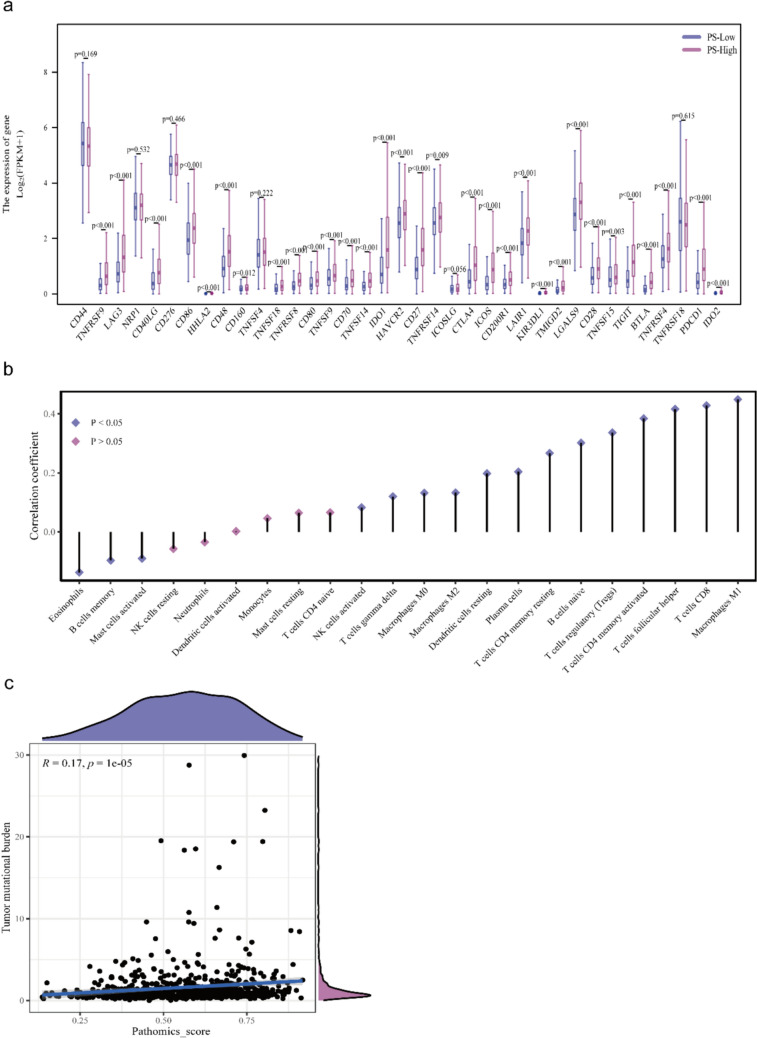
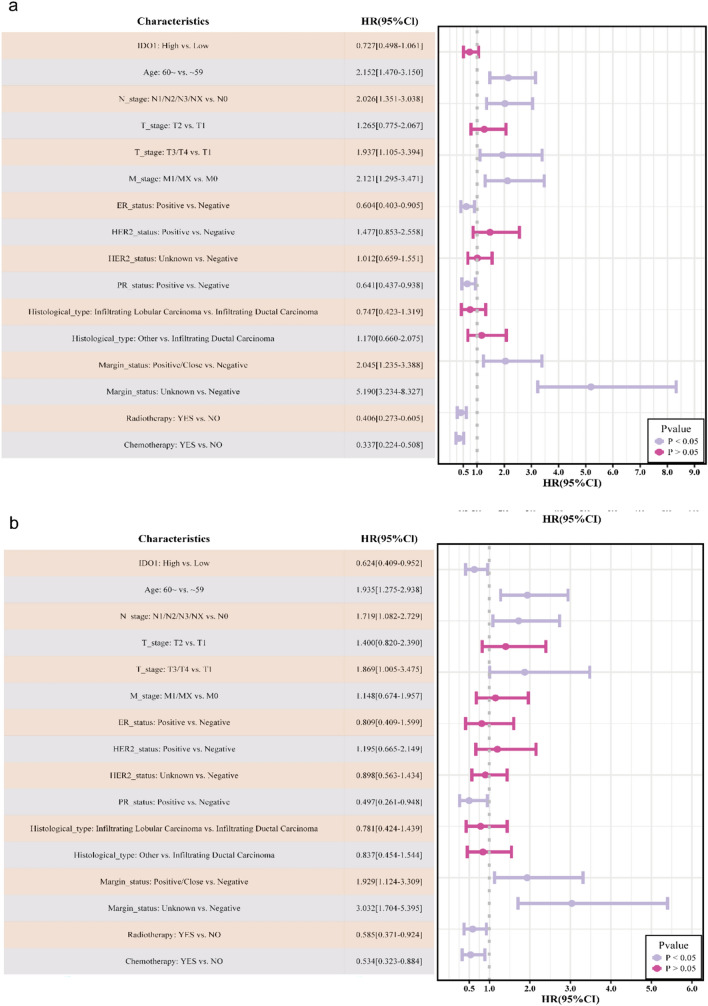
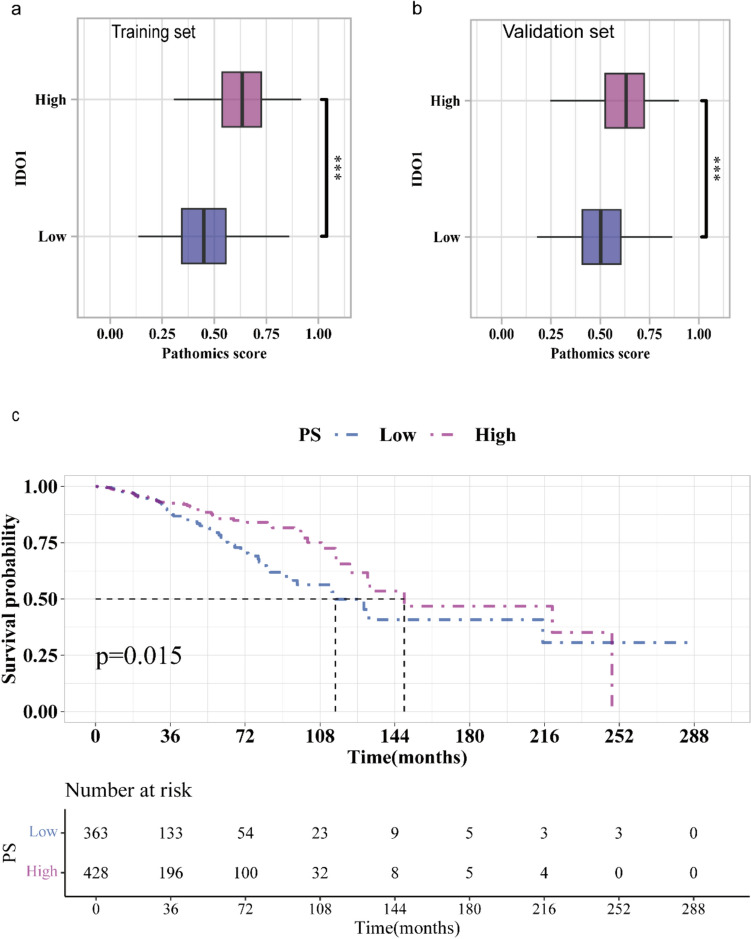
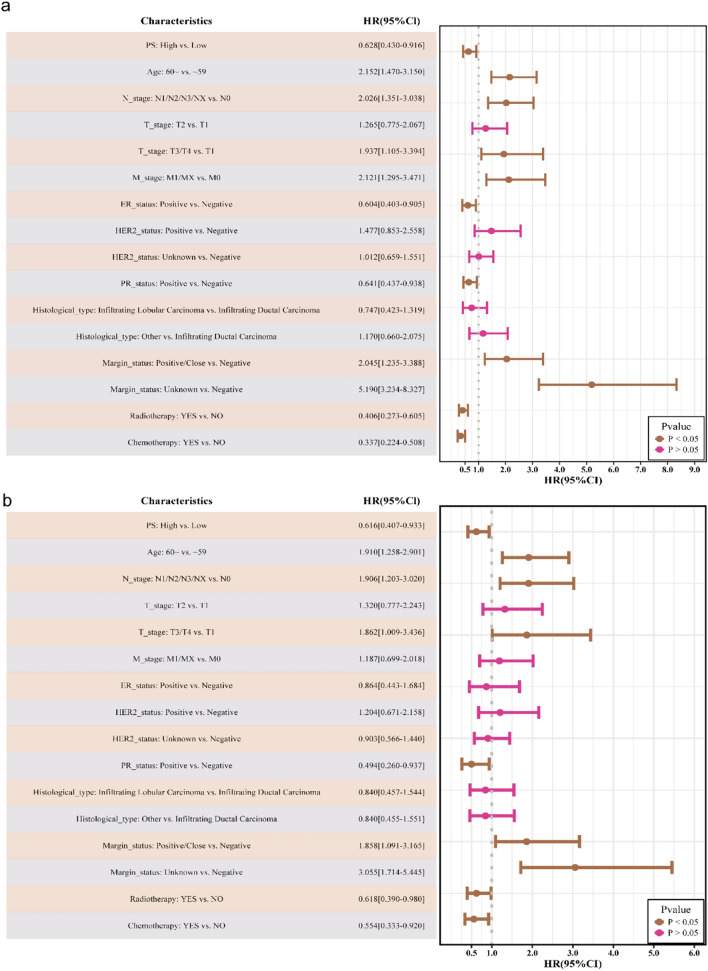
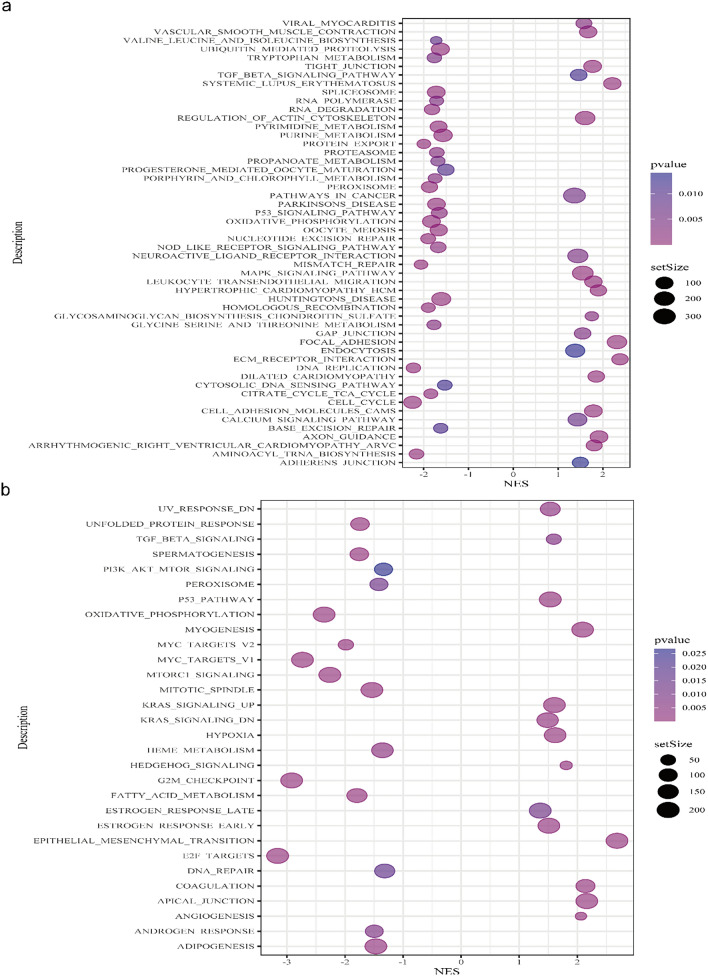
Survival analysis followed by multivariate correction revealed that high IDO1 is a protective factor for OS. Further, the model was calibrated, and it exhibited good discrimination. Additionally, the DCA showed that the proposed model provided a good clinical net benefit. The Kaplan-Meier analysis revealed a positive correlation between high PS and improved OS. Univariate and multivariate Cox regression analyses demonstrated that PS is an independent protective factor for OS. Moreover, differentially expressed genes were enriched in various essential biological processes, including extracellular matrix receptor interaction, angiogenesis, transforming growth factor β signaling, epithelial mesenchymal transition, cell junction, tryptophan metabolism, and heme metabolic processes. PS was positively correlated with M1 macrophages, CD8 + T cells, T follicular helper cells, and tumor mutational burden.
These results indicate the potential ability of the proposed pathomic model to predict IDO1 status and the OS of breast cancer patients.
利用组织病理学图像特征建立病理模型,预测乳腺癌中吲哚胺 2,3-双加氧酶 1(IDO1)状态及其与总生存期(OS)的关系。
使用机器学习和从癌症基因组图谱数据库中获得的组织病理学图像构建病理模型,以预测 IDO1 表达。根据曲线下面积、校准曲线和决策曲线分析(DCA)评估模型性能。从模型中生成预测评分(PS),并将患者分为两组。评估两组之间的生存结果、基因集富集、免疫微环境和肿瘤突变。
生存分析后进行多变量校正表明,高 IDO1 是 OS 的保护因素。此外,该模型经过校准,具有良好的区分能力。此外,DCA 表明所提出的模型提供了良好的临床净效益。Kaplan-Meier 分析显示高 PS 与改善 OS 呈正相关。单因素和多因素 Cox 回归分析表明 PS 是 OS 的独立保护因素。此外,差异表达基因在各种重要的生物学过程中富集,包括细胞外基质受体相互作用、血管生成、转化生长因子 β 信号、上皮间质转化、细胞连接、色氨酸代谢和血红素代谢过程。PS 与 M1 巨噬细胞、CD8+T 细胞、滤泡辅助 T 细胞和肿瘤突变负荷呈正相关。
这些结果表明,所提出的病理模型具有预测 IDO1 状态和乳腺癌患者 OS 的潜力。