Nocella Cristina, D'Amico Alessandra, Cangemi Roberto, Fossati Chiara, Pigozzi Fabio, Mannacio Elena, Cammisotto Vittoria, Bartimoccia Simona, Castellani Valentina, Sarto Gianmarco, Simeone Beatrice, Rocco Erica, Frati Giacomo, Sciarretta Sebastiano, Pignatelli Pasquale, Carnevale Roberto
Department of Clinical Internal, Anesthesiology and Cardiovascular Sciences, Sapienza University of Rome, 00161 Rome, Italy.
Department of Medical-Surgical Sciences and Biotechnologies, Sapienza University of Rome, 04100 Latina, Italy.
Antioxidants (Basel). 2024 Apr 30;13(5):551. doi: 10.3390/antiox13050551.
Cortisol levels, oxidative stress, and lower cerebral performance seem to be closely related. This study aimed to evaluate the question of whether exam stress affected oxidative stress and endothelial function parameters in the salivary samples of students.
A total of 114 healthy students were recruited. All students were subjected to a 21-item DASS questionnaire to assess perceived stress. Cortisol levels, biomarkers of oxidative stress, and endothelial function were evaluated at T0, during the semester, and T1, in the morning before the exam, in saliva samples. In vitro, HUVECs were stimulated with cortisol, and oxidative stress and endothelial function parameters were evaluated.
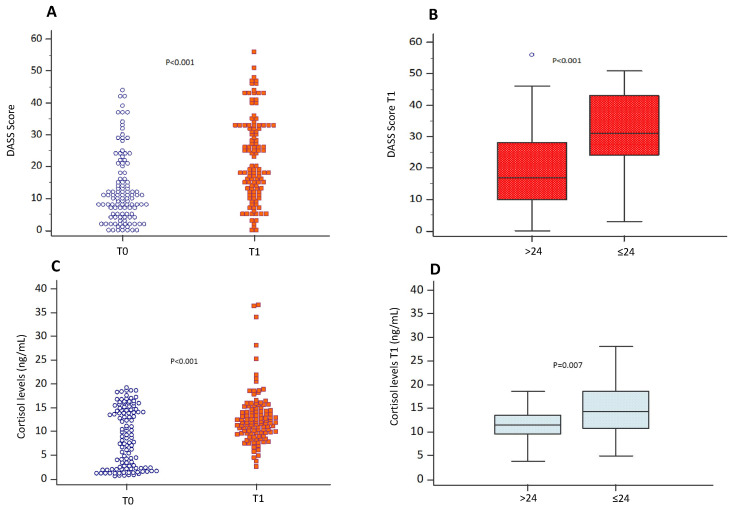
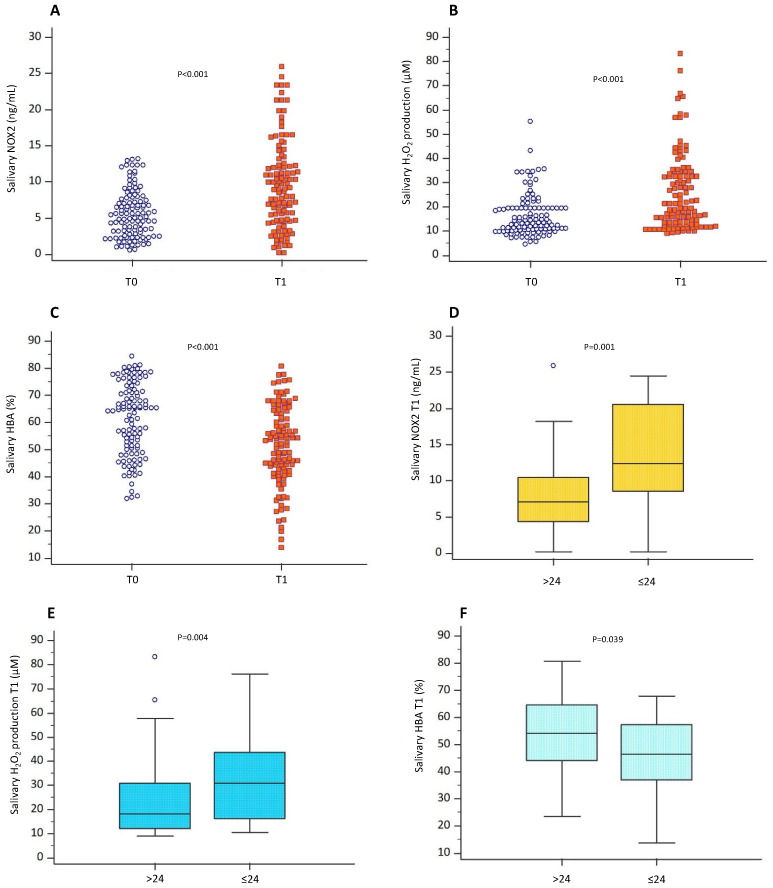
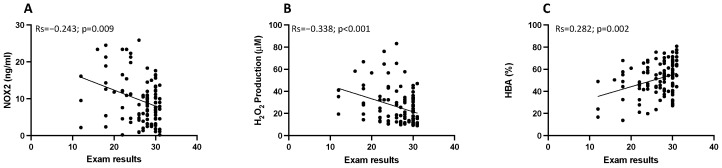
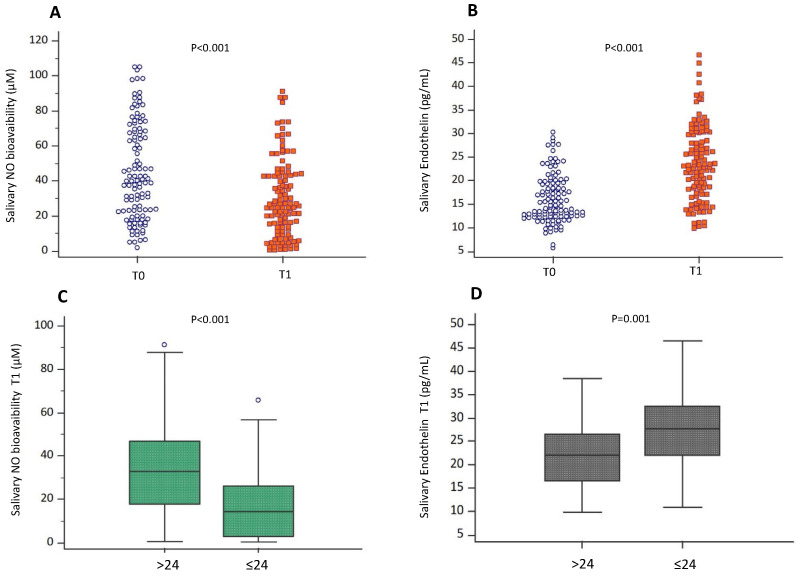
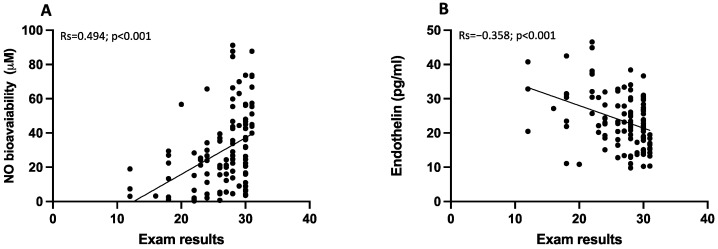
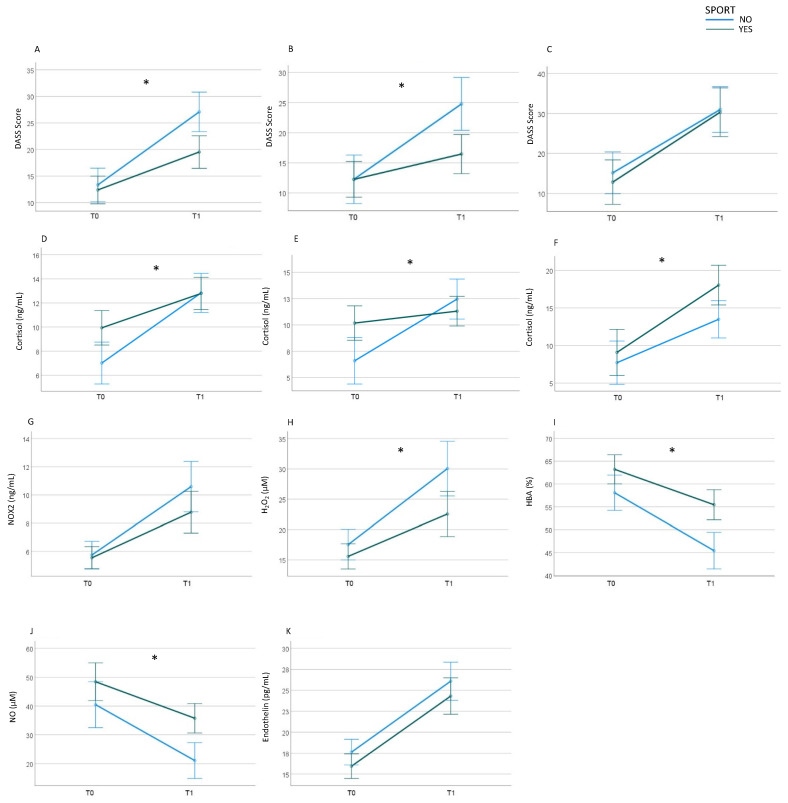
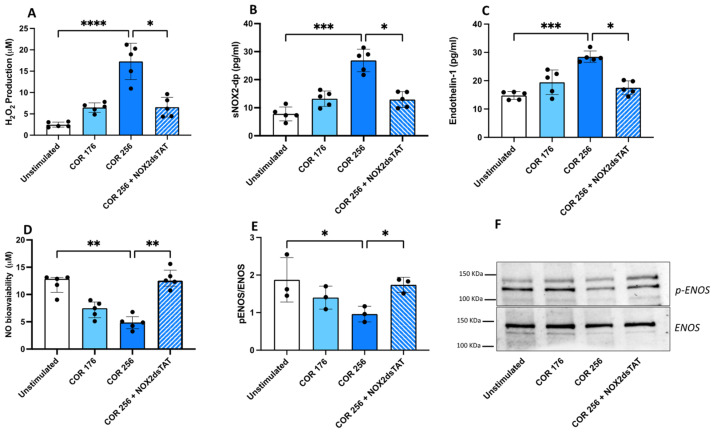
At T1, cortisol levels were significantly increased compared with the levels during the semester. Moreover, exam results correlated inversely with the DASS score at T1. In addition, NOX2, HO and endothelin-1 significantly increased, while NO bioavailability decreased. In vitro, HUVECs treatment with human cortisol determined the increase of oxidative stress and the decrease of endothelial function, in association with impaired eNOS phosphorylation.
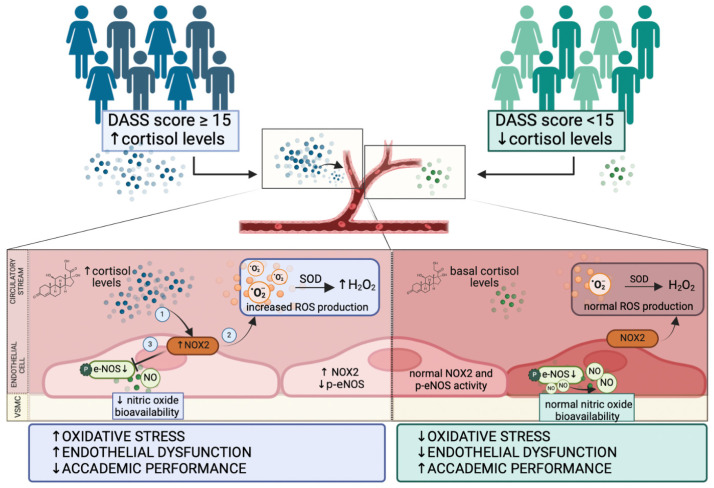
NOX2-mediated oxidative stress is a mechanism that could mediate cortisol-induced transient endothelial dysfunction during academic examination. Therefore, strategies to monitor or modulate oxidative stress could help students to reduce the impact of examination-related stress.
皮质醇水平、氧化应激与较低的脑功能似乎密切相关。本研究旨在评估考试压力是否会影响学生唾液样本中的氧化应激和内皮功能参数。
共招募了114名健康学生。所有学生都接受了一份包含21个项目的抑郁焦虑压力量表(DASS)问卷,以评估感知到的压力。在学期期间的T0以及考试前早晨的T1时间点,对唾液样本中的皮质醇水平、氧化应激生物标志物和内皮功能进行评估。在体外,用人皮质醇刺激人脐静脉内皮细胞(HUVECs),并评估氧化应激和内皮功能参数。
在T1时,皮质醇水平较学期期间显著升高。此外,考试成绩与T1时的DASS评分呈负相关。此外,NOX2、HO和内皮素-1显著增加,而一氧化氮(NO)生物利用度降低。在体外,用人皮质醇处理HUVECs可导致氧化应激增加和内皮功能降低,并伴有内皮型一氧化氮合酶(eNOS)磷酸化受损。
NOX2介导的氧化应激是一种可在学术考试期间介导皮质醇诱导的短暂内皮功能障碍的机制。因此,监测或调节氧化应激的策略可能有助于学生减轻与考试相关的压力影响。