Master in Process Design and Management, School of Engineering, Universidad de La Sabana, Chia, Colombia.
Bioprospecting Research Group, School of Engineering, Universidad de La Sabana, Chia, Colombia.
Sci Prog. 2024 Apr-Jun;107(2):368504241253695. doi: 10.1177/00368504241253695.
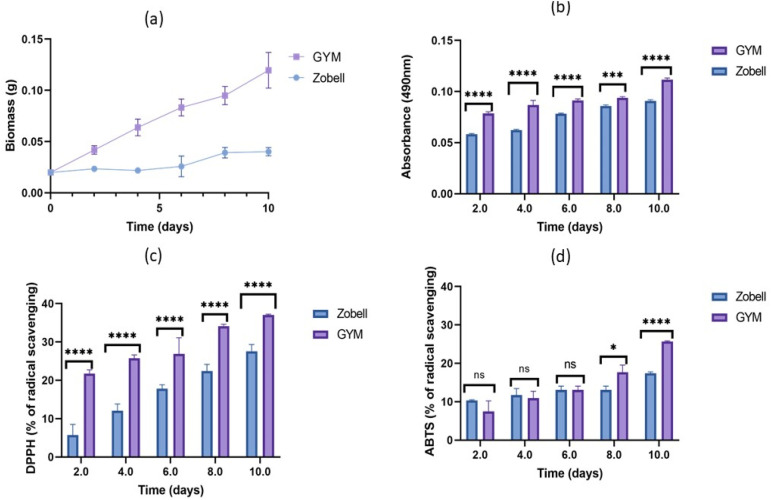
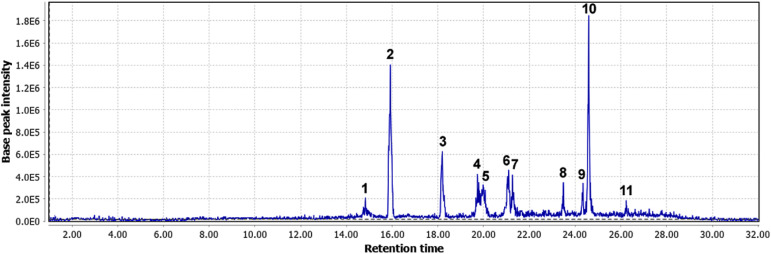
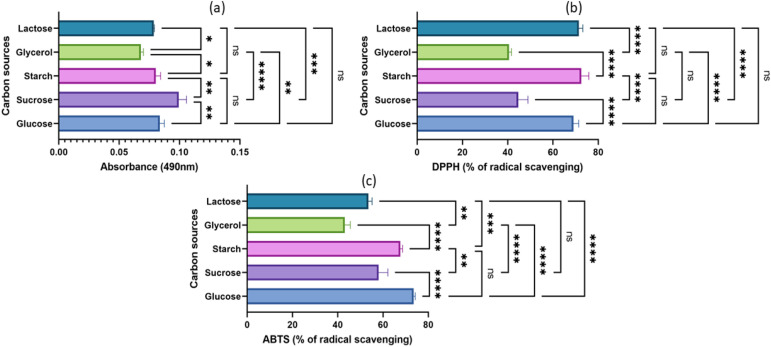
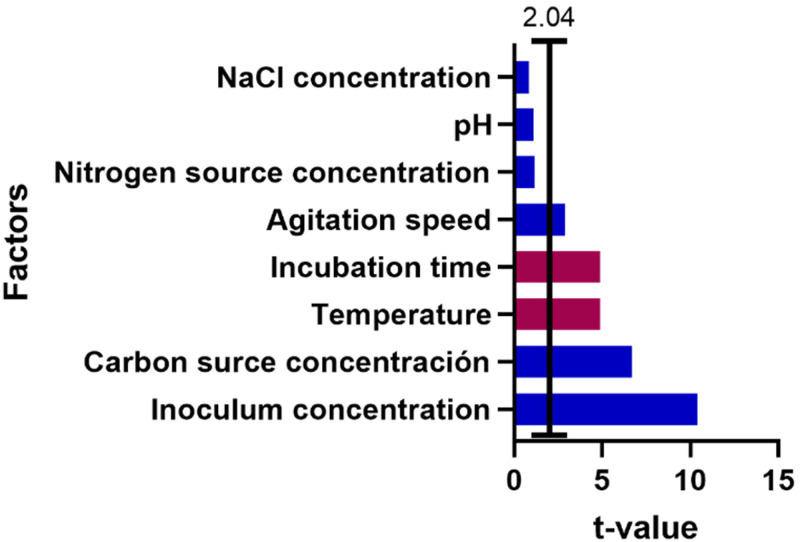
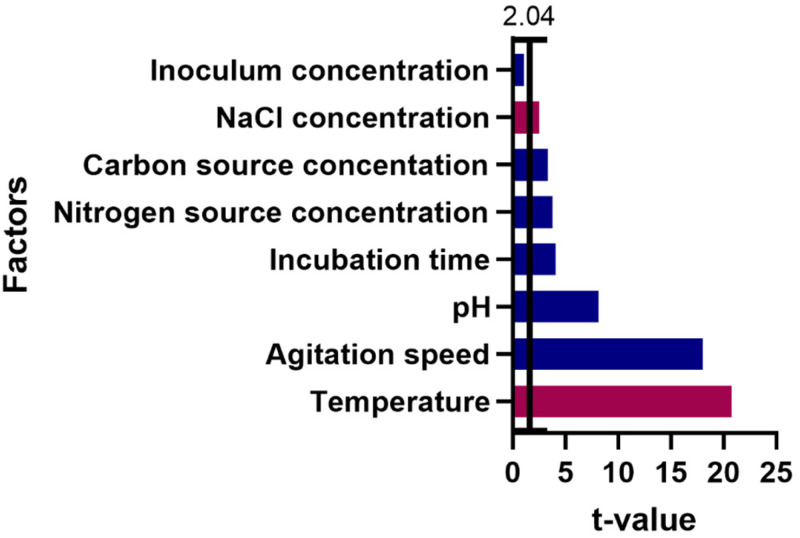
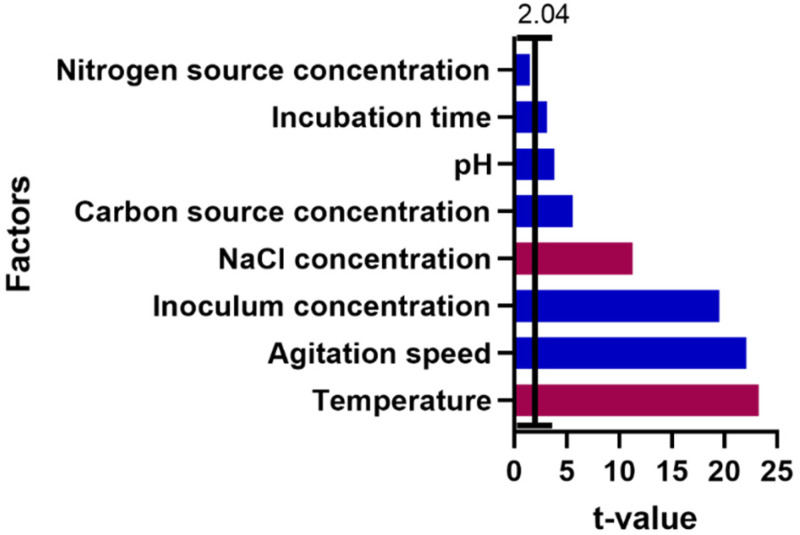
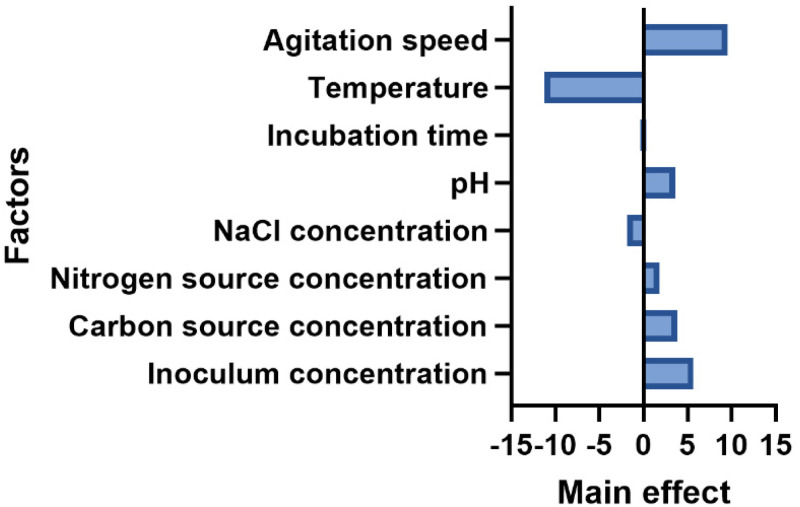
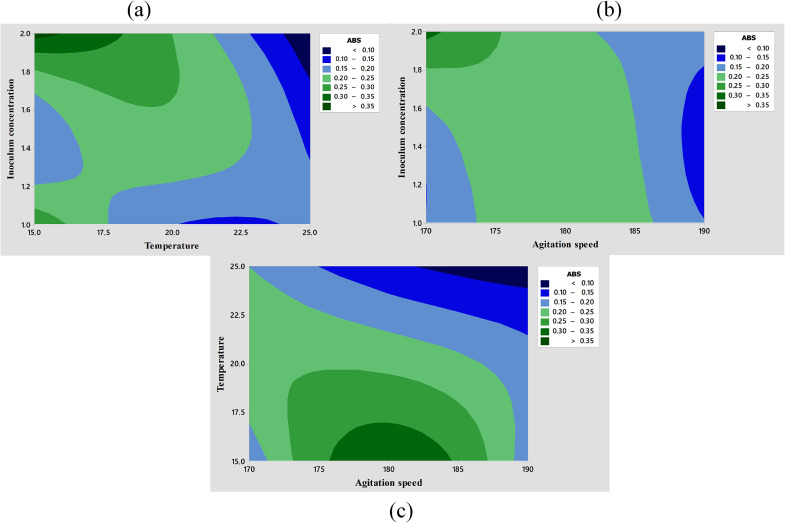
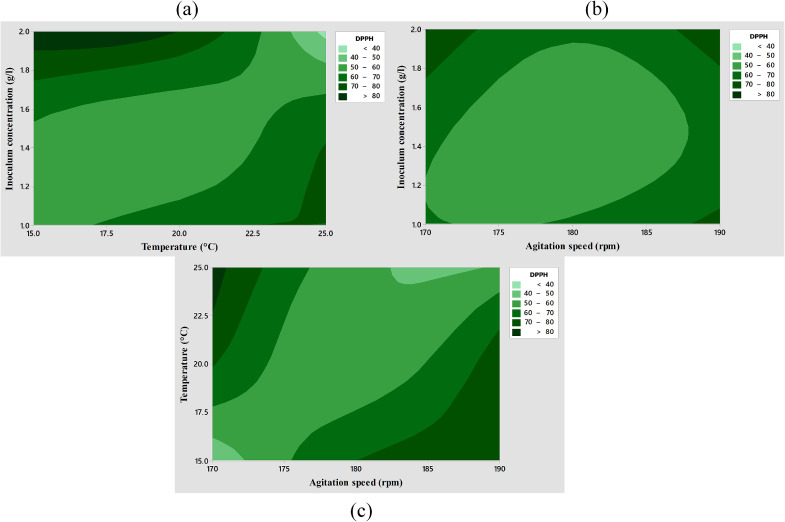
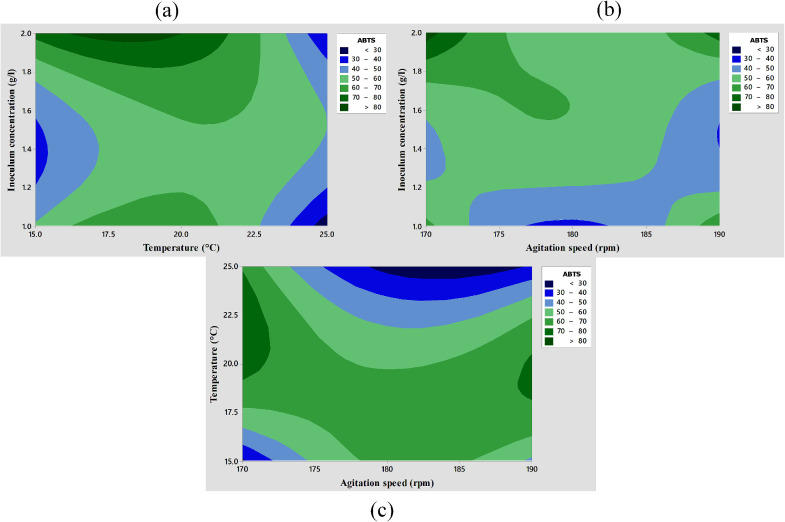
The current emphasis within the cosmetic market on sustainable ingredients has heightened the exploration of new sources for natural, active components. , recognized for producing pigments with bioactive potential, offer promising functional cosmetic ingredients. This study aimed to optimize pigment and antioxidant metabolite production from the strain EUFUS-Z928 by implementing the Plackett-Burman experimental design and response surface methodology. Extracts derived from this strain exhibited no cytotoxic activity against human primary dermal fibroblast (HDFa, ATCC® PCS-201-012™, Primary Dermal Fibroblast; Normal, Human, Adult). Eight variables, including inoculum concentration, carbon and nitrogen source concentration, NaCl concentration, pH, incubation time, temperature, and stirring speed, were analyzed using the Plackett-Burman experimental design. Subsequently, factors significantly influencing pigment and antioxidant metabolite production, such as temperature, inoculum concentration, and agitation speed, were further optimized using response surface methodology and Box-Behnken design. The results demonstrated a substantial increase in absorbance (from 0.091 to 0.32), DPPH radical scavenging capacity (from 27.60% to 84.61%), and ABTS radical scavenging capacity (from 17.39% to 79.77%) compared to responses obtained in the isolation medium. The validation of the mathematical model accuracy exceeded 90% for all cases. Furthermore, liquid chromatography coupled with mass spectrometry (LC-MS) facilitated the identification of compounds potentially responsible for enhanced pigment production and antioxidant capacity in extracts derived from . Specifically, six carotenoids, red-orange pigments with inherent antioxidant capacity, were identified as the main enhanced compounds. This comprehensive approach effectively optimized the culture conditions and medium of a strain, resulting in enhanced carotenoid production and antioxidant capacity. Beyond identifying bioactive compounds and their potential cosmetic applications, this study offers insights into the broader industrial applicability of these extracts. It underscores the potential of and hints at the future utilization of other untapped sources of rare actinomycetes within the industry.
当前,化妆品市场对可持续成分的重视程度不断提高,这促使人们对天然、活性成分的新来源进行了深入探索。红树林真菌,因其能够产生具有生物活性潜力的色素而备受关注,为有前景的功能性化妆品成分提供了新来源。本研究旨在通过实施 Plackett-Burman 实验设计和响应面法优化 菌株 EUFUS-Z928 的色素和抗氧化代谢产物的生产。该菌株提取的产物对人原代真皮成纤维细胞(HDFa,ATCC®PCS-201-012™,人原代真皮成纤维细胞;正常,成人)没有细胞毒性。采用 Plackett-Burman 实验设计分析了包括接种浓度、碳源和氮源浓度、NaCl 浓度、pH 值、培养时间、温度和搅拌速度在内的 8 个变量。随后,利用响应面法和 Box-Behnken 设计对显著影响色素和抗氧化代谢产物产生的因素(如温度、接种浓度和搅拌速度)进行了进一步优化。结果表明,与分离培养基相比,吸光度(从 0.091 增加到 0.32)、DPPH 自由基清除能力(从 27.60%增加到 84.61%)和 ABTS 自由基清除能力(从 17.39%增加到 79.77%)都有显著提高。所有情况下,数学模型准确性的验证都超过了 90%。此外,液相色谱-质谱联用(LC-MS)有助于鉴定化合物,这些化合物可能是提取物中色素产量和抗氧化能力增强的原因。具体来说,从 菌株中鉴定出 6 种类胡萝卜素,这是具有内在抗氧化能力的红橙色色素,是主要的增强化合物。这种综合方法有效地优化了 菌株的培养条件和培养基,提高了类胡萝卜素的产量和抗氧化能力。本研究不仅鉴定了生物活性化合物及其在化妆品中的潜在应用,还为这些提取物在更广泛的工业应用提供了新的思路。它强调了 菌株的潜力,并暗示了未来在行业内利用其他未开发的稀有放线菌来源的可能性。