
链球菌溶血素O造成膜损伤的机制。
Mechanism of membrane damage by streptolysin-O.
作者信息
Bhakdi S, Tranum-Jensen J, Sziegoleit A
出版信息
Infect Immun. 1985 Jan;47(1):52-60. doi: 10.1128/iai.47.1.52-60.1985.
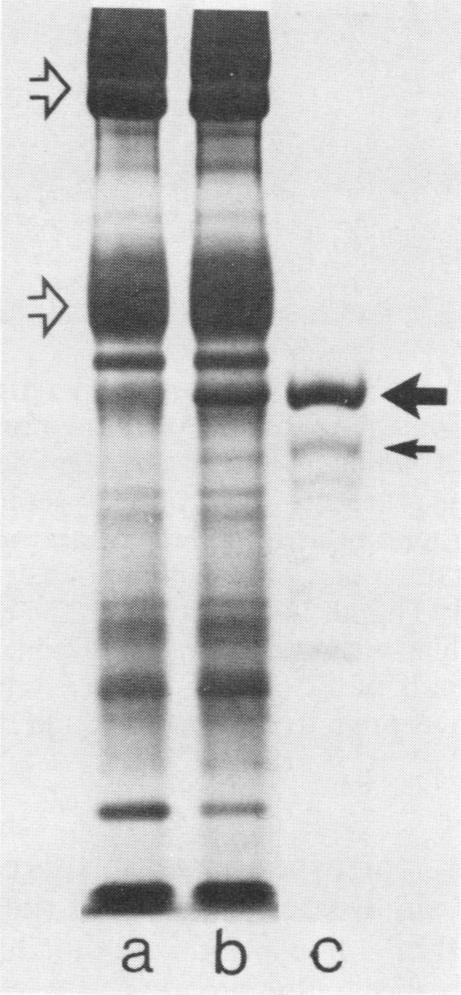
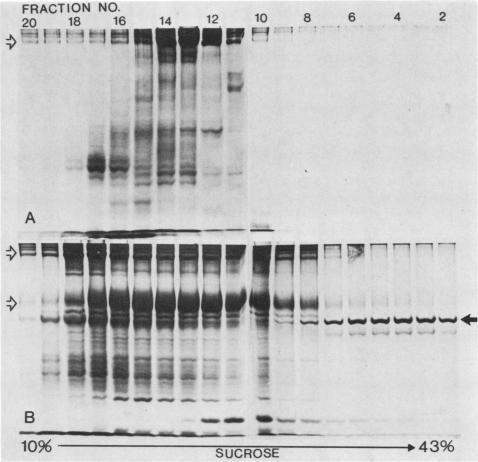
Streptolysin-O (SLO) is a thiol-activated, membrane-damaging protein toxin of Mr 69,000 that is produced by most strains of beta-hemolytic group A streptococci. Native, primarily water-soluble toxin molecules bind to cholesterol-containing target membranes to assemble into supramolecular curved rod structures (25 to 100 nm long by ca. 7.5 nm wide), forming rings and arcs that penetrate into the apolar domain of the bilayer. Electron microscopic analyses of toxin polymers in their native and reconstituted membrane-bound form indicate that the convex surface of the rod structures is a hydrophobic, lipid-binding domain, whereas the concave surfaces appear to be hydrophilic. The embedment of the rings and arcs generates large transmembrane slits or pores of up to 30-nm diameter that can be directly visualized by negative staining and freeze-fracture electron microscopy. SLO oligomers were isolated in extensively delipidated form in detergent solution, and cholesterol was found not to detectably contribute to the observed rod structures. The rods are stable structures that resist prolonged exposure to trypsin and chymotrypsin. They can be reincorporated into cholesterol-free phosphatidylcholine liposomes to generate lesions identical to those observed on erythrocytes lysed by native SLO. Thus, although cholesterol plays a key role in the initial binding of SLO to the membrane, it does not directly participate in the formation of the membrane-penetrating toxin channels. Membrane damage by SLO is basically analogous to that mediated by previously studied channel formers, namely, the C5b-9 complement complex and staphylococcal alpha-toxin.
链球菌溶血素O(SLO)是一种巯基激活的、分子量为69000的膜损伤蛋白毒素,由大多数A组β溶血性链球菌菌株产生。天然的、主要为水溶性的毒素分子与含胆固醇的靶膜结合,组装成超分子弯曲杆状结构(长25至100纳米,宽约7.5纳米),形成环和弧,穿透进入双层膜的非极性区域。对天然和重构的膜结合形式的毒素聚合物进行电子显微镜分析表明,杆状结构的凸面是一个疏水的脂质结合结构域,而凹面似乎是亲水的。环和弧的嵌入产生直径达30纳米的大跨膜裂缝或孔,可通过负染色和冷冻断裂电子显微镜直接观察到。SLO寡聚体在去污剂溶液中以大量脱脂的形式分离出来,发现胆固醇对观察到的杆状结构没有明显贡献。这些杆状结构是稳定的,能够抵抗长时间暴露于胰蛋白酶和糜蛋白酶。它们可以重新掺入无胆固醇的磷脂酰胆碱脂质体中,产生与天然SLO裂解红细胞上观察到的损伤相同的损伤。因此,尽管胆固醇在SLO与膜的初始结合中起关键作用,但它并不直接参与膜穿透毒素通道的形成。SLO介导的膜损伤基本上类似于先前研究的通道形成剂,即C5b-9补体复合物和葡萄球菌α毒素介导的膜损伤。




 Zotero 插件