Nganou-Makamdop Krystelle, Douek Daniel C
Institute of Clinical and Molecular Virology, University Hospital Erlangen, Erlangen, Germany.
Human Immunology Section, Vaccine Research Center, National Institute of Allergy and Infectious Diseases, National Institutes of Health, Bethesda, Maryland.
Pathog Immun. 2024 May 24;9(1):168-194. doi: 10.20411/pai.v9i1.693. eCollection 2024.
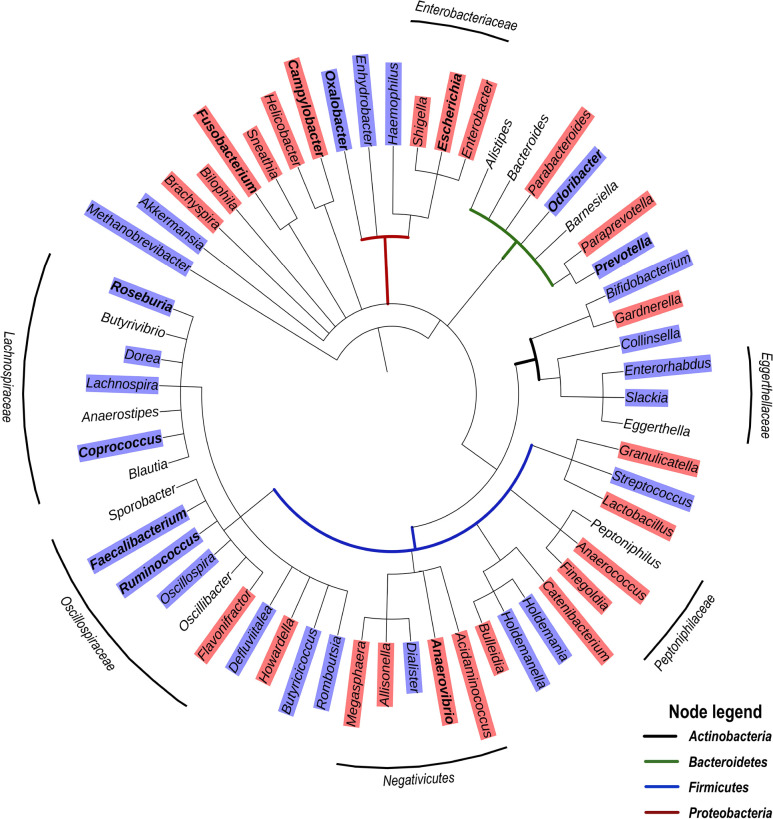
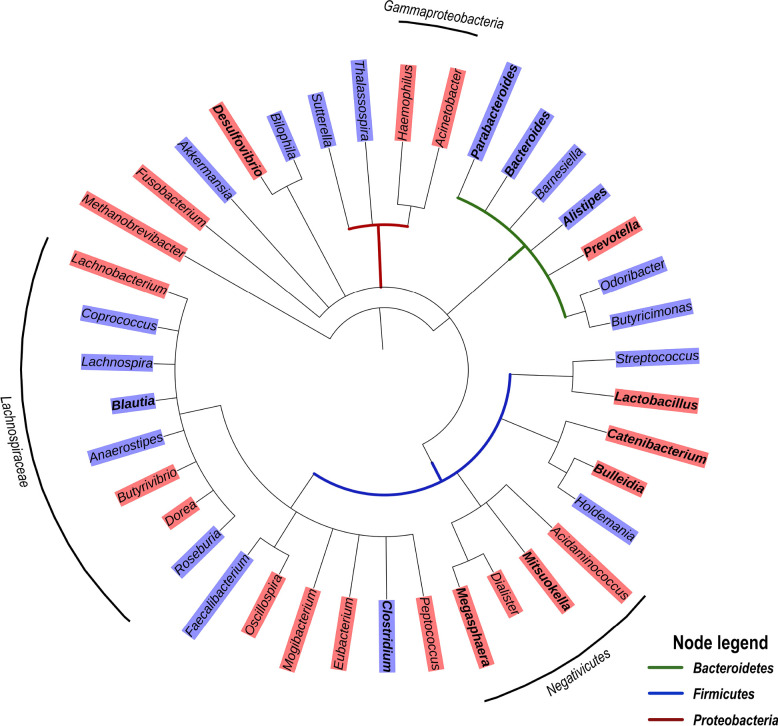
It is widely acknowledged that HIV infection results in disruption of the gut's mucosal integrity partly due a profound loss of gastrointestinal CD4 T cells that are targets of the virus. In addition, systemic inflammation and immune activation that drive disease pathogenesis are reduced but not normalized by antiretroviral therapy (ART). It has long been postulated that through the process of microbial translocation, the gut microbiome acts as a key driver of systemic inflammation and immune recovery in HIV infection. As such, many studies have aimed at characterizing the gut microbiota in order to unravel its influence in people with HIV and have reported an association between various bacterial taxa and inflammation. This review assesses both contra-dictory and consistent findings among several studies in order to clarify the overall mechanisms by which the gut microbiota in adults may influence immune recovery in HIV infection. Independently of the gut microbiome, observations made from analysis of microbial products in the blood provide direct insight into how the translocated microbiome may drive immune recovery. To help better understand strengths and limitations of the findings reported, this review also highlights the numerous factors that can influence microbiome studies, be they experimental methodologies, and host-intrinsic or host-extrinsic factors. Altogether, a fuller understanding of the interplay between the gut microbiome and immunity in HIV infection may contribute to preventive and therapeutic approaches.
人们普遍认为,HIV感染会导致肠道黏膜完整性遭到破坏,部分原因是作为该病毒靶标的胃肠道CD4 T细胞大量减少。此外,驱动疾病发病机制的全身炎症和免疫激活在接受抗逆转录病毒疗法(ART)后有所减轻,但并未恢复正常。长期以来,人们一直推测,通过微生物易位过程,肠道微生物群在HIV感染中是全身炎症和免疫恢复的关键驱动因素。因此,许多研究旨在对肠道微生物群进行表征,以阐明其对HIV感染者的影响,并报告了各种细菌类群与炎症之间的关联。本综述评估了多项研究中的矛盾和一致发现,以阐明成人肠道微生物群可能影响HIV感染免疫恢复的总体机制。独立于肠道微生物群之外,对血液中微生物产物的分析结果直接揭示了易位的微生物群如何推动免疫恢复。为了更好地理解所报告结果的优势和局限性,本综述还强调了许多可能影响微生物群研究的因素,包括实验方法以及宿主内在或外在因素。总之,更全面地了解HIV感染中肠道微生物群与免疫之间的相互作用可能有助于制定预防和治疗方法。