Jin Tianle, Fei Maoxing, Luo Shiqiao, Wang Handong
Department of Neurosurgery, Nanjing BenQ Medical Center, the Affiliated BenQ Hospital of Nanjing Medical University, Nanjing, Jiangsu 210019, China.
Department of Neurosurgery, Nanjing Jinling Hospital, the Affiliated Hospital of Medical School, Nanjing University, Nanjing, Jiangsu 210002, China.
J Biomed Res. 2024 Feb 25;38(5):1-12. doi: 10.7555/JBR.37.20230241.
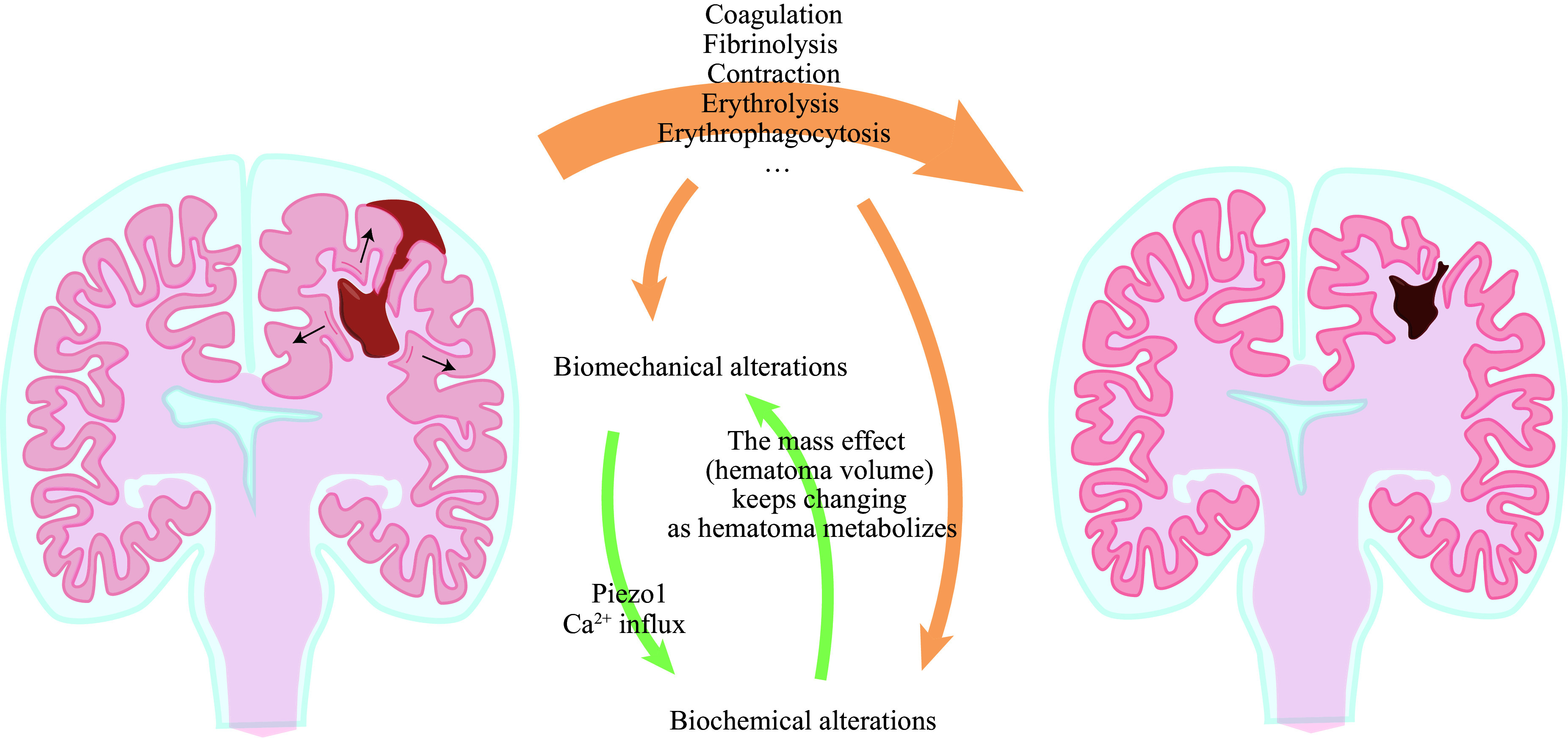
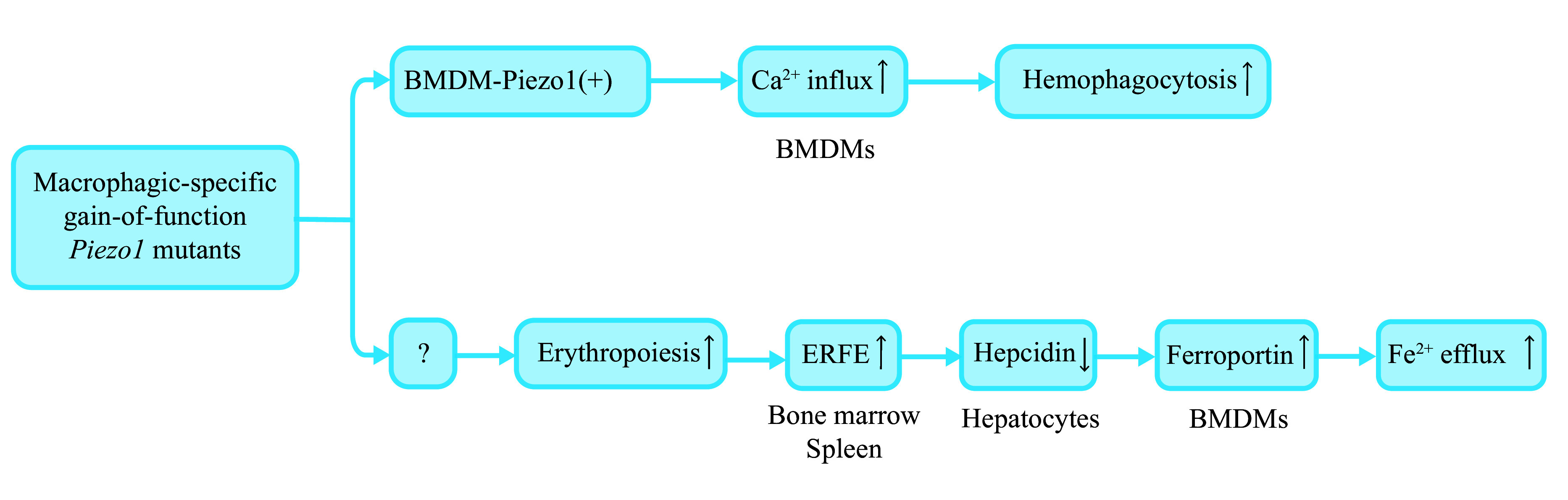
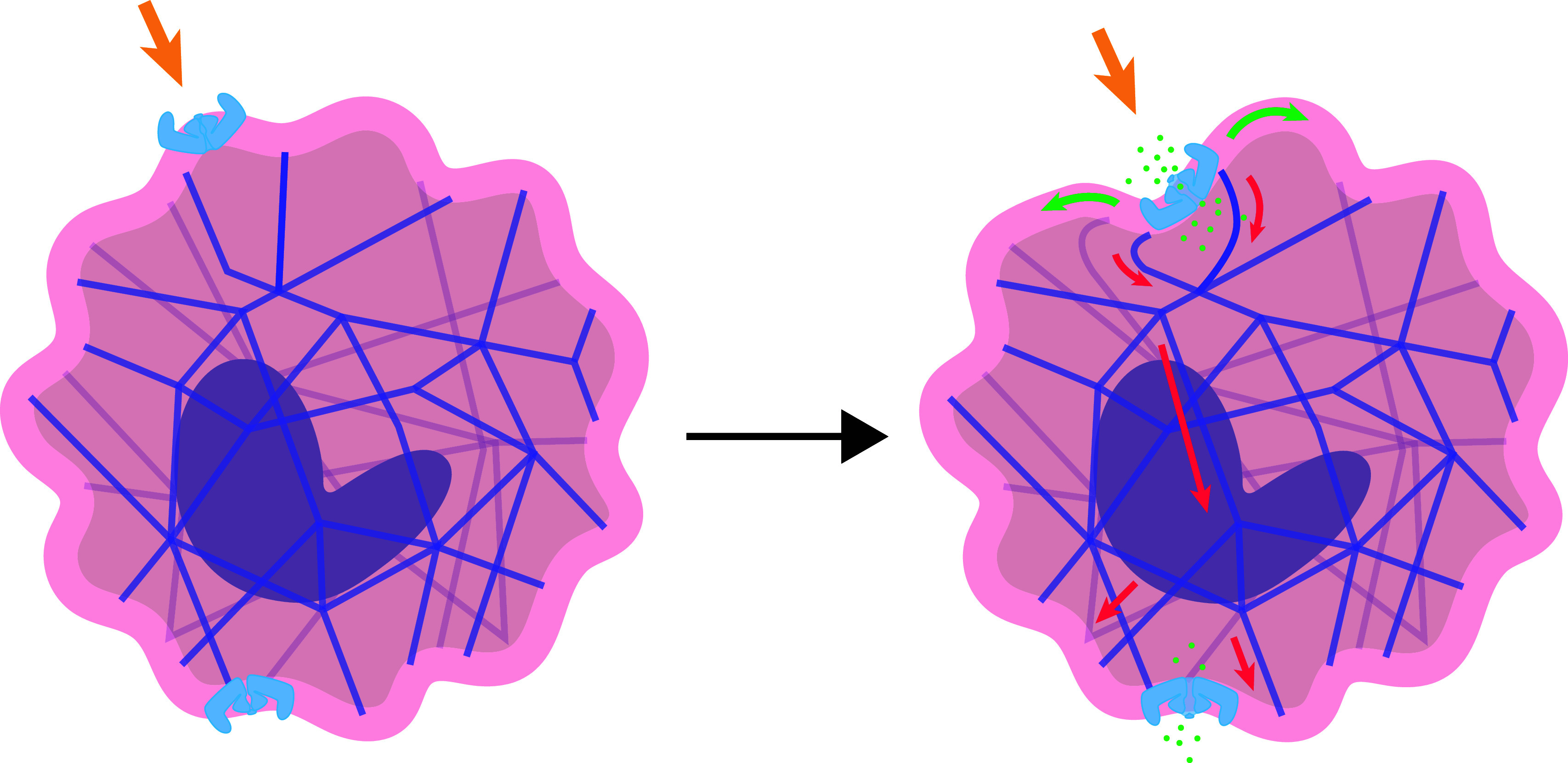
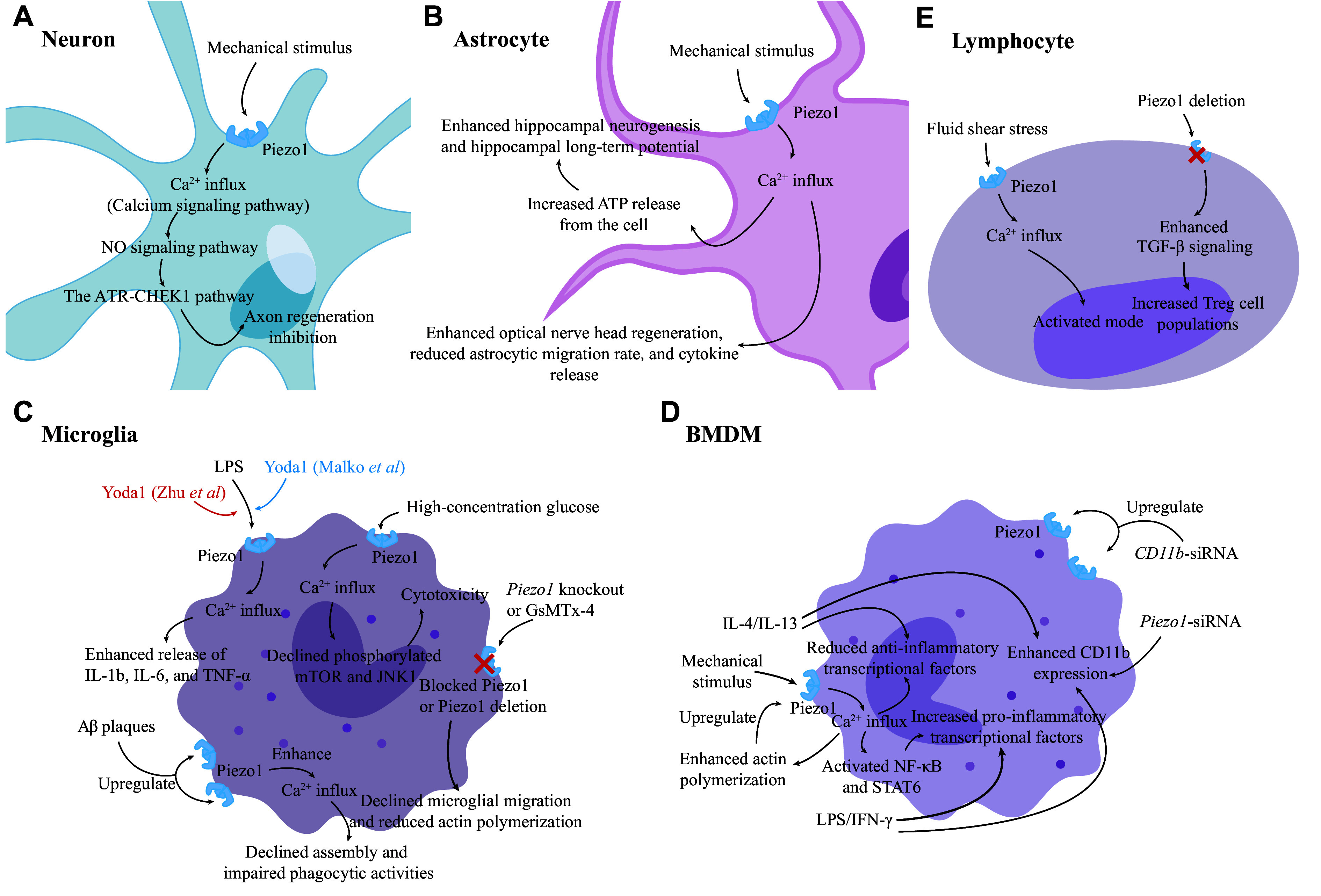
Intracranial hemorrhage (ICH) causes numerous neurological deficits and deaths worldwide each year, leaving a significant health burden on the public. The pathophysiology of ICH is complicated, and involves both primary and secondary injury. Hematoma, as the prime pathology of ICH, undergoes metabolism and triggers biochemical and biomechanical alterations in the brain, leading to secondary injury. Past endeavors mainly aimed at biochemical-initiated mechanisms for causing secondary injury have made limited progress in recent years, although ICH itself is also highly biomechanics-related. The discovery of the mechanical-activated cation channel Piezo1 provides a new avenue to further explore underlying mechanisms of secondary injury. The current article reviews the structure and gating mechanisms of Piezo1, its roles in the physiology/pathophysiology of neurons, astrocytes, microglia, and bone-marrow-derived macrophages, and especially its roles in erythrocytic turnover and iron metabolism, revealing a potential interplay between the biomechanics and biochemistry of hematoma in ICH. Collectively, these advances provide deeper insights into the secondary injury of ICH and lay the foundations for future research.
颅内出血(ICH)每年在全球范围内导致大量神经功能缺损和死亡,给公众带来了沉重的健康负担。ICH的病理生理学很复杂,涉及原发性和继发性损伤。血肿作为ICH的主要病理表现,会发生代谢并引发大脑中的生化和生物力学改变,从而导致继发性损伤。尽管ICH本身也与生物力学高度相关,但过去主要针对引发继发性损伤的生化机制的研究近年来进展有限。机械激活阳离子通道Piezo1的发现为进一步探索继发性损伤的潜在机制提供了新途径。本文综述了Piezo1的结构和门控机制、其在神经元、星形胶质细胞、小胶质细胞和骨髓来源巨噬细胞的生理/病理生理学中的作用,尤其是其在红细胞周转和铁代谢中的作用,揭示了ICH中血肿生物力学与生物化学之间的潜在相互作用。总的来说,这些进展为深入了解ICH的继发性损伤提供了更深刻的见解,并为未来的研究奠定了基础。