Shirahama T, Cohen A S
Am J Pathol. 1985 Jan;118(1):108-15.
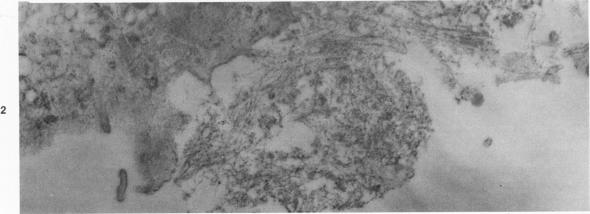
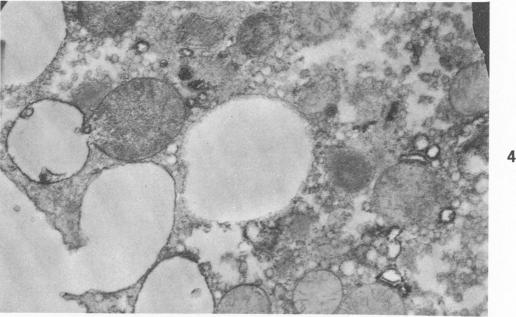
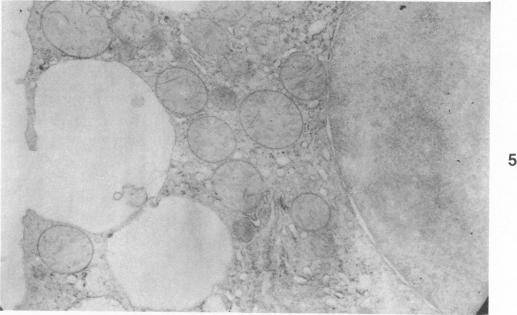
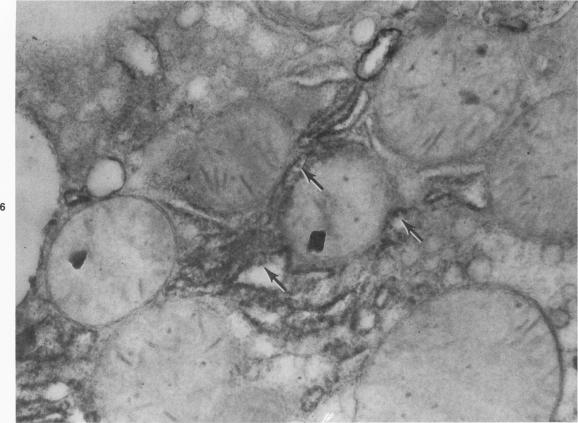
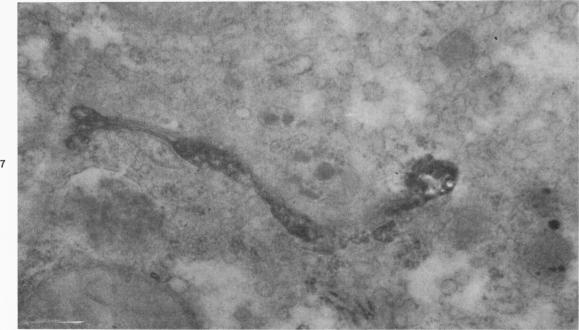
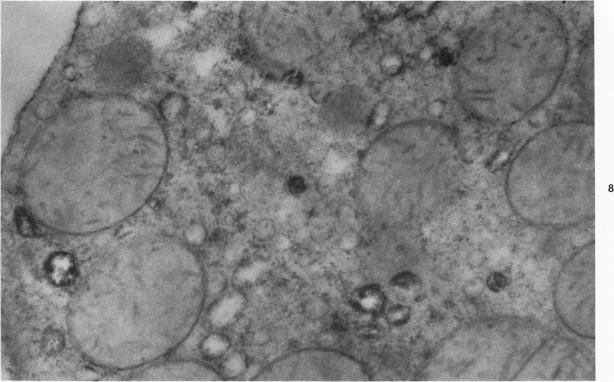
For determination of the intracellular site of synthesis and the pathways followed by amyloid protein AA, immunocytochemical localization of the anti-AA reactive substance was investigated in the livers of CBA/J mice in an acute-phase response evoked by a single subcutaneous injection of 0.5 ml of 10% casein. In the cytoplasm of the hepatocytes, the positive reaction was localized on and/or in the rough endoplasmic reticulum and the single membrane-bound vesicles, vacuoles and lamellae including the Golgi apparatus, confirming that amyloid protein AA follows the common routes of synthesis and secretion established for other proteins. The anti-AA-reactive substance was also localized on the free surface of the hepatocyte membrane, including the microvilli. The latter reaction appeared as early as but lasted at least several hours longer than its cytoplasmic counterpart, suggesting that a certain retention period exists before the release of the AA-reactive substance from the cellular surface to the free blood plasma.
为了确定细胞内合成位点以及淀粉样蛋白AA所遵循的途径,在单次皮下注射0.5 ml 10%酪蛋白诱发的急性期反应中,对CBA/J小鼠肝脏中抗AA反应性物质进行了免疫细胞化学定位研究。在肝细胞的细胞质中,阳性反应定位于粗面内质网以及包括高尔基体在内的单层膜结合的囊泡、液泡和薄片上和/或内部,证实淀粉样蛋白AA遵循其他蛋白质所确立的常见合成和分泌途径。抗AA反应性物质也定位于肝细胞膜的游离表面,包括微绒毛。后一种反应与细胞质中的反应一样早出现,但持续时间至少比后者长几个小时,这表明在AA反应性物质从细胞表面释放到游离血浆之前存在一定的保留期。