Rosen Rochelle K, Gainey Monique, Nasrin Sabiha, Garbern Stephanie C, Lantini Ryan, Elshabassi Nour, Sultana Sufia, Hasnin Tahmida, Alam Nur H, Nelson Eric J, Levine Adam C
Center for Behavioral and Preventive Medicine, The Miriam Hospital, Providence, RI, United States.
Department of Emergency Medicine, Rhode Island Hospital, Providence, RI, United States.
Int J Qual Methods. 2023 Jan-Dec;22. doi: 10.1177/16094069231184123. Epub 2023 Jun 21.
Framework Matrix Analysis (FMA) and Applied Thematic Analysis (ATA) are qualitative methods that have not been as widely used/cited compared to content analysis or grounded theory. This paper compares methods of FMA with ATA for mobile health (mHealth) research. The same qualitative data were analyzed separately, using each methodology. The methods, utility, and results of each are compared, and recommendations made for their effective use.
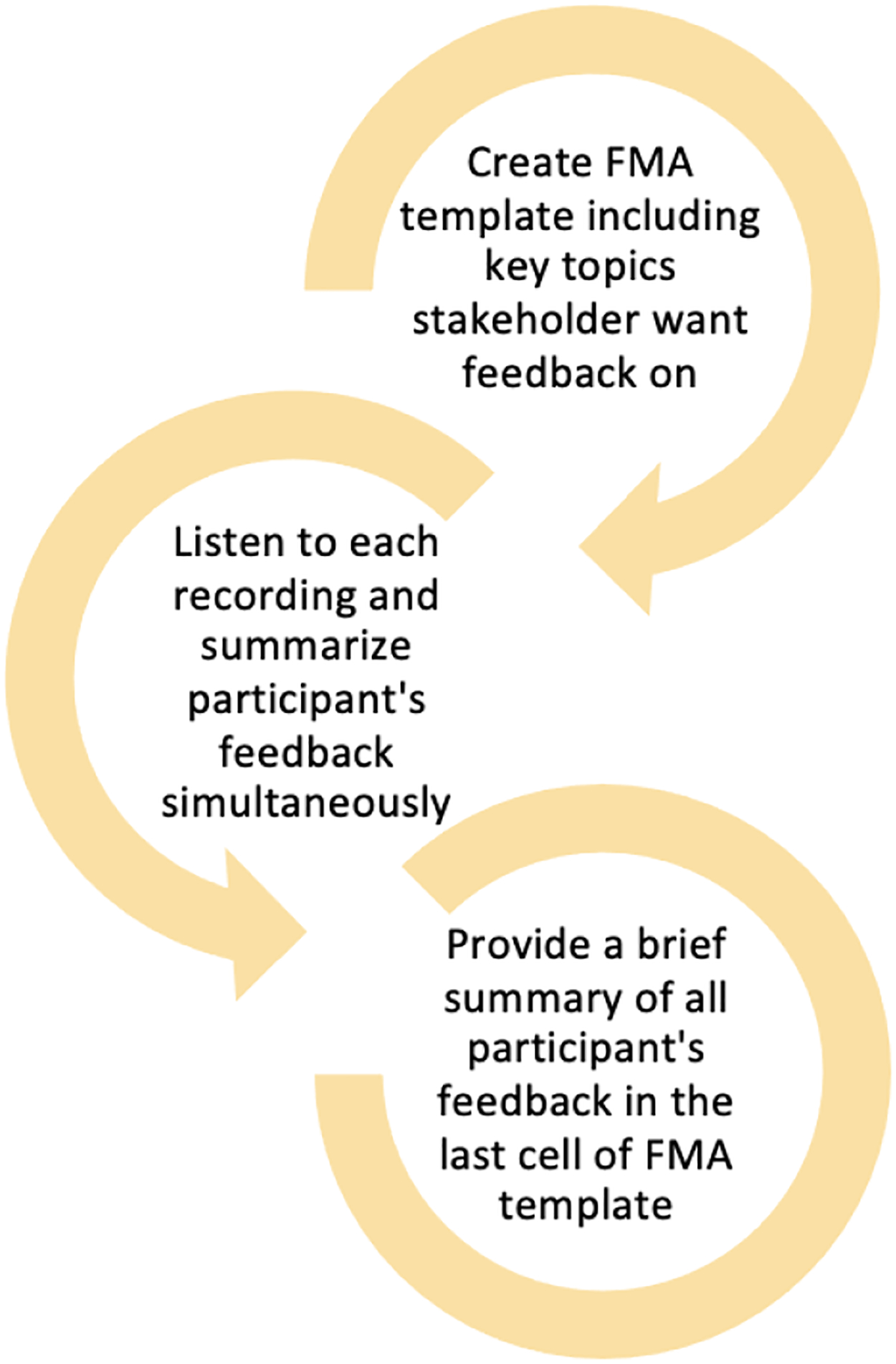
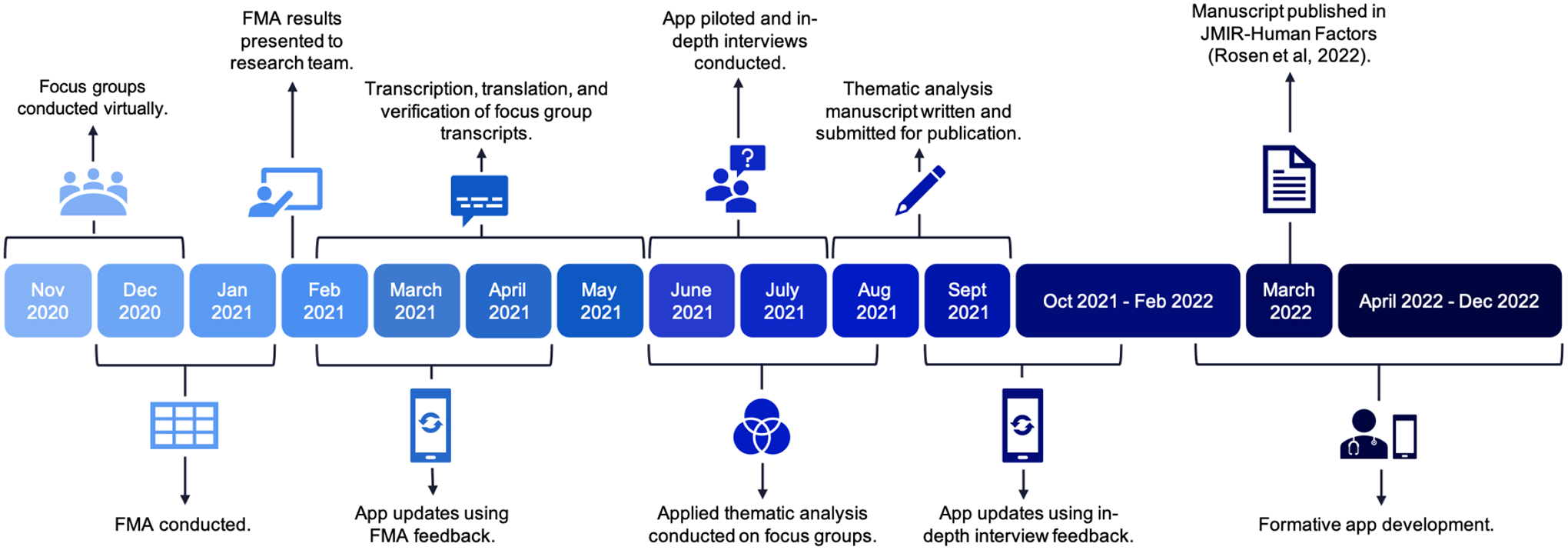
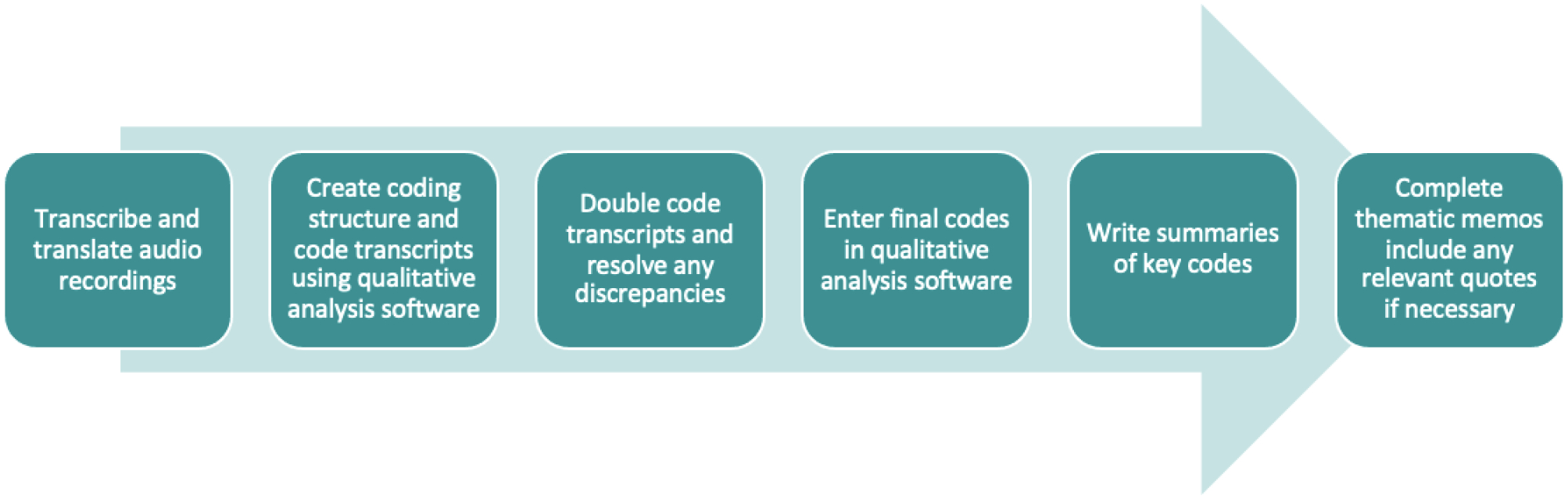
Formative qualitative data were collected in eight focus group discussions with physicians and nurses from three hospitals in Bangladesh. Focus groups were conducted via video conference in the local language, Bangla, and audio recorded. Audio recordings were used to complete a FMA of participants' opinions about key features of a novel mHealth application (app) designed to support clinical management in patients with acute diarrhea. The resulting framework matrix was shared with the app design team and used to guide iterative development of the product for a validation study of the app. Subsequently, focus group audio recordings were transcribed in Bangla then translated into English for ATA; transcripts and codes were entered into NVivo qualitative analysis software. Code summaries and thematic memos explored the clinical utility of the mHealth app including clinicians' attitudes about using this decision support tool.
Each of the two methods contributes differently to the research goal and have different implications for an mHealth research timeline. Recommendations for the effective use of each method in app development include: using FMA for data reduction where specific outcomes are needed to make programming and design decisions and using ATA to capture the more nuanced issues that guide use, product implementation, training, and workflow.
By describing how both analytical methods were used in this context, this paper provides guidance and an illustration for use of these two methods, specifically in mHealth design.
与内容分析或扎根理论相比,框架矩阵分析(FMA)和应用主题分析(ATA)作为定性方法尚未得到广泛应用/引用。本文比较了FMA和ATA在移动健康(mHealth)研究中的方法。使用每种方法分别对相同的定性数据进行分析。比较了每种方法的方法、效用和结果,并就其有效使用提出了建议。
在与孟加拉国三家医院的医生和护士进行的八次焦点小组讨论中收集形成性定性数据。焦点小组通过当地语言孟加拉语进行视频会议,并进行录音。录音用于完成对参与者对一款旨在支持急性腹泻患者临床管理的新型移动健康应用程序(应用)关键特征的意见的FMA。生成的框架矩阵与应用程序设计团队共享,并用于指导该产品的迭代开发,以进行应用程序的验证研究。随后,焦点小组录音先转录为孟加拉语,然后翻译成英语用于ATA;转录本和代码输入NVivo定性分析软件。代码摘要和主题备忘录探讨了移动健康应用程序的临床效用,包括临床医生对使用这种决策支持工具的态度。
两种方法对研究目标的贡献各不相同,对移动健康研究时间表也有不同影响。在应用程序开发中有效使用每种方法的建议包括:在需要特定结果来进行编程和设计决策时使用FMA进行数据简化,使用ATA来捕捉指导使用、产品实施、培训和工作流程的更细微问题。
通过描述在这种情况下如何使用这两种分析方法,本文为这两种方法的使用提供了指导和示例,特别是在移动健康设计中。