Jimenez Isabel A, Stempinski Piotr R, Dragotakes Quigly, Greengo Seth D, Ramirez Lia Sanchez, Casadevall Arturo
Department of Molecular and Comparative Pathobiology, Johns Hopkins University School of Medicine, Baltimore, Maryland, USA.
Department of Molecular Microbiology and Immunology, Johns Hopkins University Bloomberg School of Public Health, Baltimore, Maryland, USA.
bioRxiv. 2024 May 21:2024.05.20.595024. doi: 10.1101/2024.05.20.595024.
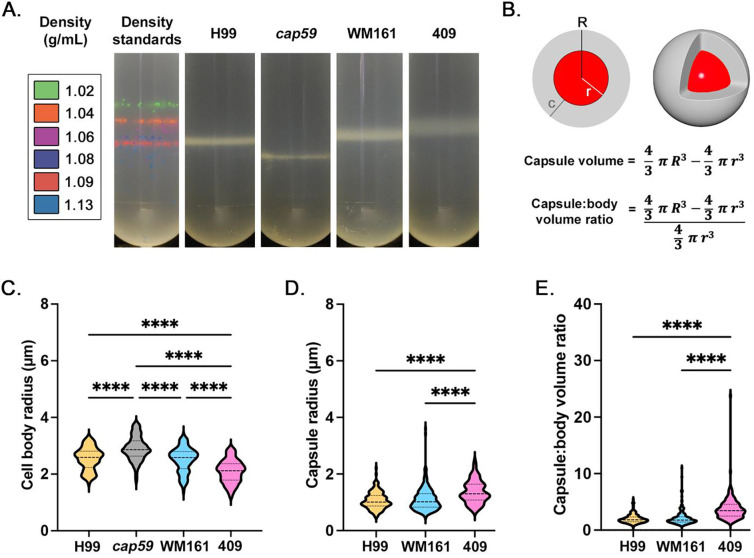
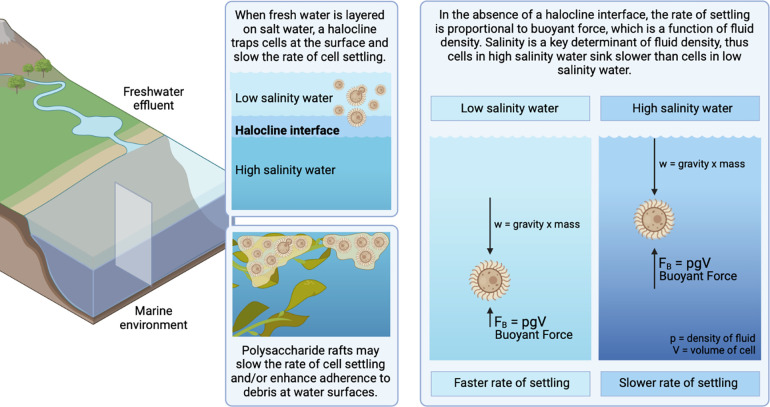
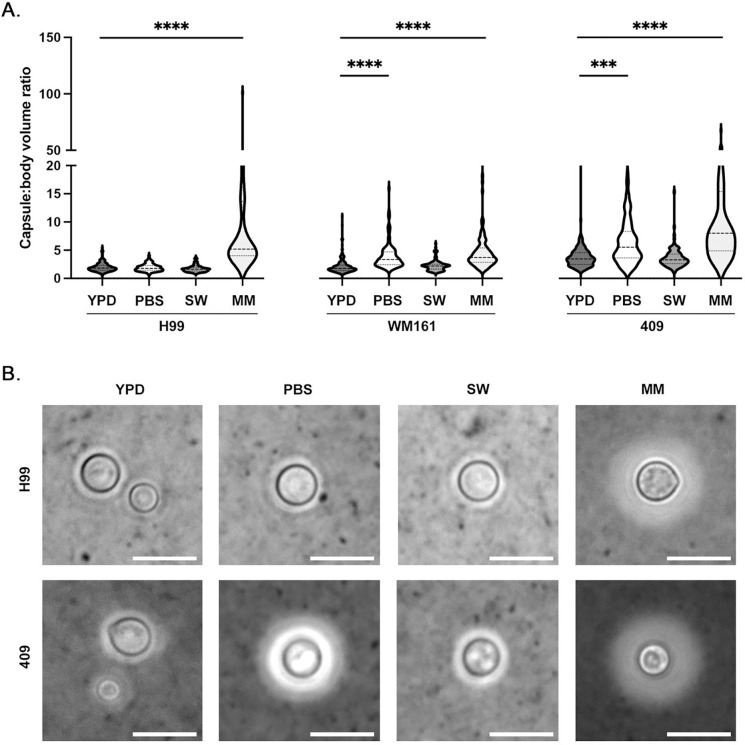
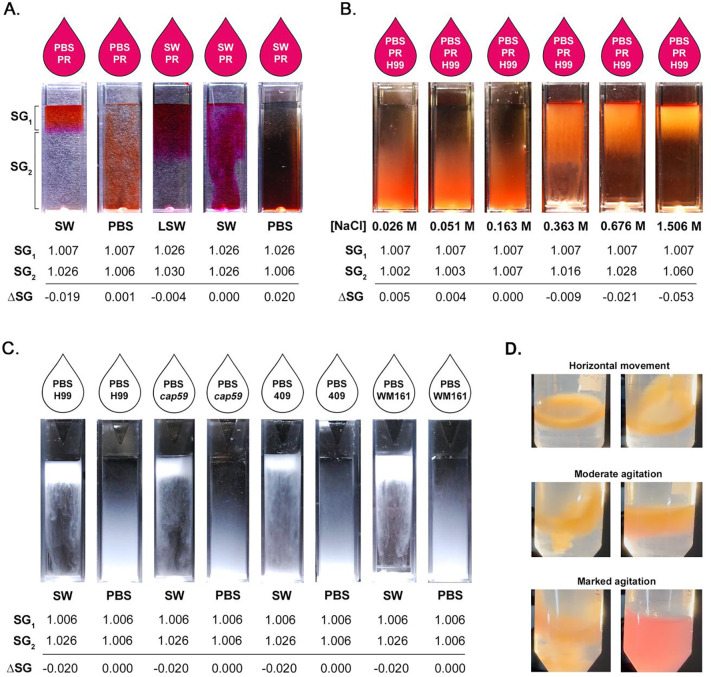
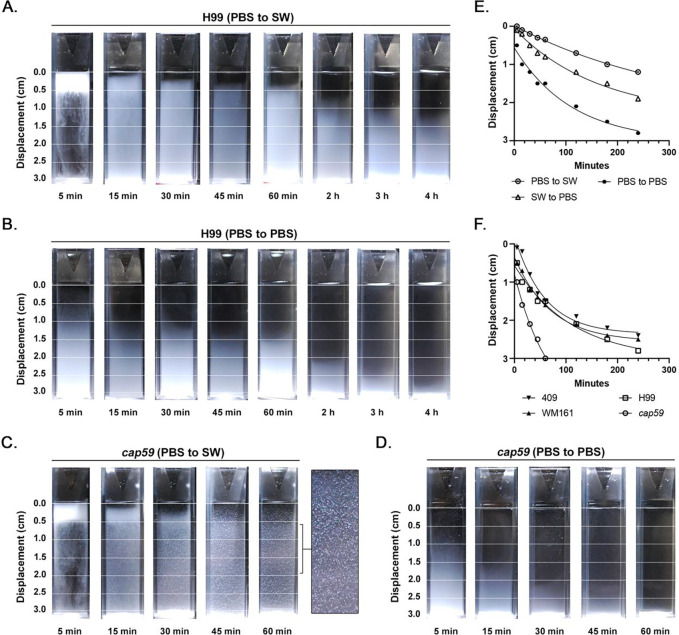
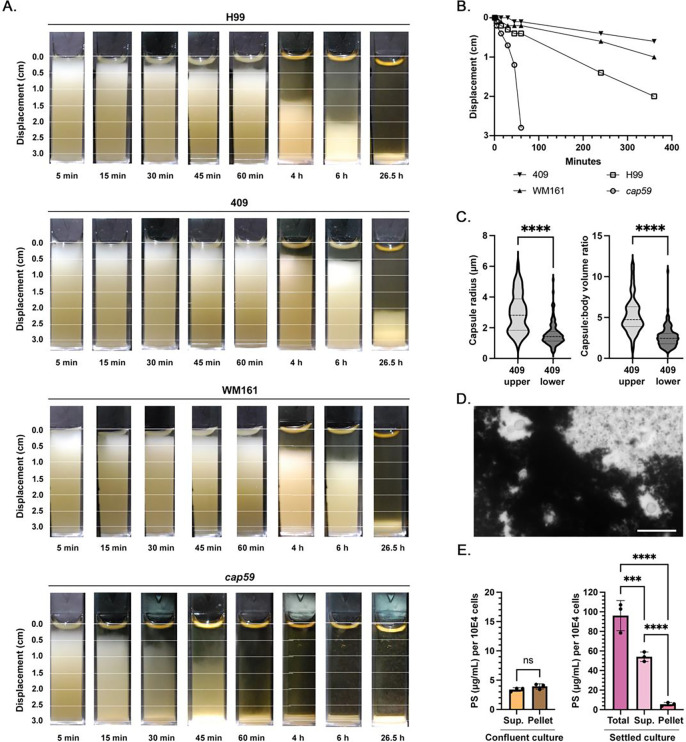
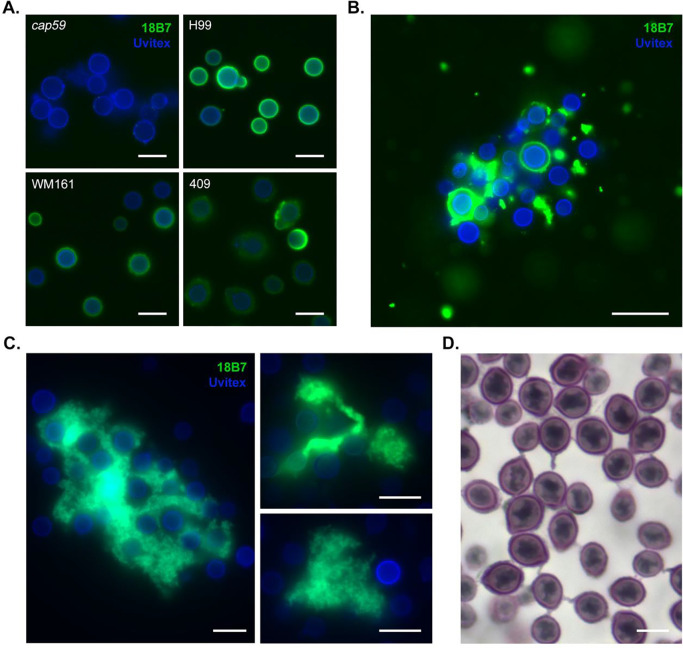
is a genus of saprophytic fungi with global distribution. Two species complexes, and , pose health risks to humans and animals. Cryptococcal infections result from inhalation of aerosolized spores and/or desiccated yeasts from terrestrial reservoirs such as soil, trees, and avian guano. More recently, has been implicated in infections in marine mammals, suggesting that inhalation of liquid droplets or aerosols from the air-water interface is also an important, yet understudied, mode of respiratory exposure. Water transport has also been suggested to play a role in the spread of from tropical to temperate environments. However, the dynamics of fungal survival, persistence, and transport via water have not been fully studied. The size of the cryptococcal capsule was previously shown to reduce cell density and increase buoyancy. Here, we demonstrate that cell buoyancy is also impacted by the salinity of the media in which cells are suspended, with formation of a halocline interface significantly slowing the rate of settling of cryptococcal cells through water, resulting in persistence of within 1 cm of the air-water interface for over 60 min and for 4-6 h. Our data also showed that during culture in yeast peptone dextrose media (YPD), polysaccharide accumulating in the supernatant formed a raft that augmented buoyancy and further slowed settling of cryptococcal cells. These findings illustrate new mechanisms by which cryptococcal cells may persist in aquatic environments, with important implications for aqueous transport and pathogen exposure.
是一种全球分布的腐生真菌属。两个物种复合体,即 和 ,对人类和动物构成健康风险。隐球菌感染是由于吸入来自土壤、树木和鸟类粪便等陆地宿主的雾化孢子和/或干燥酵母所致。最近, 被认为与海洋哺乳动物的感染有关,这表明吸入空气 - 水界面的液滴或气溶胶也是一种重要但尚未充分研究的呼吸道暴露途径。水的运输也被认为在 从热带向温带环境的传播中起作用。然而,真菌在水中的存活、持久性和运输动态尚未得到充分研究。先前已表明隐球菌荚膜的大小会降低细胞密度并增加浮力。在此,我们证明细胞浮力也受细胞悬浮其中的培养基盐度影响,盐跃层界面的形成显著减缓了隐球菌细胞在水中的沉降速率,导致 在空气 - 水界面1厘米范围内持续存在超过60分钟,而 持续4 - 6小时。我们的数据还表明,在酵母蛋白胨葡萄糖培养基(YPD)中培养期间,上清液中积累的多糖形成了一个筏,增强了浮力并进一步减缓了隐球菌细胞的沉降。这些发现阐明了隐球菌细胞可能在水生环境中持续存在地新机制,对水传播和病原体暴露具有重要意义。